Delayed green light for F1 rules change to help struggling Honda
The FIA has approved changes to Formula 1's engine rules aimed at assisting Honda's recovery.
As revealed by The Race last week, the governing body and all the F1 power unit manufacturers had been discussing ways to give Honda some extra assistance off the back of its early 2026 struggles.
The idea was to lift the cap within the regulations under the Additional Development and Upgrade Opportunities catch-up mechanism - known as ADUO - that was incorporated as part of the 2026 rules.
While the idea of tweaks to help Honda was supported by rivals, which accept that a major car maker struggling at the back is not good for F1 as a whole, there was intrigue ahead of the Miami Grand Prix when the vote was suspended.
Sources suggest that this was done as a means for the FIA to further review the regulations and ensure that what was put in place offered the right level of support, without it then becoming a tool that could slingshot somebody to the front of the grid.
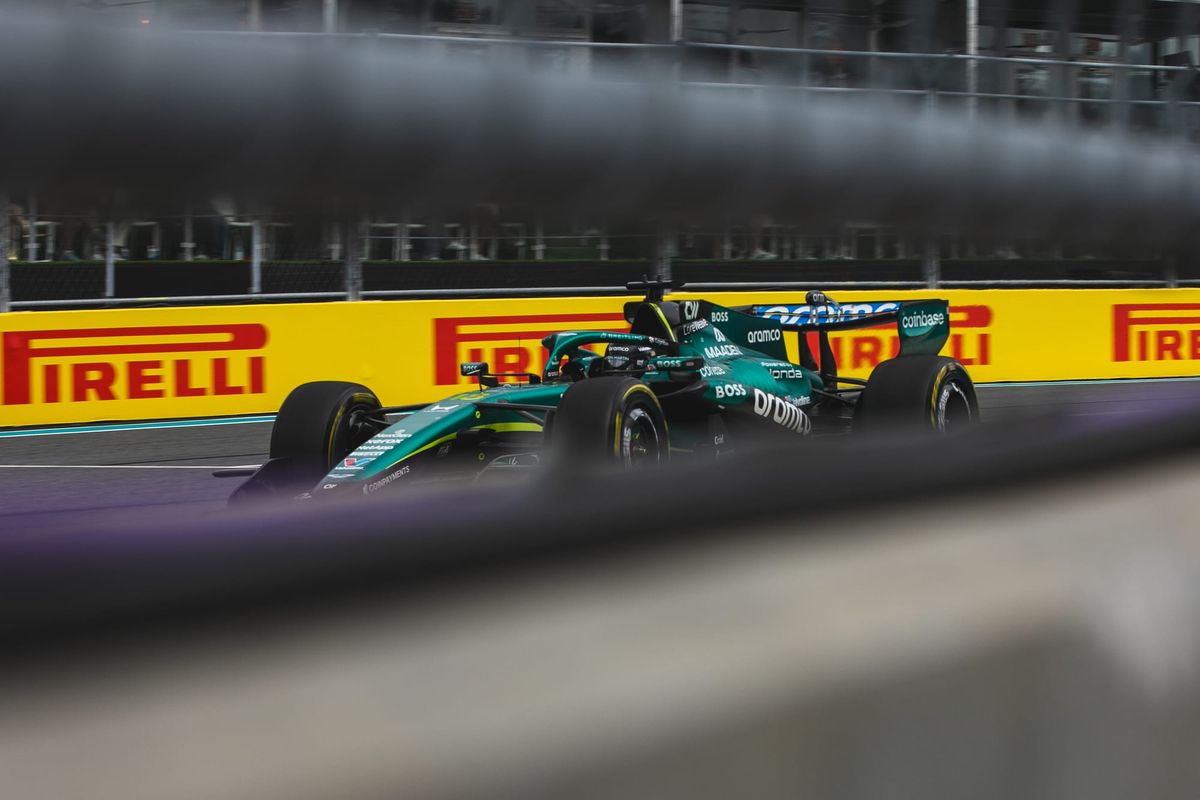
Following that review process, the rules have now been approved by the FIA's World Motor Sport Council and will open the door for extra development and financial support for Honda, which is supplying Aston Martin this season.
Extra allowances have been added into the rules for manufacturers such as Honda, which appears to be more than 10% adrift of the benchmark engine.
The maximum increased spending allowance under the cost cap restriction has been lifted to $11million for manufacturers that are 10% or more off; the previous limit had been $8million for anyone more than 8% off.
A one-off allowance for an extra $8million development budget for 2026 only has also been included.
Furthermore, new allowances have been incorporated for power unit test bench running, with the previous 8% allowance of an extra 190 hours of testing being increased to 230 hours for anyone more than 10% off.
Revised upgrade dates
The FIA has also ratified a move to adjust the timing windows for when it measures who qualified for upgrade allowances.
Heading into the 2026 campaign, the first of these had been expected to be after race six, which was originally the Miami GP.
However, with the cancellation of the Bahrain and Saudi Arabian races, race six will now be the Monaco GP on June 7.
This was deemed to be too late for the first allowances to be opened up for those manufacturers who are behind, so a one-off change of timing has been made for this season.
The first call, where the FIA will rule on which manufacturers are more than 2% adrift of the benchmark, will now come after the Canadian GP - the next round, on May 24.
The upgrade system has become a hot topic among manufacturers, with Mercedes in particular feeling that the rules were intended as a catch-up safety net for anyone falling behind and not a tool to allow someone near the front to make a step that puts them on top.
There has also been some controversy over how the FIA will judge the performance of each internal combustion engine to calculate each one's power, amid complications triggered by outside influences such as turbo size and back-pressure caused by exhaust wings.
In an additional note in the rules, the FIA has suggested that following its post-Canada verdict, there could be tweaks to the process.
It noted: "The proposed 2% threshold and subsequent resolution of the ICE [internal combustion engine] performance index will be validated or adjusted after conclusion of the ongoing activities between PU [power unit] manufacturers and F1 teams related to the on-track ICE performance measurement."
In terms of the upgrade calls over the remainder of 2026, they will now be made after Canada (round five, May), Hungary (round 11, July) and Mexico (round 18, November).