Why PepsiCo is back with an F1 team after so long away
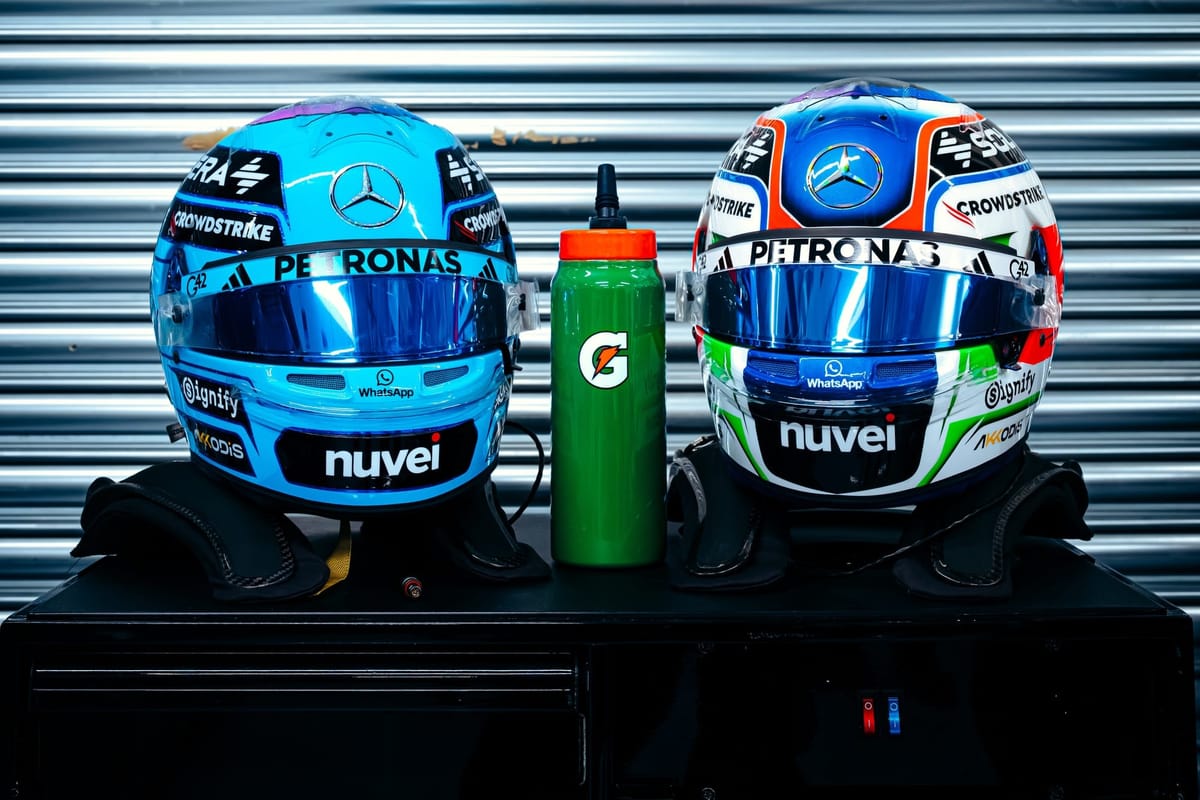
For a company as big and well known as PepsiCo, its return to Formula 1 team sponsorship after 34 years away has inevitably prompted some intrigue about why now?
After all, PepsiCo already had its foot in the door of grand prix racing through a global partnership with F1 that involved three of its core brands: Gatorade, Sting and Doritos.
But there is good reason as to why it has committed to a major tie-up with Mercedes from next year and become involved with a competitor in such a way for the first time since its iconic partnership, using the 7UP brand, with Jordan back in 1991.
As Eugene Willemsen, CEO of international beverages at PepsiCo, told The Race in an exclusive interview, the rapid evolution of F1 made it a no-brainer to get involved again.
"It's been about finding the right fit at the right time," he said. "We've been deliberate about where and how we invest in sports partnerships.
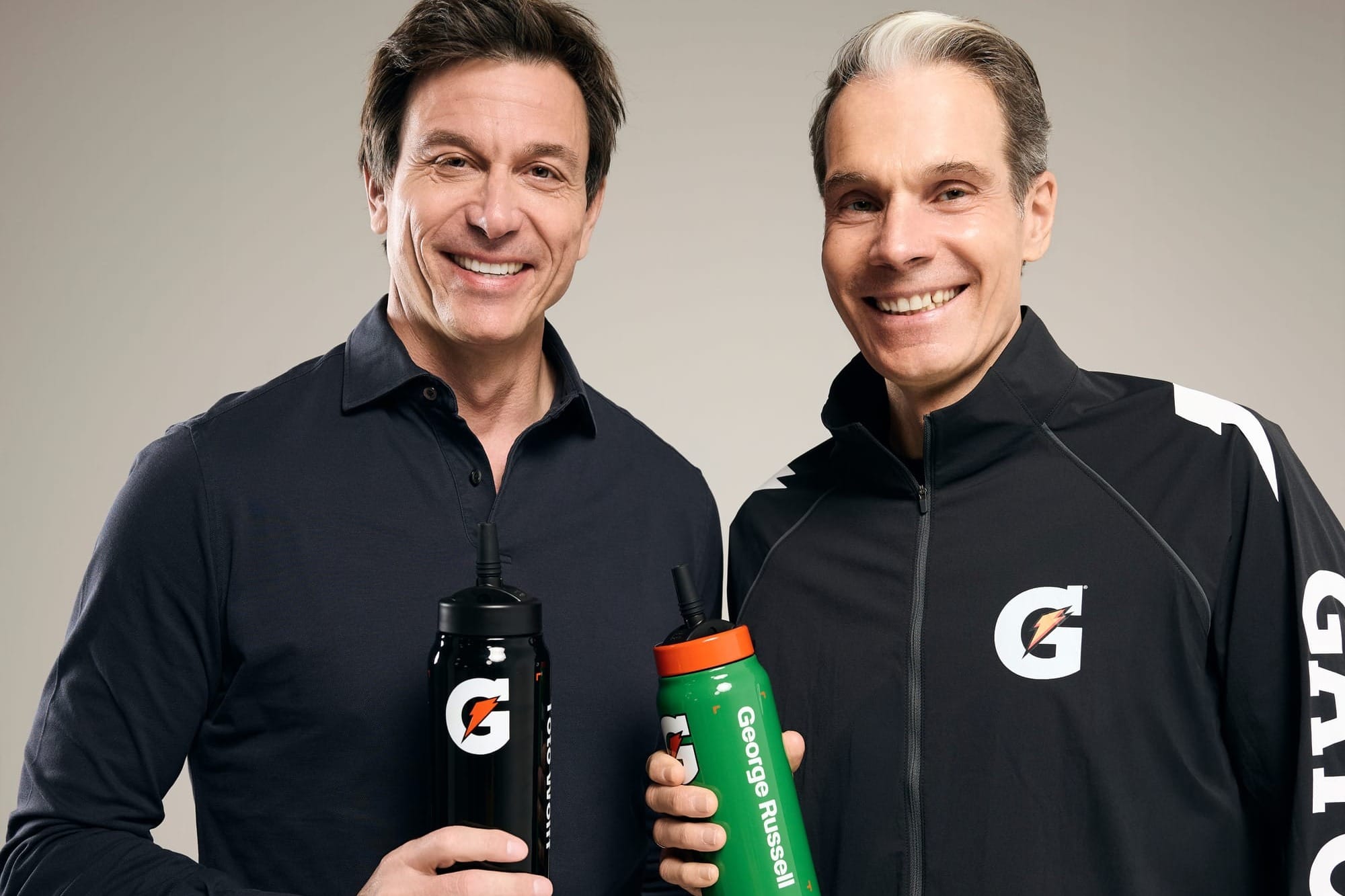
"Over the past three decades, we've built best-in-class relationships across football [with UEFA and FIFA], gaming [EA Sports], and individual athletes. Those partnerships delivered tremendous value and were the right priorities for our brands during that period.
"F1 has evolved dramatically in recent years. The sport's global growth, its appeal to consumer cohorts that love our brands, and its expansion into markets where we have strong brand positions - particularly with Sting in India, Pakistan, Vietnam and Egypt - created an opportunity that simply makes more sense now than it would have a decade ago.
"We also waited for the right partner. Mercedes represents the pinnacle of the sport - not just in terms of championships, but in their approach to innovation, performance, and how they engage with fans globally. That alignment of values and ambition was essential for us.
"It's also fair to say that we now have a wider and more dynamic portfolio to make this partnership truly distinctive."
Picking the brands
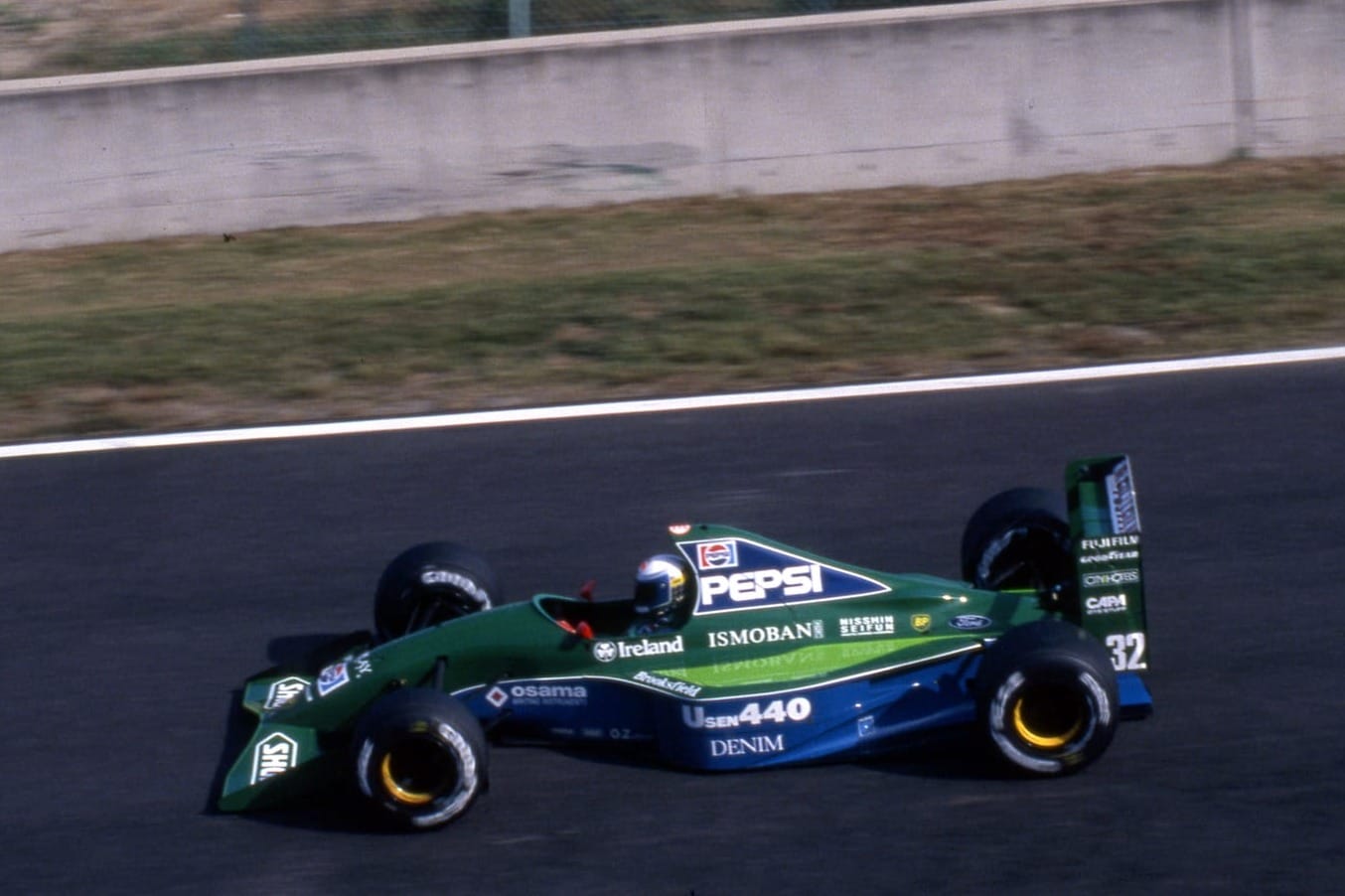
PepsiCo's previous involvement mainly revolved around 7UP, both as the Jordan sponsor or as part of a marketing deal it had with Williams in 2002. (Although the Jordan 191 did run with Pepsi logos at the 1991 Japanese Grand Prix.)
For its current involvement in F1, PepsiCo has gone in a completely different direction, using three brands that it is looking for big growth from.
There is energy drink Sting, a market leader in the countries Willemsen listed, plus snack brand Doritos. But the face of the Mercedes deal will be sports drink Gatorade, for reasons that Willemsen was clear about.
"Every partnership should be about fit and relevance," he said. "We looked at which brands in our portfolio could bring the most authentic value to F1 and to the Mercedes team specifically.
"Gatorade is the natural lead here. For 60 years, Gatorade has been synonymous with elite athletic performance.
“The Gatorade Sports Science Institute [GSSI] has worked with athletes across every major sport, and F1 presented a unique opportunity to apply that expertise in an environment where hydration science directly impacts competitive performance. That's not a marketing story - it's a genuine performance partnership."
Willemsen added: "Each brand brings something specific and valuable. Together, they create a partnership that's more powerful than any single brand could deliver.
"That's the advantage of PepsiCo's portfolio: we can match the right brands to the right opportunities in ways that drive authentic engagement."
The performance element
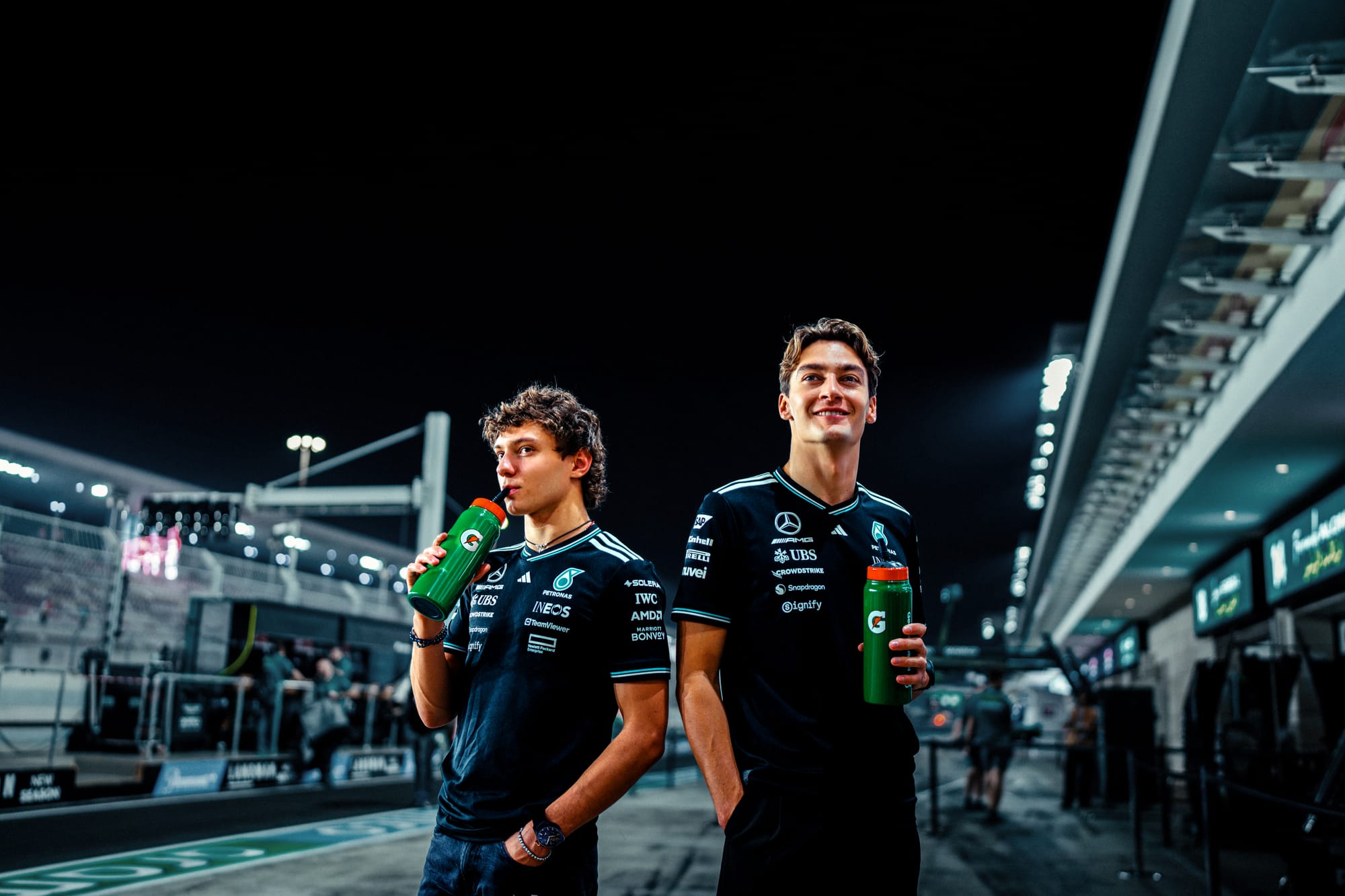
With the Gatorade involvement, Willemsen said working with Mercedes offers an opportunity to "go even deeper into the sport through a team, its drivers and its personnel".
That is because, as part of the agreement, PepsiCo will work on team performance too through work from the Gatorade Sports Science Institute.
There are gains to be had working directly with high-profile drivers such as Mercedes' George Russell and Kimi Antonelli.
Willemsen added: "That driver connection - creating content, engaging fans, telling authentic stories - is something you can only achieve through a team partnership."
This isn't about recreating the past
The Mercedes deal has inevitably stirred up memories of that iconic 7UP deal (and look) with Jordan, something that is still talked about today.
And while the incredible impact of that single 1991 campaign is something that will probably never be repeated, Willemsen was clear that the aim of joining forces with Mercedes is not about trying to capture some of that past magic.
"The 7UP Jordan partnership was absolutely iconic and, yes, it's remarkable how it continues to resonate decades later," he said.
"That bright green livery became synonymous with an era of F1; it was bold, distinctive and captured people's imaginations. It proved that the right brand, on the right car, in the right moment, can create something that transcends sport.
"But we're not trying to recreate 1991. We're building something for 2026 and beyond.
"What made that partnership iconic wasn't just the livery - it was authenticity, boldness and cultural timing.
"Those same principles guide this partnership, but the execution reflects where F1 and sports marketing are today.
"If we do this right - if we bring genuine value to team performance, create compelling content with George and Kimi, and deliver experiences that connect fans to the sport in new ways - this partnership will create its own iconic moments."