How Gen4 could make Formula E part of the F1 feeder ladder
A greater understanding of the technicalities and multi-functioning skills in Formula E - and the way they transfer to Formula 1 - will be one of the key attractions of the Gen4 era for aspiring drivers.
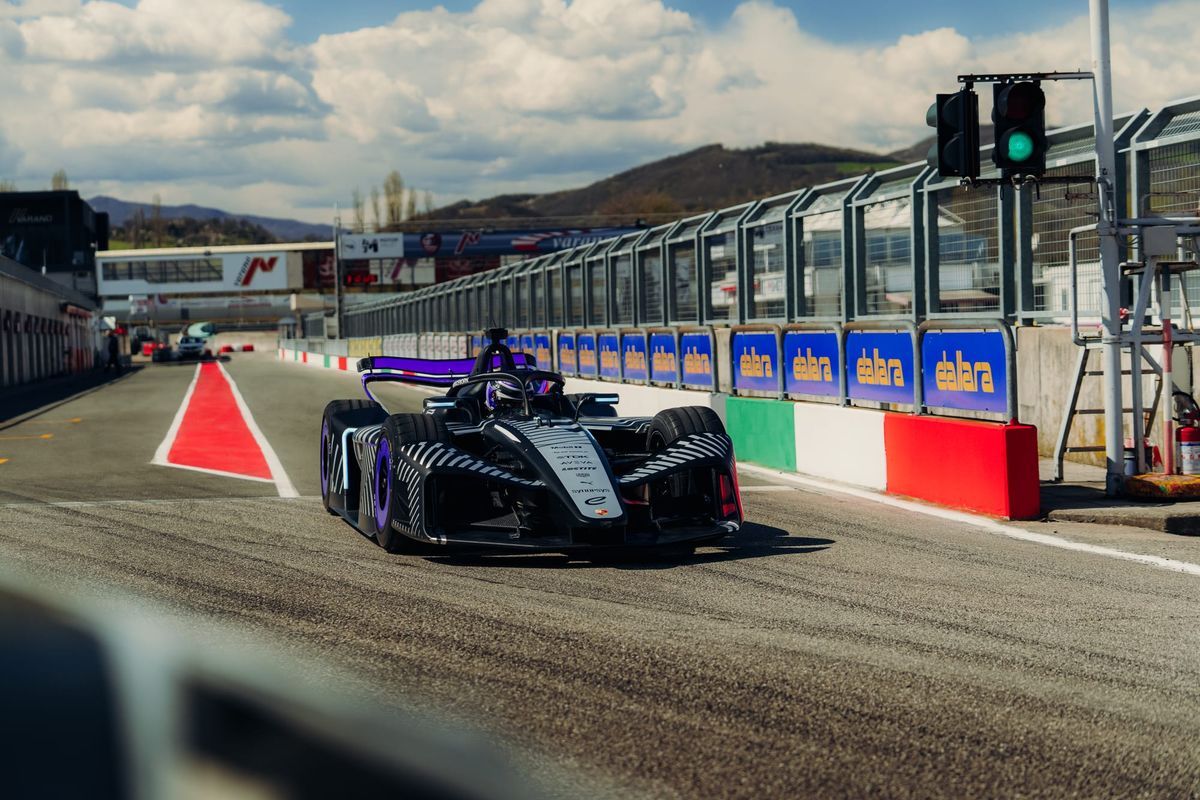
That's the view of Gen4 development driver James Rossiter, who since late-2024 has led the new Formula E car's on-track programme along with the FIA, in conjunction with Spark Racing Technologies and key suppliers Bridgestone (tyres), Podium Advanced Technologies (battery) and Marelli (front powertrain).
In that time, the former BAR-Honda and Force India F1 tester has accrued thousands of kilometres of running across Europe before the manufacturer cars were delivered to the five initial signatories (Porsche, Nissan, Jaguar, Stellantis and Lola) of the new ruleset last autumn.
"Something that's really exciting with Gen4, is that it is bringing us closer to the performance of F1," Rossiter told The Race.
"If I'm perfectly honest, I'm finding the new [F1] rules rather overcomplicated.
"It's difficult to understand for the fan in terms of the way that F1 managed the deployment over a lap and the regen. I think that's quite a confusing one. I think that actually if the fans can get their heads around what's going on in Formula 1, they're going to fall in love with Formula E because it simplifies that in a beautiful way."
Energy management over the course of an E-Prix duration, where technical strategy is an intrinsic part of the sporting format via energy management, attack mode deployment, and now fast-charging pitstops, appears to give most Formula E races a structure compared to grands prix.
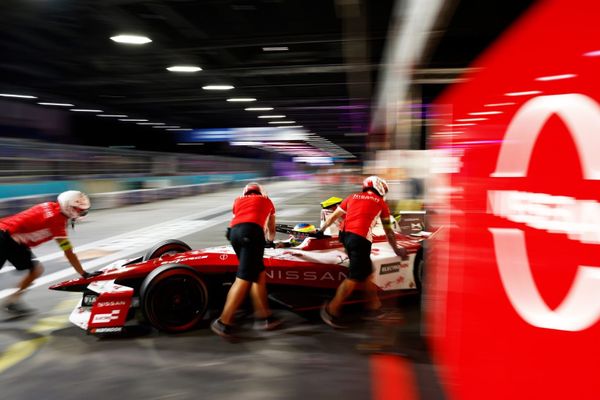
That seems especially so now that the FIA has amended the Pit Boost races, which prior to this season, co-existed with a pair of mandatory attack mode hits. That has now changed to just one attack mode option of six minutes in the pitstop races, simplifying the action significantly.
"Drivers can go faster some laps [in Formula E], and you can have a few laps where you can move through the pack and you can manage your whole race, whereas in F1 they're trying to manage the actual laps, which I think is a bit more confusing," reckoned Rossiter.
"I love the way that motorsport has evolved in Formula E, and I think the racing is great. Anybody who likes the modern version of Formula 1 in the 2026 season, they're going to really love what Formula E is bringing in Gen4."
Rossiter specifically pinpointed Formula 3 and Formula 2 drivers changing route in their careers and potentially Formula E becoming a proxy route to F1 much more in the future.
"The great thing is that it gives all these brilliant drivers that we see in F2 and Formula 3, that maybe don't get the chance to go into F1, they have a brilliant alternative now," he said.
"To come into a world championship, showcase their skills, and I genuinely believe that anybody who can come and race well in the Gen4 car will gain knowledge that will enable them to make the jump to F1, where they will gain knowledge that will be directly applicable to racing in F1 in the future."
Few junior single-seater drivers have come directly from F1 feeder series in Formula E's 12-year history with notable recent exceptions being Cupra Kiro's Pepe Marti and Lola-Yamaha Abt driver Zane Maloney.
Additionally, four current Formula E drivers - Nick Cassidy, Norman Nato, Sebastien Buemi and Jake Dennis - as well as two test and reserve drivers - Stoffel Vandoorne and Oliver Turvey - have been assisting F1 teams in recent months in sim testing the new enhanced electrical challenges of the 2026 ruleset.
To Rossiter, these factors mean Formula E could become a serious consideration for young drivers to race in as part of their F1 aspirations.
"We're going to be able to go out there with this Gen4 car, with almost the same amount of power, but with four-wheel drive, and we will have absolutely flat-out qualifying laps, and the drivers will have to put everything on the line," said Rossiter.
"That's something that's truly exciting for Formula E, and something that I think is going to differentiate us from the current Formula 1 ruleset."