What we've learned about Aston Martin and Honda changes
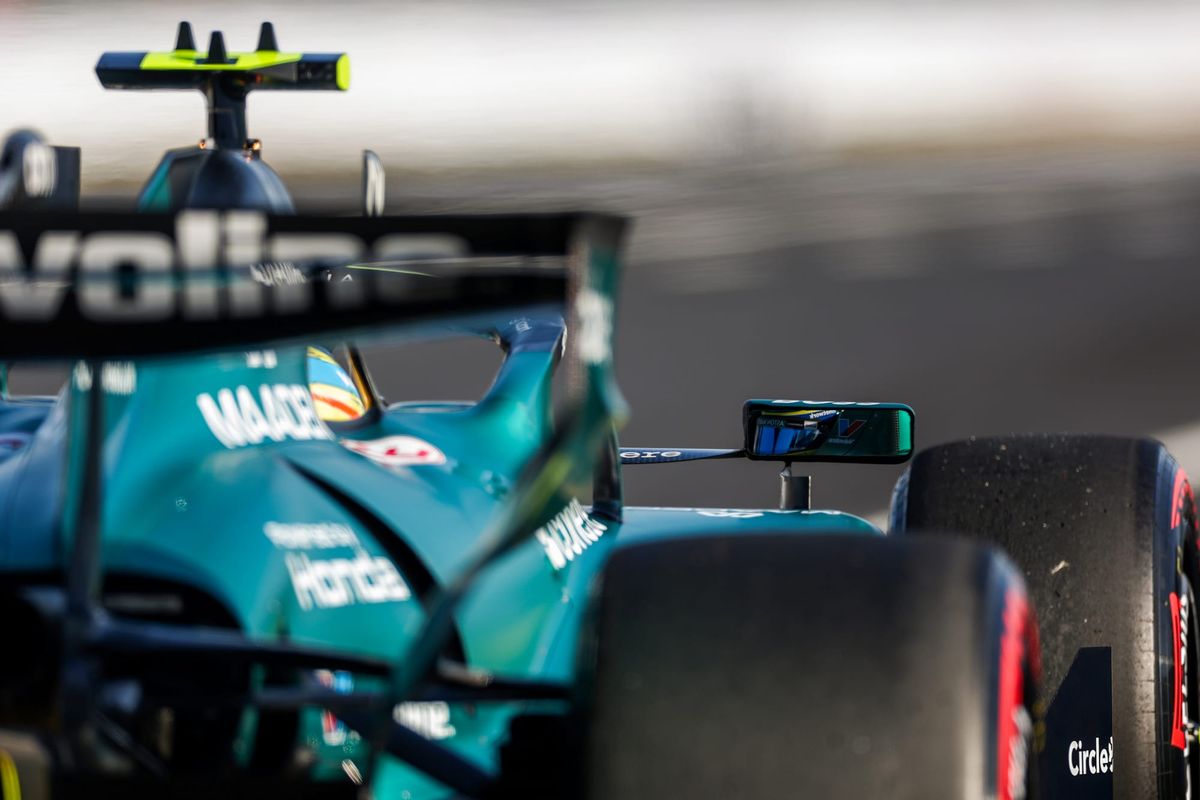
Honda has made hardware changes to its Formula 1 engine that will be introduced alongside Aston Martin car improvements at the Miami Grand Prix.
The new works partnership has had a troubled start to 2026 with Aston Martin’s cars stuck at the back of the grid - and sometimes the outright slowest - in the first three rounds, and Honda has borne the brunt of the scrutiny for the problems as severe vibrations have caused driver discomfort and battery reliability issues.
Short-term countermeasures gradually mitigated the worst of the troubles, which at least allowed Fernando Alonso to finish a lapped 18th at the previous race in Japan – Aston Martin-Honda’s first classified finish of the season.
A longer gap between then and this weekend’s race in Miami, facilitated by the cancellation of the Bahrain and Saudi Arabian GPs, gave Honda the chance to pursue more changes while Aston Martin has been able to chase much-needed aerodynamic improvements and weight saving gains in its chassis.
There is a reluctance within the partnership to disclose much information about what is being improved, information about the engine's energy harvesting capacity, or detail points about specification changes.
That can lead to a degree of caginess in Aston Martin and Honda technical briefings with media, although some information has emerged ahead of Miami.
Asked by The Race if Honda’s work included hardware changes, lead F1 trackside engineer Shintaro Orihara said “we can’t say the detail points” but confirmed this was the case for reliability.
There had not previously been a formal specification change on the engine side, but Orihara suggested early-season efforts had included “a lot of countermeasures mechanically”.
Honda and Aston Martin are being cagey about specifics so it is unclear if this is seen by them as a first specification change of the season – which is permitted for reliability reasons, while performance upgrades cannot be introduced until the FIA gives permission.
Whatever the extent of the change it is designed to further mitigate the vibration problems and improve Honda’s reliability situation.
At Suzuka, Aston Martin had trialled an experimental part - believed to be in the steering column - on Friday which helped reduce the vibrations significantly.
That was not raced, though, and is understood to not be on the car in Miami because the progress made in engine development should mean it is not necessary. It was a way of treating the symptoms and what Honda has introduced for Miami should directly address the cause.
“We have worked on a large package to reduce the vibrations - at the source, but also in terms of mitigation to all the systems, including the driver,” said Aston Martin chief trackside officer Mike Krack.
What reliability improvements mean for how aggressively Honda can run its engines is unclear. It has previously been limiting their RPM but Krack said on Thursday they would not comment on the operation of the engines.
Honda also declined to comment on whether the electric part of the engine was actually capable of recovering energy using the MGU-K at full power in reverse, to maximise the new rules in effect from Miami onwards allowing such ‘super clipping’ at 350kW.
Testing with a car at Sakura
The progress made has been influenced at least partly by Aston Martin keeping a car in Japan after the Suzuka race at the end of March so Honda could incorporate it into its development work at its Sakura facility.
Until now, Honda has not been able to develop and test its engine while connected to the chassis itself. This was potentially a consequence of the late completion of the AMR26, which technical chief Adrian Newey pushed the build of aggressively. It was not possible to do at Aston Martin’s team base at Silverstone because that is not kitted out with the required equipment.
Having a chassis at Sakura helped with this, as Honda could examine the engine on the dyno while connected to the car itself, with more sensors fitted giving them more to monitor than is possible when the car runs on track in reality.
It also included Orihara sitting in the car during some of the testing to experience the vibrations first-hand.
“We found some good progress on vibrations,” said Orihara. “Then we introduced the countermeasures into this event.
“We found good progress on the engine's battery side, and also we can see some good progress on vibrations for the driver.
“So we are interested to see how that works here.”
How that Sakura works fits into the timeline of Honda’s improvements is not exactly clear. While it would have been valuable to identify specific areas to improve, and has influenced what has been changed for Miami, other bigger changes would have been in the works for longer.
“Four weeks is not long when you start to implement big hardware modifications,” said Orihara.
“But in Sakura they worked very hard to bring some countermeasures.
“Again, I can't explain the detailed point, but definitely they worked very hard to bring countermeasures here.
“That was amazing to see.”
Honda is waiting for the FIA to confirm how many upgrades each manufacturer is or is not eligible for, and also for the outcome of a vote on whether to scrap the cap on cumulative upgrades in a season.
Until then it cannot introduce performance-based changes to the engine, but this is a longer-term project anyway.
Asked if Honda understands how to improve the engine, should upgrades be permitted, Orihara said: “We have some ideas. But I can't explain the ideas, sorry.”