Seven things we need to know from F1’s Canadian GP
The Canadian Grand Prix has an important role in the Formula 1 season this year and not just because strange calendar disruptions mean only getting to round five by the end of May.
After just one F1 race in seven weeks, Canada marks the start of seven in 10. It is time for teams to start building momentum and for a narrative to actually form, so what happens in Montreal should be critical for setting up several on-track battles over a crucial period - and answering a key off-track question, too.
Will Mercedes move back clear?
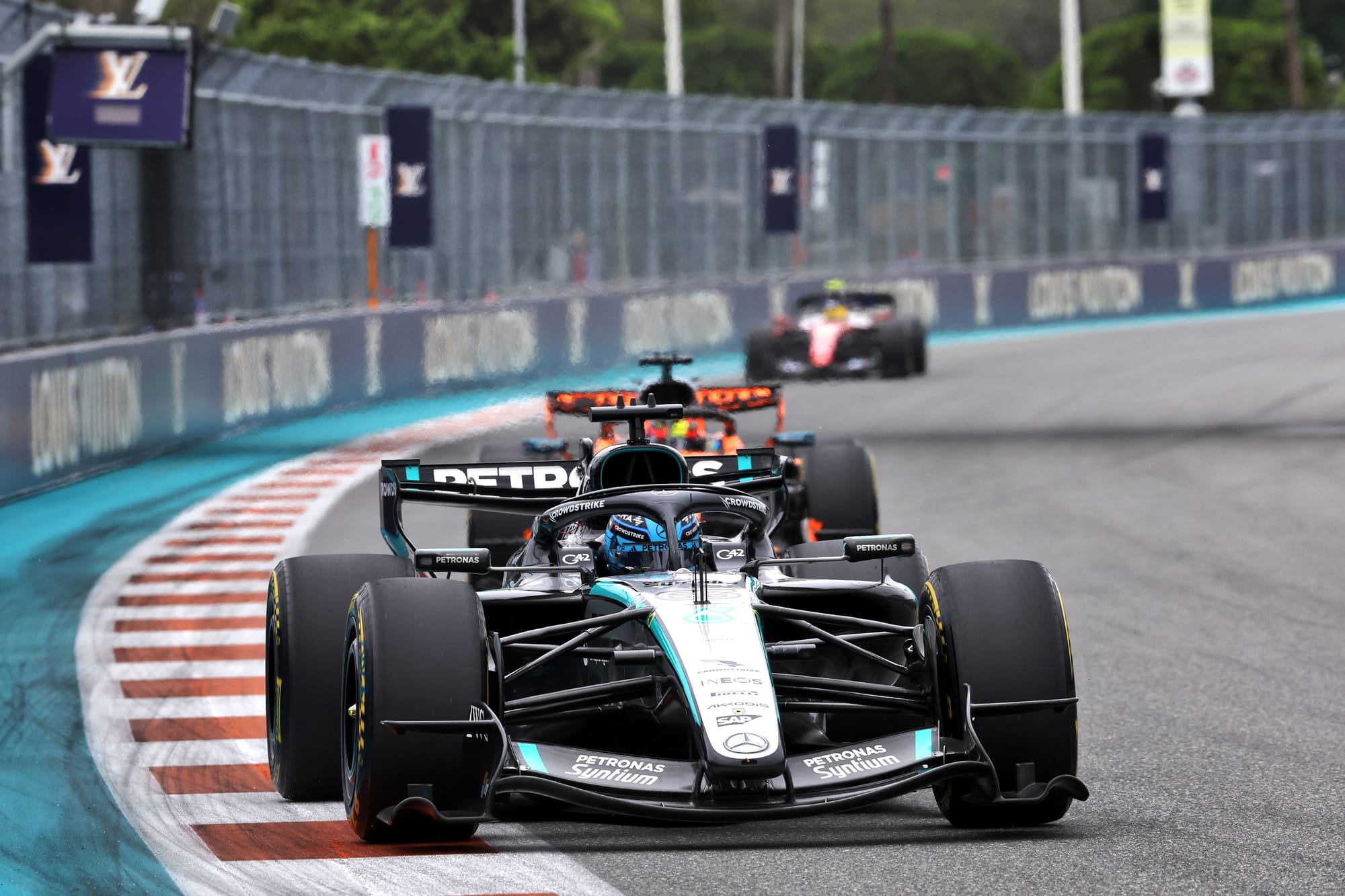
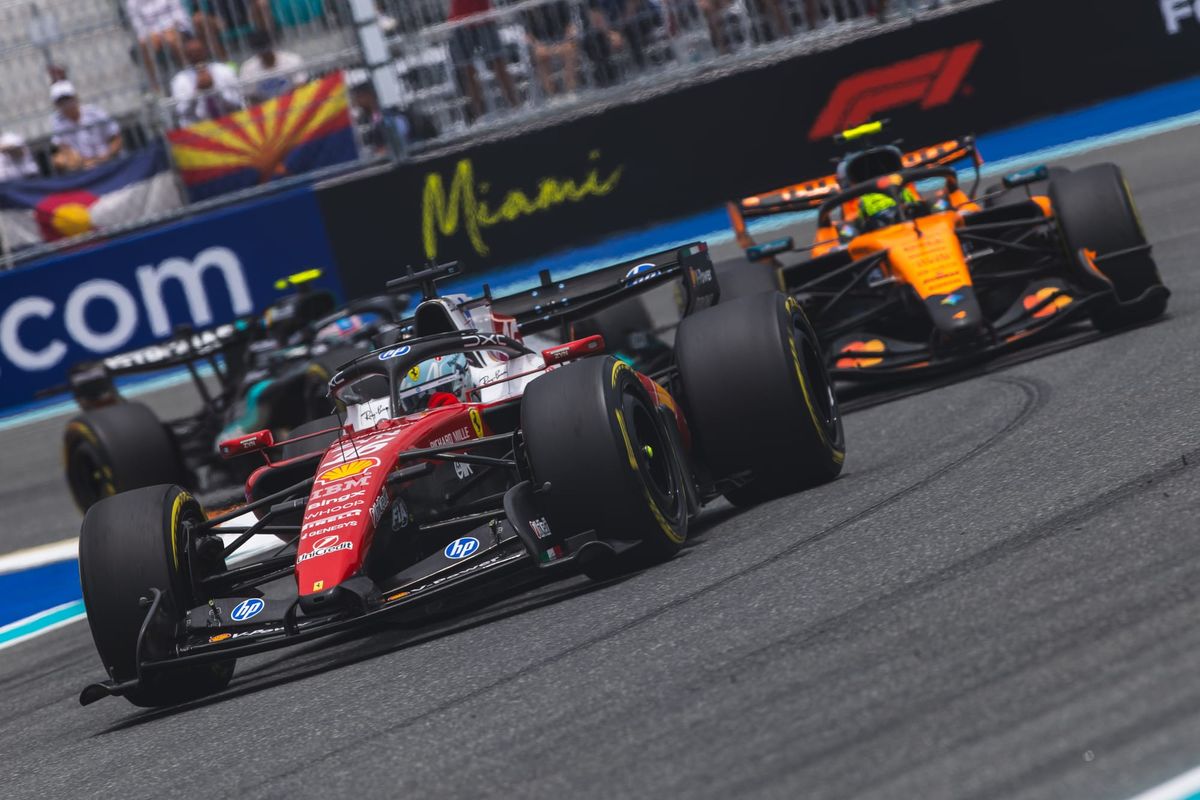
Having been beaten competitively for the first time this season in the Miami sprint race by McLaren, Mercedes was then just one strategic decision away from losing the grand prix as well.
Its perfect start to the season was disrupted and the runaway favourite for both championships already looks more vulnerable.
But will it move the goalposts again in Canada? A tougher Miami was partly to be expected, given McLaren, Ferrari and Red Bull all brought major upgrade packages there. But part two of the opening salvo in the development war will come in Canada, where Mercedes will bring its first real upgrades of 2026.
As Toto Wolff put it: "Our competitors took a step forward in Miami and we need to respond."
In the early races it wasn't just Mercedes' engine that was praised for its potency. McLaren was adamant it had a chassis and aerodynamic deficit to the works car, and even when rivals had everything optimised in Miami, Mercedes seemed to still have a tiny advantage. So could its first upgrade package put Mercedes' challengers at arm's length again?
The impact on the pecking order will be one of the key lessons from Canada, especially because McLaren will also complete its upgrade package in Montreal, having not had absolutely everything ready for Miami.
McLaren says it has “a number of new components across the floor, chassis, front and rear wings, bodywork, halo and roll hoop”. The ultimate potential of the top two packages will determine not just Canada, but the next run of races, given that major upgrades will not arrive every single weekend.
Will new rules pass a sterner test?
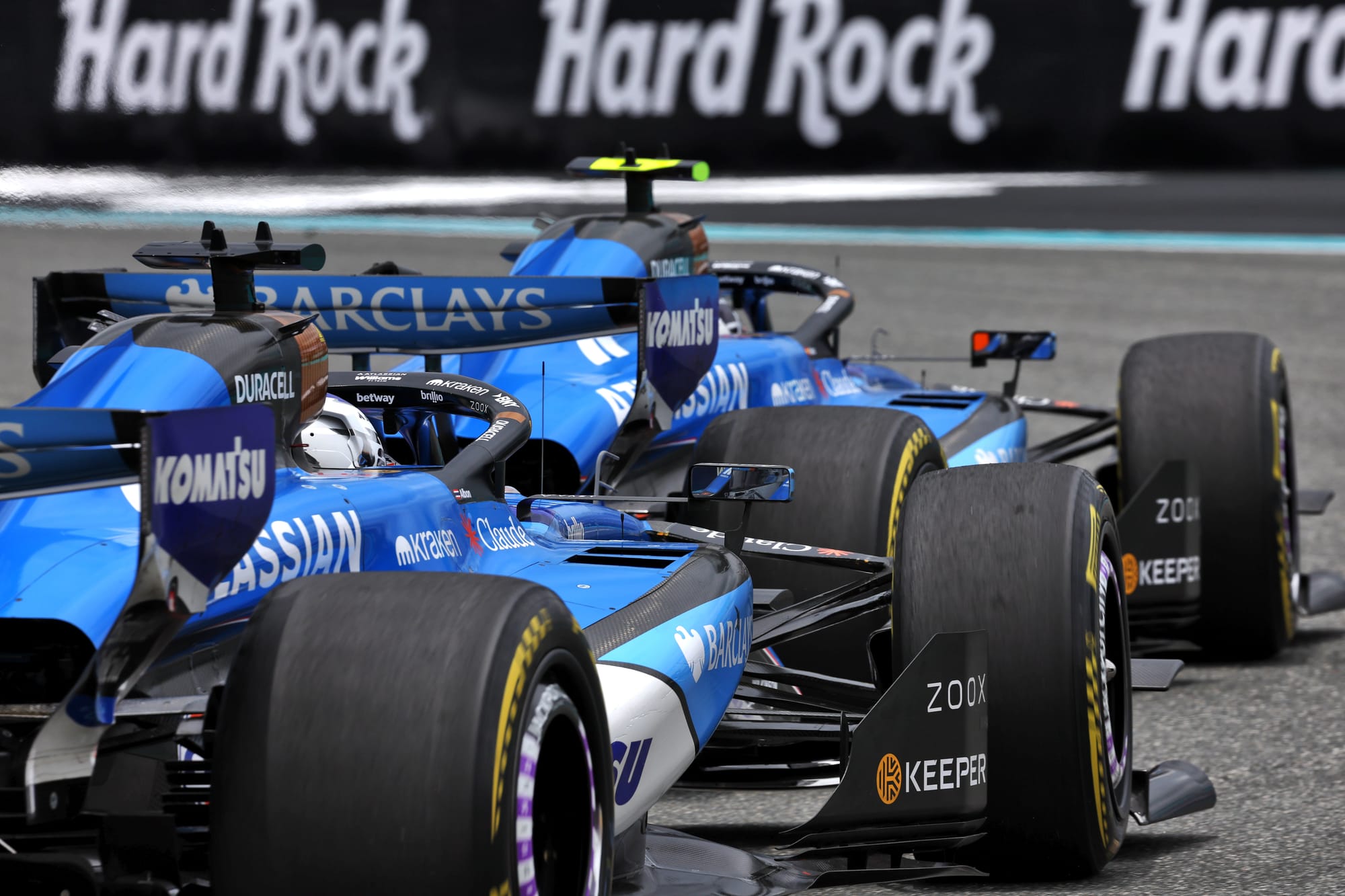
Canada will provide a second and significantly more challenging test of the rule changes F1 implemented at Miami.
These were intended to make qualifying more normal by reducing the extremities around energy management, restricting how much energy can be charged in certain scenarios, and how much can be deployed at specific points of the lap.
Miami was a more conventional weekend. Qualifying featured far less of the most jarring elements of F1 2026 - the unconventional charging demands, the speed ramp-downs at the end of straights - and drivers were broadly of the opinion it was a step in the right direction.
But that verdict came with an asterisk: Miami was always likely to be kinder to these energy demands anyway, given the circuit offered numerous charging opportunities and only a handful of places where maximum deployment was truly critical.
Canada is a very different proposition. Overall, Montreal is expected to be one of the toughest circuits for battery charging. It is not in the absolute top bracket but it's one of the most severe in the FIA's own effective rankings for how much of a charging restriction must be imposed.
So whether the engine is energy-starved here will be far more telling than it was in Miami.
And as was exposed in Miami, what has been changed only fiddles around the edges of energy management. It doesn't change the complexity of running the engines themselves, and how the drivers must manage state of charge and throttle positions with precision for the start of their qualifying laps.
Williams boss James Vowles said: "It's far too much that we're asking the drivers to do." Canada will give a better indication of what a more severe version of that problem looks like.
Has Red Bull already overtaken Ferrari?
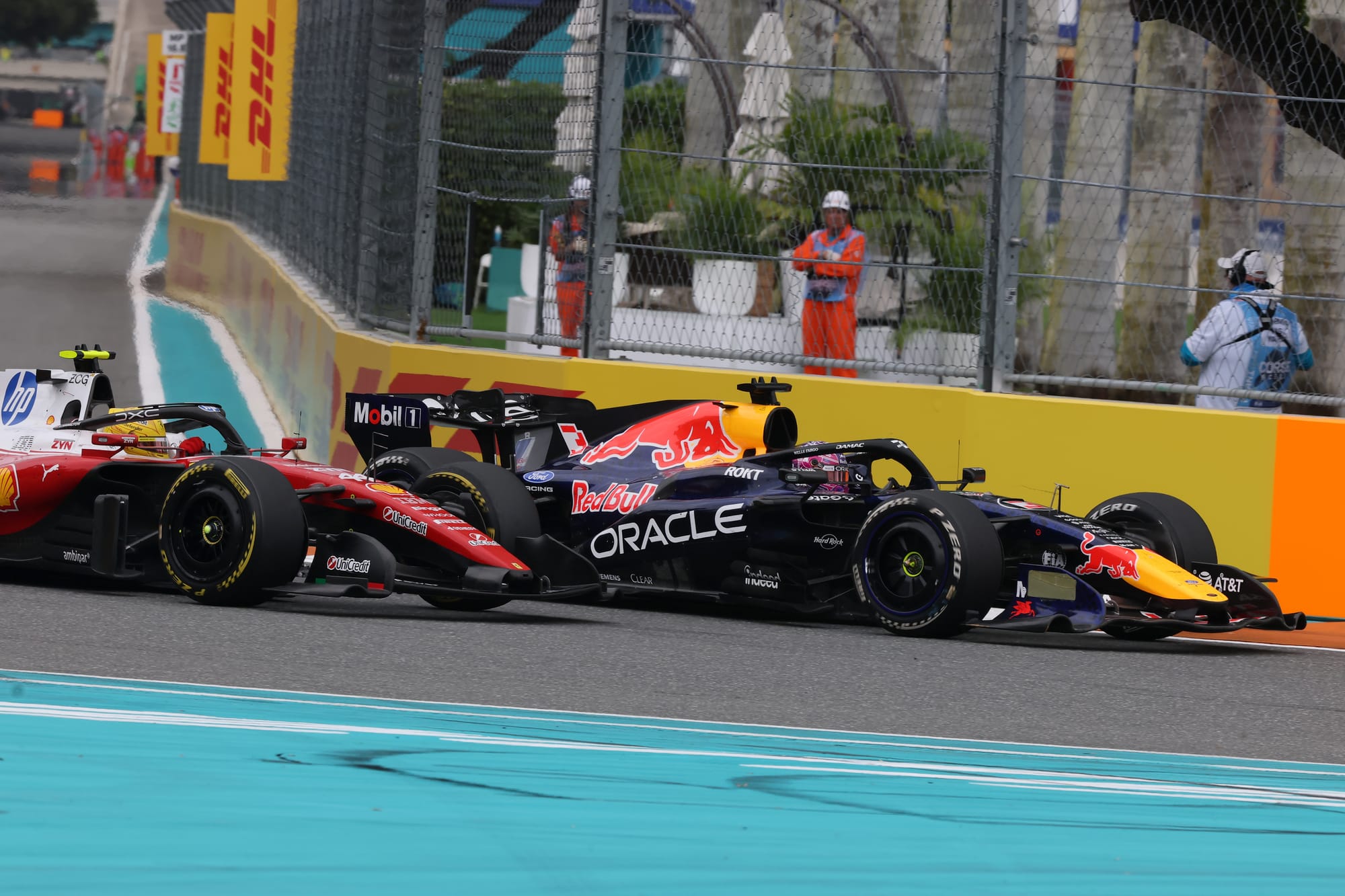
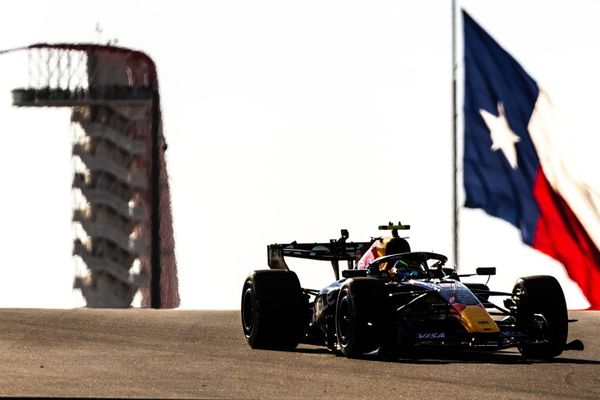
Behind the two Mercedes teams, Red Bull has rapidly re-established itself as part of the lead group, and in Miami appeared to have pulled level with Ferrari. This was despite Ferrari bringing its own major upgrade package, and its ultimate pace looking promising.
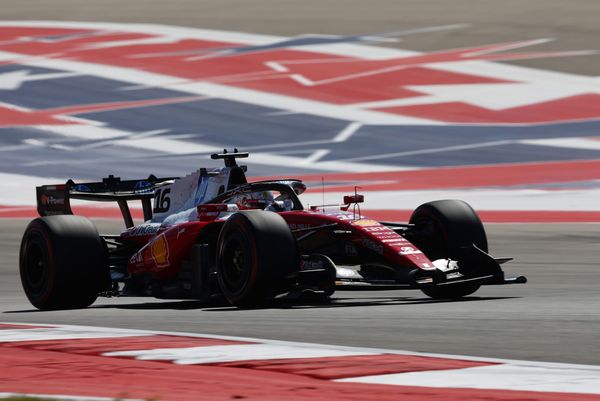
But Ferrari gradually slid back yet again through the Miami race. And having started the year with what some considered the best chassis, that's cause for at least mild concern.
Canada will help us understand whether this part of the pecking order was particularly influenced by factors like track layout and team optimisation, plus if anything else moves the needles - like Red Bull technical director Pierre Wache teasing “some minor updates this weekend”.
As much as it would be a massive boost for Red Bull to confirm itself as third-best team or close to it, Ferrari risks slipping back from best-of-the-rest status at the very first significant upgrade cycle.
However, if Ferrari tidies up its issues and proves it has genuinely taken a step, Canada could produce the inverse of recent years. This circuit has not brought out the best of either the car or the team's operations recently, and Ferrari is without a Canada podium since 2022. If it is outside the top three again, and even worse behind Red Bull, it would be a clear blow.
Is there a one-team midfield?
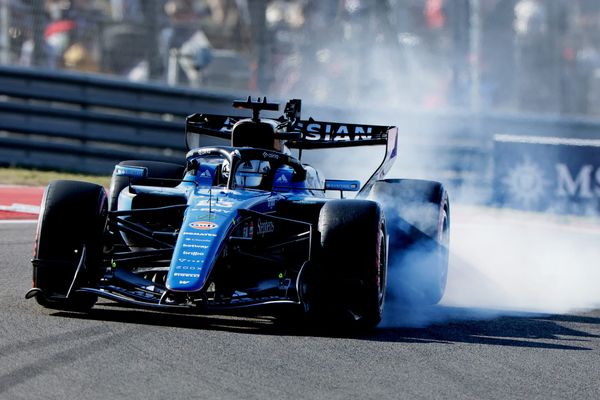
The picture back in pre-season testing, and the opening round in Australia, suggested F1's rules overhaul would split most of the grid into a very clear Class A and Class B, with Aston Martin and Cadillac then in their own group right at the very back.
Red Bull's fluctuating form made the upper-midfield divide a little murky at times, especially in China and Japan. But its resurgence in Miami emphatically re-established the Big Four.
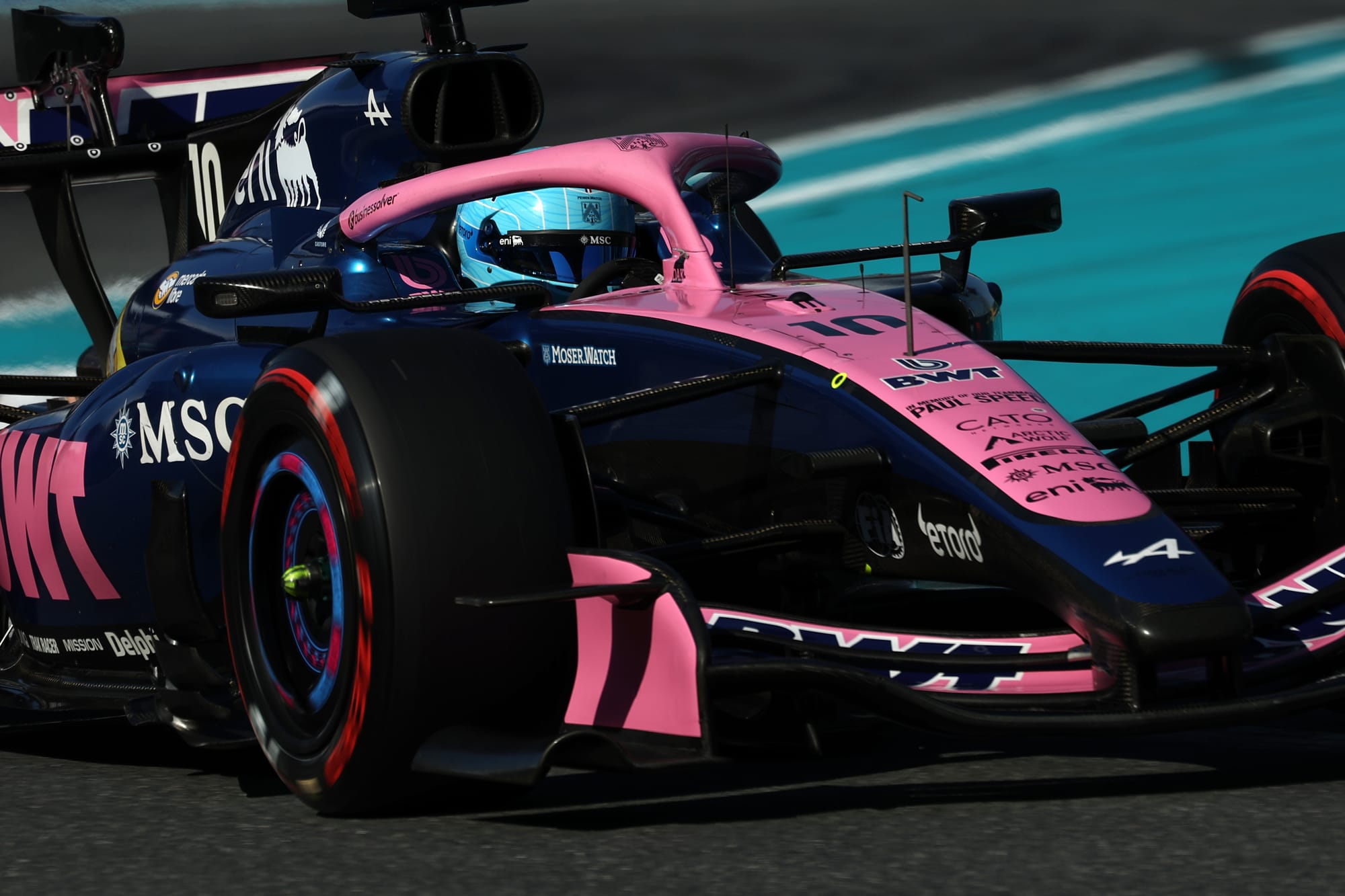
Interestingly, though, Alpine has very solidly established itself between Class A and Class B, almost equidistant from the leading teams and the rest of the midfield. It is on its own almost as a one-team midfield.
This was helped by a substantial upgrade package in Miami, as well as improved operations across both cars, including a lighter chassis for Franco Colapinto, and it is no coincidence that this allowed Alpine to score points for both cars in a race weekend for the first time in 18 months.
Alpine is very aware, though, that its Miami position was potentially flattered by others bringing little or nothing in terms of upgrades. Managing director Steve Nielsen cautioned: "What we see [in Miami] may not be what we see in Canada, Barcelona or Monaco."
Beyond seeing how well the Alpine package works with another circuit layout in Canada, the key question is how much upgrades from Racing Bulls, Haas and Audi will close the gap. Haas, for example, clearly has something significant prepared as team principal Ayao Komatsu said: "We're all looking forward to having this package to fight in the top 10."
It will help clarify whether the midfield fight is really a free-for-all, or whether Alpine can reliably annex the final spots in the top 10 consistently.
Can Audi clean up its problems?
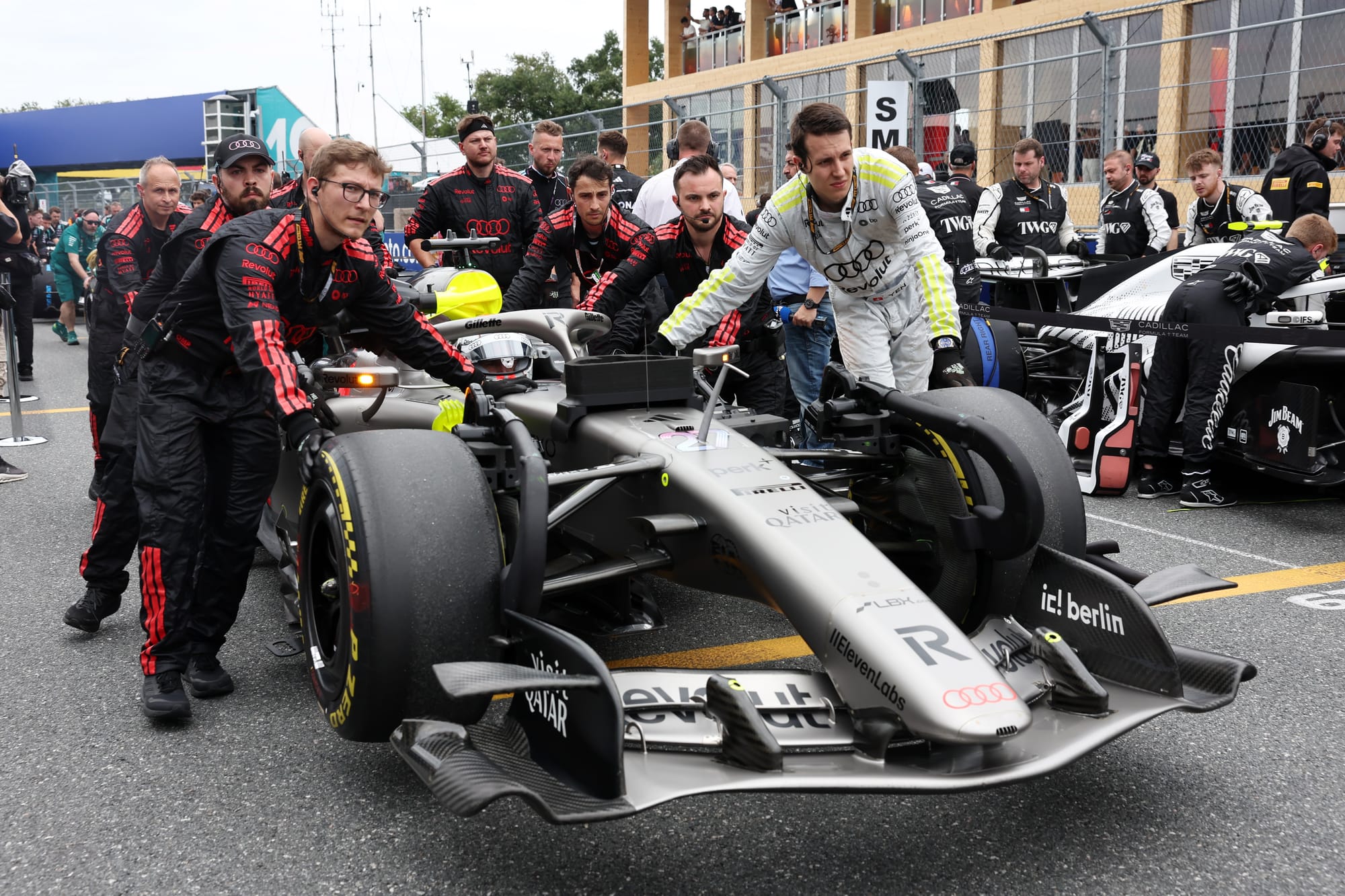
Audi's reliability record has been extremely poor so far this season and it was in all sorts of bother in Miami, even with a month to get ready for that race.
Some issues appear mechanical or engine-related, but operationally there also appears to have been careless errors and sloppy garage work that needs to improve, because there is actually a really quick car here.
Arguably it is the fastest midfield car outside of Alpine, one that should be capable of fighting for points every single weekend. Qualifying performances bear that out, but its return on potential has been incredibly poor.
The core problem is stark: across four grands prix and two sprint races, an Audi has failed to take the start in half of them. There are fundamental architectural limitations with the engine, as a very large turbo appears to affect starts in particular, but those are separate from why the car keeps breaking down.
New racing director Allan McNish has acknowledged “we must clean up a few areas and execute our race weekend well if we want to maximise our speed and potential".
If Audi cannot produce a cleaner weekend in Canada, serious questions must be asked about whether it can get on top of these problems in-season.
How bad is Aston Martin's new priority?
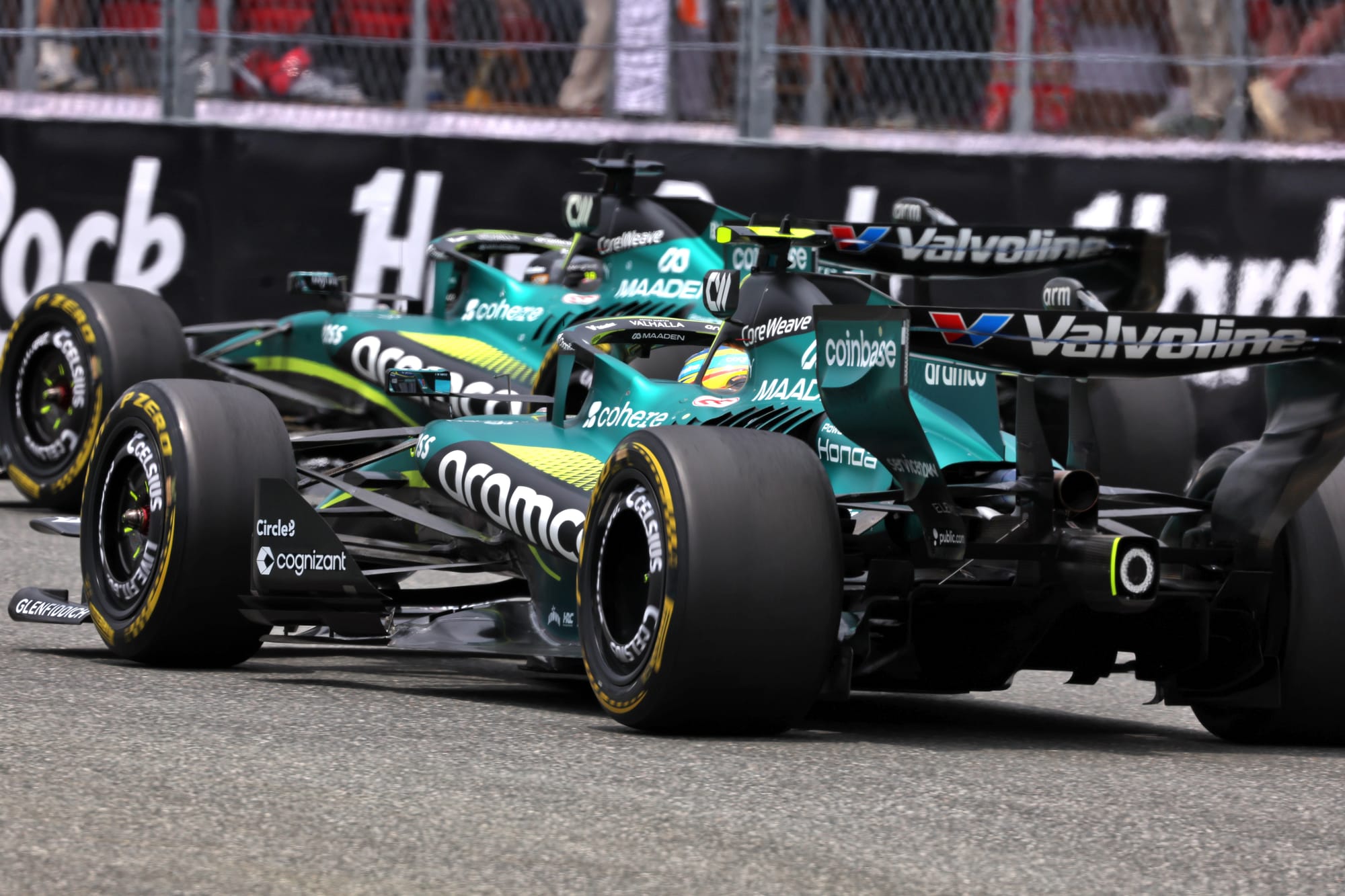
Nothing significant is expected from Aston Martin in terms of performance in Canada, either from the car or the engine.
The car is not being properly upgraded because the underlying work required is too substantial, so the plan is to wait and deploy a more major overhaul later in the season. There may be some further weight removed, but that is the sort of change that will not be visible and may not be formally declared in FIA upgrade documentation.
What did emerge in Miami was a new priority weakness: the gearbox. Downshift synchronisation has been problematic since pre-season testing, though it had not been a priority to address given the engine vibration issues, broader reliability problems and the car simply not working.
The downshifts appear messy and seem to cause significant rear locking, which is a serious concern at a circuit where, as Fernando Alonso has pointed out, heavy braking and aggressive downshifting are critical throughout the lap.
Honda has earmarked "enhancing the driveability" as an important target in Montreal. Trackside general manager Shintaro Orihara said: "If we can give more confidence to the drivers in entering the corners faster and carrying more speed, then we unlock lap time."
But the gearbox is an Aston Martin product, so this is a combination of items trying to address instability and a lack of driver confidence.
Canada will reveal whether this is another major technical challenge to overcome this season, or something the team has been able to mitigate quickly.
Will 'new' 2027 engines get agreed?
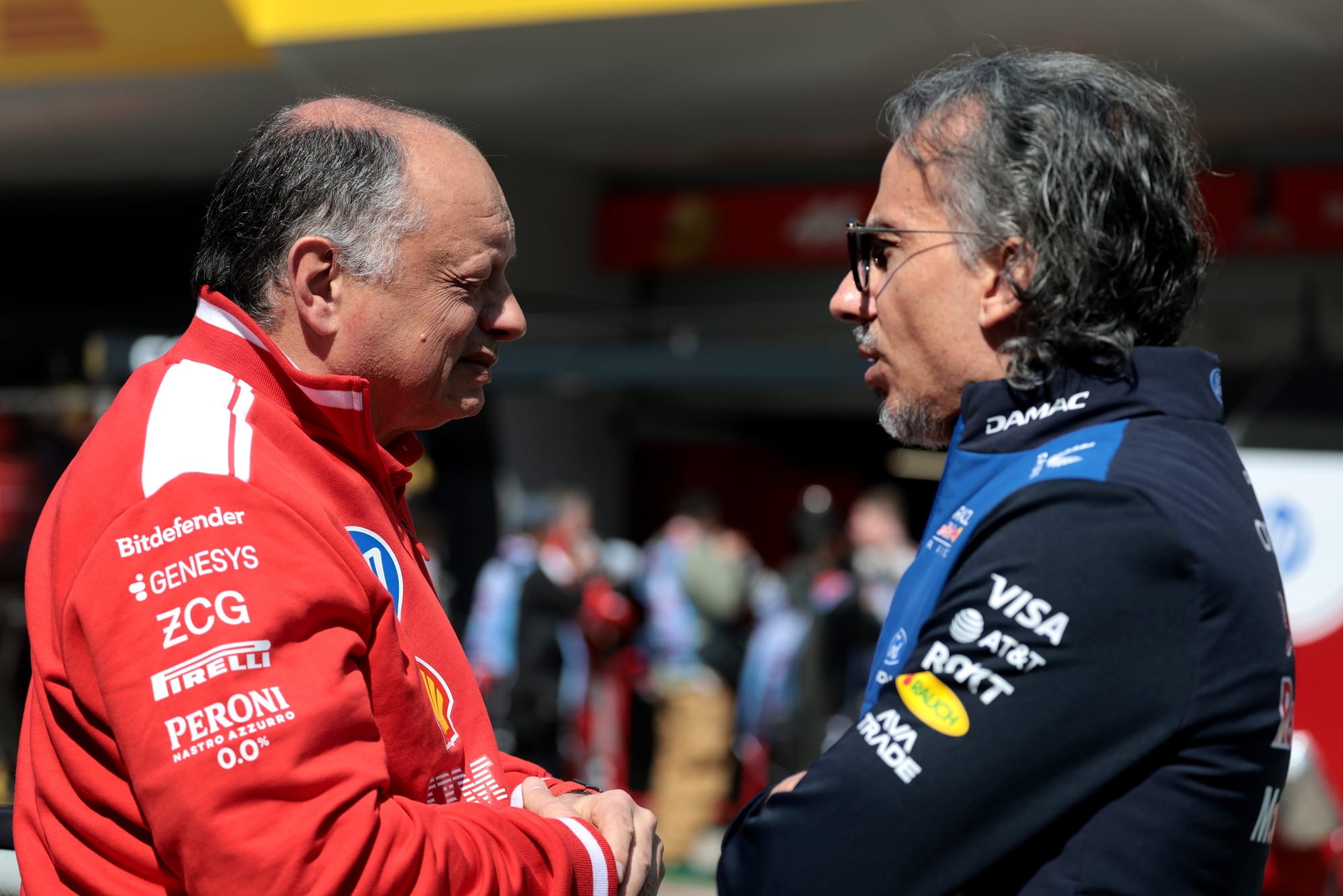
There is also an urgent off-track discussion ongoing to finalise what major changes, if any, will be made to the 2027 engine regulations.
Moving away from the 50-50 split between internal combustion and electric power has been broadly agreed in principle, but the details remain unresolved and a consensus still needs to be reached.
A significant factor in what is being discussed is increasing fuel flow to enhance the internal combustion engine's power output, along with reducing MGU-K output in qualifying.
The fuel flow proposal has direct implications for fuel tank size, making it a decision that must be made as soon as possible. Several teams and manufacturers made clear in Miami three weeks ago that this needed to be imminent, so Canada is potentially a tipping point for whether teams will get the information they need and the plan will get pushed through as intended.
So while all of the on-track action will be defined by the current engine regulations and the changes made to try to mitigate their shortcomings, there is a major off-track battle running in parallel that could take a significant step forward and have big implications for F1's medium-term engine future.