Gary Anderson explains Red Bull's huge front wing addition
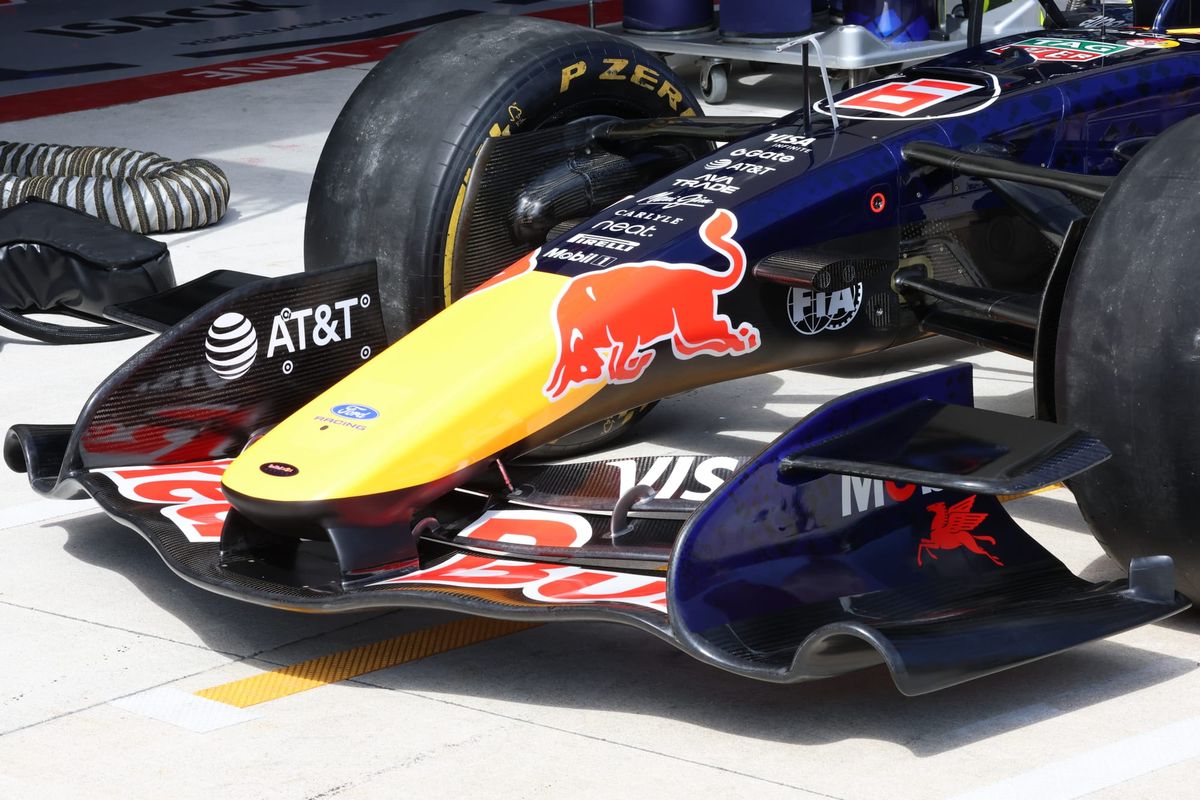
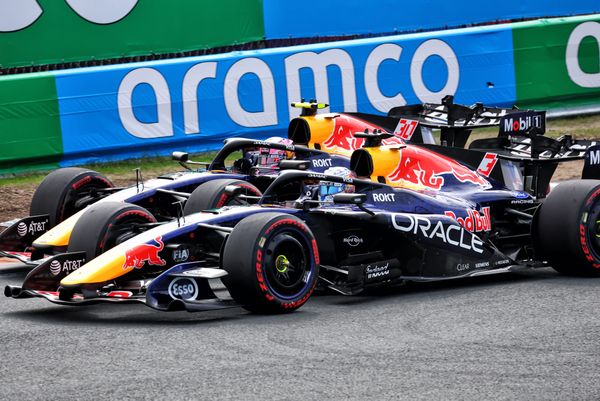
Red Bull's Miami Grand Prix upgrade package includes going from having no diveplane on its front wing to having the biggest of any Formula 1 team.
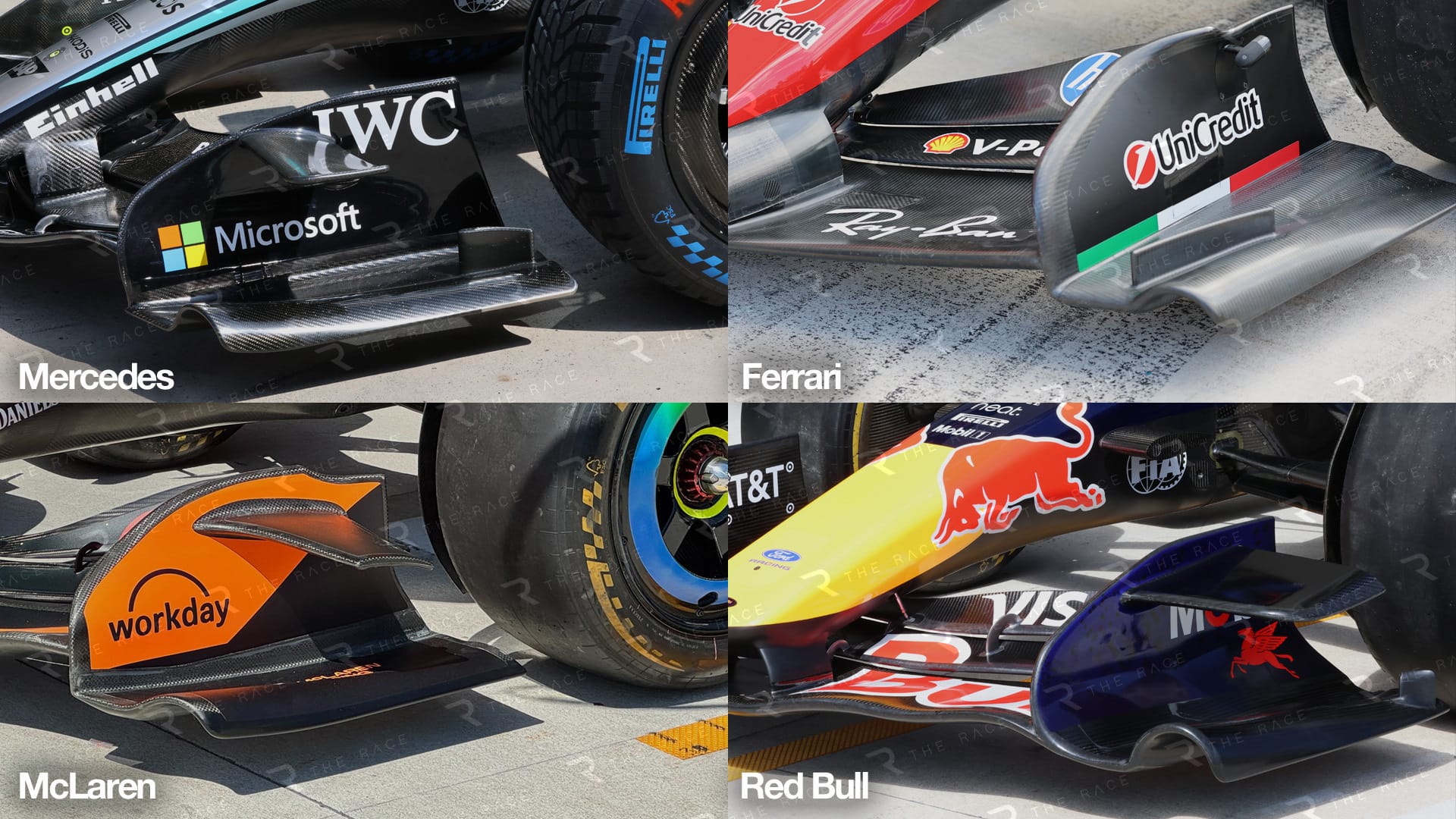
F1's 2026 rules permit a winglet on the outside of the front wing endplate, which has led to various designs from some teams having nothing to others having big, wide winglets.
Red Bull, like Ferrari, previously had nothing whereas Mercedes and McLaren have had wider sculpted designs.
In Miami, the Red Bull front wing broke cover with a bigger, flatter version than either of those teams.
Gary Anderson's view
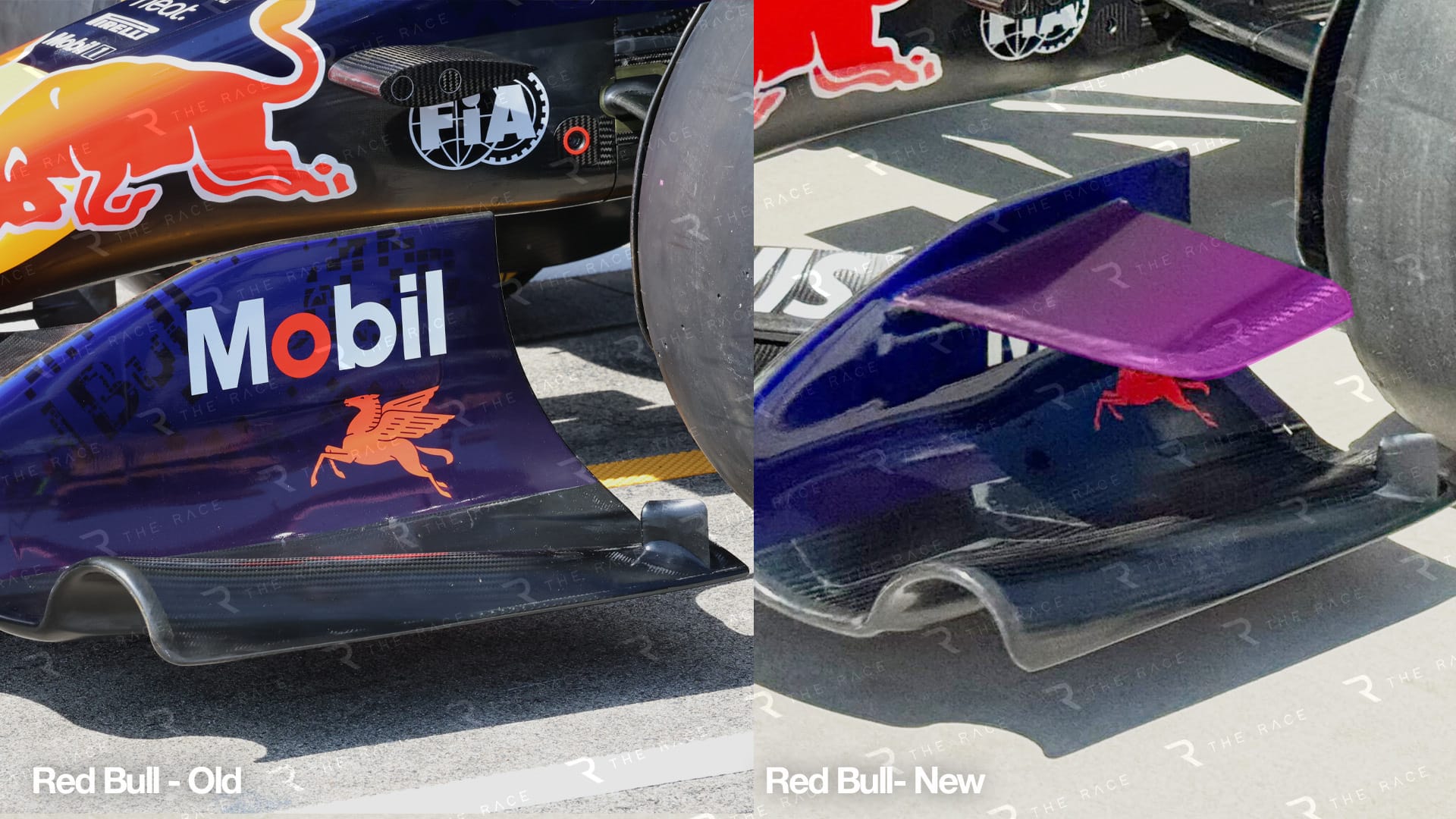
Red Bull, and many others, have brought a host of developments to Miami. It shows that most teams have been working flat-out during this enforced break, but for my part I went on holiday!
Red Bull had quite a few bits missing that others included in their initial designs. This vane on the outer surface of the endplates is an example of one of the components that has been missing. In joining the club, it has created a bigger component than most others.
So what does it do? Basically, when the airflow is hitting the front tyre, it has to decide if it goes over the top or if it goes around the sides. This decision is influenced by the flow pressures around the tyre and how best to fill the void behind the tyre.
Anything that goes over the top actually induces a small amount of lift on the front-corner assembly. If it is going around the outside, which you want, it creates what is called outwash; if it is going to the inside, which you don't want, it disturbs the other downforce-producing devices further downstream.
This vane helps separate the flow that is going over the top and what has to find a different route.
The lower endplate footplate tunnel connects up to the tyre-squirt airflow (the flow that is displaced when the tyre rotates onto the track surface) increasing what is called the outwash, so basically reducing the inwash.
It's all about getting more downforce for less drag by reducing the negatives (lift) as opposed to increasing the positives (downforce). If you go about increasing the downforce it comes with increased drag. Reducing the downforce actually reduces the drag, so improves the efficiency of the complete package.