Why FIA could make 2026 F1 changes drivers want that teams don't
The FIA is heading into Monday’s crunch rules meeting to discuss potential 2026 tweaks armed with clear recommendations from Formula 1 drivers on what they think should change for both qualifying and racing.
That input looks set to add an intriguing dynamic to the get-together of teams and power unit manufacturers who will decide on a potential in-season rules revamp plan.
With drivers having told the FIA the tweaks they think would help improve things, the governing body looks to stand firm in ensuring teams do not back away from meaningful change in what are viewed as critical areas.
This alignment with the drivers was made clear by FIA president Mohammed Ben Sulayem on Sunday night as he hailed in a social media post recent “constructive and collaborative” talks with the drivers over what needed to change.
He wrote: “The drivers have provided invaluable input on adjustments which they feel should be made, particularly in the areas of energy management to ensure safe, fair and competitive racing".
Changes not limited to qualifying
The use of the word "racing" is intriguing because one of the chief complaints from drivers in the early-season events was that the state of the racing was as big an issue to them as qualifying.
While F1 teams have made it a priority to improve the spectacle and challenge of the shoot-out for grid positions, drivers have repeatedly voiced their displeasure about aspects of their battles on Sunday.
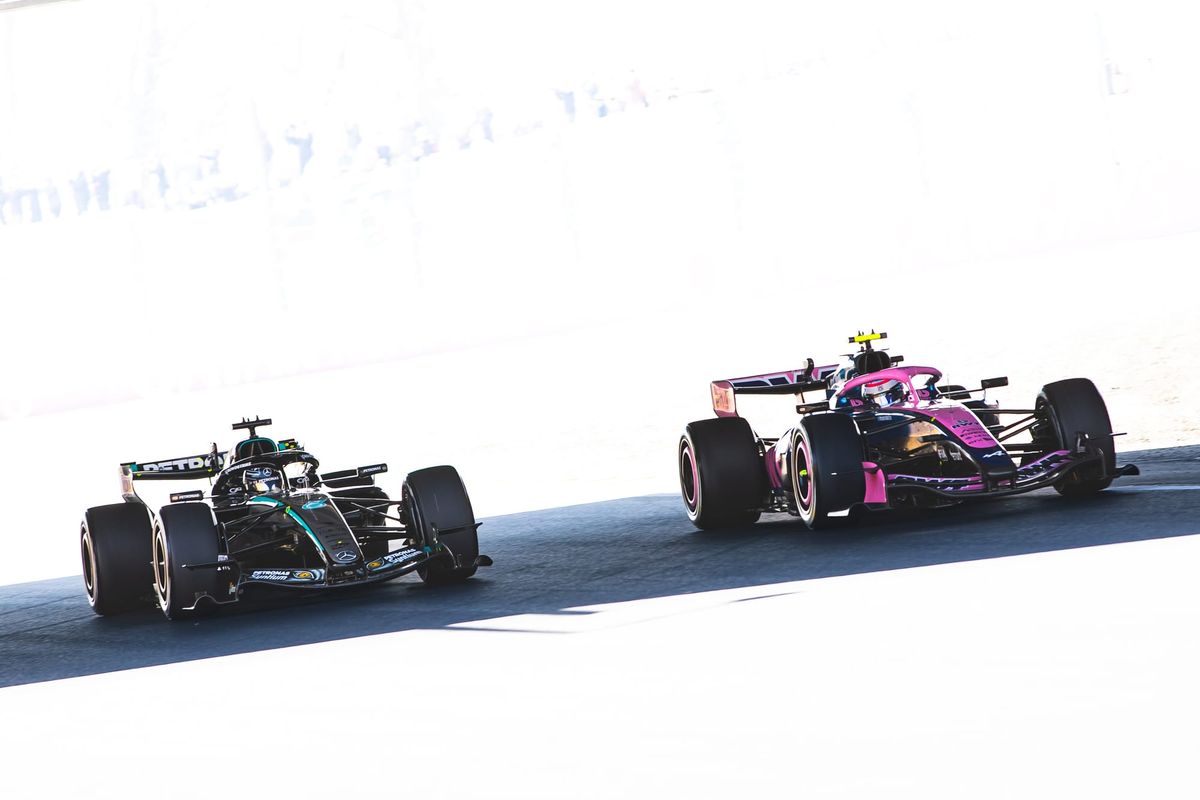
This included the huge energy offsets that had opened the door for increased overtaking, but also added to the dangers with the kind of high closing speeds that contributed to Ollie Bearman’s crash at the Japanese Grand Prix.
Grand Prix Drivers’ Association (GPDA) director Carlos Sainz said after the Japanese Grand Prix that Bearman’s accident was a sign of why elements like closing speeds between cars in races had to be addressed, too.
“That’s why I was so surprised when they said, ‘no, we will sort out qualifying and leave the racing alone because it's exciting’,” Sainz said.
“As drivers, we've been extremely vocal that the problem is not only qualifying, it's also racing.”
He added: “That's the problem when you listen only to the teams, that they will think the racing is okay because maybe they're having fun watching it on TV.”
Driver talks
The Race understands there has been a series of discussions over the past few weeks between the FIA and drivers - both in group sessions and on an individual basis – to better understand how to address early problems with the 2026 rules.
This has resulted in what GPDA director George Russell has called the most harmonious situation he has known between the drivers and the FIA when it came to technical topics.
"The FIA have been in a lot of communications with a handful of drivers, and at least from the FIA technical standpoint, it's probably the closest relationship we've had with them in numerous years,” he said. “That's very positive to see."
The dialogue with the drivers has given the FIA a clear vision on the scale of changes that would be necessary to address their concerns.
And while some of what the drivers want, such as super clipping recharge being increased to 350kW, is lined up with what teams think is sensible, there remains the possibility that some of their ideas may not be what their teams want.
Tweaks to energy levels, revisions to recharge limits, or changes to super clipping scenarios could face resistance from some teams if they feel that their own competitive interests would suffer.
Under the terms of the new Concorde Agreement, the required super majority for changes to get approved requires seven of the 11 teams on the car front, or four of the five manufacturers on the power unit front.
Any lack of a clear majority on matters would be enough to scupper things.
But with the drivers having laid out some clear targets, any failure by the teams to go far enough in supporting changes would likely face some pushback from the FIA to deliver on what has been recommended.
Safety card
If teams fail to agree on a wide enough range of tweaks that fall in line with what the drivers feel needs to change, then there remains the option for the FIA to force things through.
The FIA has always had the right to impose changes to the regulations without team approval on safety grounds.
An article in F1’s technical regulations states: “Any changes made by the FIA for safety reasons may come into effect without notice or delay".
With the Bearman crash having highlighted the dangers of energy offsets and huge closing speeds, it means the FIA would be more than justified to step in and make adjustments on this front if teams did not get behind them.
However, it is understood that going down this route would likely only be an option of last resort.
Russell said that based on the discussions with the FIA, the governing body understood what needed to be done to avoid repeats in the future.
Adjustment here could involve both revisions to power levels as well as alterations to the active aero rules surrounding straight mode (SM) activation zones.
“I think the FIA are definitely very much aware of that,” said the Mercedes driver. “And from the driver's perspective, just looking to reduce that closing speed in abnormal areas and especially in non-SM modes.
“If there's a straight, that isn't an SM mode, that means it's because it's a corner. And of course, the Bearman crash was in a non-SM part of the track, so I think we're all aligned on those points.”