MotoGP's best ever wildcards - and why the era was already over
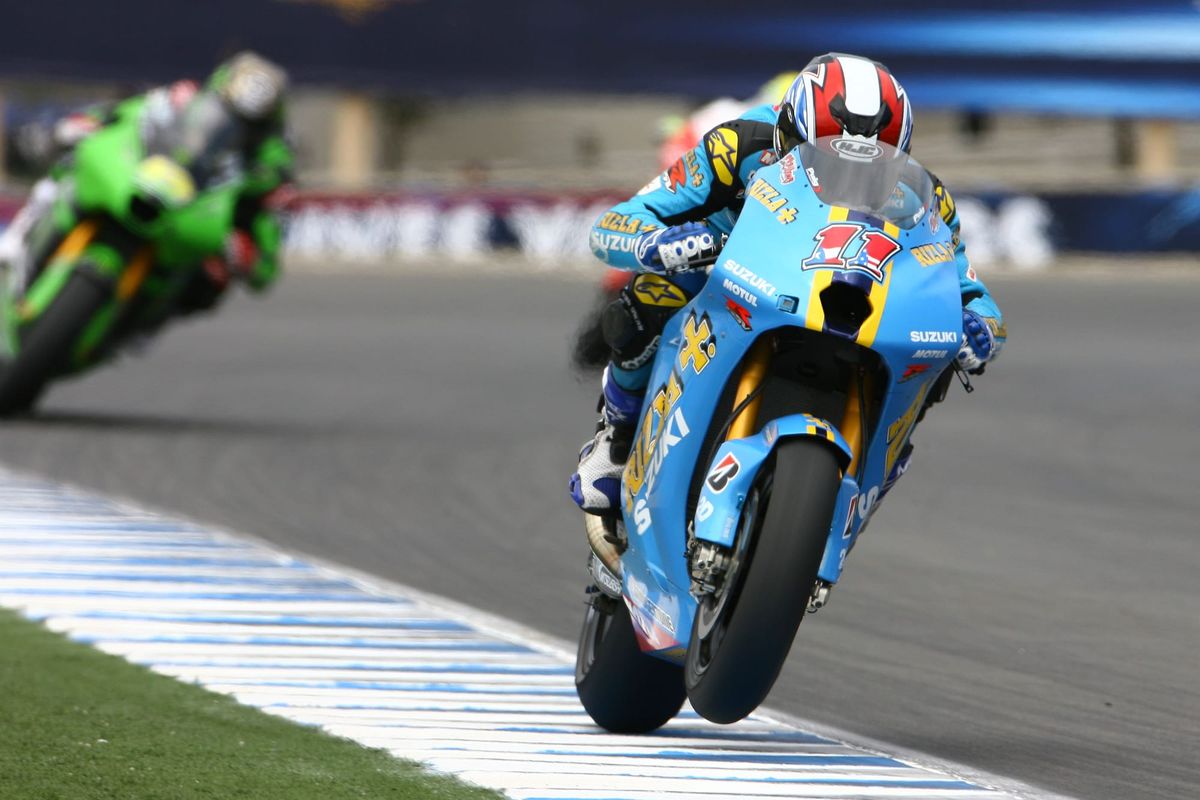
MotoGP's ban on wildcard entries, described as being from 2027 onwards, marks the end of an era for grand prix racing's top class.
Though they have changed considerably in aim and shape over the years, wildcard entries had remained a consistent part of the MotoGP's season make-up - and a part of its wider iconography.
They could well return one day, or could not. For now, here are the standout wildcards we remember in MotoGP - and why their era had already ended before this latest news.
Akira Ryo
2002 Japanese GP (2nd)
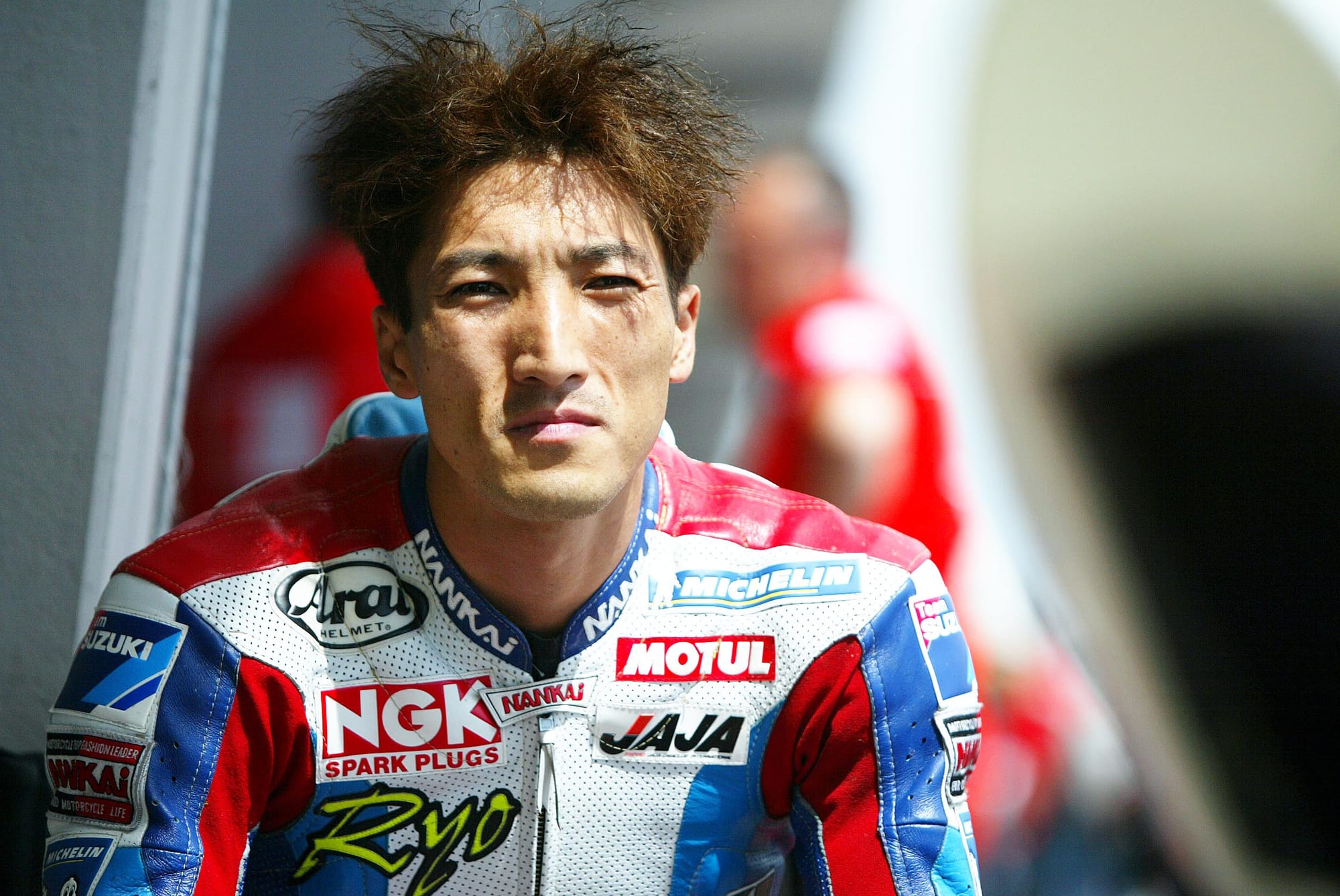
The early days of a new regulation cycle (the biggest in the sport's history as 990cc four strokes replaced 500cc two strokes) was always going to lead to some wild situations - but none is perhaps stranger than what happened at the very first modern era MotoGP race at Suzuka in 2002, when Suzuki test rider Akira Ryo very nearly beat none other than Valentino Rossi to the win!
Of course, if anyone was going to do something special as a wildcard, it was likely going to be Ryo, given his previous form doing the exact same thing in the World Superbike paddock, where his wildcards at Sugo in 1998 and 1999 ended with four podiums and a win.
After managing to turn an excellent start when the lights went out into an early lead as pre-race favourite Rossi got swallowed up by the pack, Ryo actually led for most of the race before Rossi hunted him down and overtook him - and hung onto the Italian's tail close enough to make another attack on the penultimate lap before eventually settling for second.
Taka Nakagami
2025 French GP (6th)
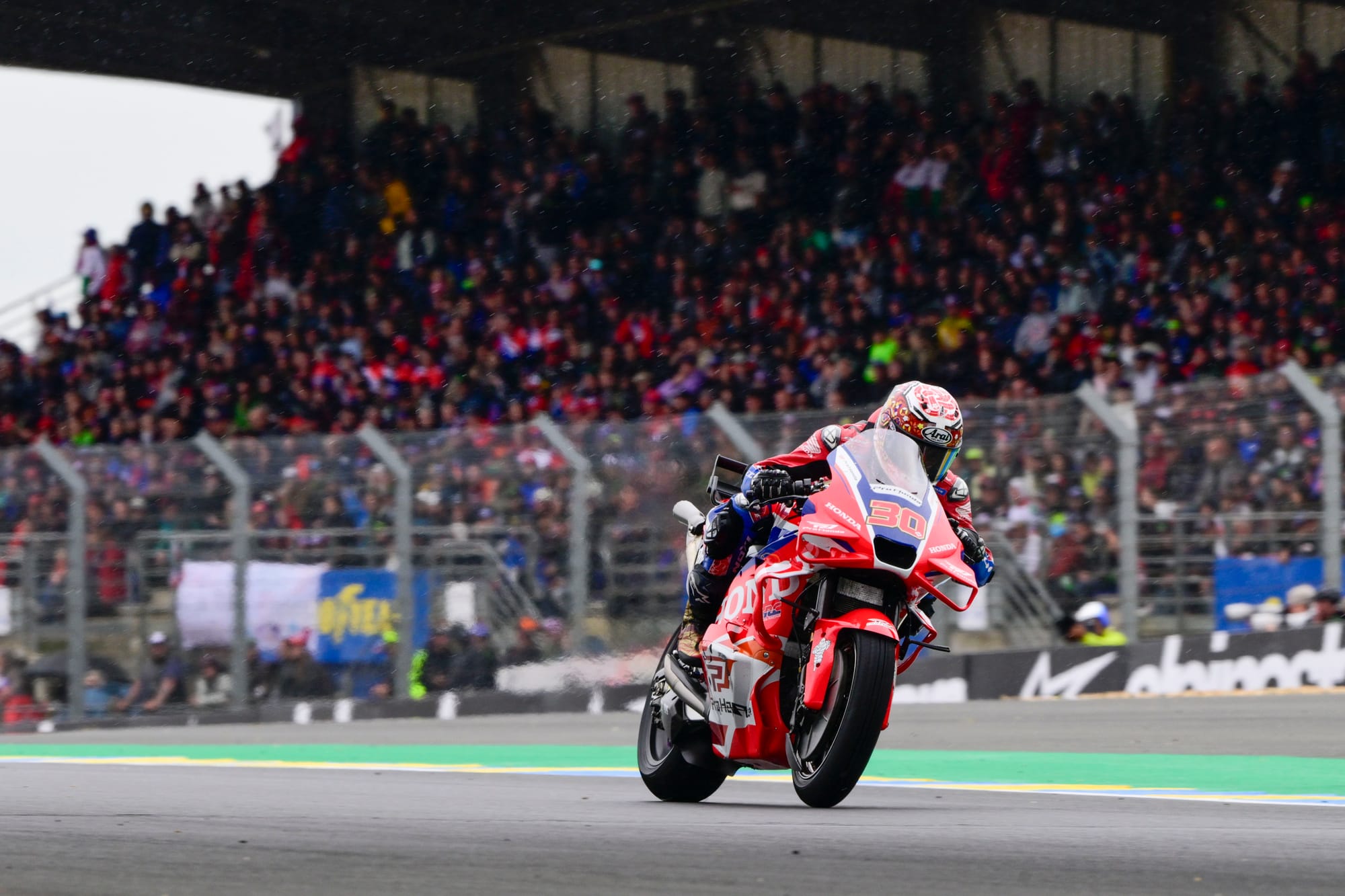
In the current environment, a wildcard cracking double figures in points in a race is something of a minor miracle, even when that wildcard was racing full-time just a year prior.
Taka Nakagami had looked reasonably fast by tester standards to start the Le Mans weekend - but quickly settled into the usual wildcard position at the back of the pack, and was never going to make his mark on the results sheet in normal conditions.
It took probably the wildest race of the season instead, Nakagami aping the race-winning strategy of Honda stablemate Johann Zarco and hanging on desperately. Zarco beat him by a minute - but Nakagami beat 10 other finishers by more.
Michele Pirro
2016 San Marino GP (7th)
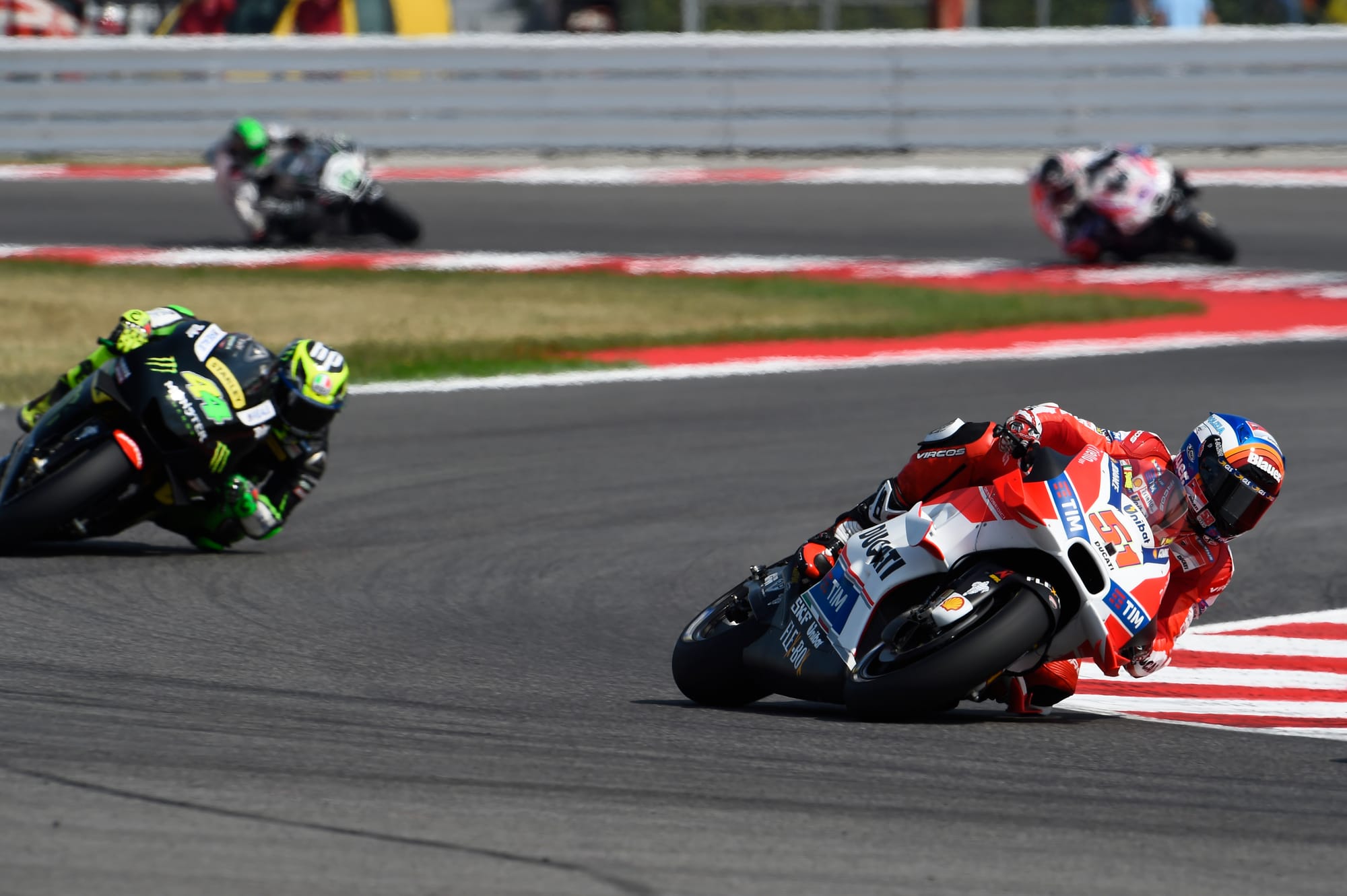
Michele Pirro's inspired body of work as a Ducati wildcard through the years gives us many options, though unfortunately we can't pick out either his near-podium at Valencia in 2018 (injury replacement for Jorge Lorenzo) or the Motegi race he led, and could've won if the weather gods smiled at him, in 2023 (injury replacement for Enea Bastianini).
That still leaves a big collection of thoroughly competitive rides in the home confines of Mugello and Misano.
Misano seemed a marginally happier hunting ground. And while a 2017 ride to the top five in the wet is a good pick, a seventh place in the dry the year prior is arguably more exciting - because Pirro was just three seconds off Andrea Dovizioso at the finish, and had actually beaten him in qualifying.
Ben Spies
2008 US GP (8th)
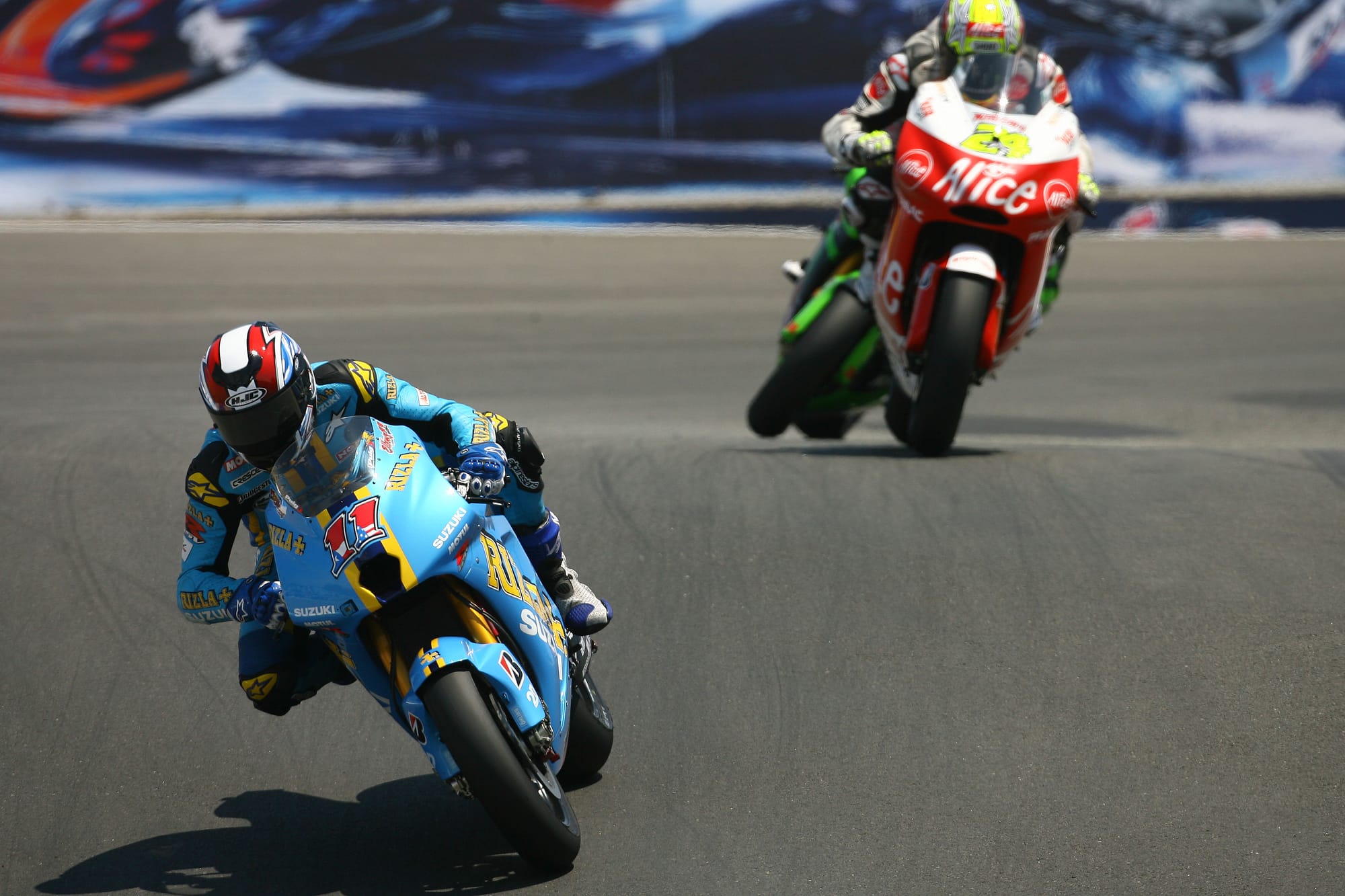
Long before he was a full time MotoGP racer (or even a dominant World Superbike champion), American Ben Spies made his MotoGP debut for Suzuki, with the dominant AMA Superbike champion riding two successful rounds of the 2008 season as a reward for what was then a career spent almost exclusively on Suzuki machines.
First stepping into the factory squad at the British Grand Prix at Donington Park as an injury replacement for Loris Capirossi, he scored two points in 14th and did enough to convince Suzuki to reward him with two proper wildcards later in the season in his two home races at Laguna Seca and Indianapolis.
His best result came at the famous Brickyard with a very respectable sixth place finish in tricky conditions caused by the aftermath of Hurricane Ike, with the red flag bringing the race to a premature end as he battled with Casey Stoner and Dovizioso.
However, Spies' standout ride absolutely came earlier in the season, in July at Laguna Seca, where he not only finished eighth in the MotoGP race but also continued his AMA Superbike success by qualifying on pole and finishing second behind Mat Mladin on the same day!
Mika Kallio
2018 Spanish GP (10th)
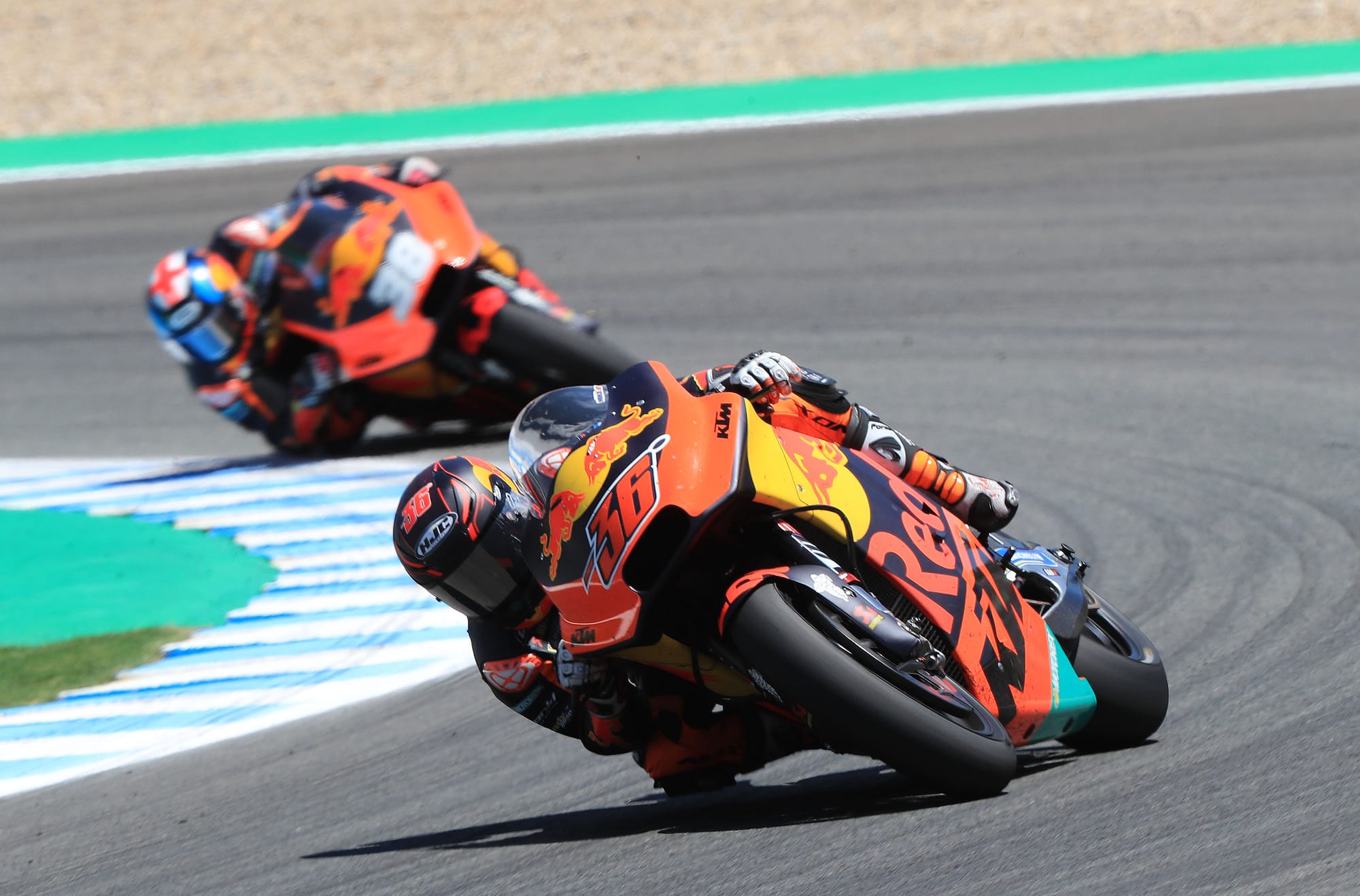
This won't be the last appearance by a KTM tester in this list, nor the last time a KTM tester has made the regular line-up look a bit dubious. And, in fact, we were a little spoiled for choice when it came to picking a singular Mika Kallio race.
Getting the nod, just about, is the Jerez 2018, where Kallio - aged 35 - beat both factory riders en route to a top-10 finish. He had already done so in Austria the year prior, albeit there Pol Espargaro at least had the excuse of a technical failure.
KTM's development was still very much in fast-and-loose mode at that point, so Kallio consistently rode something very different - but his performances very nearly got him back on the grid, and certainly contributed to ending Bradley Smith's full-time MotoGP career.
Dani Pedrosa
2023 Spanish GP (4th)
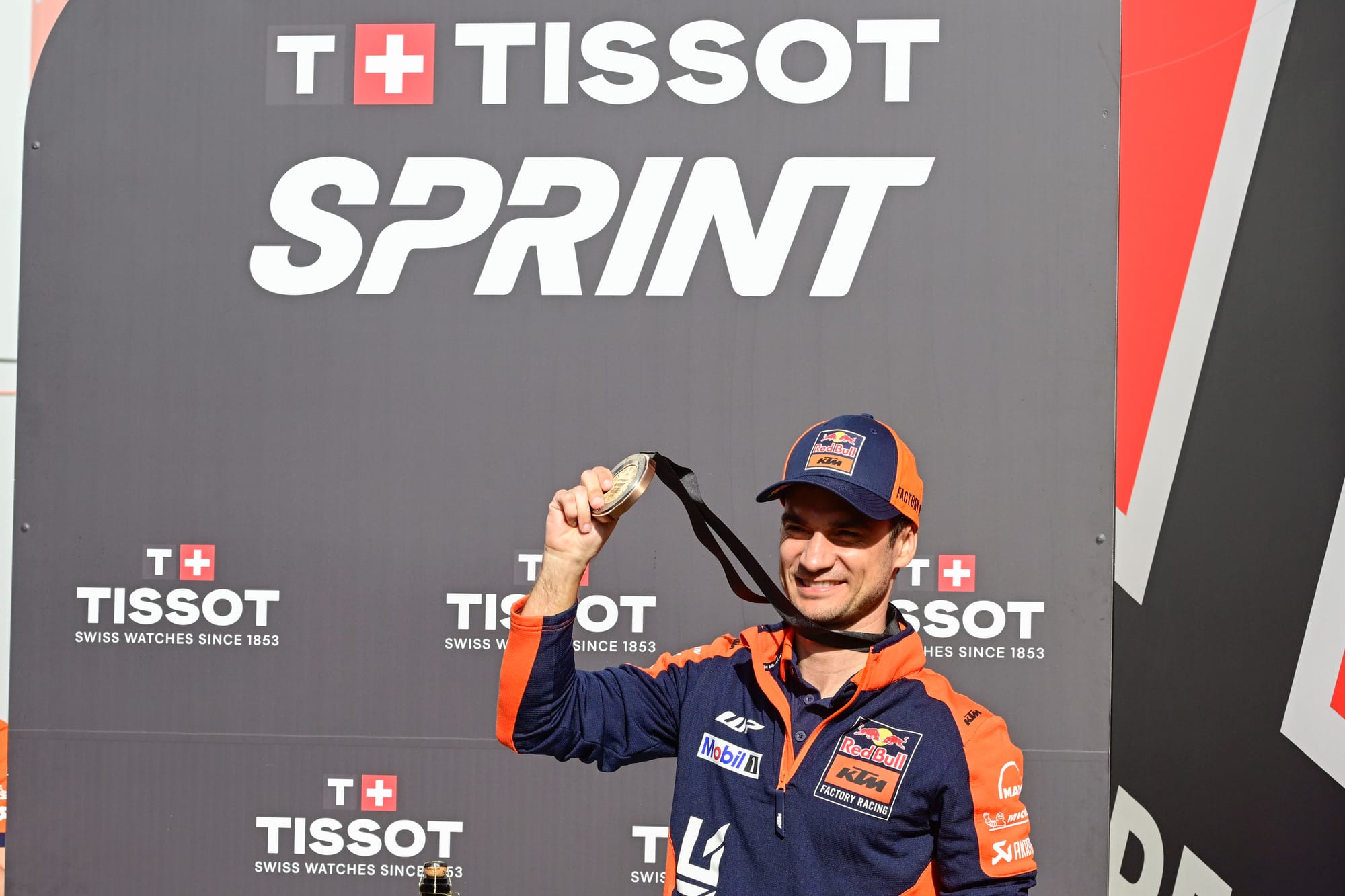
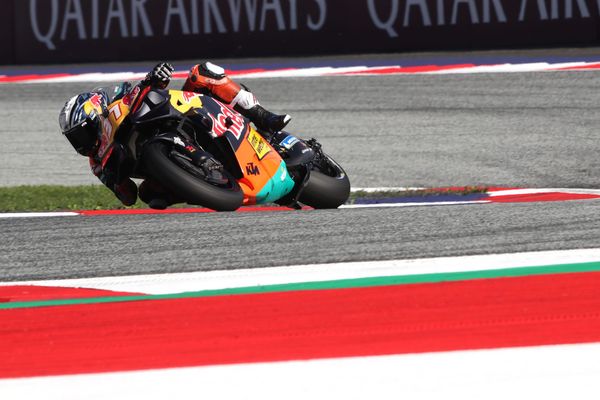
We're also a little spoiled for choice here - to such an extent that the time Dani Pedrosa dragged a KTM onto the sprint podium as a wildcard in 2024 isn't actually our selection.
The two rounds he did in 2023 were more electrifying, and Misano - yielding a pair of top-four finishes - particularly so.
Running the carbon chassis that soon became the norm for KTM, Pedrosa was the top KTM rider in qualifying, the top KTM rider in the sprint, the top KTM rider in the race.
OK, the latter owed much to Brad Binder crashing from in front of him - but that also felt like a real symptom of the pressure Pedrosa had put on the regulars.
Accounting for the era and for Pedrosa's age (he turned 38 a couple of weeks after Misano), it's probably the best wildcard performance in MotoGP history.... right?
Right?
Norick Abe
1994 Japanese GP (DNF)
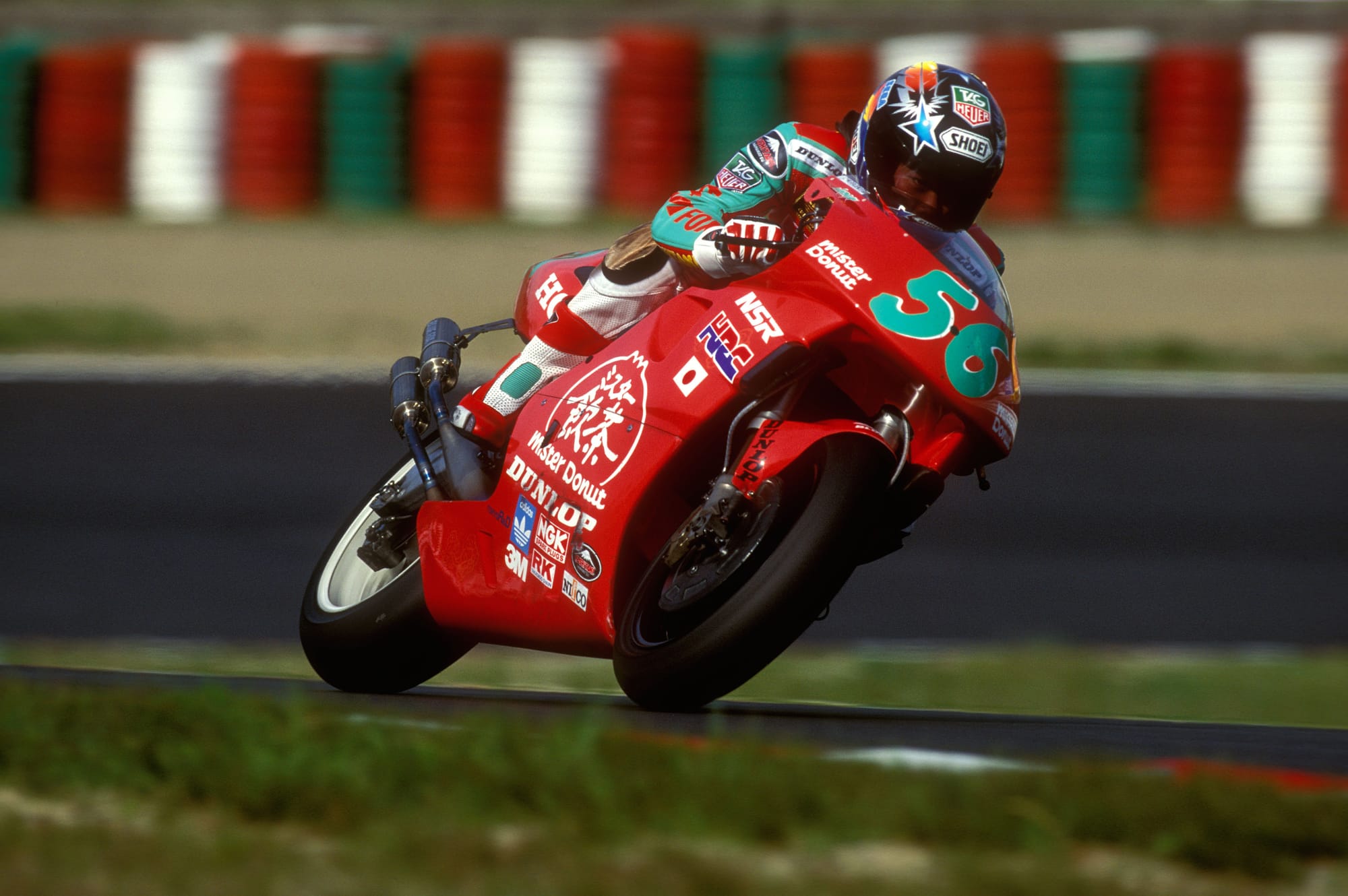
The Japanese wildcards, spurred on by a close connection with the factories but most importantly an encyclopaedic knowledge of the track, were a real menace at their home round over the years in grand prix racing.
In the premier class, arguably none (not even the aforementioned Ryo) menaced harder than Norick Abe, listed 18 years old by some, 19 years old by others at the time of his debut.
A win threat throughout - and putting on a show in the victory battle - Abe had just passed eventual champion Mick Doohan, setting off after race leader Kevin Schwantz, when he crashed at speed with just two laps left to run.
But he had made enough of an impression to ensure a serious premier-class career right then and there.
The end of wildcard glory
The wildcards you've known are gone.
MotoGP's wildcard ban ensures, in theory, that these stories will not be repeated in the foreseeable future - or does it?
Many of the collective consciousness' favourite 'wildcard' rides are actually injury replacement rides - see Troy Bayliss in 2006, Katsuyuki Nakasuga in 2012, or even Pol Espargaro last year. These, given the rate of attrition and number of rounds, will still be plentiful.
But the MotoGP of today is just too different to the one that allowed true 'wildcard' riders to show up and deliver a legacy-changing performance.
The true Japanese ringer is gone - that doesn't really happen at Motegi anymore. The last two times true MotoGP outsiders rocked up to a premier-class rounds was Kazuki Watanabe (Suzuki) and Takumi Takahashi (LCR Honda), both at Misano, only Suzuka 8 Hours legend Takahashi memorable of the two and only because he entirely failed to qualify.
The grid is too specialised, the weekend too compact, the bikes needing too long to adapt to. There are absolutely riders who can still rock up and be truly additive to the competitive order - Pedrosa is one, Pol Espargaro is another - but that only really happens with elite veterans who aren't looking to return full-time.
And development grunt work dominates these weekends most of the time. They are not really fit for purpose for rider talent scouting, and those you would scout are typically busy that weekend in Moto2 anyway.
That's not to say that it's definitely good they're gone. But if you're worried about MotoGP's new rule denying the series its next Abe moment, its next Ryo moment, its next Spies moment, fret not. They were already long, long gone.