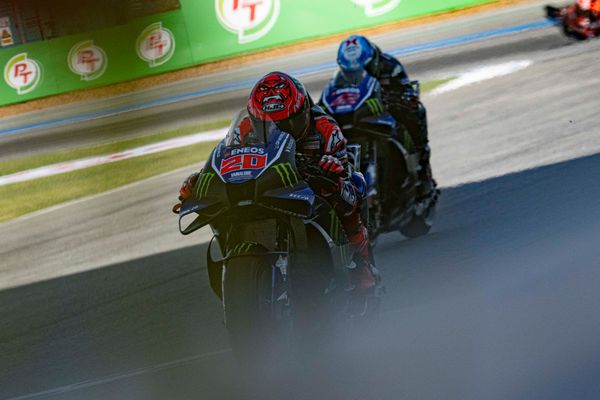
MotoGP is stuck with all its 2025 problems for 2026 too
There’s big change on the horizon for MotoGP when new rules come into effect at the end of this year and radically shake up the grid - by not only pushing back against the impact of aerodynamics, removing ride height devices, and reducing engine capacity, but also with the switch from Michelin to Pirelli tyres.
However, those changes are still 44 races away - and the fact that we’re stuck with the current rule book for the entirety of 2026 means that while improvements are on the way, this coming season is unlikely to be substantially more entertaining that the one just past in which Marc Marquez romped almost unopposed to title success.
There are a couple of reasons why that’s the case and, with series bosses unwilling to make any changes ahead of 2027’s bike shake-up and manufacturers in something of a holding pattern, it hardly bodes well for what might come.
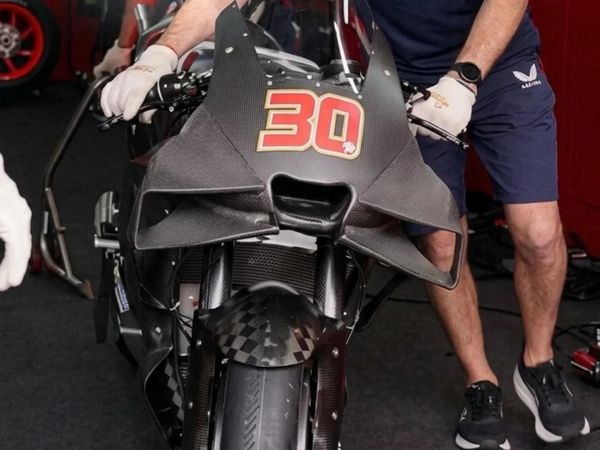
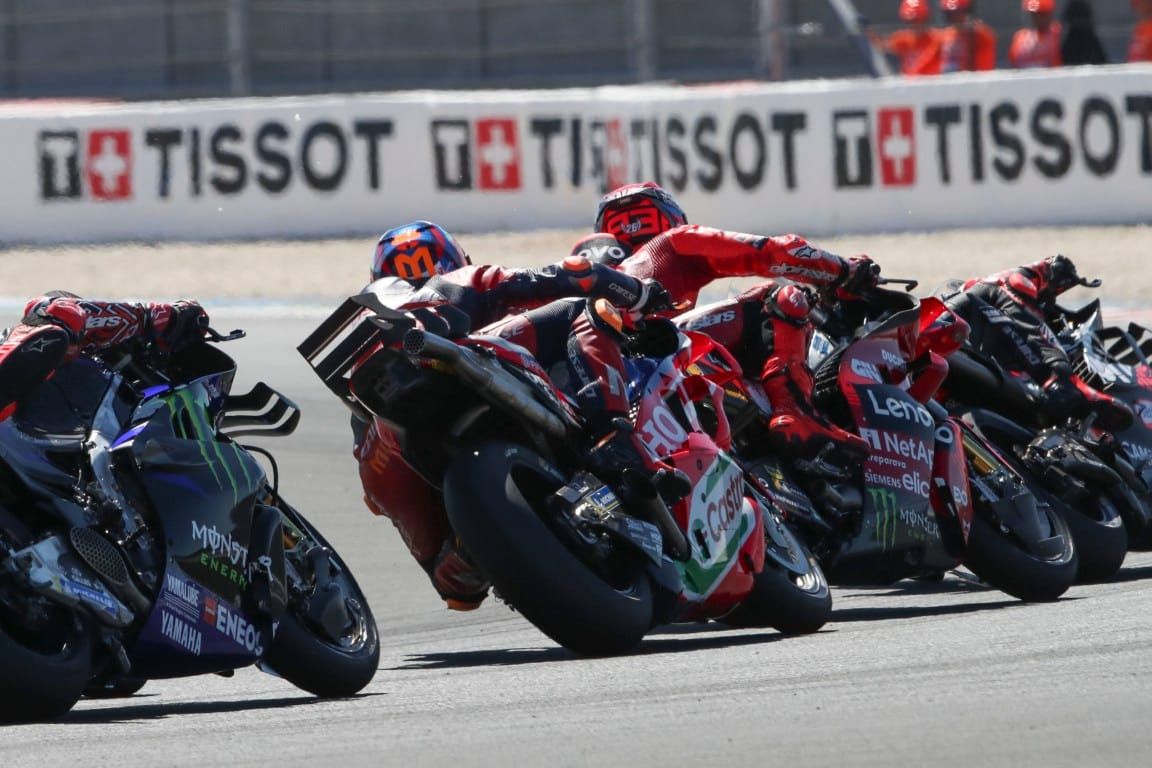
One of those factors is, of course, aero. It is right now a significant contributing factor to how rare close battles and multiple overtakes a lap have become, by creating dirty air that makes following other machines difficult.
While it's not quite the dramatic issue that other series have with this problem (looking at you, Formula 1), the wings’ biggest impact has arguably been on braking, where making the bikes more stable means that it’s less about the rider and more about the machine, making it harder to lunge up the inside of someone who’s braking at exactly the same (late) spot as yourself.
Then there are the ride height devices, especially the rear one that now functions on practically every corner exit. Front wheel devices have already been limited to only the start of races, despite the significant safety concerns they cause there, but have contributed to better race starts for everyone, less reliance on rider skill, and a reduced possibility of pulling off something special in the opening corners.
It’s the rear devices that have caused the biggest issue, though. Essentially taking all rider control out of corner exit by allowing everyone to lock the rear suspension and accelerate smoothly, it further reduces the possibility of setting something up on the brakes at the next corner and thus complicates overtaking even more.
The biggest factor by far, though, isn’t the bikes; it’s the tyres. Michelin’s front tyre pressure and temperature problems are no secret, a direct result of adding aero and devices to the bike and allowing bike development to jump past tyre technology, resulting in something that overloads quickly in races.
The way around that has been to enforce a minimum pressure rule that teams must obey or face a 16-second penalty - and the result is that after more than a few laps of pushing, the risk of crashing as the pressure goes up becomes too much of a chance for most, and races settle into processions.
What makes it even more frustrating is that we know there’s a solution to the problem: the new front tyre that Michelin developed to fix the issue - and failed to introduce when it was announced that it had lost the tender to supply MotoGP’s tyres to rival Pirelli, meaning there was no real incentive for Michelin to keep investing in development on the product this year.
So, instead, we’re going to spend another season watching riders follow each other around instead of overtaking like everyone wants to see.
2027 can’t come soon enough!