The nasty surprise Formula E's calendar has given teams
For some Formula E teams, the news that there would be two back-to-back events on next season's calendar was something of a nasty surprise last week when the 2026-27 schedule was announced at the FIA World Motorsport Council meeting in Macau.
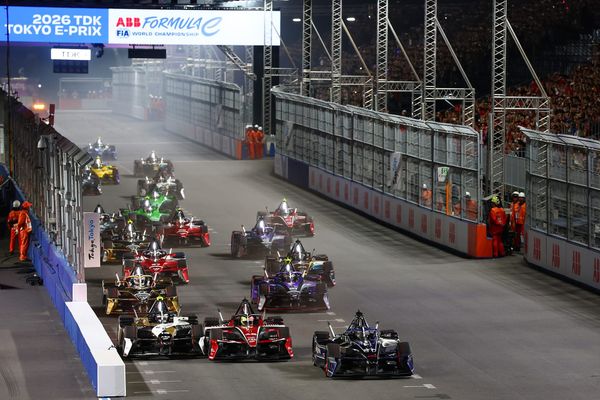
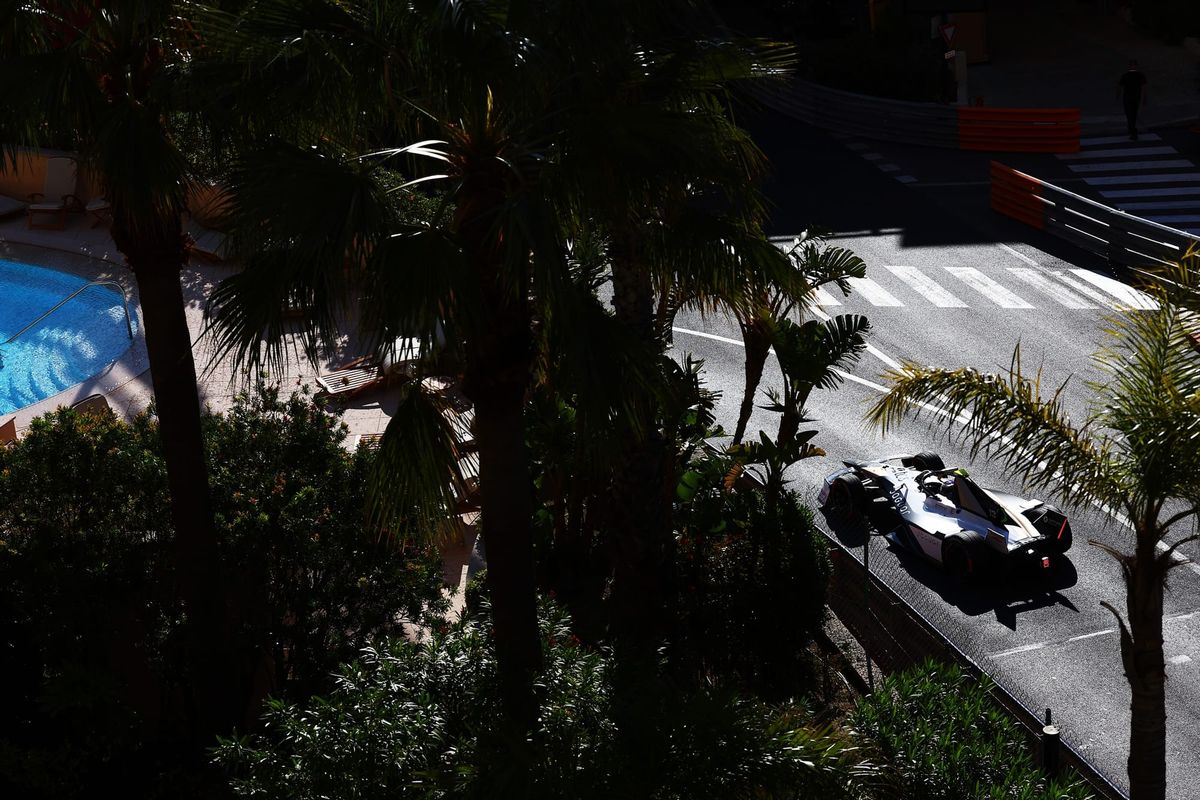
Formula E will undertake concurrent events next season for the first time since the Berlin and Monaco races that were on concurrent weekends in May 2017, back in Formula E’s third season. But this time, each of the back-to-backs will be double-header meetings, meaning four races in a week.
The Race has discovered that the moves to have Berlin and Monaco together and then Zandvoort and Jarama in June were a shock to the teams, who were not consulted over the specifics of the plans.
A variety of challenges will be provided by the back-to-back events, including human resource allocation, logistics, marketing activation and key questions on new Gen4 suppliers being capable of fully servicing teams.
Teams’ needs to service the concurrent weekend events are presently being worked through. Discussions between them and Formula E and the FIA are ongoing on how best to approach them.
Back-to-back races in international championships outside of Formula 1 are reasonably rare. Mainly because teams are smaller and activating the events is also challenging for in-house promoters. However, the Monaco event is promoted by the Automobile Club de Monaco, while the Zandvoort races will be marketed by TIG Sports and Sports Vibes, the same promoters who worked on F1's outgoing Dutch GP. They will all work in conjunction with Formula E.
But teams are more concerned about the logistical challenges and the capability of new suppliers to Gen4 in being able to fully service and provide components for what will still be relatively new hardware in Gen4.
Andretti team principal and also chair of the Formula E Teams and Manufacturers Association, Roger Griffiths, told The Race that the grouped races were "a little bit of a surprise when we saw it and we're working through what that really means.
“We're not like a Formula 1 organisation,” added Griffiths. ‘We don't have garage build crews that come in and get the garages prepared and we don't have huge engineering teams back at base, so it is asking a lot of the team personnel to step up to support back-to-back events.
“What we want to ensure is that when we arrive at a venue, the venue is ready, that the teams are ready, that the championship is ready, the supplier bases are ready.
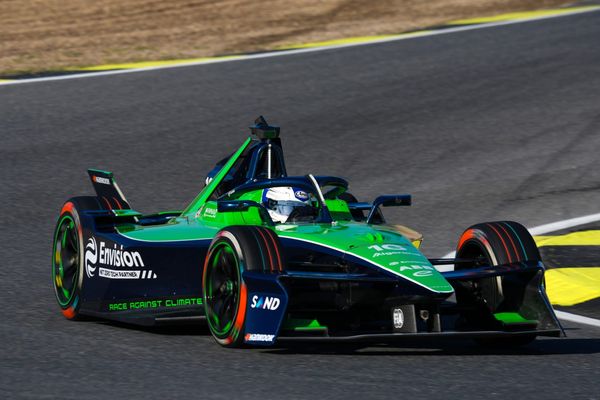
Griffiths also expanded on complexities with the new Gen4 car, which is currently in the performance testing phase with manufacturers.
“It's a new car, it's a big change, and it's a lot more complex than the current car,” added Griffiths.
“So, we want to ensure that we're doing the right thing at all times. We want to ensure that we put on the best show. There's still a lot of work to be done to understand the implications of what's been proposed to us.”
Jaguar’s Ian James was slightly more positive about the moves, rationalising that it was part and parcel of the world’s only all-electric world championship growing into something that could become potentially more profitable in the future.
“I think it's a challenge for us that is actually a reflection on the growth of the championship,” said James.
“So, I take it back to basics. What do we exist to do? We exist to actually make this as good as it possibly can be, and if it's improving year on year, then the interest is growing.
“The growth is going to be growing, and it's going to put us in situations where we're not going to have a choice but to have back-to-back races going forward, so would you choose to do that? Probably not, but are we against doing it, given the fact that it underscores the opportunity to grow? Also, not."
But James’ pragmatism also had undercurrents of frustration. The fact that the back-to-back races were a complete surprise to the teams, who were not consulted on the decisions at all, will cause some concern among entrants who want more clarity on key decisions within the all-electric world championship.
That has left some with a degree of antipathy over the calendar formation because some teams see the back-to-backs as unnecessary and too demanding on teams that are not set up as logistically dextrous as F1 or IndyCar operations.
James reckons that a future working group on these specific matters would help improve the communication ahead of schedules being locked in.
“If you don't really know for certain where the biggest challenges are going to come from, I think we're already starting to talk about putting a working group together that can pre-empt some of those issues,” he said.
“Make sure that we've got mitigations in place to lower the risk, and then put ourselves in the best possible position for success.”
Formula E wants to expand the calendar to around 24 races by 2030, when the Gen4 period has matured and when the next generation of cars will come on stream.
That will likely mean more back-to-back events because there is widespread agreement that the schedule should cease in July and not spill into the traditional holiday month of August, which it has done in three of the last five calendars.
You can’t please all of the people, all of the time. That goes without saying. But as Formula E looks to expand its action, capitalise on its new quicker cars and also integrate much more into permanent circuits, in conjunction with a cost cap and with essentially capped resources for teams, a burnout of sorts can easily start to fray the edges at least, if it is not careful.