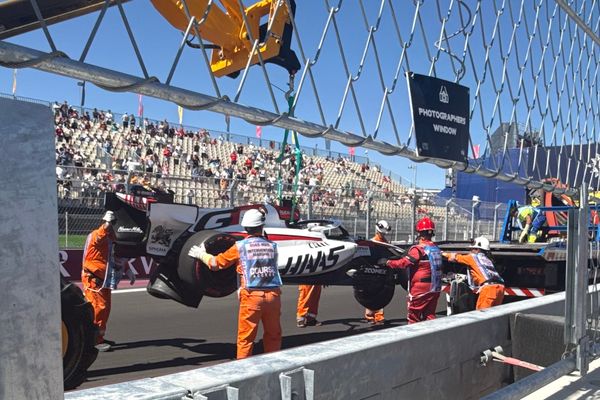
Why rivals are convinced Ferrari will produce first F1 2026 upset
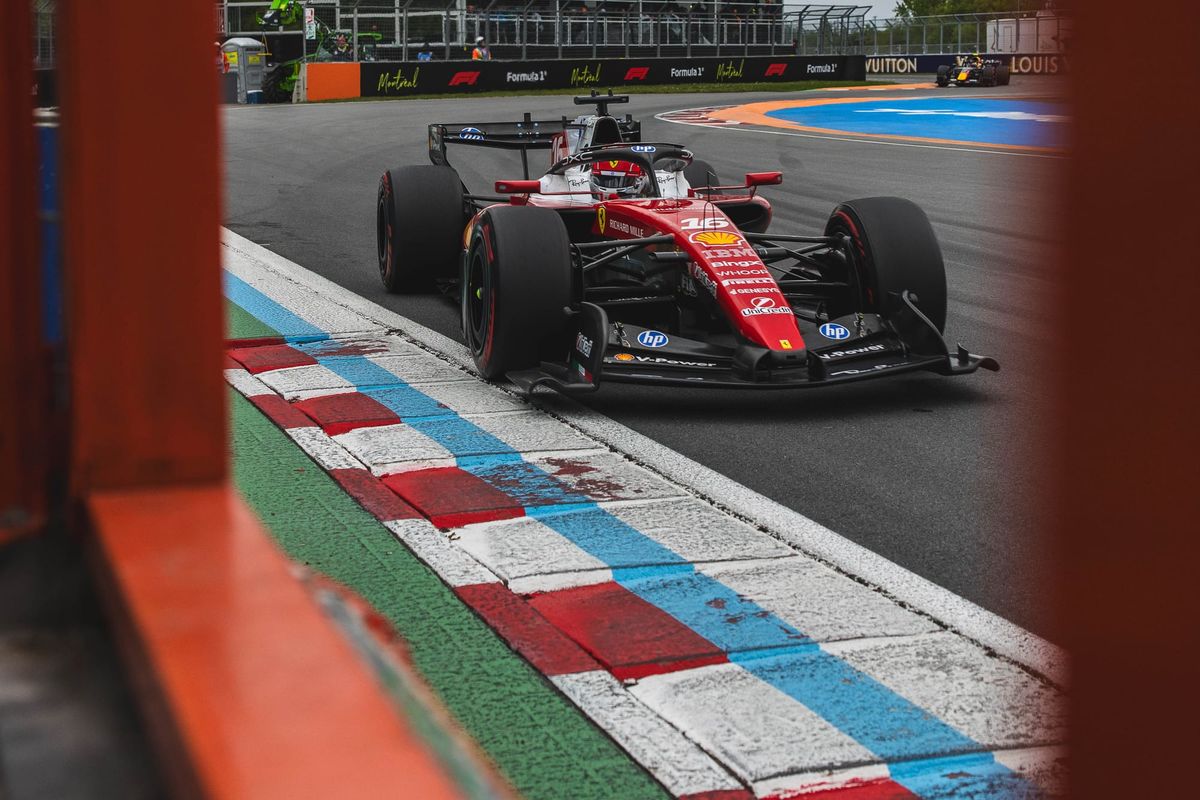
Ferrari will have the fastest car at the Monaco Grand Prix this weekend and goes there as favourite - at least according to its Formula 1 rivals.
To be fair it's not just rivals who are talking up Ferrari's chances, as F1 awaits an end to Mercedes' dominant start to the grand prix season; even Charles Leclerc, in the midst of his Canadian GP weekend misery, looked ahead to his home race optimistically.
"We need to be careful," said Leclerc, who has since had his Ferrari contract extended. "Mercedes is a very, very good team. I think it's a very strong team and a very all-round team, whether it's in corners or in the straight.
"If there's one race this year where I feel we could have more of a shot at pole, it would be Monaco. And I hope it will be the case."
But why is that the case, is it as clear-cut as being made out, and what are Ferrari's rivals saying?
McLaren’s reigning world champion Lando Norris was convinced Ferrari will be on pole, and said its low-speed performance is "far better" than the opposition's, while Mercedes' championship leader Kimi Antonelli felt Ferrari's engine will be key to it being very quick in Monaco.
Meanwhile, McLaren team principal Andrea Stella said he saw Ferrari as "probably the favourite".
It's the package as a whole that's led people to believe Ferrari will be strong in Monaco.
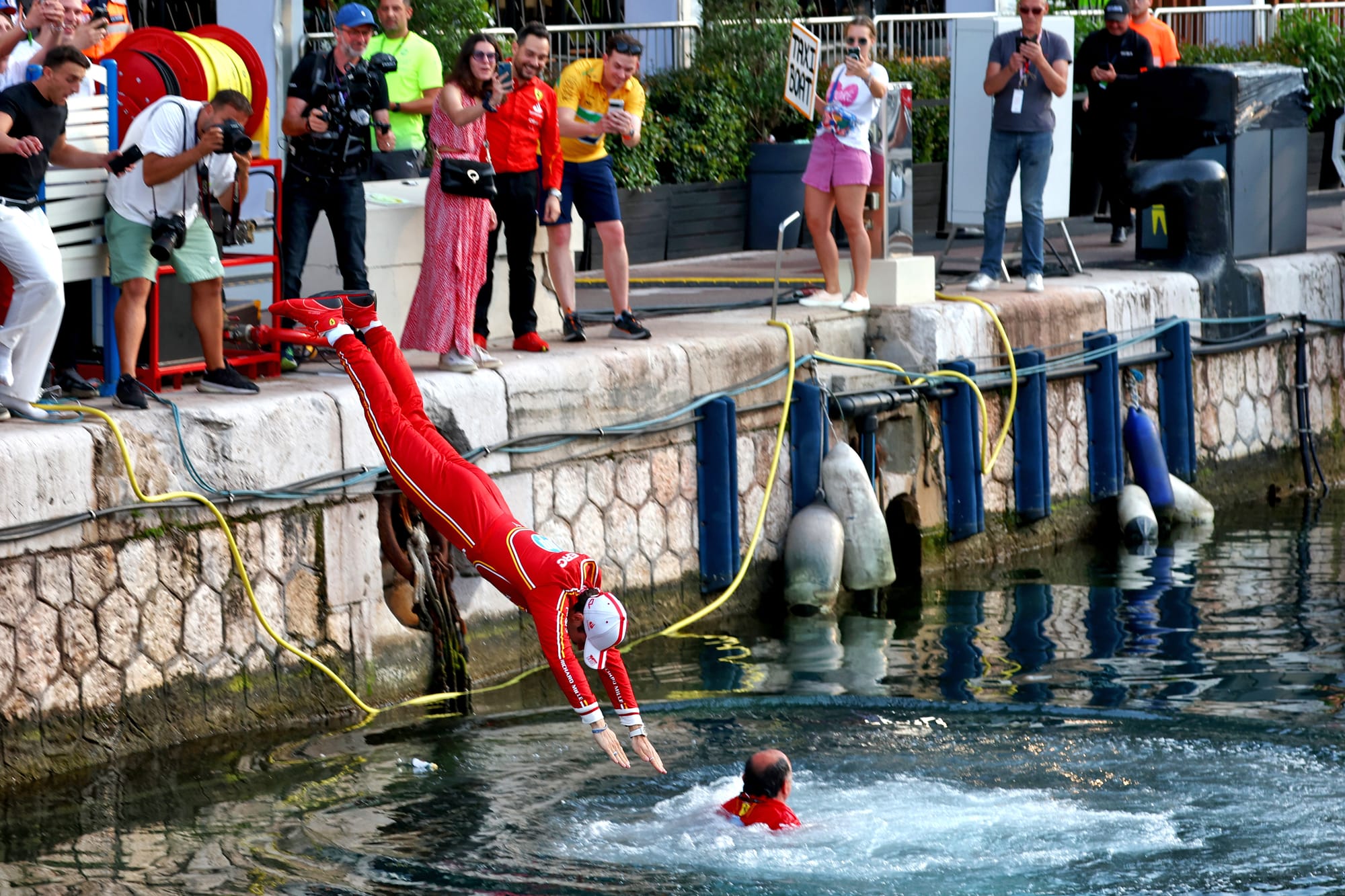
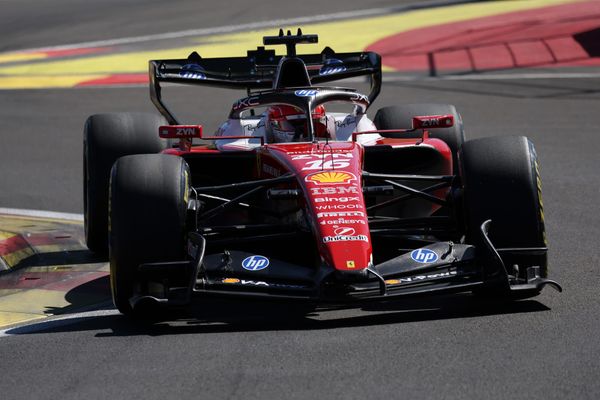
Part of that is a little bit of bias towards its Monaco prowess in recent seasons - even if it has only won once (2024, above) in the last six attempts - but even though this is an entirely new set of regulations and a brand new car, Ferrari's DNA of good kerb-riding tendencies and short-duration corner performance has continued into 2026.
Now, McLaren is good at low-speed as well. But Stella hinted that there is a type of very-slow-speed corner unique to Monaco that’s in a more extreme bracket where Ferrari will further excel.
"When we look at the overlay based on the GPS speed, we can see that Ferrari is definitely a competitive chassis in the corners," he said.
"The first sector, they've been always very competitive and it's not only a low-speed sector, but it's also a sector with kerbing and normally these features tend to be worked in a track like Monaco."
He added: "Unlike what it looks in Monaco there's a few medium-high-speed corners.
"If you think the Casino corner is more than 150km/h, Tabac is 170-180km/h, the Swimming Pool is more than 200km/h.
"So, actually medium-high-speed performance is important in Monaco but some of the low speed is extremely low speed and in a way is in its own range if you think [about] the slow-speed section in the second sector. So, it's one of its own."
And there has been a narrative throughout the early rounds of the season that Ferrari has a better chassis than Mercedes, with Ferrari's weakness firmly on the engine side.
So, not only will Monaco potentially bring the best out of the Ferrari car, it could also mitigate that V6 engine weakness, because this is not a power-sensitive circuit.
If there is any weakness on the electric recovery side, that may be mitigated too, as Monaco is a circuit where it is very easy to charge the battery and deploy the MGU-K at full power where and when it's needed. If Mercedes has an edge in eking out that last little bit from the battery, that simply is not going to matter as much.
Finally, and this is what Antonelli was hinting at, the Ferrari engine package has been tipped to be well-suited to Monaco.
Ferrari runs a smaller turbo than its rivals, which has played a part in strong starts (although that advantage has been mitigated) and more importantly strong corner exit performance, because the turbo spins to the required speed more easily - so there's less lag compromising the combustion engine.
On a normal circuit, rivals have to fill that gap with electric power by deploying the MGU-K more off the corner, which drains the battery.
Why the reality could be different
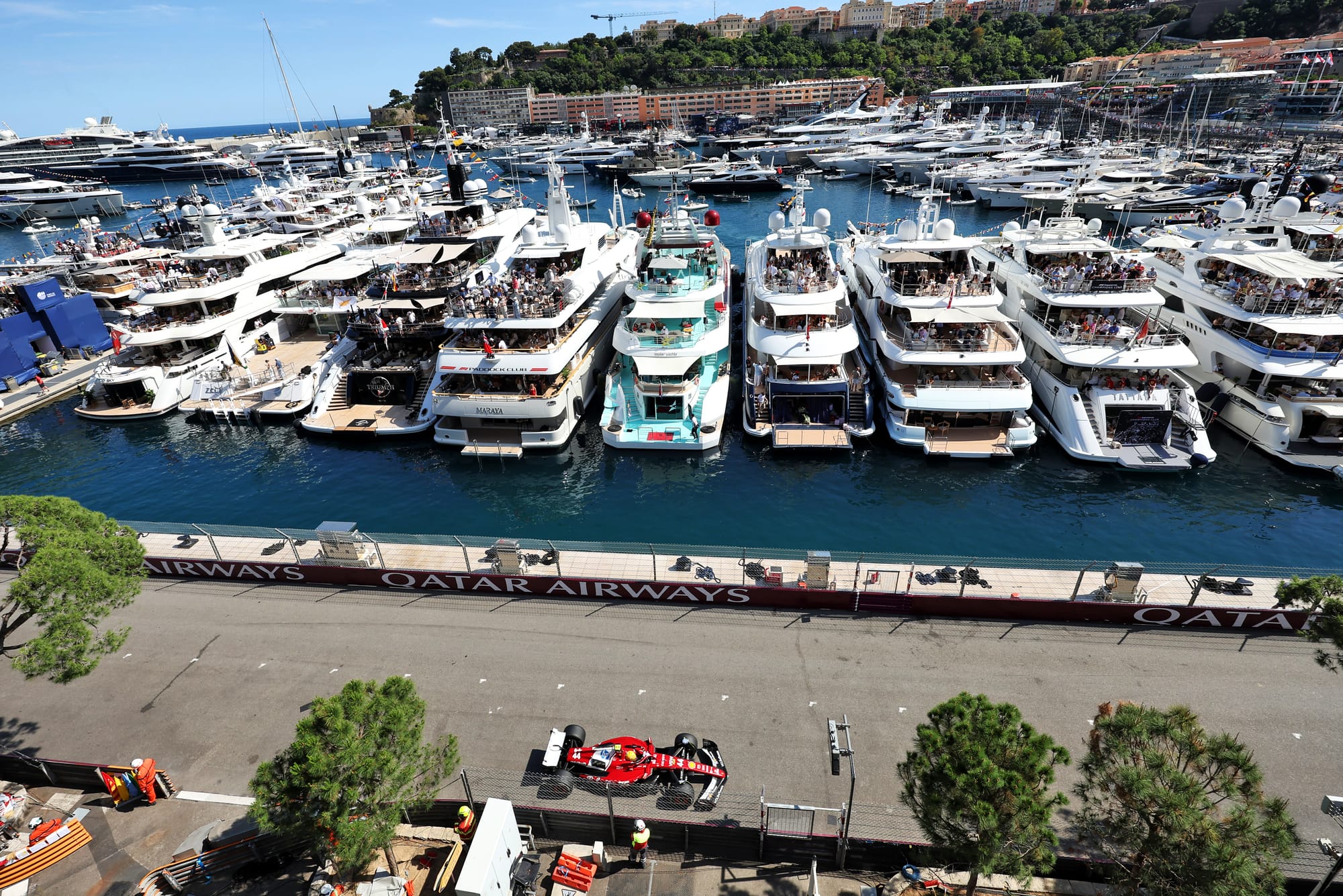
The first thing that needs to be stressed is that the extreme demands of Monaco push everybody into a different operating window in terms of optimising the car: what's been seen conventionally in the first few rounds, and what rivals are trying to extrapolate from, is not necessarily going to translate.
And there's a significant new variable for this race compared to others as new limits are being imposed on how the electric part of the engine can be used compared to the early rounds.
Monaco is going to be energy-rich anyway with massive charging opportunities and not many places to deploy excessively, but there are also restrictions on how much power can be used relative to the speed of the car.
Put simply, the MGU-K will be running at maximum capacity far less in Monaco than at other tracks. There are fewer places to use the battery and the energy spent will be less when it is used because the MGU-K will have to be shut off earlier in the car's speed range.
That is not great for Ferrari's assumed position as favourite because it means the overall engine compromises are going to be reduced.
If Ferrari's rivals do need to spend more of their battery earlier off a corner to fill in the gap left by a slow-spinning turbo, that is not going to be punished in the same way it would on an energy-poor track such as Albert Park or Suzuka.
There aren't consecutive big straights or long power-sapping runs anyway, and now there's going to be less MGU-K usage, so spending more battery energy to help with corner exit performance will be easier.
On the car side, yes, the Ferrari package should be well-suited to Monaco - but it's not alone in that.
Teams will be dialling their cars more into the low-speed stuff because there is not the same corner-performance trade-off as at other circuits.
If a team has been sacrificing some low-speed performance because its strength is in medium- or high-speed corners and it wants to accentuate that positive, it will not be doing that in Monaco. There will be a far greater emphasis on ride quality, low-speed performance and direction change for everybody.
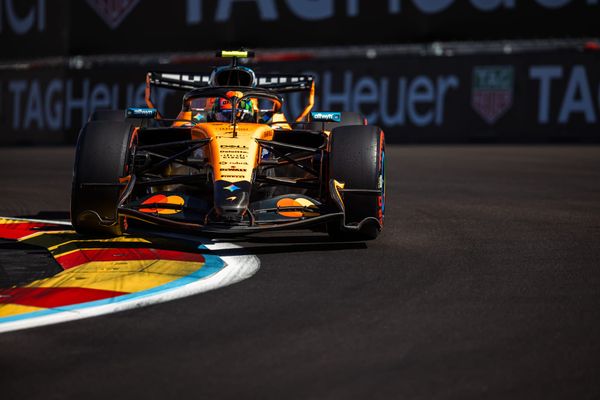
And rivals are not bad at low speed. McLaren believes its car is actually best-suited to this type of corner rather than medium and high-speed, where Stella feels Ferrari and Mercedes are superior, and that this should set McLaren up well for Monaco.
Plus there are a couple of corners in Monaco where medium-speed performance is still relevant, which could bring Mercedes into play even if it is further adrift in the slow stuff relative to Ferrari. And the Mercedes advantage has been significant so far this year, so Ferrari needs to find several tenths of a second to suddenly leapfrog it.
McLaren might also be closer to Ferrari than engine supplier Mercedes in a key technical area in Monaco, too, as it runs lower gear ratios than the works Mercedes team - so could have that little bit extra punch off the corners.
Will Leclerc's 2026 shackles come off?
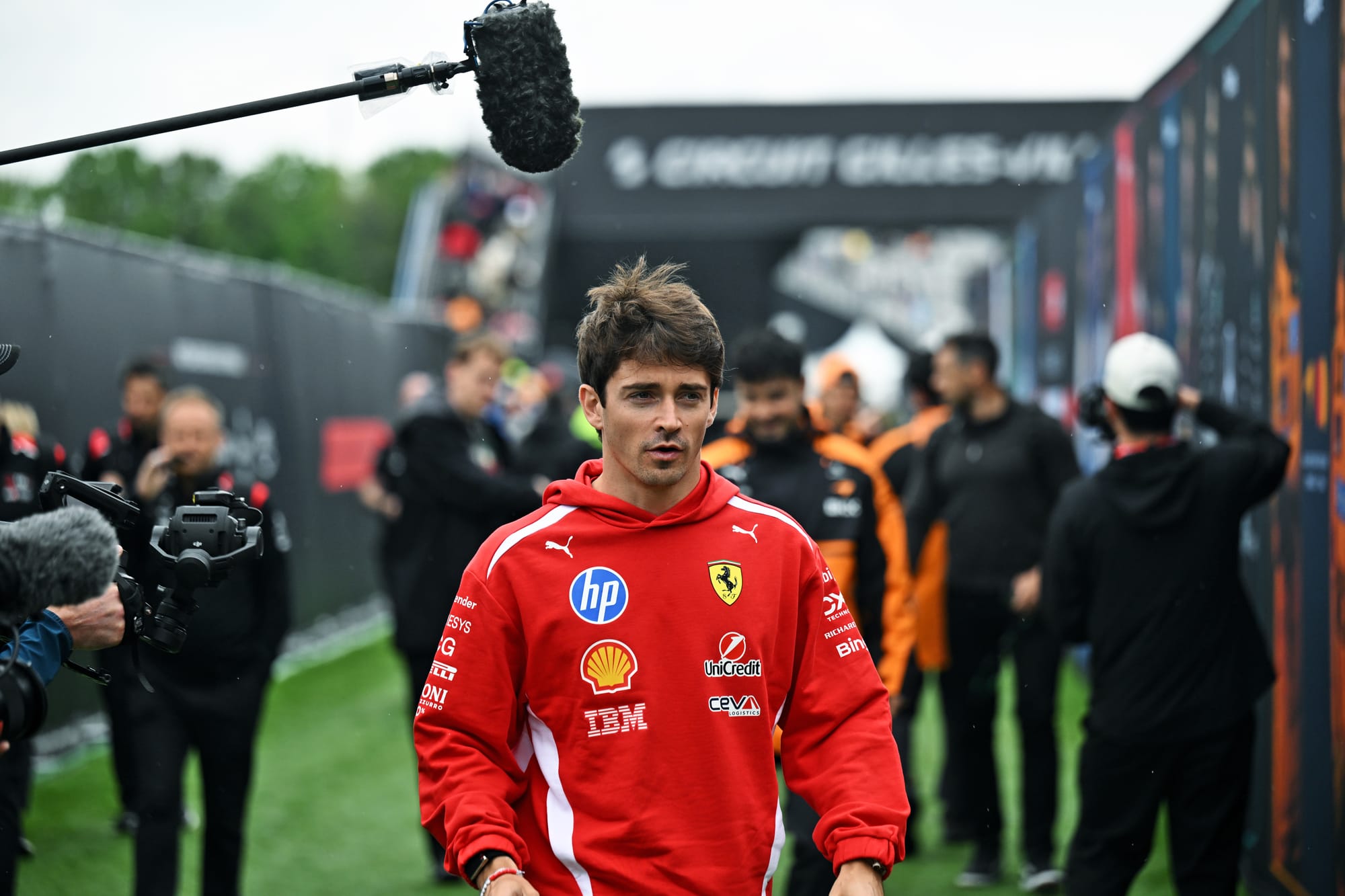
If the Ferrari is capable of being in the mix in Monaco, there will be a massive expectation that one or both of its drivers will be capable of getting the most out of it.
Lewis Hamilton is going to Monaco off the back of his strongest and happiest weekend in Ferrari colours in Canada. But let's see if he can piece it together on a unique weekend like Monaco and avoid another false dawn.
Leclerc is the really interesting one, because it's his home race, he always loves driving in Monaco, and is usually fantastically quick there.
And Leclerc is excited to qualify with the 2026 car for a change, primarily because of what the circuit is going to ask of the engines and batteries.
Like almost every driver, he is expecting Monaco to make for a more natural experience compared to what 2026 has felt like elsewhere. Ideally this means leaning on the car as much as possible, not worrying about battery recharging tricks or deployment complexities.
Leclerc is at his very best when he dances the car right on the edge of grip, with small slides and throttle and brake overlap. This manipulation is super effective when he is really in the swing of things in Monaco.
But with these engines, the complexities of how they work, the software involved and the rules around them, Leclerc's way of driving has run him into trouble.
Little lifts when correcting slides and getting back on full throttle means the engine has sometimes deployed electric power where it shouldn't for an optimal lap and he's been left lacking a critical bit of energy and power where it's more useful - most drastically in qualifying for the Chinese GP sprint race.
It's this Leclerc is referring to when he says he does not enjoy qualifying in these cars because you get disproportionately punished for the kind of driving that previously gave him an edge.
That could be better in Monaco this weekend. The batteries will be regularly topped up and there are not so many places where a long power run would be punishing if there is slightly less energy to play with.
And with this reduction in terms of how much maximum power is available with the Monaco-specific power cap, maybe it all adds up to mean that Leclerc won't necessarily be punished this weekend if he drives how he likes.
However, the fundamentals of the engine and the rules around using it are still there. They haven't just disappeared. So the actual consequences will be interesting to observe.
Maybe Leclerc will be the ultimate barometer for whether Monaco does give drivers the qualifying experience they are all hoping for. If he can be at his best, and if the Ferrari is as good as so many of its rivals are teeing it up to be, then this should be its best chance of beating Mercedes so far.
But that's a lot of caveating already for a scenario rivals are talking about as a sure thing.