Why F1 race starts will be much more difficult in 2026
Plenty has been said already about the energy management challenges that come with Formula 1's new 2026 cars.
But there is another key area where F1 drivers are going to face a bigger headache than before thanks to a combination of new systems and a fresh rule.
We are talking about race starts.
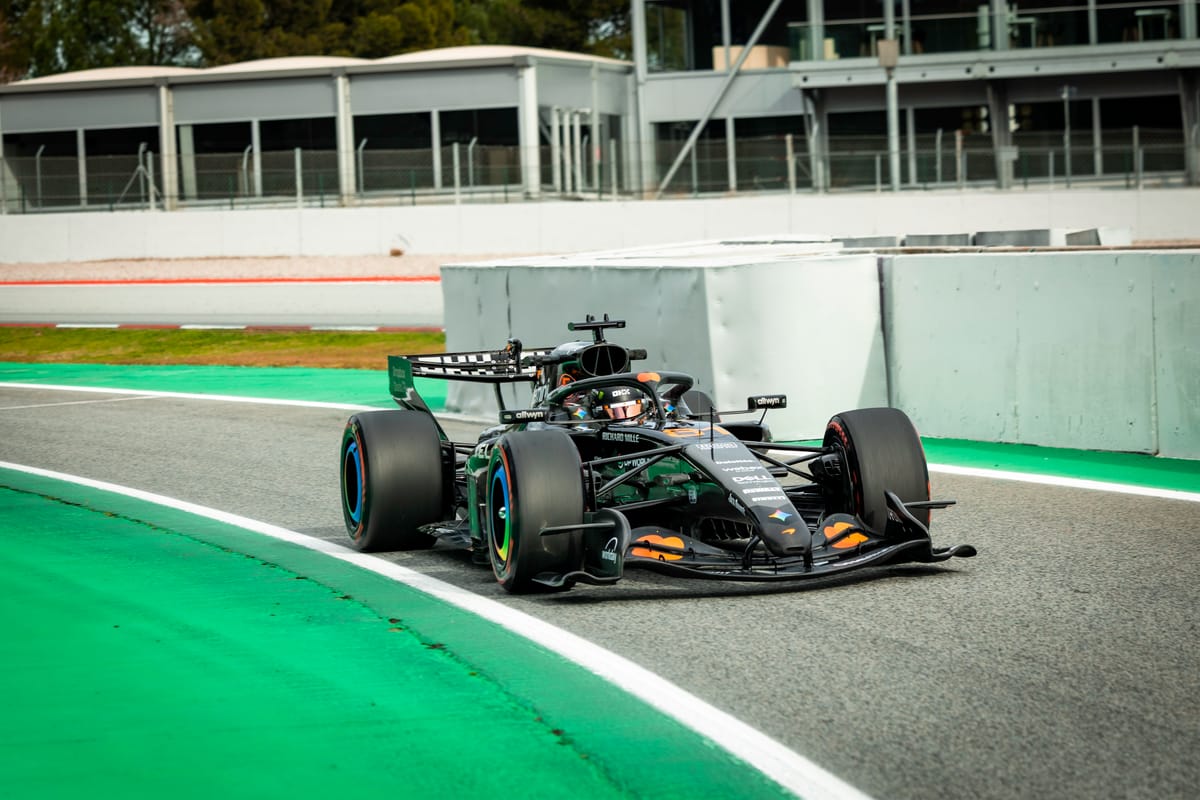
Anyone standing at the pitlane exit during F1's first pre-season test at Barcelona, to see drivers practicing their getaways, could not help noticing how different and clunky they looked.
From the perfectly balanced revs, clutch releases and getaways that became the norm with the previous generation of cars, early impressions of the 2026 cars are of things looking a bit more unrefined.
Once the car is stationary and the clutch is engaged, drivers are revving the engine a lot higher and for a lot longer than before.
But once the clutch is released, the high revs do not appear to translate to a lightning-fast getaway on the edge of perfect traction.
Instead the cars initially appear to bog down, and there seems to be a tremendous amount of inconsistency.
That external impression has been verified by those in the cockpit too - with world champion Lando Norris admitting that race starts are now going to be a step more difficult.
"It's quite a bit trickier," he said.
'Dodgy' gaps in power
The cause of this is three factors coming together: hardware changes on the car, reluctance to burn battery power for fear of running out later in the lap, plus a key new regulation regarding the initial getaways.
On the power unit front, F1's removal of the MGU-H has made turbo lag much more of a problem with the new generation of engines.
The MGU-H had previously been used as an electric motor to help spin up the compressor turbine, meaning it filled in power deficits triggered by lag so that acceleration remained instant and constant.
This is why starts were so good previously - because the turbo was primed to deliver the peak power for the getaway.
As Norris said about the new cars losing that tool: "You don't have the perfect amount of battery to kind of fill in the dodgy gaps."
Without the MGU-H, turbo lag can now only be overcome through two means.
One is to use the MGU-K and battery power to spool the turbo up, but this risks wasting energy that could be more useful later in the lap.
The other is to simply keep engine revs high, something which we have seen happening in corners as drivers aim to ensure the turbo is kept spinning so it's ready for the exit.
For the start, the option of using the MGU-K to keep the turbo spooled up is totally off the table.
Article 5.2.19 of the technical regulations states that when the car is on the grid prior to the start "the MGU-K torque may only be negative" - that is to say, charging the energy store - "except for torque requested by an MGU-K active damping strategy whose sole purpose is to protect the MGU-K mechanical transmission".
So drivers are not allowed to use the MGU-K to prep their turbo on the grid.
The only way to do it therefore is by keeping the revs super high so the compressor is spinning perfectly the moment the clutch is released.
But even once the clutch is released, restrictions remain in place for drivers which mean that any turbo lag still left in the system because they didn't execute things perfectly cannot be filled with the MGU-K.
In a perfect world, as the MGU-H did previously, the MGU-K would help fill in any power deficit to deliver the perfect start if drivers got it wrong before the lights went out.
Now, an all-new rule for 2026 outlaws any use of the battery power for the initial start phase.
Article 5.2.12 states: "During a standing start from the grid the MGU-K may only be used once the car has reached 50km/h."
The end result is that any driver that has not balanced the revs, clutch release and turbo speed perfectly for the getaway is going to have no means of recovering until they are up to at least this speed.
But even past the 50km/h point, it's not a given that drivers will want to tap into using battery power to help dig them out of a hole.
Right now, F1's 2026 cars are energy-starved, and that means drivers need to keep their batteries as charged as possible for the best points on each lap.
So while burning through energy would be logical in helping fill in for turbo lag on the run to the first corner, it would be wasted if that meant being left with an empty battery that makes you a sitting duck coming out of it.
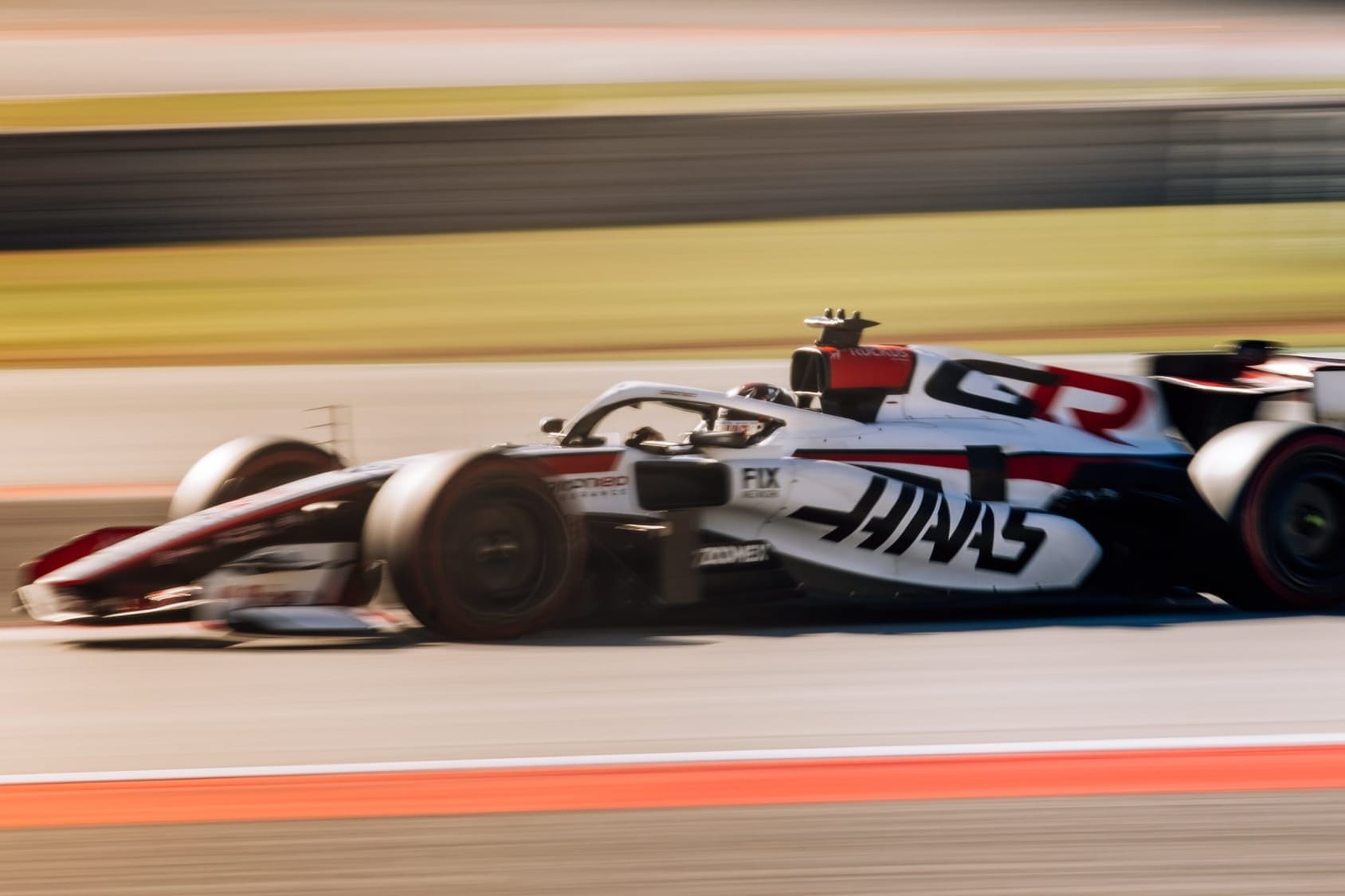
Haas driver Ollie Bearman was clear that using the battery to fill in for turbo lag is not the best approach.
"The battery has to kind of save you and give you that power. But of course, that's very inefficient," he said. "You don't feel the turbo lag, you just lose out on that time because you start clipping [running out of electrical energy] a bit earlier."
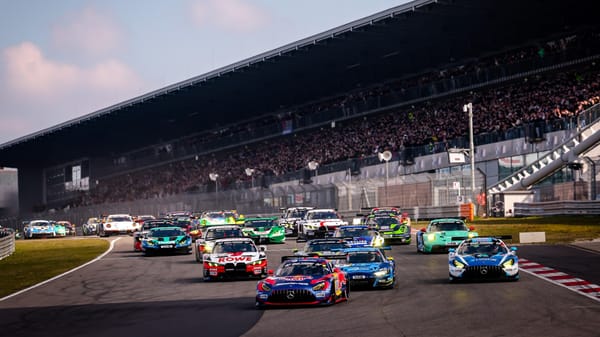
Everything has therefore come together to mean race starts will need a lot of work to perfect.
As Norris explained, it's an area of the race weekend now that is going to be very difficult to execute on many fronts.
"You [previously] used the battery to get the turbo perfectly balanced, and then you'd have just a very nice bleed out using battery and the combustion engine [together]," he said.
"Now it's a lot more complicated. As soon as you start to use any battery to help in any situation, you're just taking away a lot of battery to use for the rest of the lap.
"So you maybe have a better start, but you can also run out of battery by the time you get to Turn 1 - in some places like Mexico, for example. So, there's going to be some complications."