Why Cadillac is on target to clear its biggest F1 hurdle
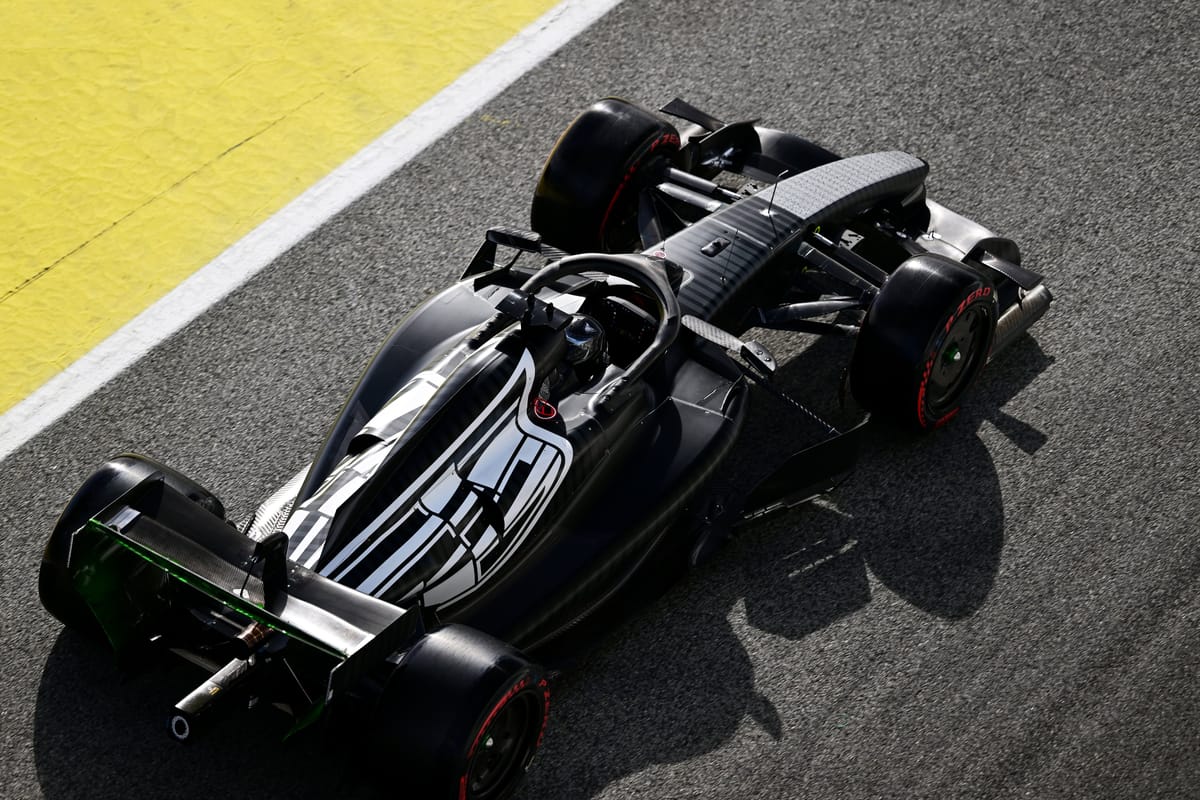
For most teams, being the slowest across five days of pre-season testing might be a cause for concern. That's not the case for Cadillac, which appears to have shown it has what it takes to clear the most important hurdle it faces in 2026.
Cadillac's first challenge was to get the car up and running in time for testing. It achieved that, firing up for the first time and running on a full-car dyno in December ahead of its on-track debut on a filming day at Silverstone on January 16. While only a handful of laps were completed, it was an important milestone and ensured it was ready to go at Barcelona last week.
After its first day of running in Spain, team principal Graeme Lowdon said "the key thing for us is debugging". Its three days on track were stuttering with only 164 laps completed, around a third of what Mercedes managed, but that was perhaps to be expected. Even so, it must do better in Bahrain to be ready for the Melbourne season opener.
But the pace was gently encouraging. Valtteri Bottas set the fastest Cadillac laptime, 4.572s off the quickest of the test set by Lewis Hamilton's Ferrari.
While not a particularly reliable indicator for the peak pace deficit, it at least hints Cadillac is in the ballpark of where it needs to be on speed. Bottas's time was 6% down, well within the 107% qualifying cutoff. Cadillac at least appears to have the pace required to make the grid, especially when you consider the 107% figure is calculated based on the Q1 pacesetter rather than the overall time.
Realistically, qualifying consistently and then being able to race reliably would constitute a victory for this new team, so hitting at least the first of those two targets appears to be within its grasp even if race distances might prove more difficult.
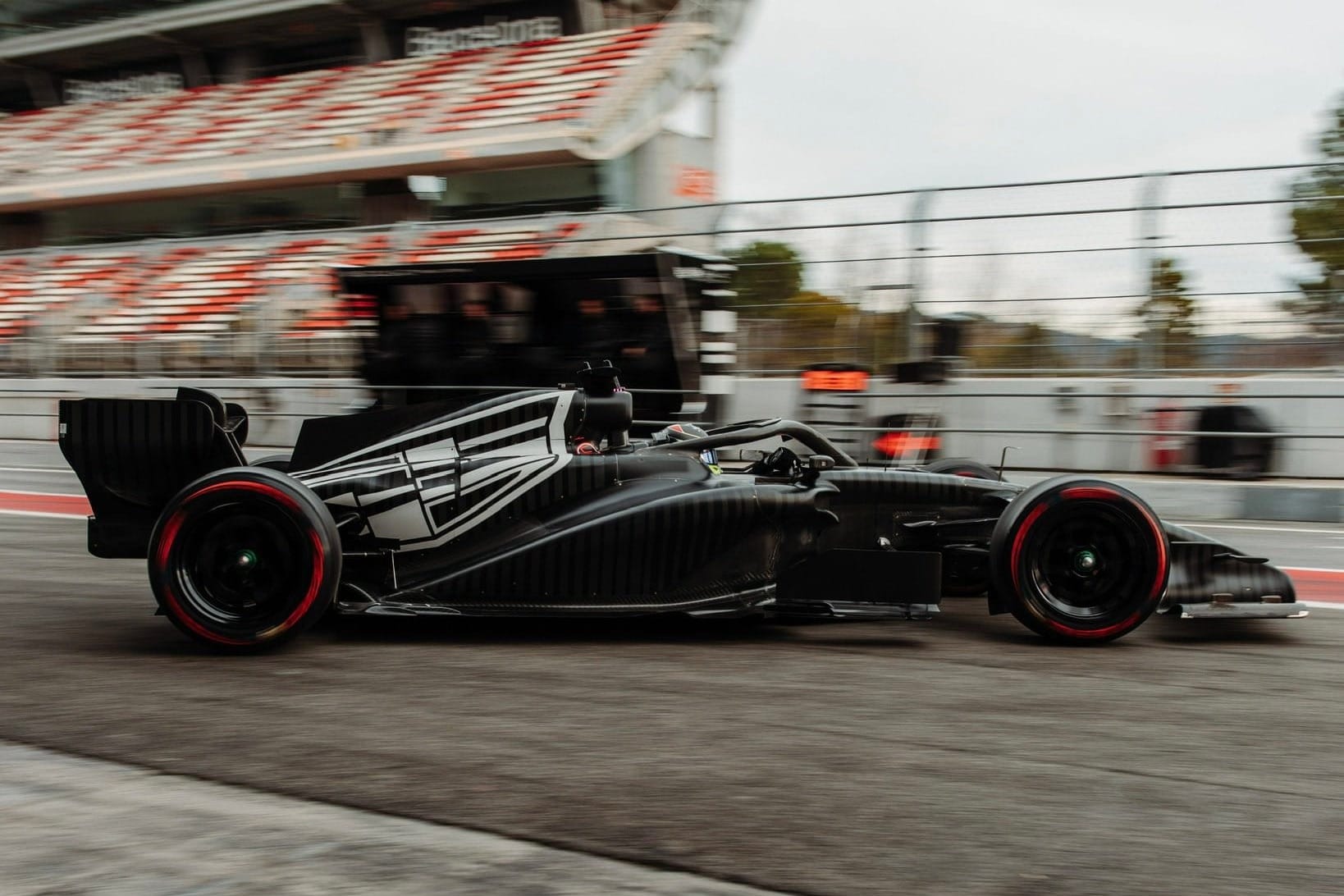
"The biggest takeaway is that I'm proud of everyone working so hard and being here with the car," said Bottas at the end of the Barcelona test.
"But also, we have a long way to go. We still have lots of problems to solve and a bit of a mountain to climb, but we are getting there, step by step. Each run, we're getting better and more together as a team, each run we're solving issues and going forward."
The scale of the challenge of creating a new team that's fit for modern F1, up against organisations that have been competing for at least a decade, cannot be underestimated. Every new part, process and facility has had to be built up, and both Cadillac's Silverstone base and the headquarters in Indiana won't be complete for some time.
Being not just at the back, but off it, was inevitable and that's why amid the expectations stoked by big statement moves such as its upcoming Super Bowl television advert 'launch', it's essential to be realistic about the short-term potential.
"It's an enormous challenge," said Lowdon of the task of pulling the team together. "This is the pinnacle of world motorsport, you can't just wander into this and perform.
"We calculated at the senior level we have something like two and a half thousand years of Formula 1 experience, but [only] around about 11 months of experience of working together. So it does take time.
"The team spirit is fantastic. This is a team game and everyone is really pulling together and working through the development of a Formula 1 car. People forget how complicated these cars are, unbelievably complex, and a typical team has a thousand people. It takes time to build that up, but I'm really pleased with the progress."
Cadillac must now build on the solid Barcelona start in Bahrain. That means not only performance running to make gains on that side of things, but proof of its reliability.
"The target for this week was very much shake down, ticking off various tests, things that are less performance-orientated," said Lowdon. "They're more to do with reliability and ensuring that we have a stable platform.
"Then Bahrain is much more of a focus on performance, actually trying to see how fast can we actually make the cars go."