The four leading F1 prospects on the 2026 F2 grid
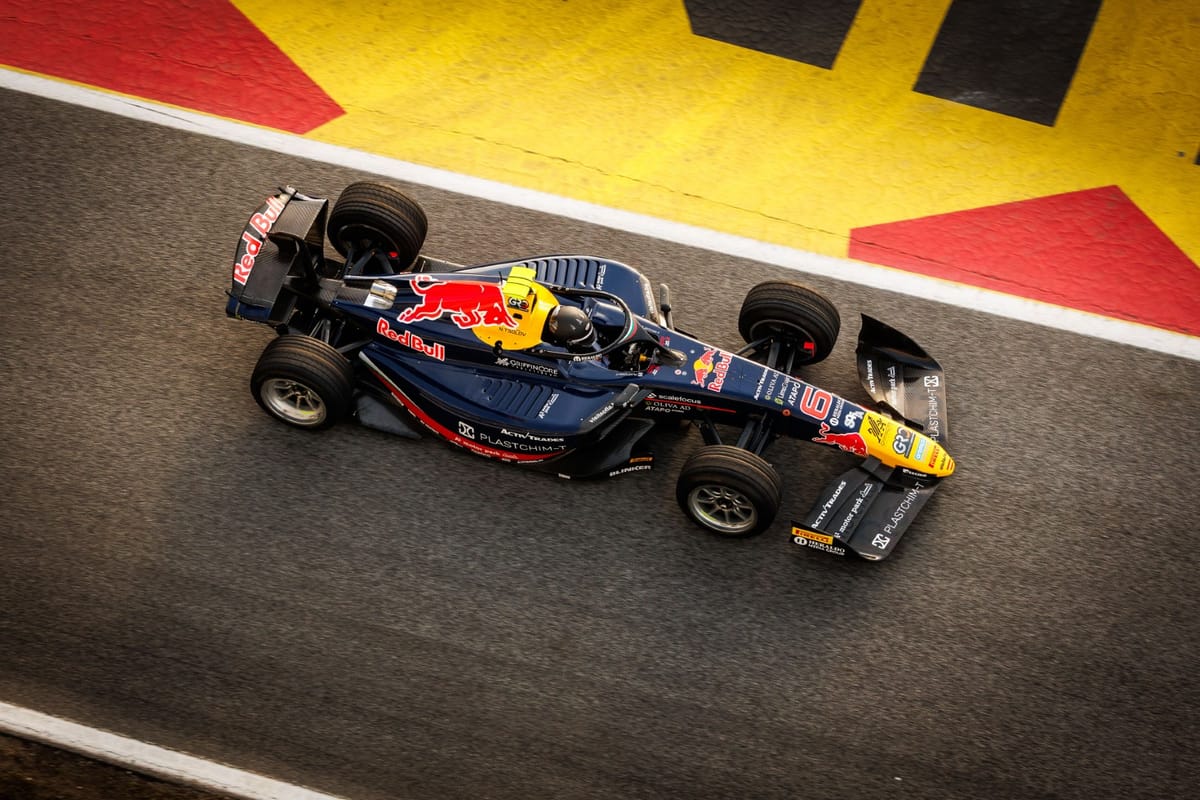

Formula 2 is verging on becoming an absolute necessity for any Formula 1 graduate, as it’s been nine years since a driver (Lance Stroll) has stepped up without racing in F2 (or the GP2 series it absorbed).
Every F2 season since its 2017 rebranding has featured a future F1 driver, so the question is - who is that graduate(s) on the 2026 F2 grid?
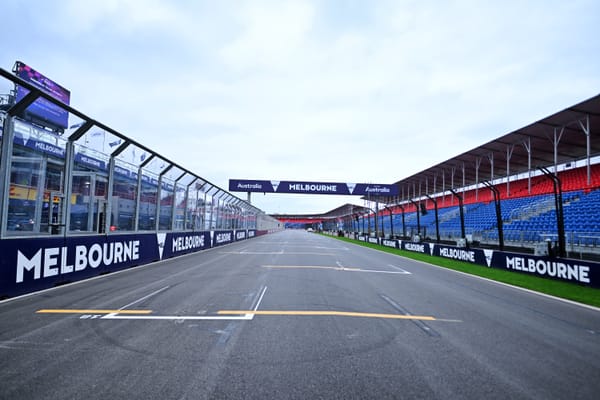
Below, we’ve picked out the key drivers to watch among the 22-driver field ahead of its season-opener alongside F1 in Melbourne this weekend.
A big career gamble
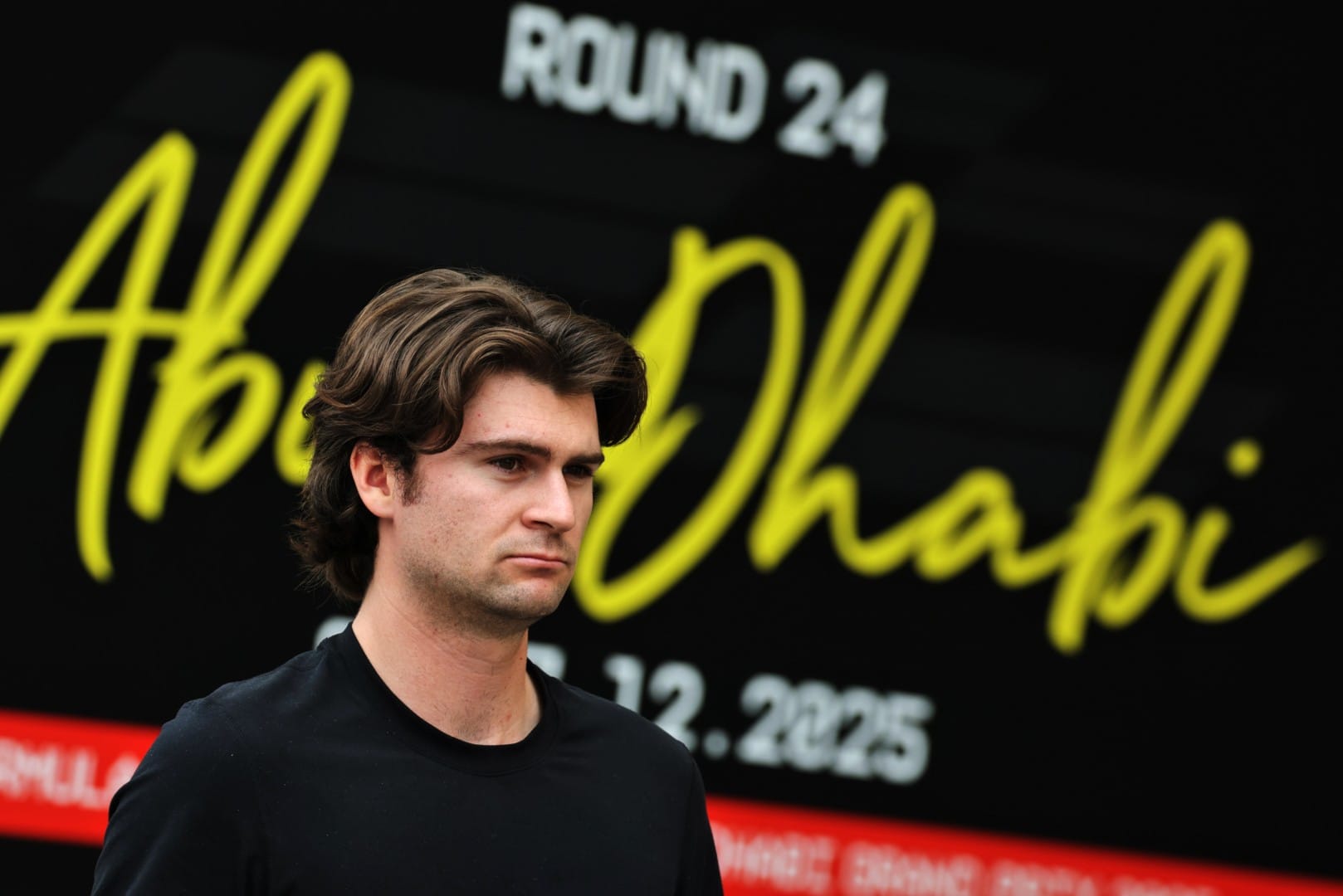
The obvious starting point is the driver who has walked away from a frontrunning IndyCar career to earn the F1 superlicence points he needs to make his long-chased F1 dream, which has already had multiple setbacks, a reality.
There was the potential Andretti buy-in of Sauber in 2021 that could have facilitated Colton Herta’s switch, then Red Bull’s failed bid to bring him to AlphaTauri for 2023.
But now Herta has his most realistic chance yet, with Cadillac now actually on the F1 grid and Herta serving as its test driver.
First, though, is the small matter of cracking F2. No easy feat even for a seven-time IndyCar race winner like Herta. Just look at Herta’s 2026 Hitech team-mate Ritomo Miyata, who went from Super Formula champion in 2023 to 19th and 17th in two years of F2 in 2024 and 2025.
There are so many variables in F2, some within and some beyond the control of the driver. The right environment is crucial, and Herta has at least picked well with Hitech.
The team - founded and led by ex-Alpine F1 team boss Oliver Oakes and with new Chinese investment for 2026 - has won races every year since it joined F2 in 2020.
It’s never taken a driver to the title - Paul Aron’s third in the points in 2024 is still its high-water mark - but it has been a reliable frontrunner.
And the tentative early evidence from F2’s pre-season Barcelona test is that Herta is in the right ballpark at least, as his fastest lap was within six tenths of the pacesetter.
Fastest Barcelona F2 test times
1 Rafael Camara (Invicta) 1m23.252s
2 Noel Leon (Campos) +0.274s
3 Tasanapol Inthraphuvasak +0.396s
4 Nikola Tsolov (Campos) +0.402s
5 John Bennett (Trident) +0.412s
6 Laurens van Hoepen (Trident) +0.419s
7 Martinius Stenshorne (Rodin) +0.445s
8 Gabriele Mini (MP) +0.469s
9 Nicolas Varrone (VAR) +0.508s
10 Oliver Goethe (MP) +0.541s
11 Colton Herta (Hitech) +0.571s
12 Mari Boya (Prema) +0.571s
But Herta’s first time racing in Melbourne will be a proper test of where he really stacks up in a highly competitive field.
A top-eight position in the championship would give Herta his missing superlicence points, but he’ll need to do more than just collect his superlicence points to justify Cadillac dropping either of its F1 race winners anytime soon.
This season is far more about what Herta can show from his tenacious career gamble. In the same way the likes of Ollie Bearman and Kimi Antonelli were able to show their potential even though neither finished inside the top five in the points across their three collective F2 seasons.
Herta’s experience dealing with the spotlight and pressure at the Indianapolis 500 will come in handy, because no other F2 driver in 2026 is going to come under as much scrutiny as Herta will.
Ferrari’s champion
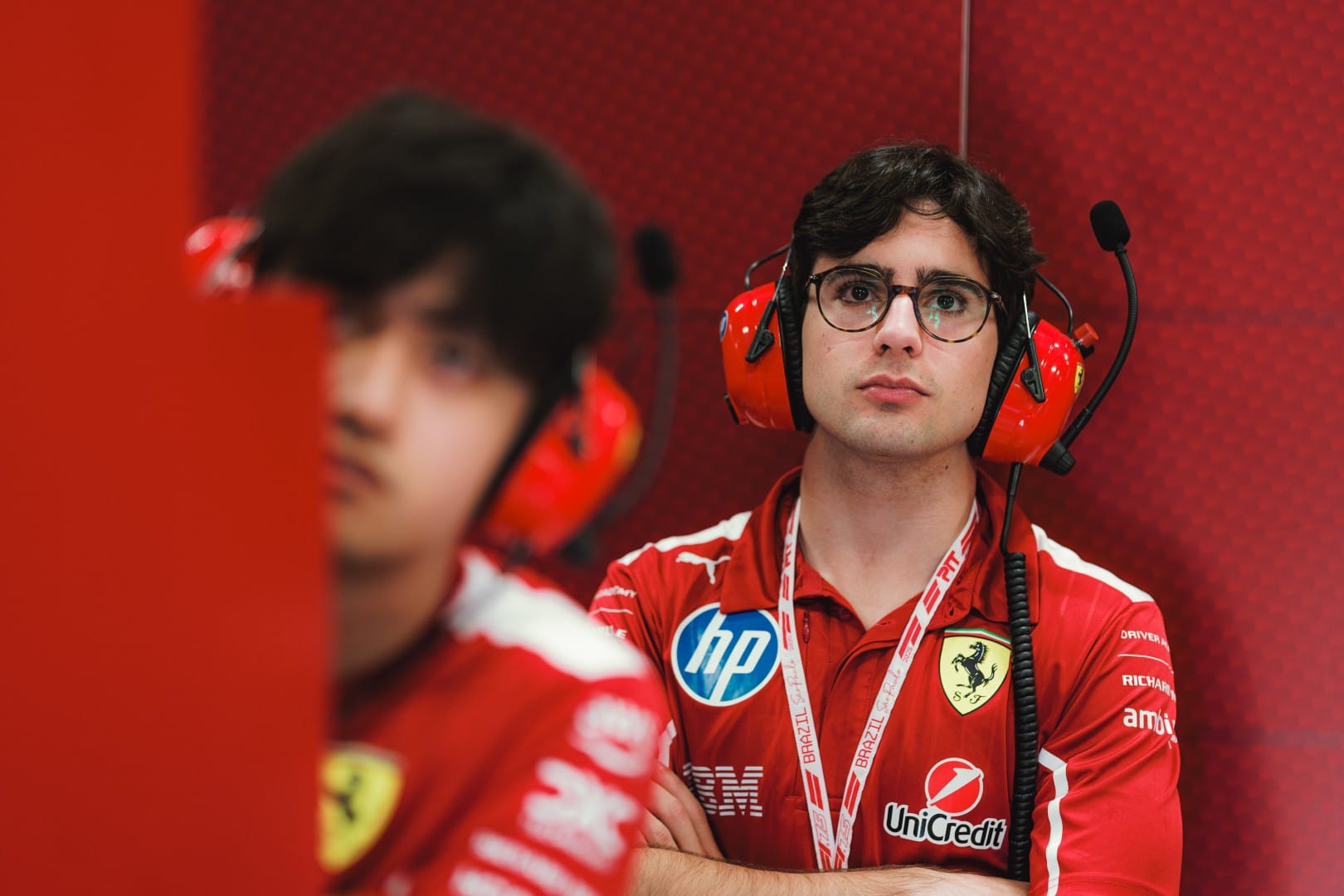
Rafael Camara has transformed his career prospects from seemingly looking second-best as team-mate to Antonelli in Formula 4 and his first year of Formula Regional, to becoming the most convincing Formula 3 champion in years in 2025.
Camara controlled the F3 championship with a level of consistency few others have managed, earning five pole positions and four feature race wins - more than any other F3 champion since its relaunch in 2019.
He makes a strong case for being well-placed to jump Dino Beganovic as the next-in-line in Ferrari’s driver academy, too, for F1 graduation.
Beganovic has made his FP1 debut already, unlike Camara, but his F3 record (6th in both his two F3 seasons) isn’t as strong as Camara’s and his rookie F2 season was solid, rather than deeply impressive. Beganovic will look to change that, back at the DAMS team he made his first four F2 starts with in 2024.
2026 F2 grid in full
Invicta: Rafael Camara/Joshua Duerksen
Hitech: Ritomo Miyata/Colton Herta
Campos: Noel Leon/Nikola Tsolov
DAMS: Dino Beganovic/Roman Bilinski
MP: Gabriele Mini/Oliver Goethe
Prema: Sebastian Montoya/Mari Boya
Rodin: Martinius Stenshorne/Alex Dunne
ART: Kush Maini/Tasanapol Inthraphuvasak
AIX: Emerson Fittipaldi Jr/Cian Shields
Van Amersfoort: Nicolas Varrone/Rafael Villagomez
Trident: Laurens van Hoepen/John Bennett
As for Camara, he’s driving for the Invicta team that has taken Gabriel Bortoleto and Leonardo Fornaroli to F2 titles as rookies, both fresh from winning the F3 title like Camara. He’s team-mates with new Mercedes F1 development driver Joshua Duerksen.
And ominously, Invicta team boss James Robinson described pre-season testing as feeling “very much like we've picked up from where we left off after Abu Dhabi”.
Camara spent a lot of pre-season testing at the top of the timesheets, even though that’s far from a guarantee of success.
But being such a convincing F3 champion and partnering with F2’s strongest team, Camara has to start the season as arguably the championship favourite.
Dunne's fresh start
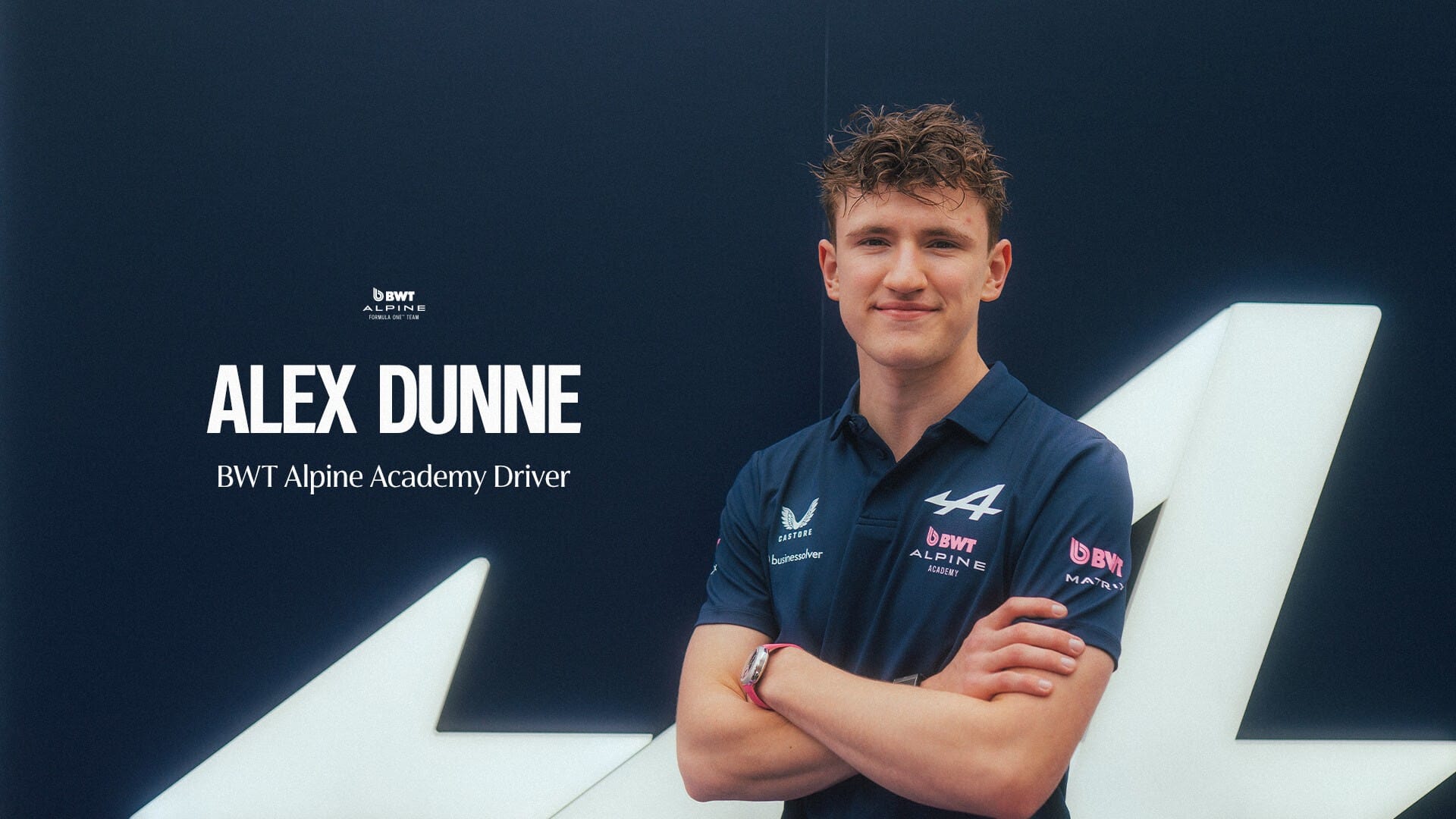
The highest-placed returning driver from 2025 is Alex Dunne, who ended up fifth in the championship last year, having led the standings until June.
Every driver can point to misfortune or bad luck after a 14-round season, but it’s hard to argue against the notion that Dunne had more lost points than any other driver last year. Perhaps even enough to have threatened Fornaroli for the title.
For example, technical infringement penalties outside of his control in Austria and Spa shipped 43 points, he lost a chunk of points for causing a start pile-up in Monaco, so too when Arvid Lindblad ran into the back of him at Monza.
That all happened with the backdrop of Dunne’s arrival on the F1 stage and some important decisions about his future.
Dunne announced himself with a standout practice debut at the Austrian GP for McLaren and soon Red Bull appeared to be sniffing around him.
Seemingly, Helmut Marko trying to sign Dunne (against the will of the shareholders) played a role in Marko’s Red Bull exit at the end of 2025. But either way it meant Dunne wasn’t Red Bull-bound nor was he going to stay with McLaren, with no clear openings in its F1 team for the foreseeable future.
Hence, a new partnership for 2026 with Dunne becoming the most prominent member of the Alpine driver academy.
Given the uncertainty over Franco Colapinto’s future throughout much of the latter half of 2025, there is at least a potential opening for Dunne there, if he can perform in 2026.
As Flavio Briatore said when Dunne was announced as an Alpine junior on the eve of the Australian GP, “the goal is very clear: to win the drivers' championship”.
Sticking with a Rodin environment in which Dunne appeared to flourish after a difficult Formula 3 campaign is a wise choice, but being the highest returning driver is no guarantee of being a title contender.
Standout rookies like Robert Shwartzman (fourth in 2020), Theo Pourchaire (fifth in 2021), Victor Martins and Ollie Bearman (fifth and sixth in 2023) all failed to win the title when they returned the following year.
In fact, no second-year F2 driver (as Dunne is) has won the GP2/F2 title since Mick Schumacher took the F2 crown in 2020.
Should Dunne change that - and continue to impress in F1 machinery - then you’d have to imagine F1 graduation would follow.
Want more F1 feeder series content? We’ve recorded the first episode of an 2026 F2 podcast, exclusive to The Race Members’ Club. If you’re not a member yet, you can get 90% off your first month right here.
Red Bull’s next hope?
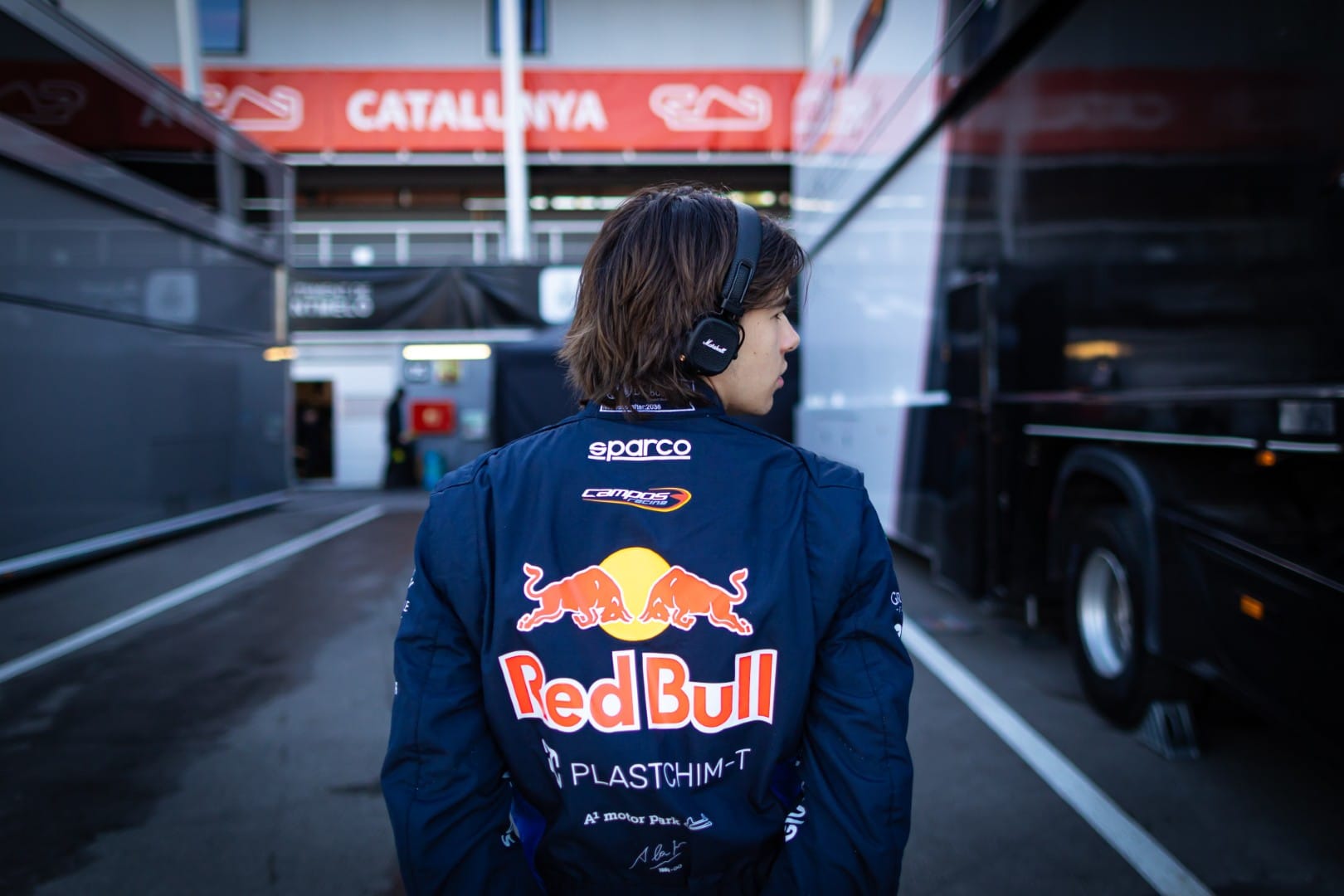
When talking about potential F1 drivers, given that it has the biggest pipeline into F1 with four seats on the grid, Red Bull’s driver academy is always worth a mention.
While it had as many as six drivers in F2 as recently as 2023, Red Bull has just one junior driver in F2 this year: Nikola Tsolov.
He was Camara’s closest rival in F3 last year and while that was his third season F3, the 19-year-old Bulgarian had had just one year of single-seaters prior.
Tsolov has also been piped into the Campos seat occupied by Red Bull’s two most recent F1 graduates Isack Hadjar and Lindblad.
So he’s in the right place and he did make an impressive start to life in F2 last year when he scored points on his maiden weekend in Qatar, then picked up a reverse-grid podium one week later in Abu Dhabi.
On both weekends, he sensationally outqualified Campos team-mate Lindblad - and he has repeated that impressive raw speed throughout pre-season testing.
Who else will be in the title fight?
The 2024 F3 runner-up Gabriele Mini (also an Alpine junior along with Dunne and fourth-year F2 driver Kush Maini) will be hoping a switch to MP, in place of Richard Verschoor, will deliver better results than his tricky rookie year with Prema did.
Mini could be a dark horse given all the flashes of promises he’s shown, including a podium on his maiden F2 weekend and qualifying quickest in only his second F2 weekend.
Aston Martin junior Mari Boya, third in F3 last year, has taken Mini’s Prema seat to partner Sebastian Montoya in his second year in F2.
Prema - having undergone a major leadership shift in the off-season - appears to have fallen a long way from its former F2 domination days. It’s currently in its longest spell without an F2 feature race win (19 months).
Herta’s Hitech team-mate Miyata - a Toyota junior and the aforementioned Super Formula champion - will be looking for results to finally justify his switch from racing in Japan.
Camara’s Invicta team-mate Duerksen can’t be ruled out of contention either given how strong his peaks have been - two feature race wins with one of F2’s smallest teams AIX.
Ex-McLaren junior Martinius Stenshorne partners Dunne at Rodin. He looked stronger than the end results (two points in six races) of his first three weekends in F2 showed.
The 25-year-old Argentine Nicolas Varrone is the other big series switcher as he’s rejoining the single-seater ladder he left in 2020 (while racing in BRDC Formula 3) to build a successful sportscar career including two class victories at the 24 Hours of Le Mans.