

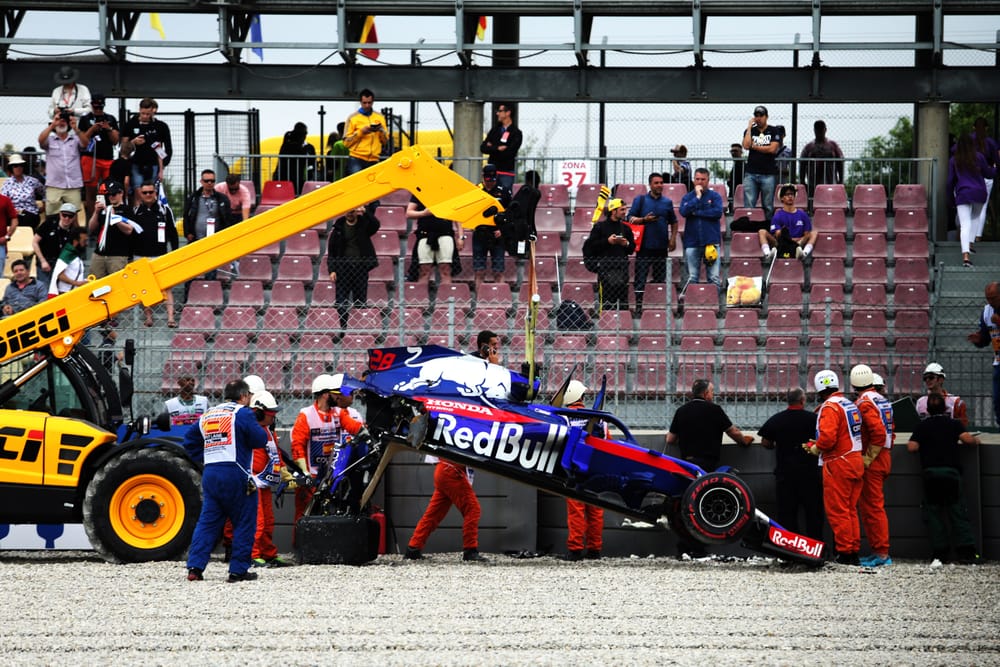
Red Bull's Formula 1 driver line-up is changing yet again for 2026 and there's a lot at stake - but these latest decisions will have to backfire quite spectacularly to end up among Red Bull's worst.
Here's our ranking of its harshest actions.
10 A mid-season debut with no testing
Red Bull's second team was created precisely to develop drivers for Red Bull Racing and that's still a key purpose today - hence Arvid Lindblad making his F1 debut with Racing Bulls in 2026.
So throwing rookies into F1 is nothing new. But some rookies have it harder than others.
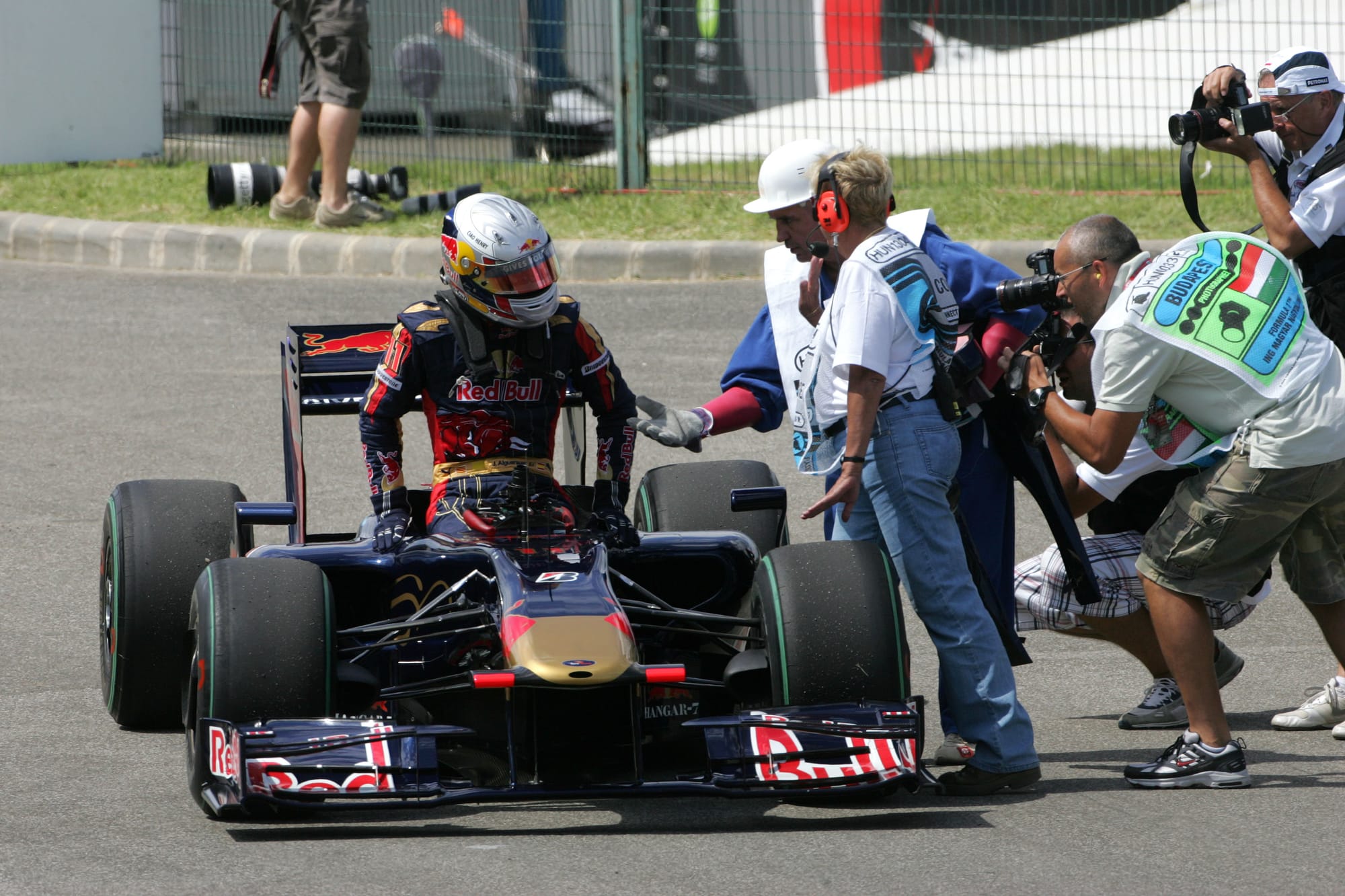
Back in 2009, Red Bull suddenly disposed of the underperforming Sebastien Bourdais mid-season and put Jaime Alguersuari in his seat instead.
Alguersuari was only 19 and became F1's youngest ever driver when he drove in the Hungarian Grand Prix.
So this was uncharted territory and made even more extreme by the fact he'd not even completed any proper F1 testing - only straightline running in private shakedowns.
In-season testing was banned, which was part of Red Bull's justification as it felt it could not prepare Alguersuari for a full-time F1 seat any other way than chucking him into that race seat mid-season.
Alguersuari performed well in the circumstances and went on to get two full seasons, scoring 31 points and a best finish of seventh, before getting dropped at the end of 2011.
He then retired from motorsport a few years later aged just 25, so the only thing that early start really fast-tracked was the end of his career.
9 The first big driver fallout
Nobody, not even Scott Speed himself, has a problem with Red Bull actually getting rid of him mid-season in 2007.
He was sick of Toro Rosso's then-bosses Franz Tost and Gerhard Berger and they were clearly sick of him...
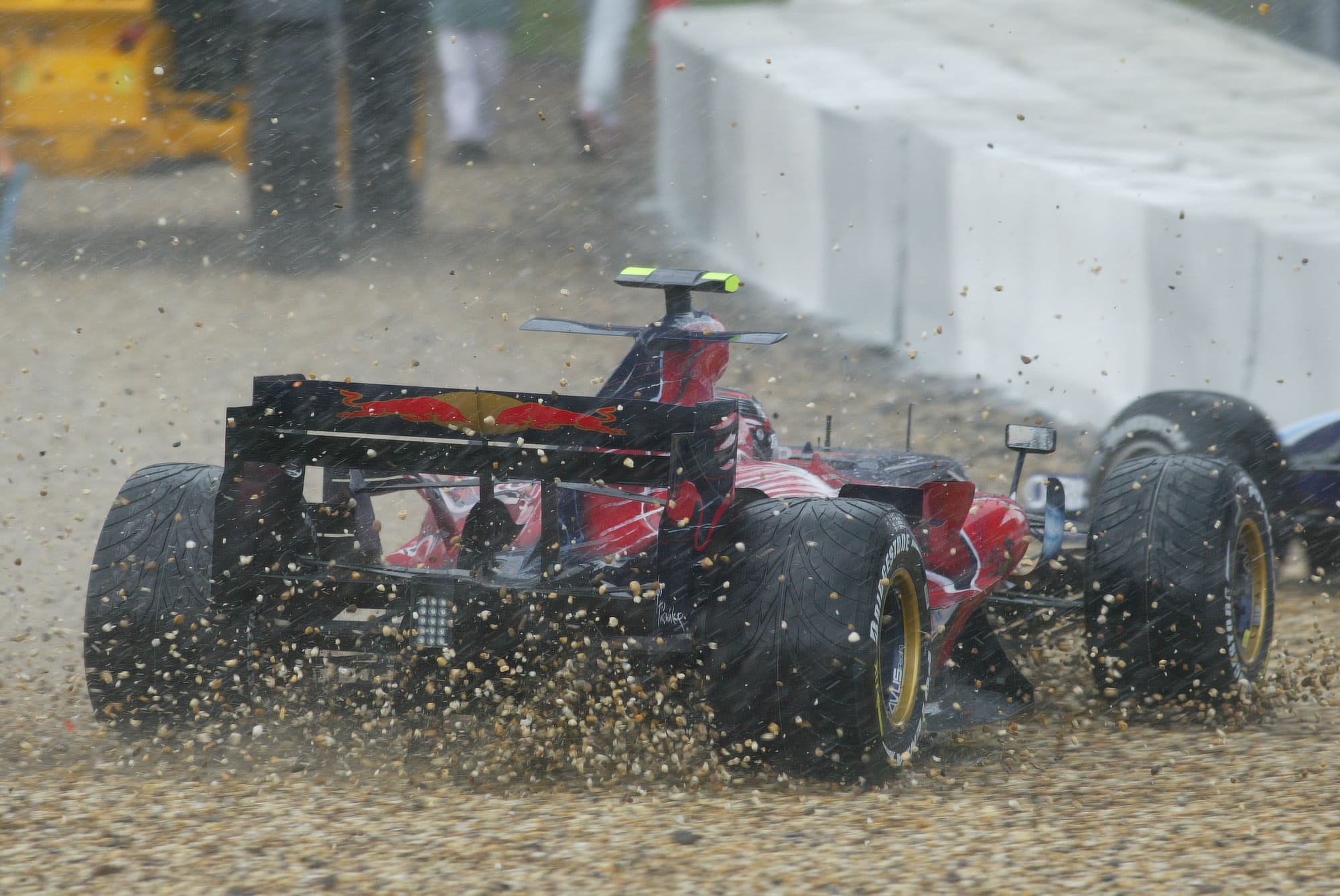
After crashing out of the European GP like several others in the infamously wet opening laps of the race at the Nurburgring, Speed royally upset Tost when he returned to the garage.
Speed alleged that Tost grabbed him by the neck afterwards, and has since come to admit: "I probably would have acted the same way. I showed him zero respect. I was just this young cocky kid."
Speed was mediocre at best in F1 and never scored a point. Picking him was valid after he finished third in GP2 and the US driver search was just a big Red Bull F1 priority at the time.
But it proved to be a terrible choice in hindsight and even by Red Bull standards the falling-out was very bad.
8 Briefly giving up on its own
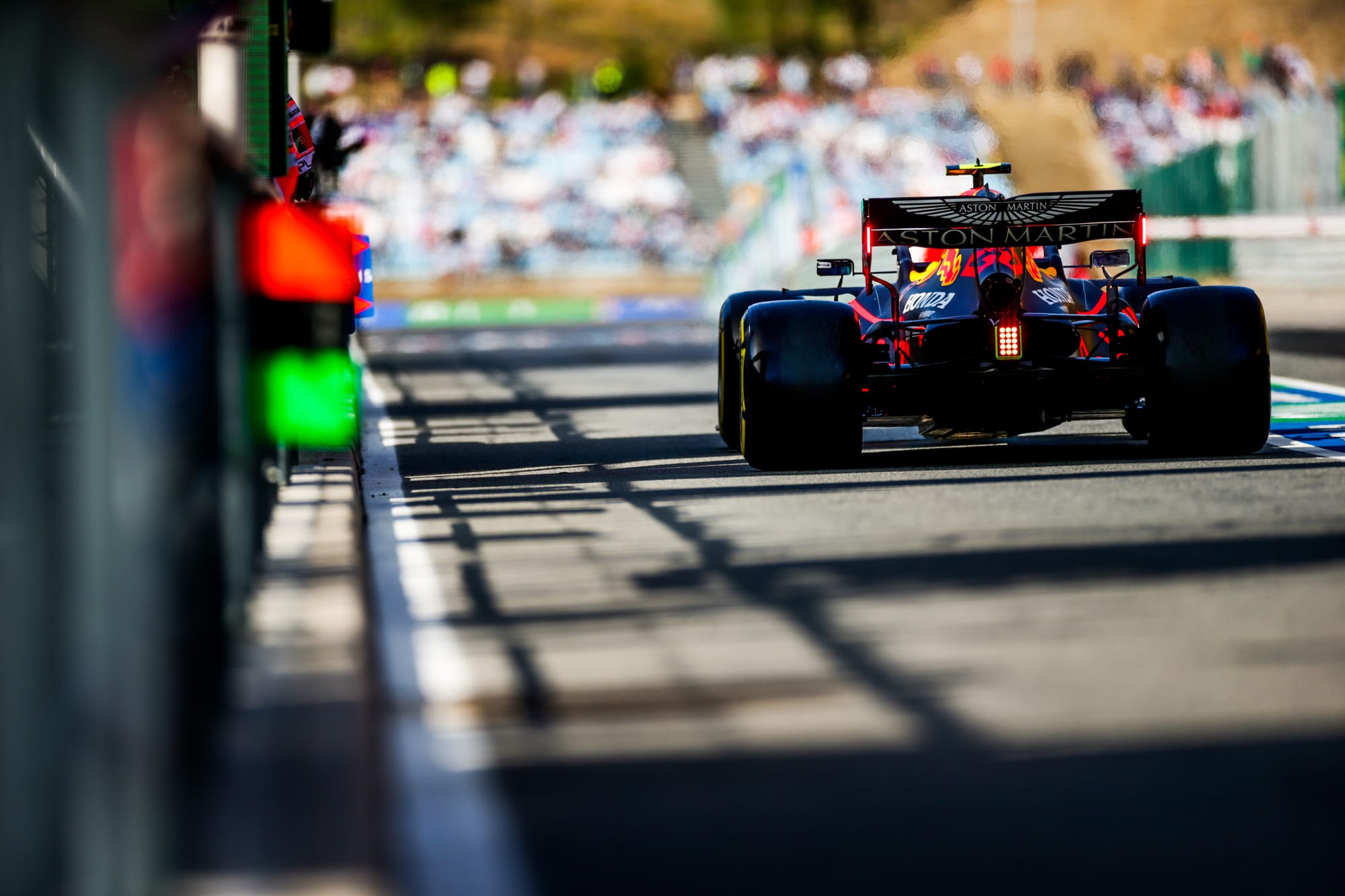
Having dumped Alex Albon as a junior driver seven years earlier, Red Bull pulled him out of a Nissan Formula E deal at the last minute to make him a 2019 Toro Rosso driver.
Then a few months later, Albon was thrust into the senior team to replace Pierre Gasly.
Albon actually managed that pretty well and his half-season was a decent foundation for a full year alongside Max Verstappen in 2020.
But that strange, condensed COVID-19 season made it tough for Albon to get on top of a car he described as handling like a video game controller with the sensitivity turned up to maximum.
And even though he ended with a reasonable run of results, Red Bull decided he wasn't going to cut it after just one-and-a-half seasons of trying.
That's a decent innings by present-day standards. But it represented Red Bull briefly giving up on its own drivers as it turned to the experienced Sergio Perez instead.
As Albon had come into F1 with Red Bull because of a lack of options in its driver pool, his stint may also be considered the moment a once-great junior programme started to get seriously questioned.
And as Albon is among the many ex-Red Bull drivers thriving elsewhere, now with Williams, it's fair to conclude he was not the only problem.
7 A third stint at the junior team
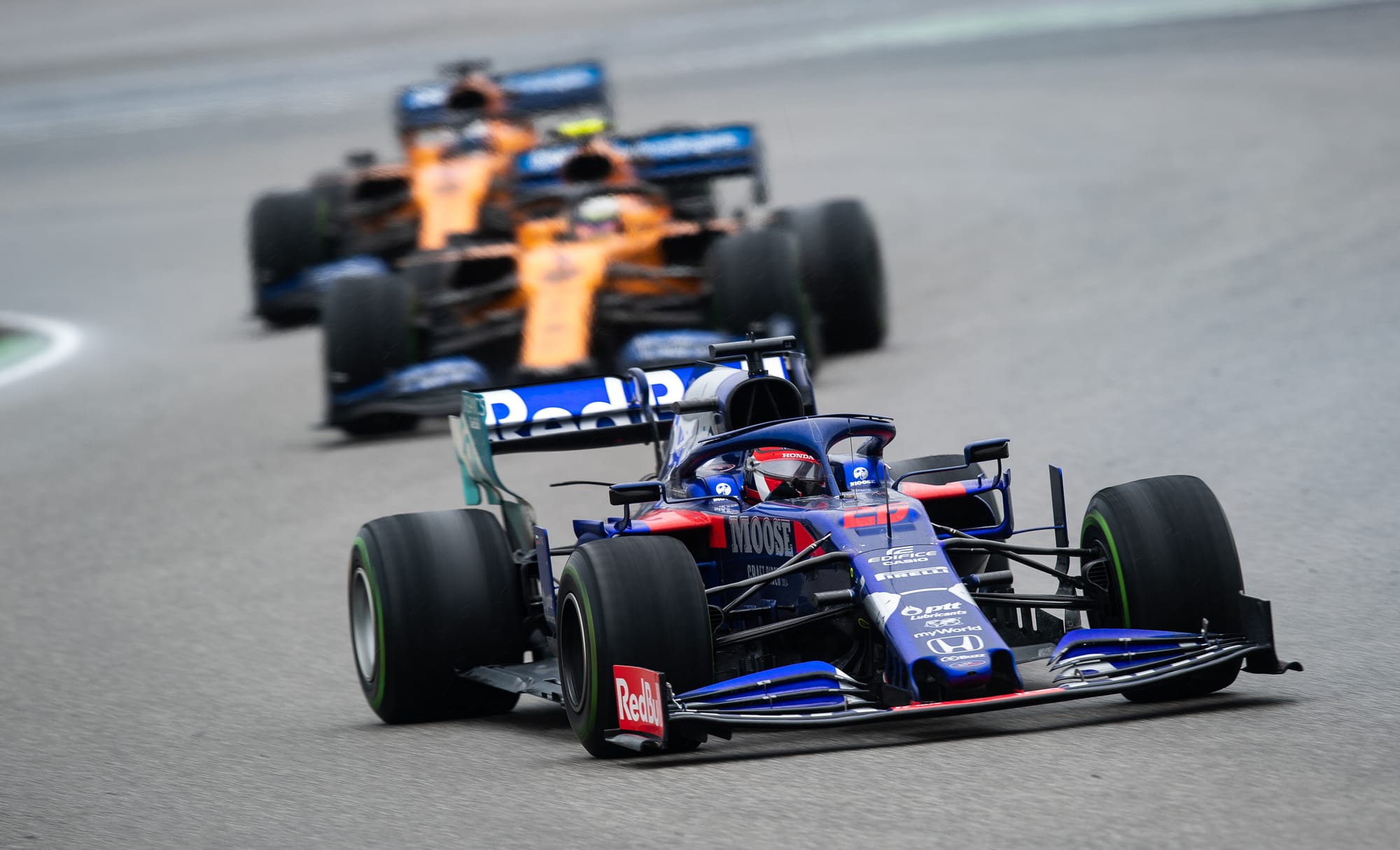
Daniil Kvyat's original demotion in 2016 came after a major mistake in his home race in Russia, but just one race before that he'd scored his first podium of the season. And we'd be including that relegation in this list on its own were it not for his replacement being Verstappen...
So it at least made sense who Kvyat was being kicked aside for, and he was given a second chance at Toro Rosso before being dumped from Red Bull's F1 teams completely towards the end of 2017.
Kvyat stayed in F1 with a Ferrari test and reserve role - then Red Bull gave him a third spell at the junior team in 2019.
Daniel Ricciardo's shock exit and an avoidable oversight on Dan Ticktum's superlicence eligibility made Red Bull realise it was embarrassingly low on options.
Promoting Gasly to Red Bull Racing left two seats to fill at Toro Rosso: and both ended up going to former Red Bull rejects in Albon and Kvyat.
Kvyat was a useful, experienced reference (he scored a podium in Germany) so there was some logic. But that an organisation like Red Bull let itself be so deprived of good enough talent that it had to run him at Toro Rosso for a third time reflects some pretty terrible management.
6 A messy in-season overhaul
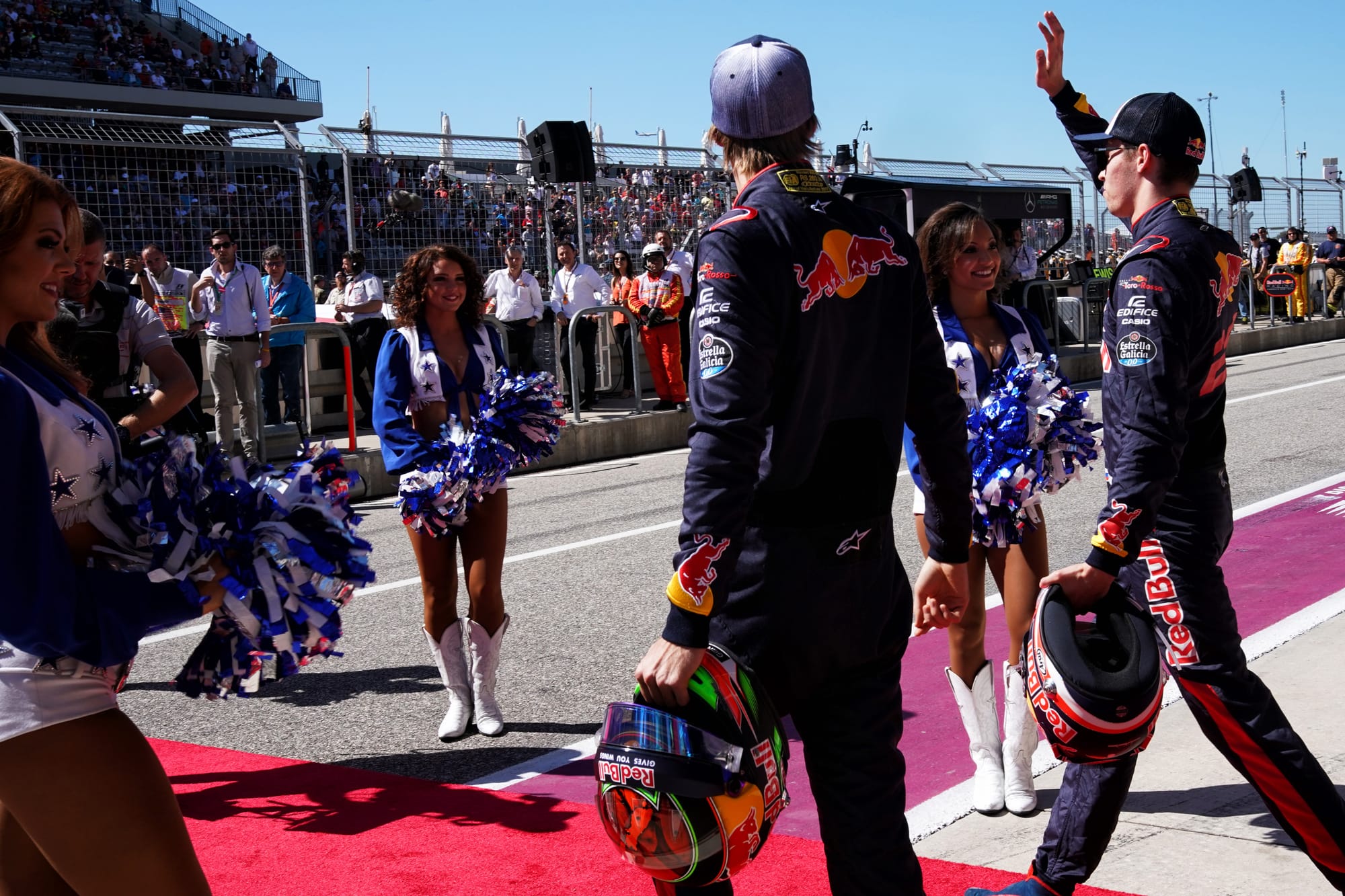
Like Red Bull through the 2010s, Kvyat isn't disappearing from this list just yet.
Kvyat had only stayed on at Toro Rosso in 2017 because Red Bull didn't fully trust new GP2 champion Gasly, even though he'd just won a championship no Red Bull junior had won before.
But with Kvyat toiling, Red Bull opted to replace him with Gasly for the final six rounds. Gasly joined Carlos Sainz for the next two grands prix but there were then two more problems.
Red Bull let Sainz join Renault for the final four races of 2017 as part of a chain including Toro Rosso vacating its Renault engine deal for 2018, so it could take over McLaren's Honda supply instead.
The first of those races? The United States GP, which Gasly missed as he was allowed to conclude his main programme in Super Formula, where he was vying for the title with Honda.
So Toro Rosso needed a complete one-off line-up change. This led to the leftfield choice of sportscar driver Brendon Hartley, and a brief recall for Kvyat - who scored a point!
Meanwhile, Gasly didn't get to race in his Super Formula finale anyway as it was called off because of a typhoon.
5 Verstappen's first real victim
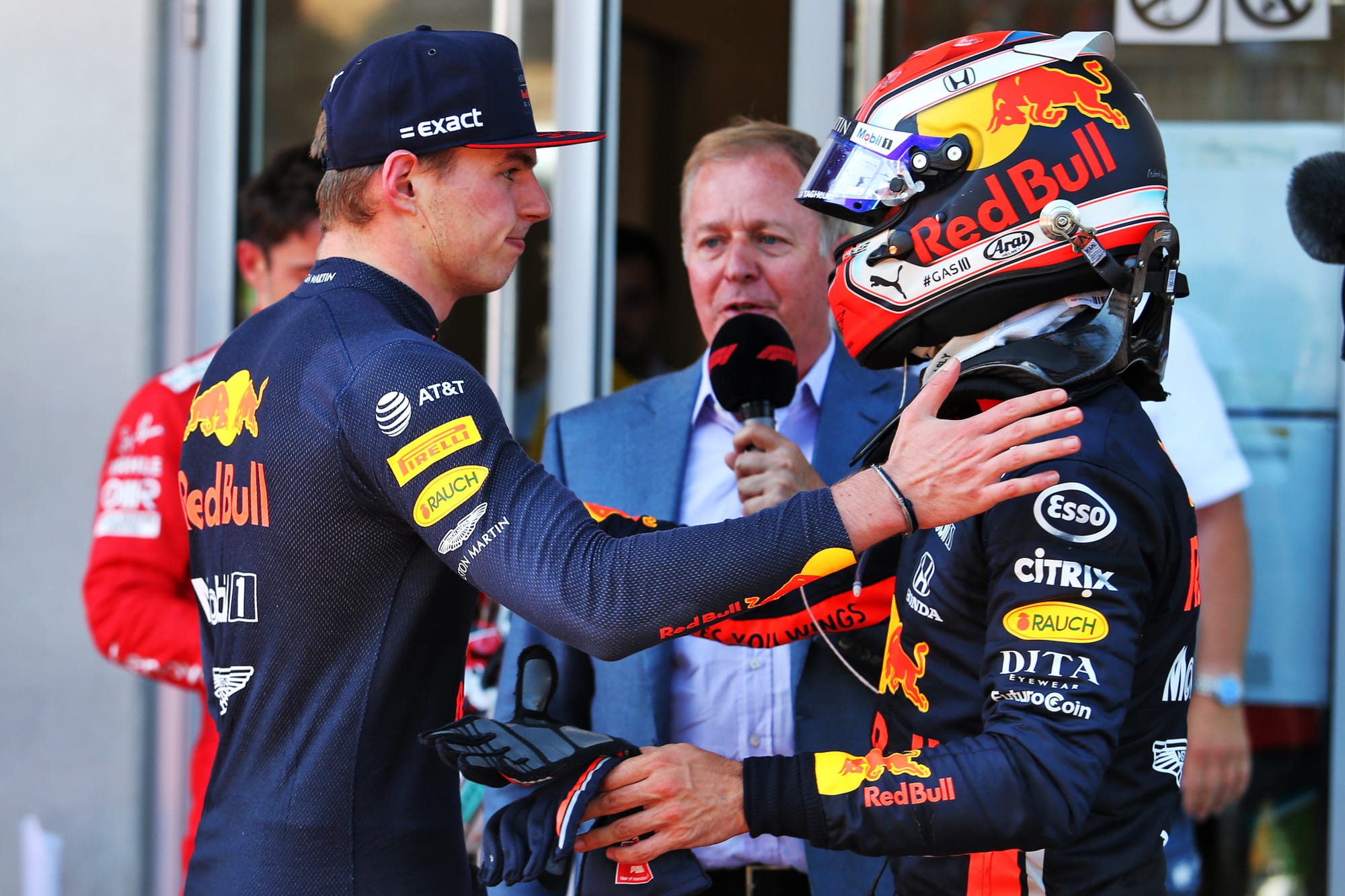
Red Bull can't really be blamed for ending up on the back foot with its driver plans in 2019 given Ricciardo's decision to join Renault came suddenly.
But Gasly should have had two full seasons under his belt at Toro Rosso when the call came to join Red Bull Racing.
Instead he'd contested those final few races in 2017, and then the 2018 season. Promoting him was right but Red Bull could and should have done more to ensure he was ready to start with.
His crash-hit pre-season and internally criticised attitude over the first half of 2019 obviously didn't help matters, and maybe this was never destined to be a workable fit.
After an uninspiring run of results, Red Bull spent the final weeks before the summer break insisting that Gasly was safe - only to demote him in August anyway and make him the first real victim of 'Verstappen the team-mate destroyer'.
Getting rid of him after just half a season was too hasty and has aged poorly with Gasly's performances elsewhere plus the gradual realisation that Red Bull's cars have been as much the issue as the drivers.
4 An unusual stop-gap
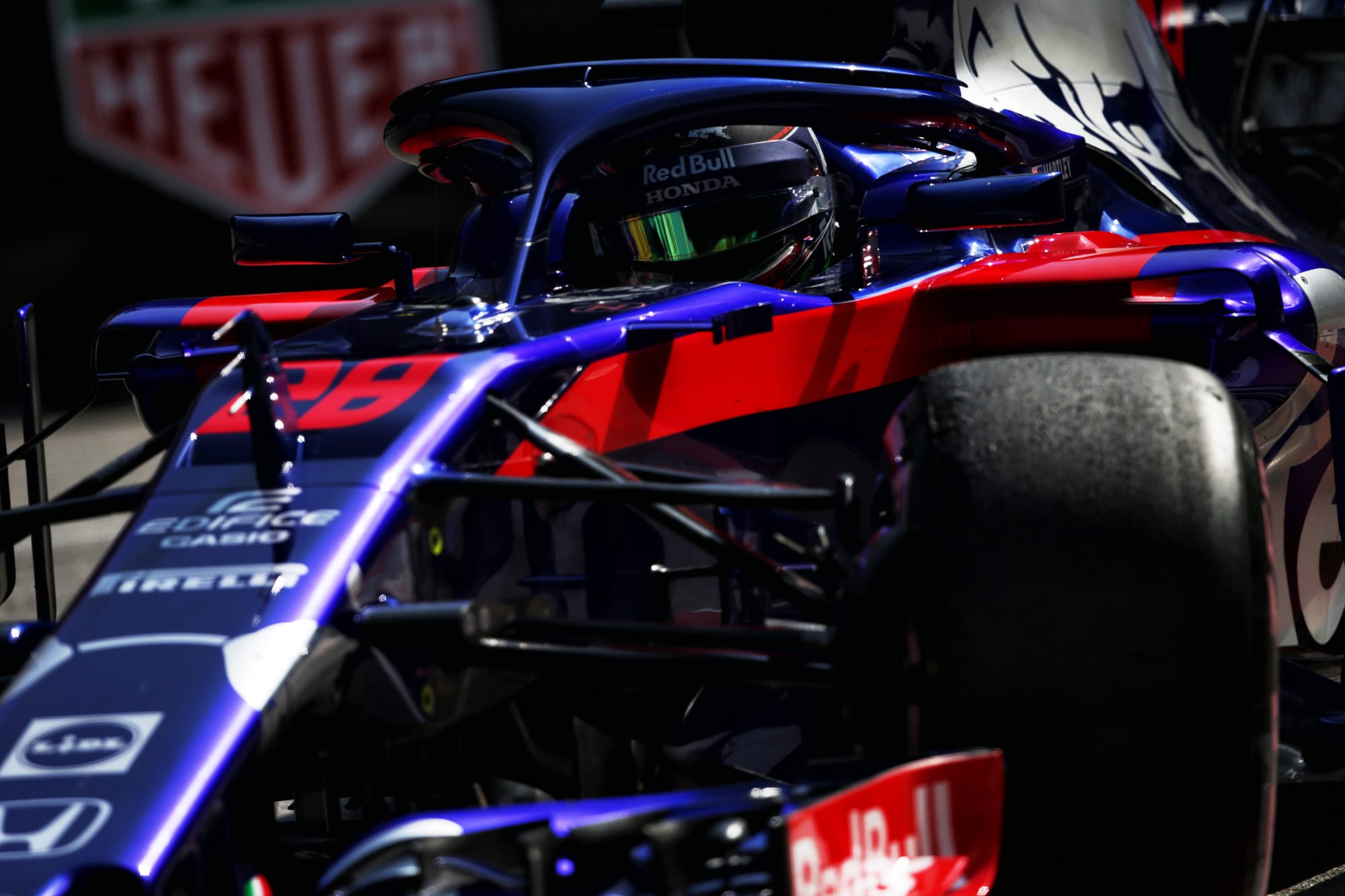
Who'd have thought giving a driver their F1 debut in their late 20s five years after they abandoned their single-seater career wouldn't work?
Hartley was an esteemed sportscar ace who had won the 2017 Le Mans 24 Hours and was on his way to becoming World Endurance Champion that year when he got the shock call-up to Toro Rosso for the final four F1 races of the season.
There was something quite fun about it, and Hartley's overall credentials are clearly very impressive.
But he was an unusual call, and a stop-gap solution. And Red Bull needing to do this, when it had dropped him as a junior driver once already, raised questions over its talent pool and its decision making.
Hartley did enough to earn a full-time seat in 2018 and had his moments. He fared better compared to Gasly than people probably expected or even remember now.
But he very rarely put it together and the relationship between Red Bull, Toro Rosso and Hartley deteriorated too.
3 The fastest demotion of all
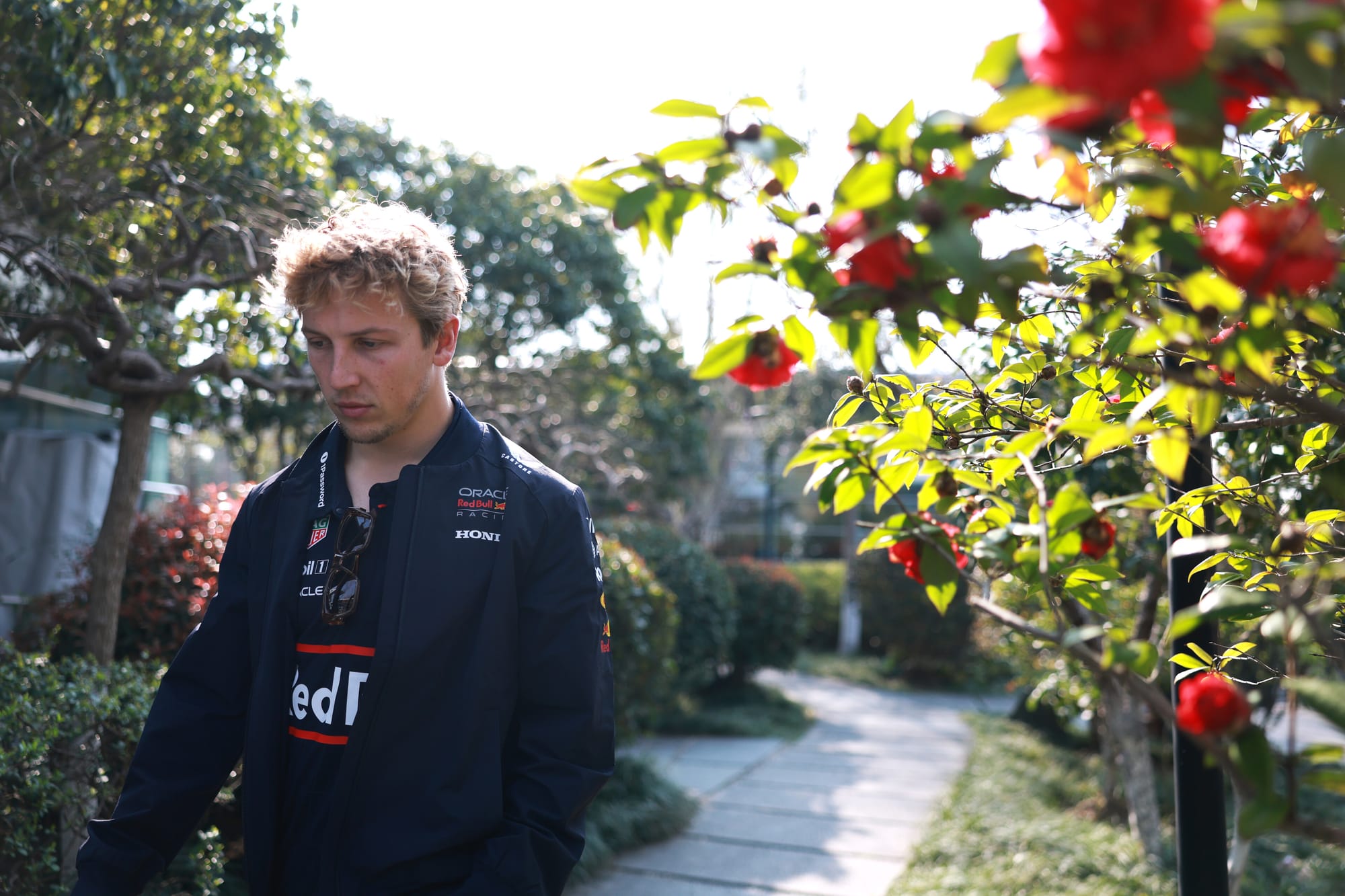
There were immediate question marks over Red Bull's choice to replace Perez with Liam Lawson for 2025.
The alternative was the more experienced, and arguably faster, Yuki Tsunoda. But Red Bull reckoned Lawson was actually quicker, more robust, and had a higher ceiling. It was adamant in December 2024 that Lawson was the right choice.
Then after just two races in 2025, Lawson was demoted to Racing Bulls and Tsunoda replaced him.
How Red Bull's judgement could be so bad that it completely revised its opinion so quickly has never been adequately explained.
The reality was Red Bull just hoped Lawson would be good enough. It was guessing on the calibre of driver tasked with supporting a world championship bid.
What keeps Lawson's situation out of the top two spots on this list is that he was so poor in his first two race weekends that a swift course correction was perhaps necessary.
And at least he was kept in F1, rebuilt his reputation, and earned a full-time seat within the Red Bull family yet again for 2026.
2 Knee-jerk signing swiftly abandoned
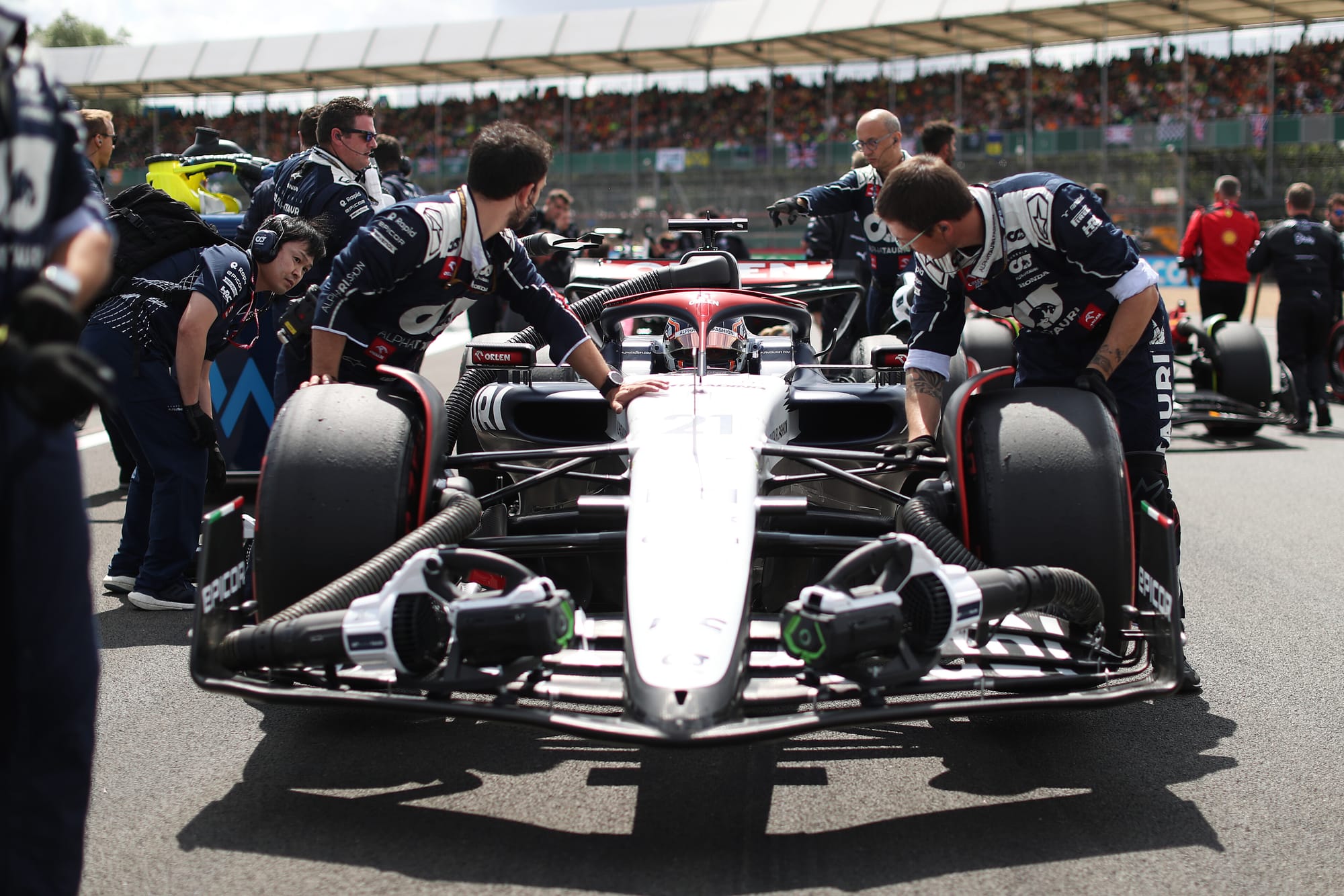
The knee-jerk signing of Nyck de Vries and then U-turn on him halfway through his rookie season in 2023 cemented the notion that Red Bull and in particular Helmut Marko had completely lost their way.
The 2021 Formula E champion and Mercedes F1 test and reserve driver performed extremely well on his shock, point-scoring F1 debut for Williams in the 2022 Italian GP.
It put De Vries on the radar of many teams but Marko was immediately convinced. De Vries was put into Red Bull's second team for 2023 ahead of its own juniors - including Lawson, who had finished third in F2 and was the obvious next-in-line.
Red Bull gave up on De Vries almost as quickly, dropping him after just 10 point-less grands prix.
Marko called it his "biggest mistake" but he shouldn't have extrapolated a single, very good performance on a favourable track for Williams into a massive judgement of De Vries's F1 potential.
Replacing De Vries with Red Bull's 'third driver' Ricciardo was a fairly desperate gambit in itself, and ultimately didn't work either.
But Ricciardo's free agency post-McLaren split and the romantic notion he could re-find his best form with the employer that established him as one of F1's most formidable drivers meant it at least made some sense.
1 Costly misplaced priorities
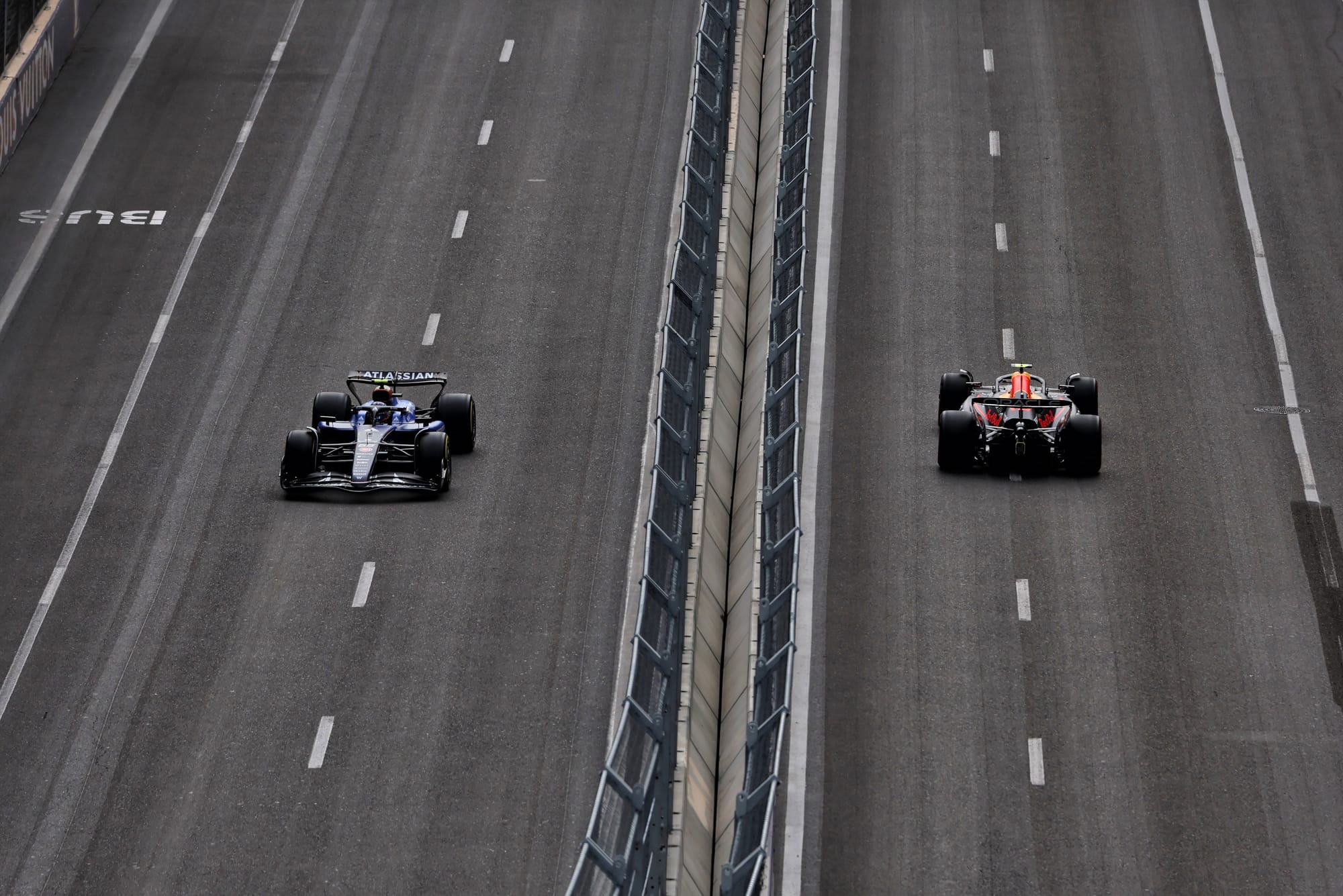
Isack Hadjar might finally end Red Bull's Verstappen team-mate crisis in 2026 but there is a rock-solid option who could have been in the second car already.
Sainz is the big, big 'what if?' for Red Bull. Not for his exit in 2017, which came as a path to Red Bull Racing was blocked by the Verstappen-Ricciardo combination. But for the fact Red Bull had the chance to bring him back in 2025 after Lewis Hamilton took Sainz's Ferrari seat.
Red Bull declined. It leant on the soon-to-be-out-of-contract Perez's performances in 2023, when he was a distant second to Verstappen during Red Bull's most dominant ever F1 season, as the justification.
The real reason was Red Bull management didn't want to pair Sainz with Verstappen for risk of upsetting the Verstappen camp and causing internal tension after their fractious time together as Toro Rosso rookies a decade ago.
It was stupid to quickly dismiss a proven race winner who would have emphatically answered whether 'only' Verstappen could drive Red Bull's cars or if the team was only hiring dud drivers.
But to make matters worse, it was followed soon after by a new two-year contract for Perez after his season had started to take a bad turn.
This was justified by Red Bull as attempting to take the pressure off and help Perez improve but it failed at massive expense.
Perez's season nosedived, and Red Bull decided to get rid of him after all - while paying him millions for the two years remaining on his new contract!
Sainz signed for Williams, where he shone in 2025, while Red Bull picked Lawson to replace Perez - so it is still paying for that decision now, in more ways than one...
