Red Bull's 'completely crazy' turnaround explained
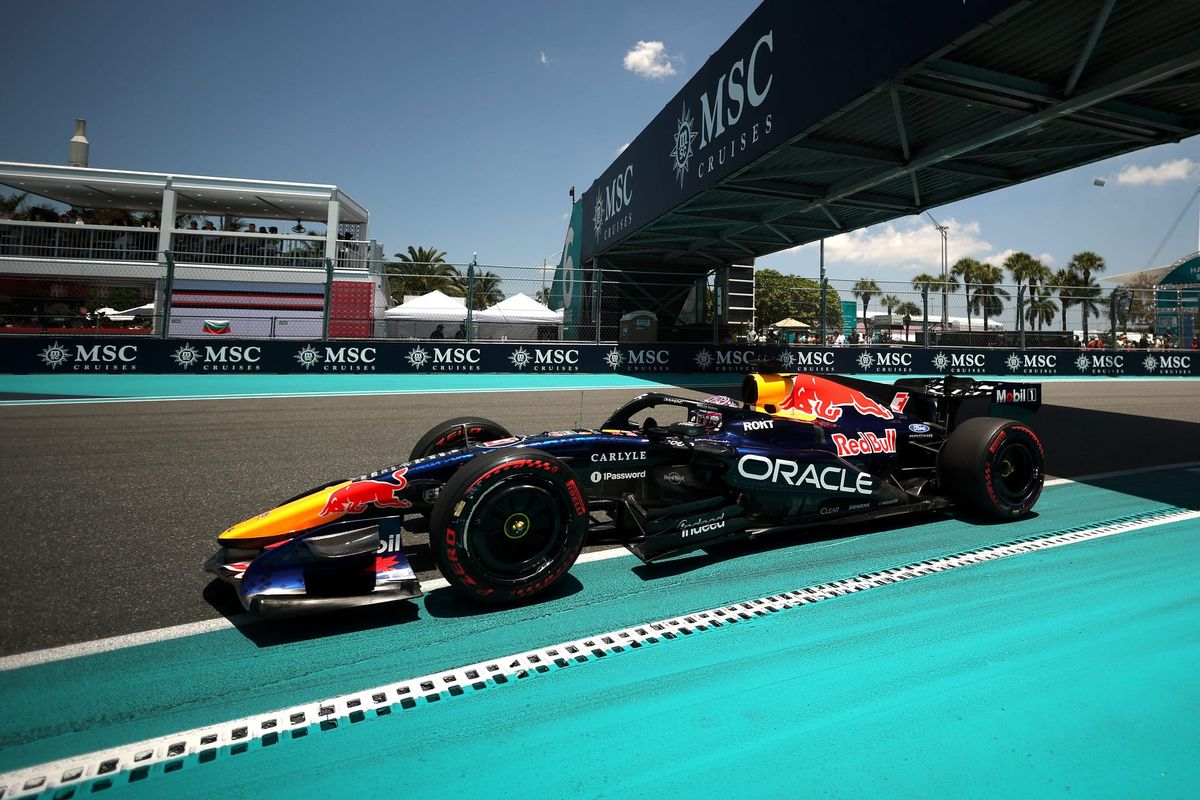
The prospect of Red Bull fighting for pole in Miami Grand Prix qualifying would have been "completely crazy" to Max Verstappen just a few weeks ago, such is the transformation with its heavily upgraded Formula 1 car.
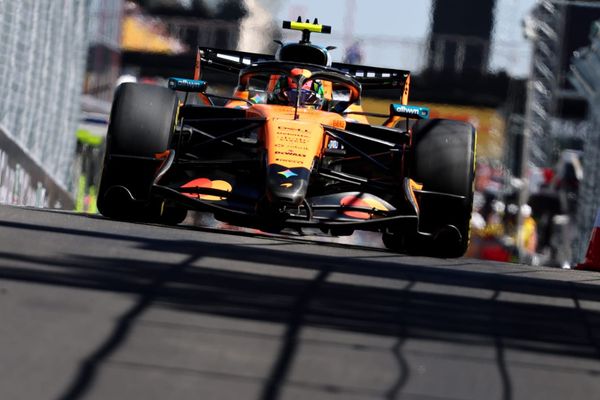
A major Red Bull package has, on the evidence of this weekend so far, transformed the RB22 from a midfield machine into one that - in Verstappen's hands - came close to beating Mercedes to pole on Saturday in the United States.
The confidence-sapping, unpredictable and simply slow car that left Verstappen and Isack Hadjar sniffing around for lowly points finishes in China and Japan has been transformed into one that, while tricky at times, has a lot more potential.
Verstappen called it an "incredible turnaround" when speaking to Sky Sports F1, as he "didn’t feel in control of the car" before these front-to-back car changes which include an extreme version of the rotating, upside-down rear wing interpretation first seen this year on the Ferrari.
The four-time world champion clicked with the revised RB22 immediately, helped by Red Bull running the package at a filming day at Silverstone. It has given Verstappen the front-end responsiveness that he needs to rotate the car as aggressively as he likes, but in a controllable manner, so he has the confidence to push.
Previously, Verstappen had felt contained by the car and was not able to lean on it for fear of running out of grip.
"Honestly, it's everything, because before nothing really worked," he said.
"I felt like a total passenger in the car. It could understeer, it could snap on me, it could feel different from one session to the other one without even touching parts. So, we understood a lot of stuff.
"We're still not where we want to be in terms of understanding everything, but most of it. And that showed that here the car just feels a lot more together. I can finally drive how I want to drive also with just my steering inputs, and that helps a lot."
That is the kind of intangible gain beyond what Red Bull would expect from extra downforce alone. It might also hint at why Verstappen's immediately jumped to the front and left Hadjar struggling more in the same place as before.
There are still weaknesses within this weekend, as Verstappen pointed to the higher-speed corners of the first sector in Miami still causing trouble on Friday, for example. Overall "it feels more together" for him, though, which means Verstappen's riding through the remaining challenges - which can catch out the second driver.
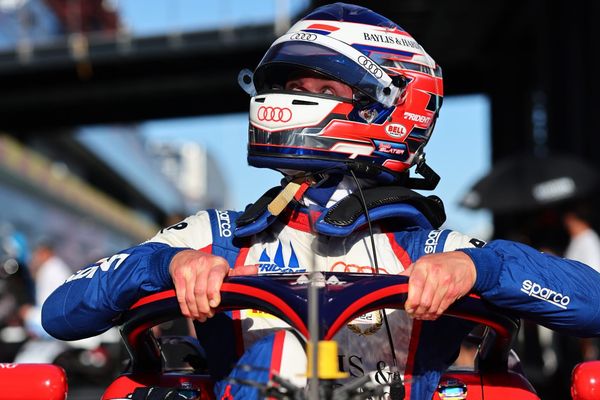
By the end of Saturday Hadjar felt better, though, especially as he insisted some of his deficit was due to a straightline speed issue. He had just been left reeling by the "very, very amazing job" Verstappen did in adapting to the track demands on Friday and then putting everything together on Saturday.
"Honestly, yesterday I knew I had to dig deep," said Hadjar - who is at risk of being excluded from qualifying - on Saturday in Miami.
"Half of the laptime yesterday was on something I can't control and half was myself so I knew I had to really deliver something more.
"When I looked at the data I'm happy with what I was able to do. Max was way better than me at putting everything together and on top of that had a bit more straightline [speed]."
Another element of the weekend that has buoyed Red Bull is the gradual progress through the sessions. Sprint qualifying proved it had slashed its deficit from the early races, then the sprint race itself was extremely encouraging - particularly the pace Verstappen had as he closed on the Mercedes drivers in the second half.
To then be even more competitive in main qualifying, after addressing what Verstappen called some "problems I want to sort out" with only "tiny" car changes, proved it was not just a one-off in part of the weekend.
That trend is a world apart from Red Bull's opening weekends when a negative trajectory was set early and could not be deviated from whatever the team did.