Mercedes F1 2026 fuel approved: Why it took so long
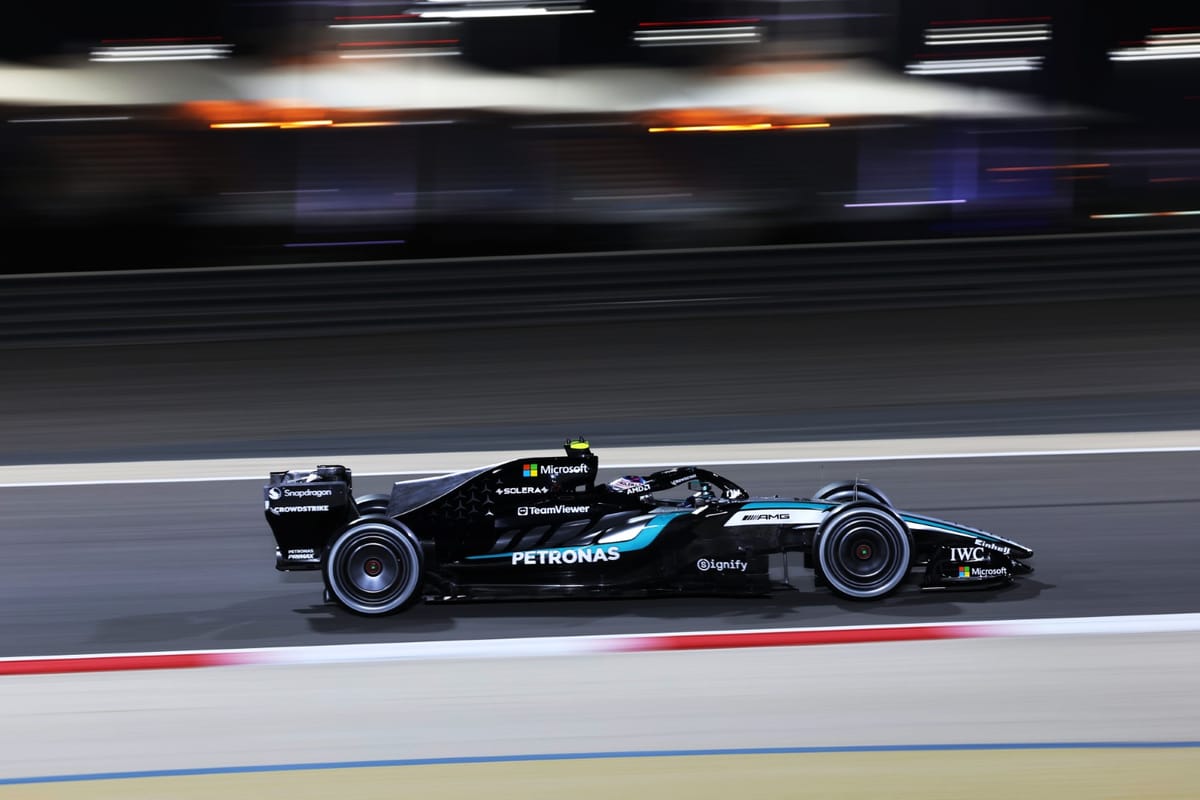
Mercedes has completed the homologation sign-off of its Petronas fuel for the 2026 Formula 1 season, The Race has learned, as new insight into the complexities to secure certification has emerged.
It became public during pre-season testing that not all of F1’s fuel suppliers had completed their homologation paperwork before the cars hit the track for the first time in Barcelona and Bahrain.
Delays in final approval had prompted the FIA to give permission for engines to run on products that were in theory not officially signed off to the full 2026 fuel regulations.
But while some of the components used may not have been sourced from the supply chains that needed to be certified, the fuel being run was identical in terms of its chemical composition to what was planned for the season.
With Mercedes partner Petronas one of the suppliers that had not got the homologation process over the line before the final Bahrain test, it prompted rumours that it may not get things sorted before the season-opening Australian Grand Prix – which would put it in a tricky spot.
But this was rebuffed by Mercedes team boss Toto Wolff, who said it was “nonsense” that there was any danger of Mercedes racing with fuel that was outside of the regulations.
Instead, the delay was simply down to the complicated nature of getting FIA approval for all the individual components to ensure the supply chains were sustainable.
Although no official document will be published confirming that the homologation process has been completed before the first race weekend, The Race understands from multiple sources that the Mercedes certification sign-off is now done.
And some fresh detail into how big a challenge it has been for all fuel suppliers to get things ready for 2026 has become clearer from another of F1's major suppliers.
A “way more” complicated process
Ahead of the switch to advanced sustainable fuels for this year, all F1 team suppliers have had to go through a rigorous validation process with the FIA to ensure full compliance with the rules.
This has required two different types of checks being done of the products - both of which are completed in independence of the other.
And as Luc Jolly, BP’s Motorsport Fluids Technology Lead, explained ahead of the Australian Grand Prix, the separate checks are looking at totally different things.
“There's two main elements,” he explained. “You've got the element where there's a defined fuel spec - which is like last year with physical chemical parameters, and you have to sit within them.
“You send the sample off to an FIA-approved lab, and you check that you're ticking all the boxes in that respect.
“But the new thing [for 2026] is obviously the advanced sustainable requirements, and that is a whole new angle to the homologation process.
“The FIA has appointed a third party called Zemo [Partnership]. It's an independent body who end-to-end, from the feedstock sourcing, right through to the production and lifecycle greenhouse gas emissions of the final fuel, makes sure everything is within a range defined by the FIA. That part is way more complicated than it was before.”
Jolly explained that the level of investigation into the individual components that fuel suppliers were using was very detailed.
And it meant, for example, that if something was sourced from a specific farm in a set country, then this would need to be checked on the ground to ensure it was fully sustainable.
“Everything that goes into that fuel has to sit within a few defined categories of what is sustainable, but it's really broad,” he explained.
“There are a lot of options in terms of feed stocks. But if we decided to use X feed stock that's never been used before, someone appointed by the FIA from this independent body has to travel to be there in person and audit whatever the source of this raw material is.
“They will have to check that it is what it says it is, and then it is traced every step of the supply chain up to the point of the final blend.
“It even goes through to delivery here in Melbourne, to check that everything's been done in the right way.
“It's super rigorous, and I think that's why the timing has been tight for some - because there's so much goes into that. It's pretty full on.”
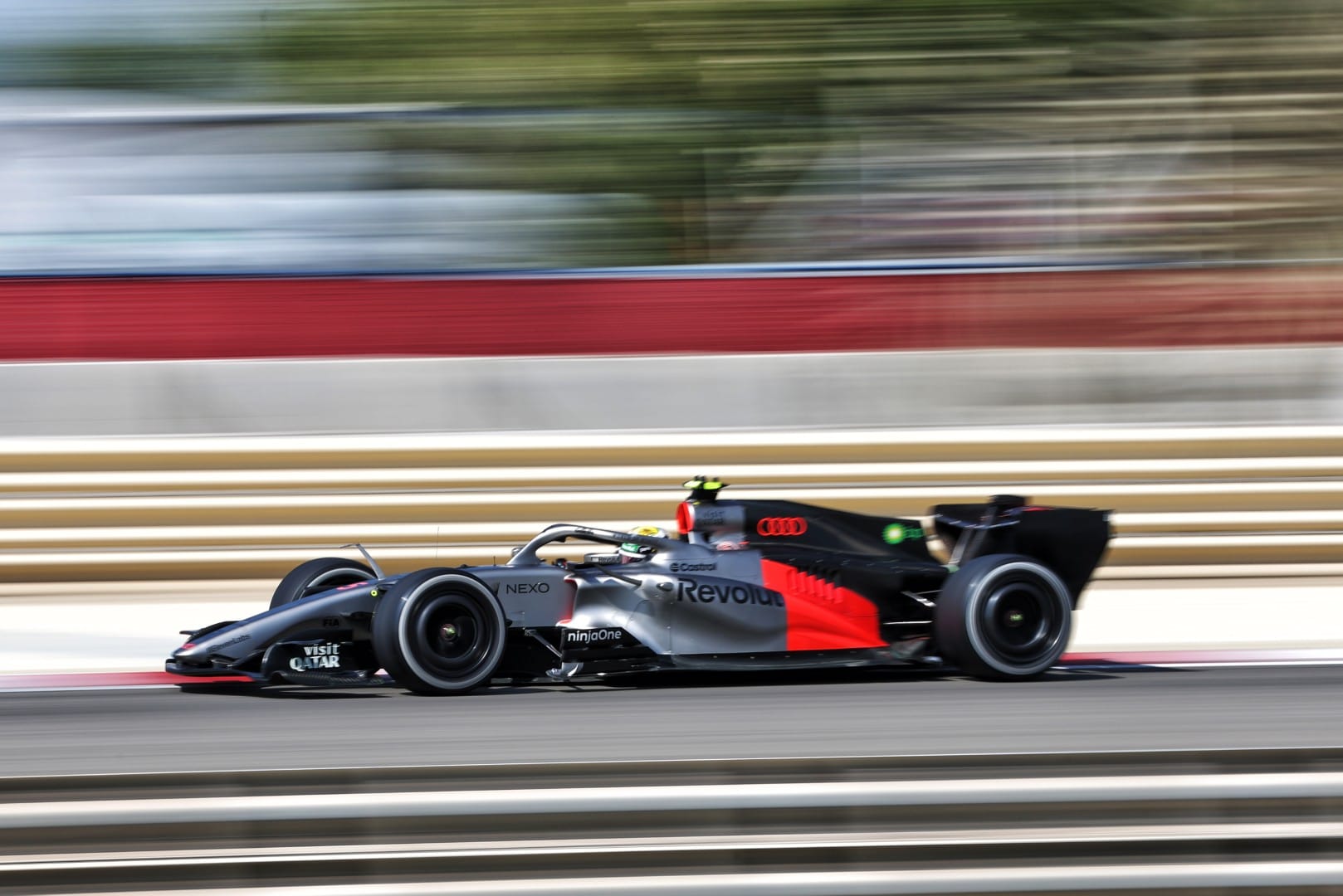
Jolly said that BP, which is an official technology partner of the Audi team this year, had known well in advance how complex the new fuel approval process would be – which is why it started work so early.
“That’s exactly why we started on this journey already more than three years ago with the guys in Neuburg,” he said.
“Everyone saw this coming in terms of how much of a challenge it was going to be.
“We achieved the really important milestone of getting approved in time for this race weekend in the last couple of weeks.
“And I think across the board there have been murmurs that it's been a challenge.
“I'm not surprised to hear that maybe others are struggling with that. But we took calculated decisions, and for that reason we're in good shape this weekend and excited to see how things go.”