Mark Hughes explains F1 2026's key car design differences
Outwash and its opposite sibling, inwash, are the driving aerodynamic themes of the 2026 new generation of Formula 1 car.
Although in many cases the cars which ran at the Barcelona shakedown will be quite different come Bahrain and Melbourne (notably Ferrari and Aston Martin), there was enough to strongly infer the aims of the various design teams in response to these all-new regulations.
Perhaps the most influential FIA stipulation within the regulations is that of the ‘inwashing’ boards at the front corners of the floor beneath the sidepods.
The idea was to massively limit the amount of outwash around the car so as to make the wake cleaner for the following car. The problem is, outwashing brings greater performance - and so the motivation of every team is obviously to counteract that regulatory intention.
It happened this way with the 2022 regulations, too; the teams found a way around the intent because they are competing. The ’26 ‘inwash’ boards are just a regulatory reaction to that. So almost by definition, subverting their intent is going to be where the low-hanging performance fruit is. We see that in the design of every ’26 car. But how each of the teams has gone about achieving that subversion varies greatly.
In simplistic terms, inwashing the turbulent wake from the front wheels to the underfloor reduces the amount of downforce the underfloor can generate. Ideally, that front wheel wake needs to be pushed out away from the car, giving it the chance to smooth out as it is then channelled inwards again (towards the rear) to meet the flow coming off the sidepod tops and the floor edge – with that combined flow then channelled between the rear wheel and diffuser wall to create a pressure differential which helps the air exiting the diffuser to speed up, thereby boosting the underfloor downforce.
The impact upon the overall designs of that one bit of floor board regulation is quite profound. It has varied the choices the teams have made regarding cockpit and front axle positioning, front wing design, nose design, sidepod design and the geometry of the boards themselves.
Even if we just confine ourselves to five of the 11 new cars – from McLaren, Mercedes, Red Bull, Ferrari and Aston Martin – the divergence in those choices is big.
Cockpit/front axle
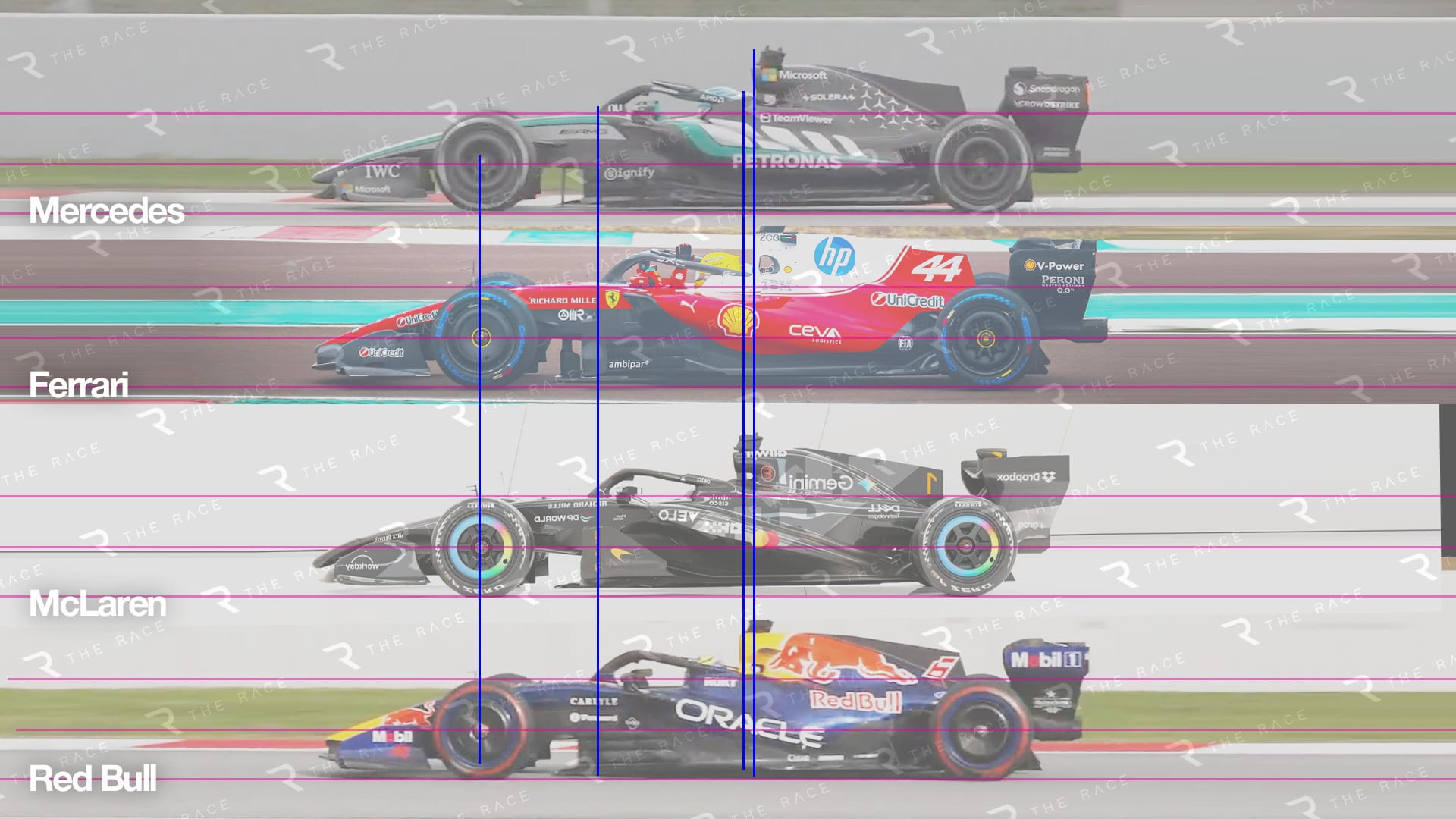
Within the 250mm leeway in how the cockpit is positioned relative to the front axle, McLaren (like Mercedes and Red Bull) appears to have brought them closer together than Ferrari and Aston Martin and because of the way the dimensions are defined, this has allowed a higher nose.
The higher the nose, the greater volume is available to feed the underfloor and the more the nose underside can be scalloped out with an undercut (creating a low-pressure area to speed up the flow).
McLaren has not taken as full advantage of the nose height as Mercedes, which has chosen to mount the W17’s nose to the middle element of the wing rather than the conventional bottom element. This allows the nose to stop earlier and therefore leave more space beneath it.
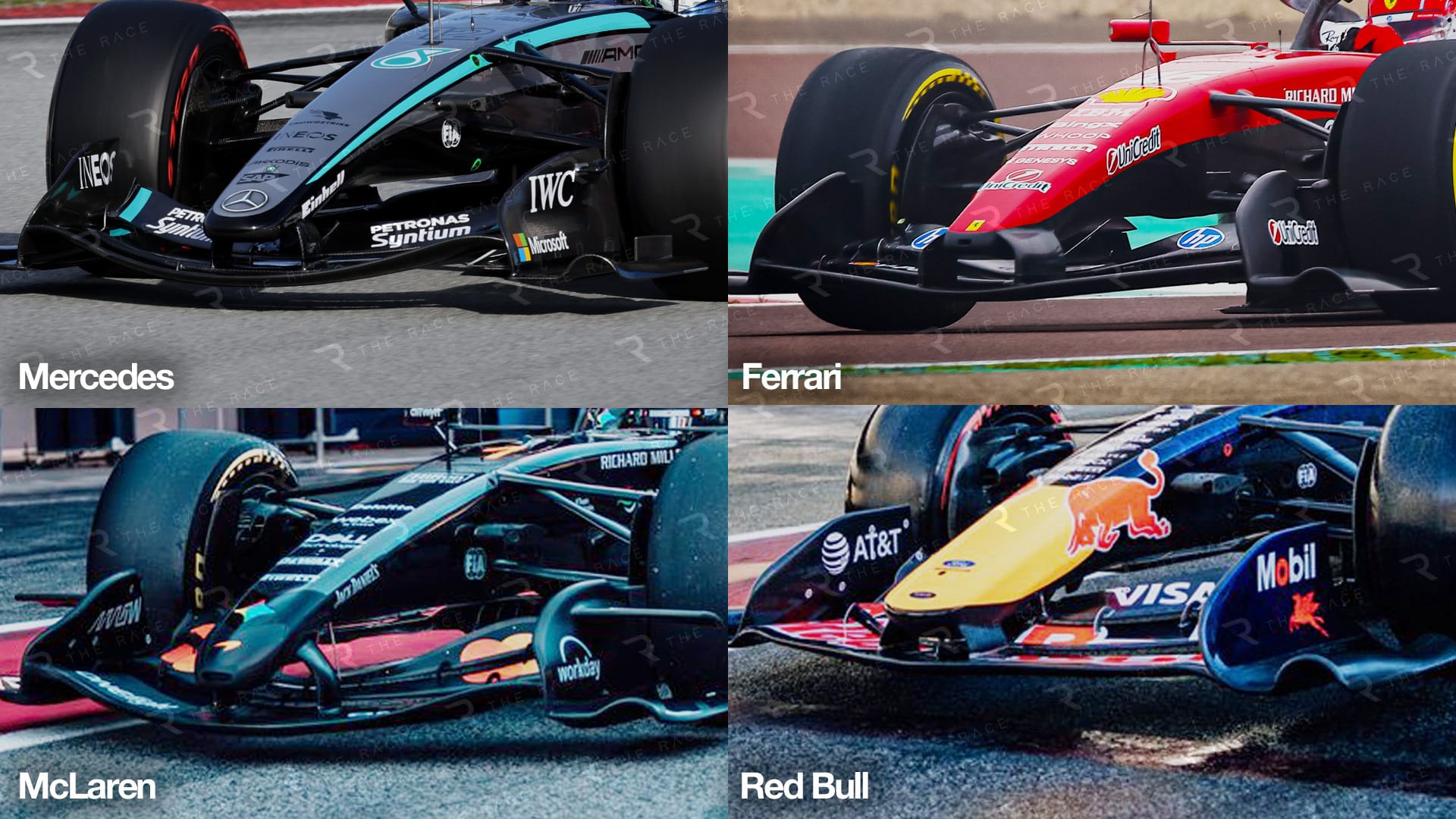
While there are benefits to feeding the underfloor, bringing the front wheels closer to the cockpit brings with it the downside of having even less distance to outwash the airflow around the wheels and thus there are concomitant limitations minimising the inwash caused by the regulation floor boards.
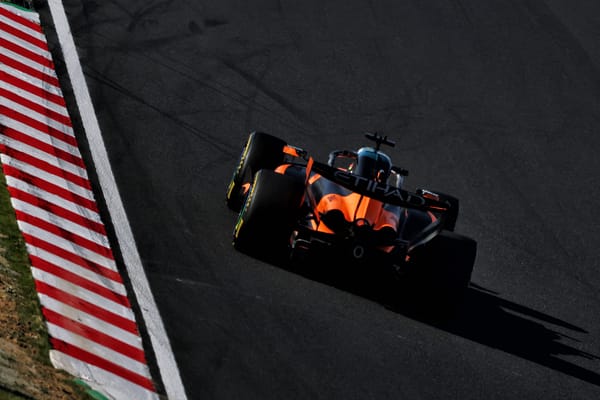
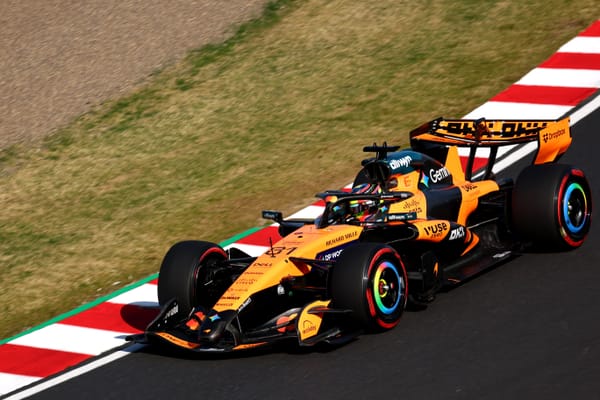
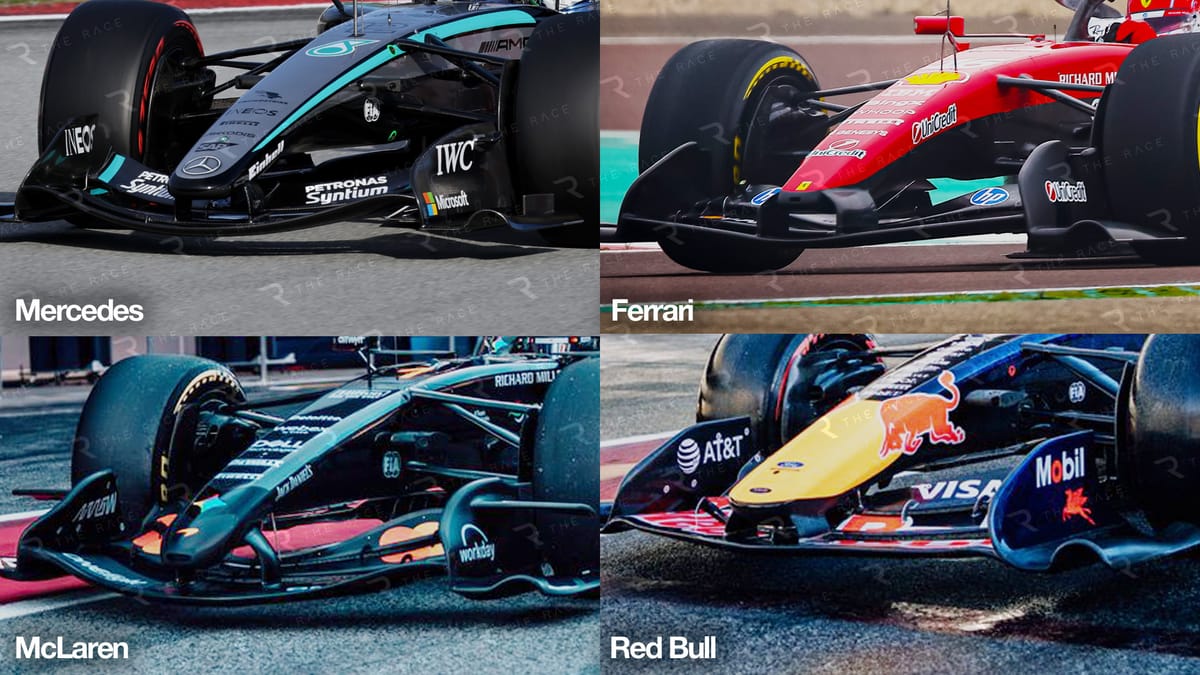
McLaren appears to have attacked this limitation with its aggressive treatment of the front wing and endplates to create spinning vortices. The wing is contoured with a highly-cambered mid section, with the elements dropping away in volume dramatically at the outboard and inboard ends. Although this will limit the overall wing-created downforce, the way the profile drops away at the outboard, in combination with dramatically-proportioned winglet-topped endplates, is clearly part of the outwash-aiding vortex creations. The inboard drop-away clears some volume beneath the nose.
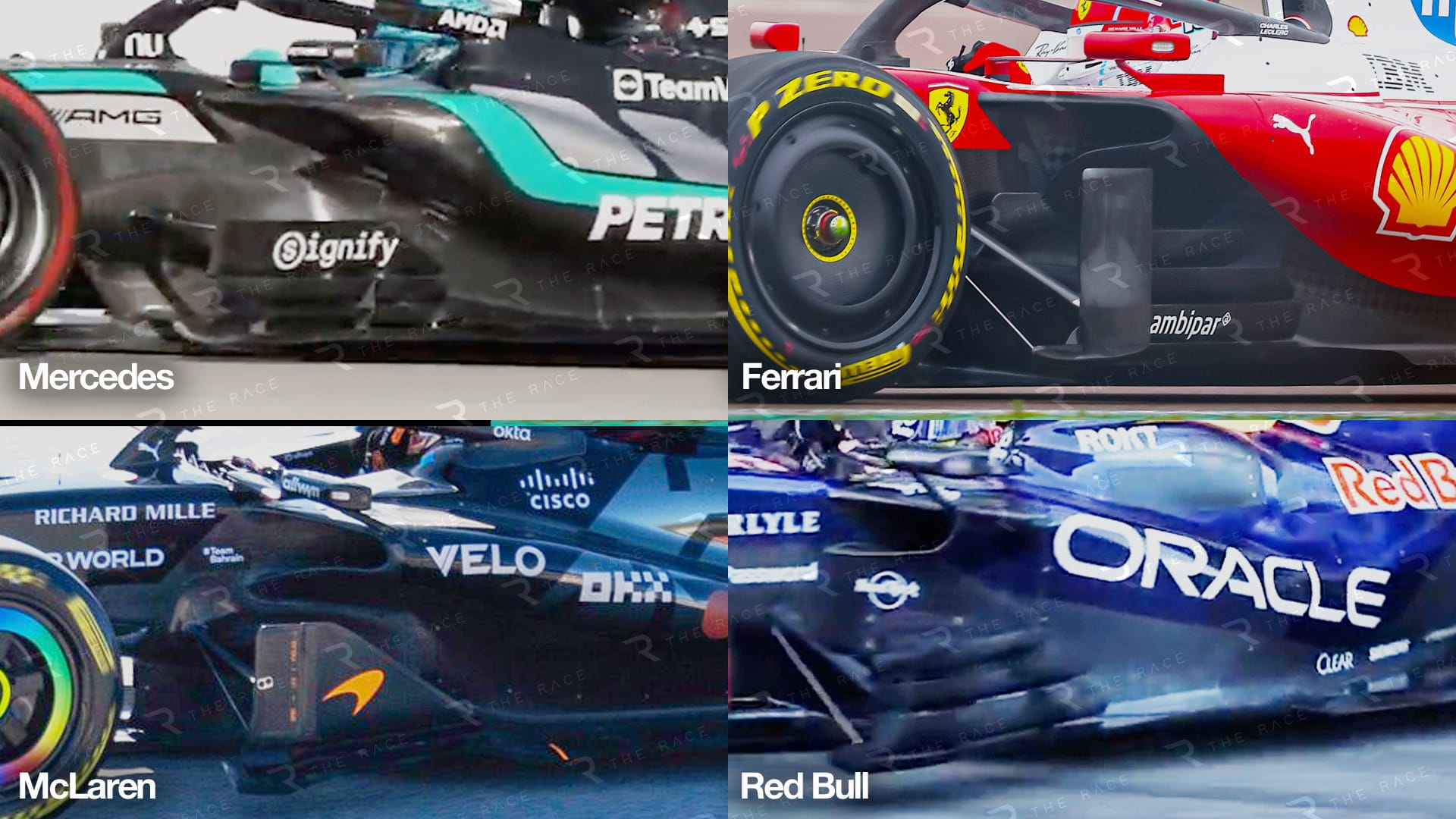
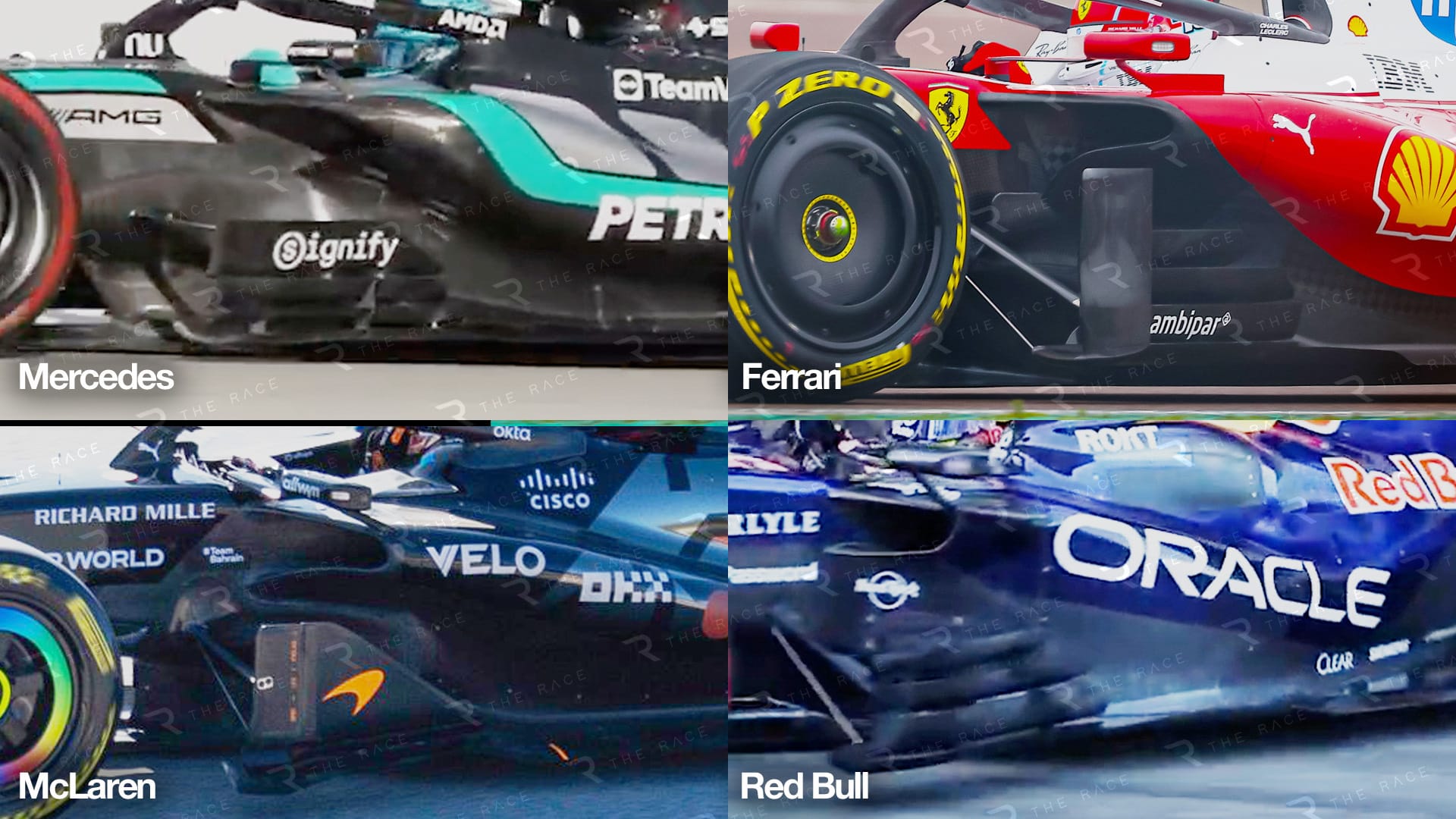
Mercedes, meanwhile, is using a wide sidepod top to create a massive undercut beneath, the low pressure of which will be pulling as much airflow as possible away from the in-washing floor boards. This undercut continues throughout the length of the sidepod, leaving a huge channel beneath to feed the airflow inside the rear wheel.
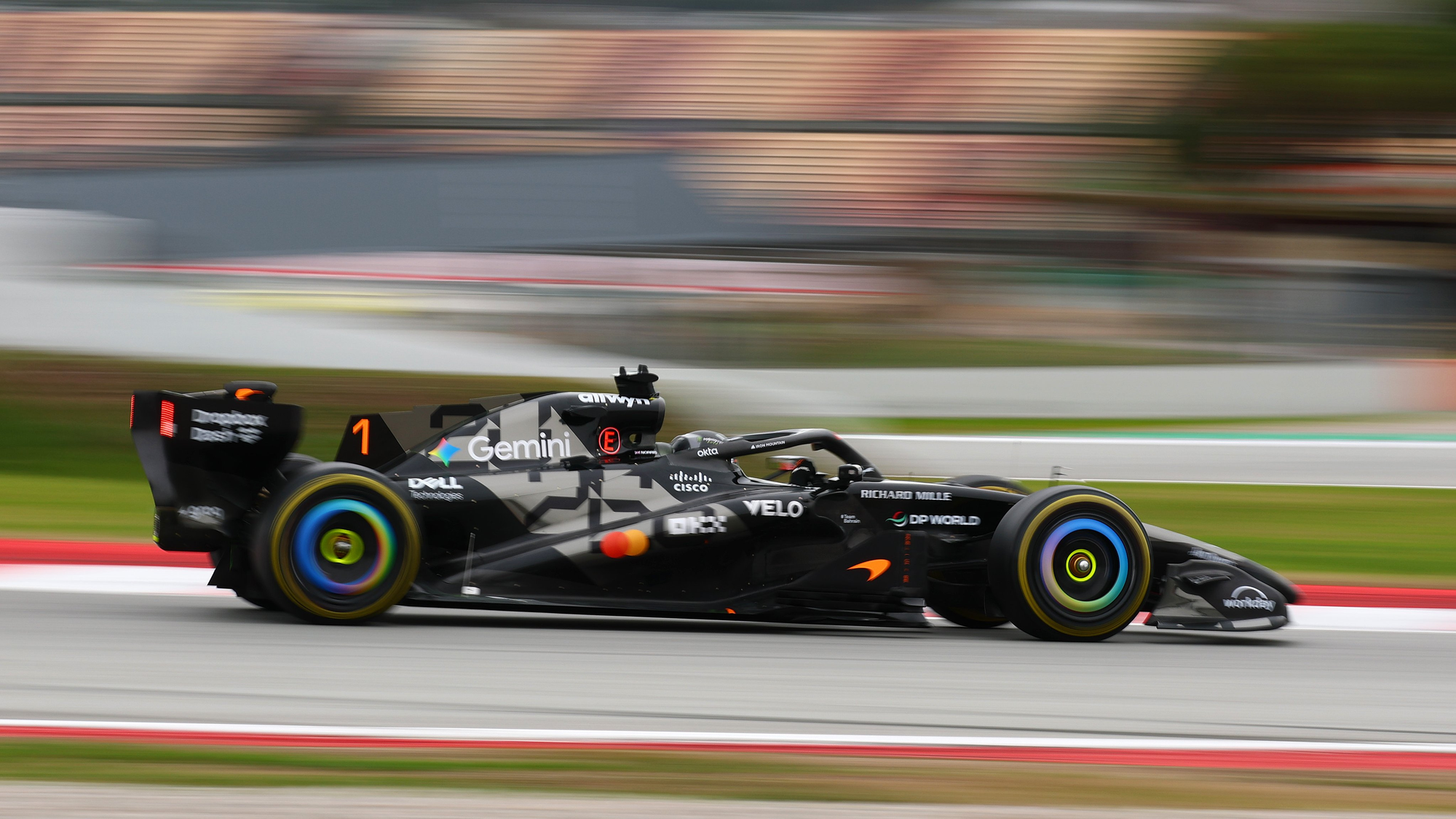
McLaren has a similarly wide sidepod top but the pods are much shallower and angled more steeply downwards. In contrast to the Mercedes, the undercut stops short of the coke bottle section.
Angling the pods downwards in this way creates a pressure drop which speeds up that airflow. A bigger undercut speeds up the flow along the floor edge. But those flows meet ahead of the rear wheels and their energy combines as it feeds into the gap between the tyre and diffuser.
Working out the best trade-off between the two will be key – and much of that will be determined by how the team has decided to package its radiator cooling.
Cooling/sidepods
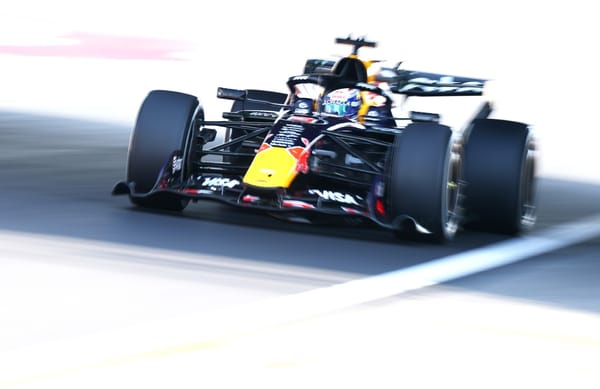
Although the Red Bull’s cockpit/front axle choice appears very similar to those of Mercedes and McLaren, the choices made elsewhere are very different.
Like the Aston Martin, the RB22 features a much wider nose than the Mercedes or Ferrari (with McLaren somewhere in between). While this effectively gives less front wing area, the nose underside is a useful downforce generator in itself. Furthermore, it will tend to push a high-pressure region further outward behind the front wheels. The higher this pressure, the more the air flowing around the outside of the front wheels will be encouraged to stay outward, avoiding the high-pressure area.
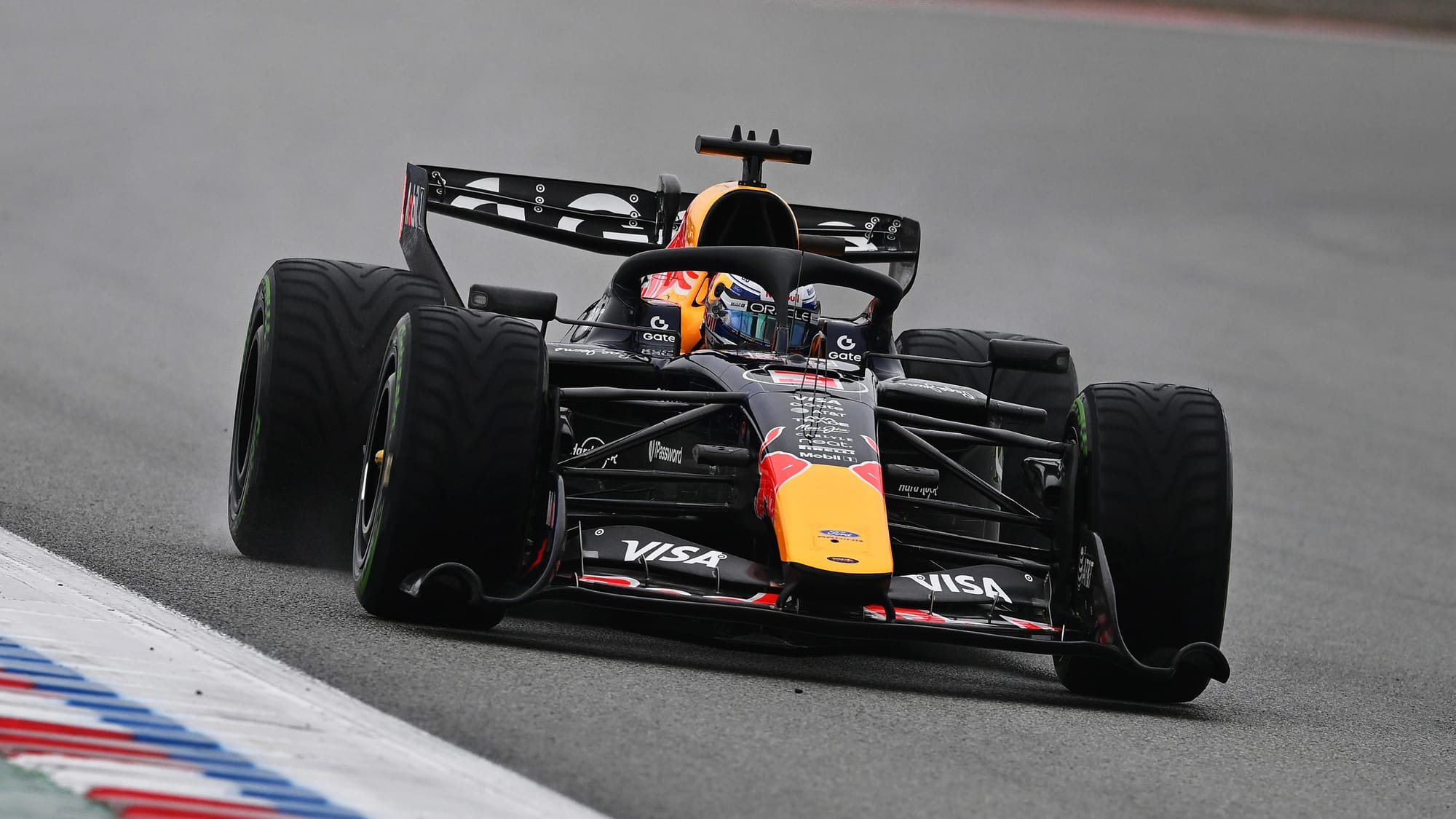
The RB22’s sidepod treatment is quite startling, with a tiny, heavily downwashing pod around the horizontal radiator inlets and an initially big undercut beneath. But with the lower part of the body then heading outwards to cut off the pod well before the coke bottle section – much further forwards than that of the McLaren and in sharp contrast to the Mercedes, Aston Martin and Ferrari which all have undercuts running the full length of the pod.
It would appear that Red Bull is manipulating the pressures in that three-dimensional triangle beneath the shallow ‘tube’ pod to pull the air away from those floor boards. Footage of the car running in the Barcelona rain suggested it was achieving this very effectively.
The very small radiator inlets, combined with a big airbox inlet, suggest that much of the Red Bull’s radiator surfaces – probably including the intercooler – are further up around the centreline than on the others, something it shares with the related Racing Bulls car.
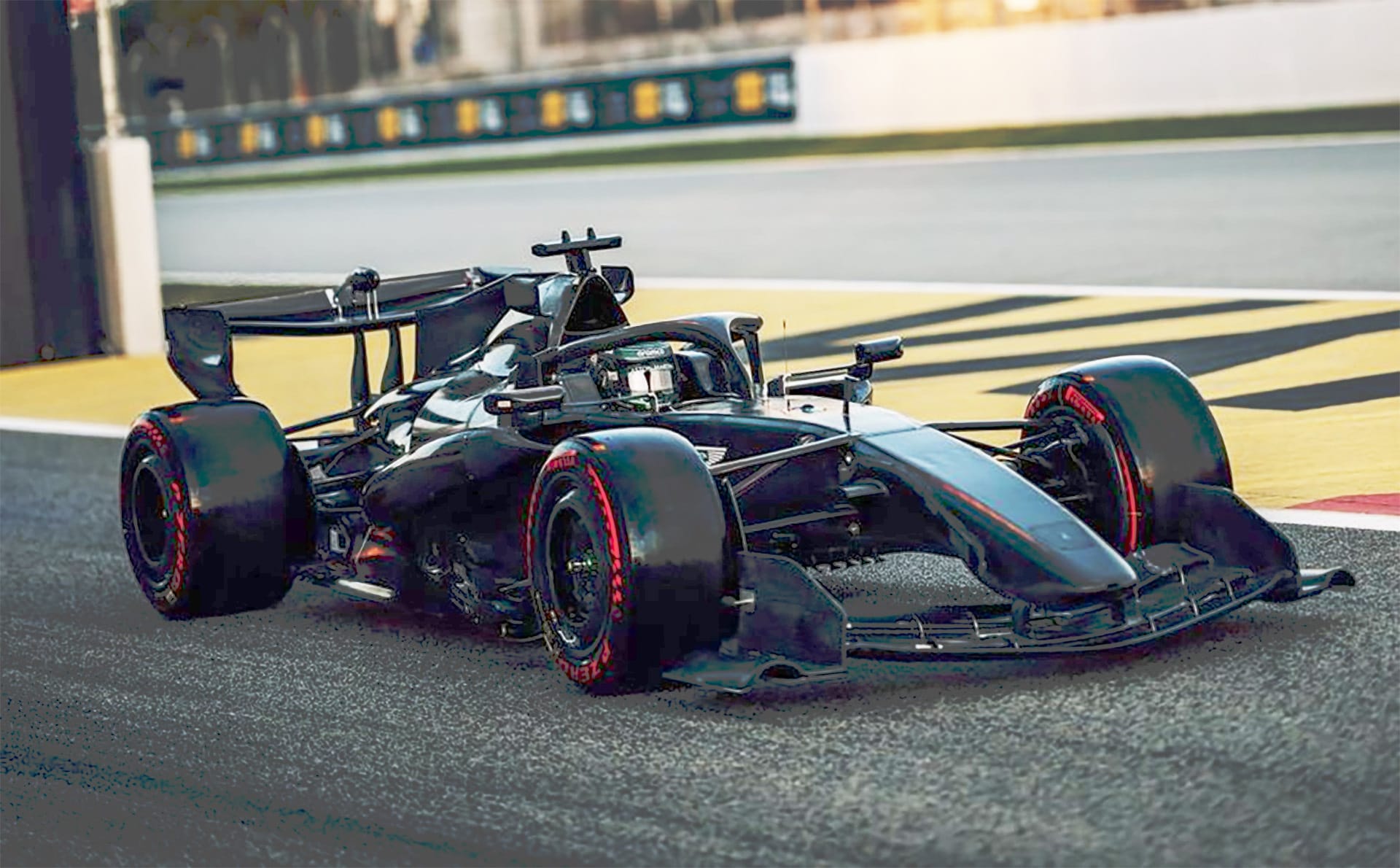
The Aston Martin AMR26 has a similarly wide nose and thin ‘tube’ pods to the Red Bull, but with a fuller undercut and less extreme downwash. The free volume of exposed floor ahead of the rear tyre is enormous and should make for a powerful airflow, especially given the extreme lengths Adrian Newey has gone to in clearing a path once it gets through that gap.
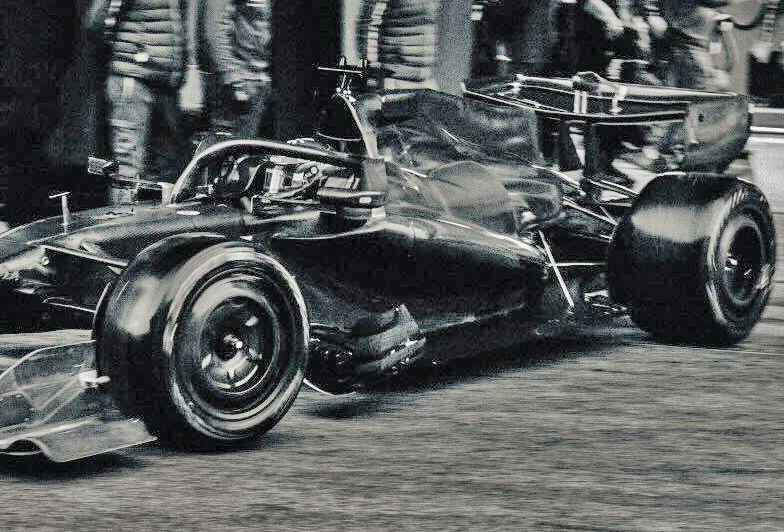
The super-high mounting of the upper wishbones into the rear wing pillar (together with the extreme offset plan-view spacing of the upper and lower wishbones) has left wide expanses in which to train the air. So far up are the upper wishbones that there could be some beneficial aero effect to the rear wing underside, thereby partly replacing the lower beam wing (deleted in the ’26 regs).
The Aston Martin front suspension (a switch to pushrod, just like everyone except Williams, Alpine and Cadillac) is also extreme in its layout, with the rear upper wishbone mounting point stretching far, far back.
Quite how the vehicle dynamicists are going to want to move the centre of pressure at varying speeds is going to be interesting and the front suspension layout can be a big part of this. It should in theory be much easier to achieve a good balance at low-speed corners and high- than with the previous generation ground effect cars. The assumption that this would result in anti-dive front geometries falling out of fashion looks misplaced, given the layouts of the Aston Martin and McLaren.
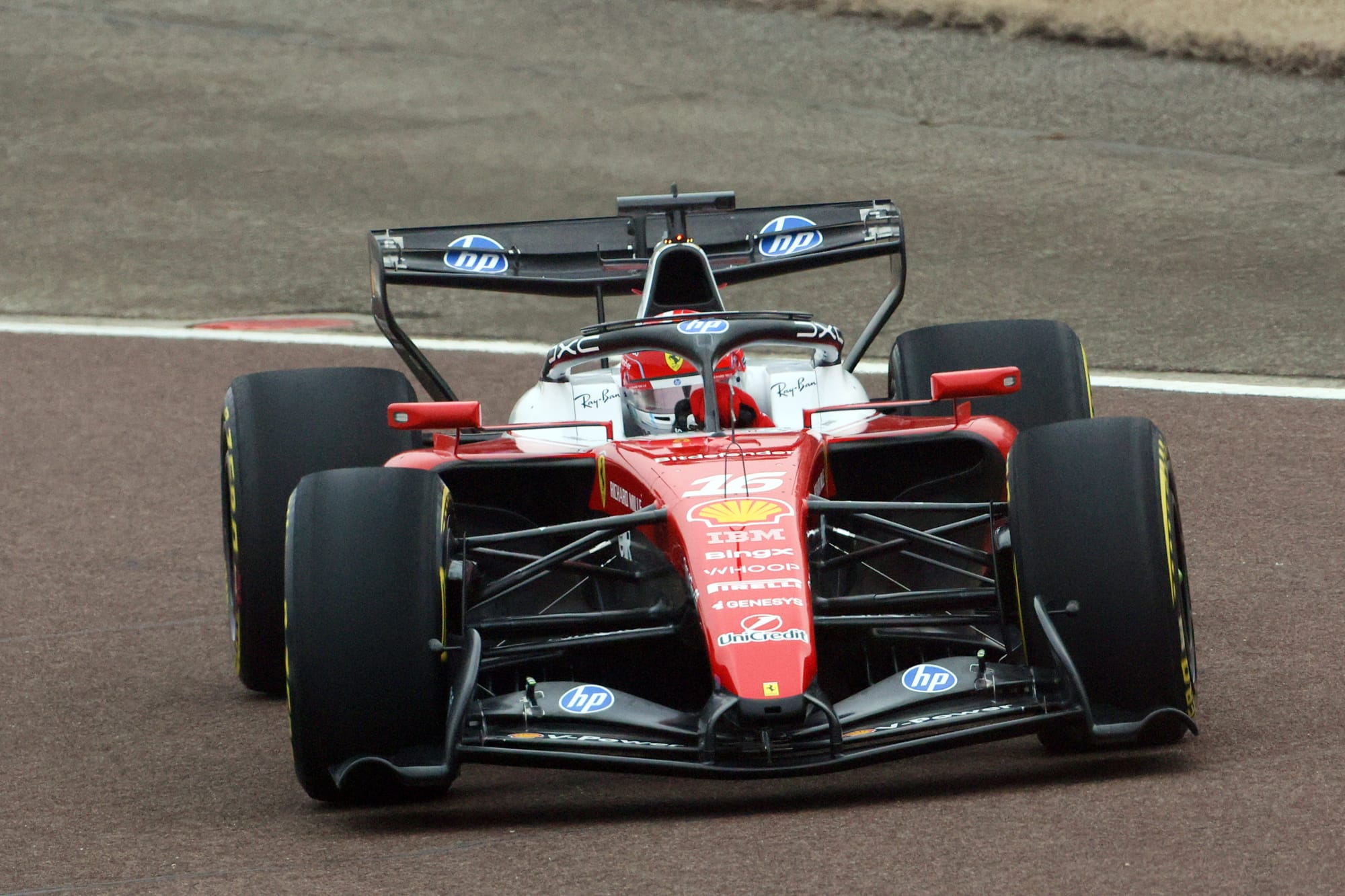
Ferrari has gone for a low narrow nose/generous front wing combination and its sidepod shape – together with the generously proportioned radiator inlets and small airbox opening – suggest it’s carrying most of its radiator cooling low down. But that’s still left space for a big, full-length undercut and significant downwashing sidepod top. It’s perhaps the least extreme looking of all the top team cars but there’s nothing to say that won’t bring a winning combination of qualities.
Like the Mercedes and Red Bull, there is a generous ‘mousehole’ in the diffuser wall, which is usually done to introduce some external flow into the diffuser to keep the flow better attached. This is a little giveaway that generically the in-washing regulation may indeed have hurt the energy flow to the underfloors.
Floor boards
Interestingly, the McLaren didn’t have this diffuser feature at Barcelona. It’s been speculated that this might be connected to its very different treatment of the floor boards.
Teams create their own designs here within the boxes and dimensions stipulated in the regulations. In general outline they have to align inwards by 15 degrees but within the stipulated area the geometry is free and can contain up to three elements.
Teams have generally adopted the three elements horizontally and have placed them strategically to encourage outwash through the gaps between them so as to minimise the inwash of the board as whole.
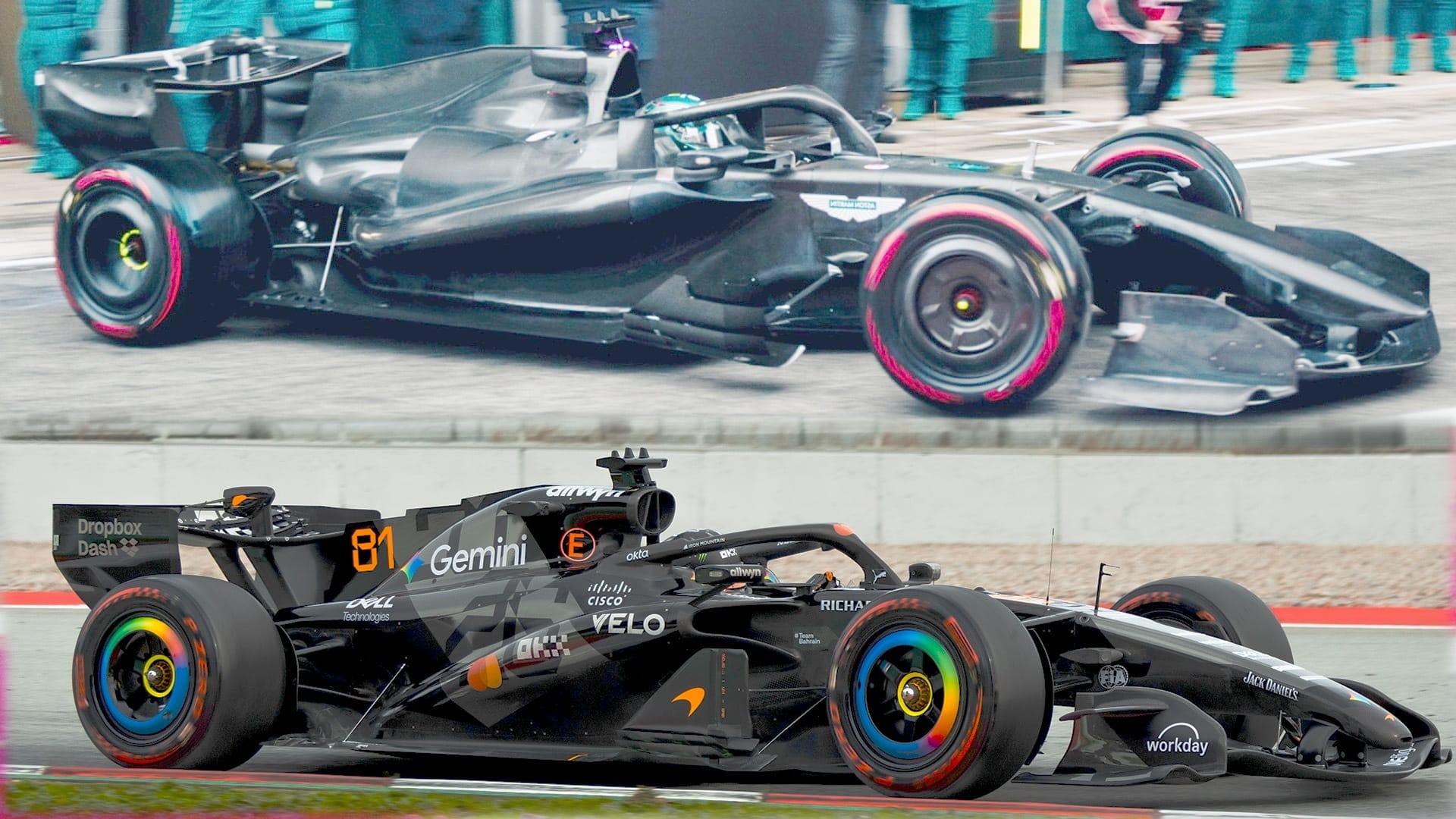
McLaren is the outlier here, having adopted a huge triangular upper element and two very compressed ones at the bottom. The aim seems to be to induce upwash, pulling as much flow as possible from entering the underfloor by pushing it upwards towards the undercut in the sidepod.
Divergence is normal at the beginning of any new regulation set. It will be fascinating to observe which of these various approaches turns out to be the most influential.