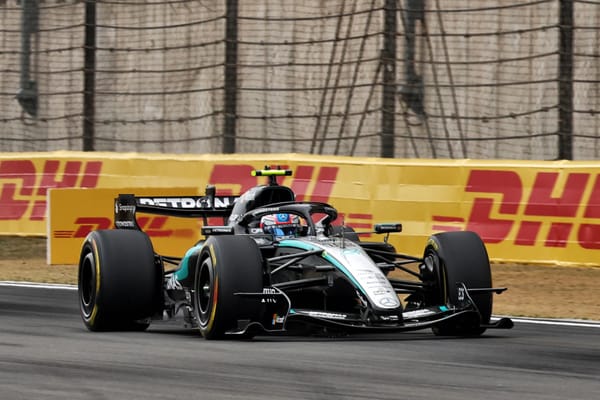
Inside the hidden world of an F1 launch season linchpin
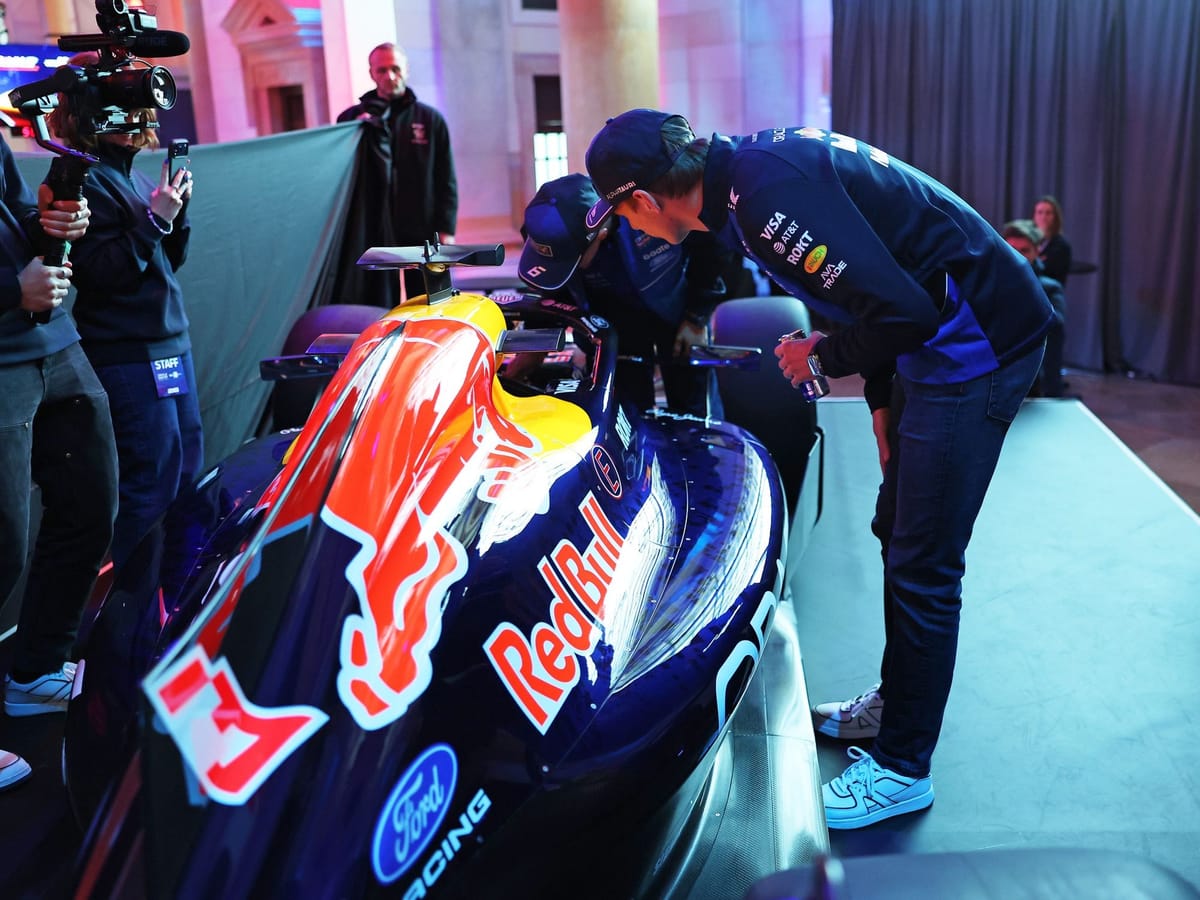
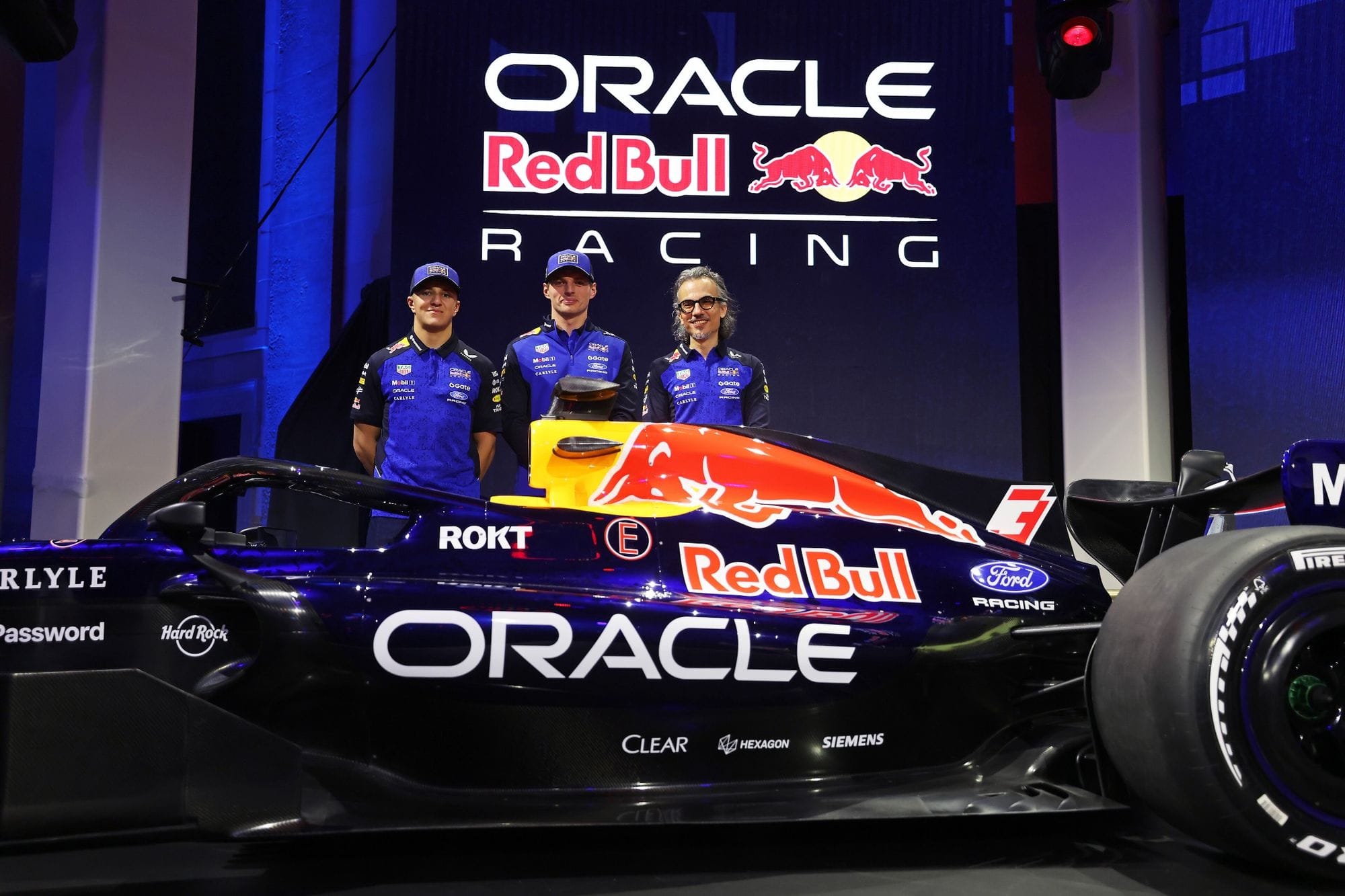
Max Verstappen revived the ‘Inspector Max’ social media meme after taking a close look at the Red Bull car revealed on stage at his team’s Formula 1 season launch last month.
His notable intrigue about the steering wheel in particular came through as he declared how impressed he was as he and team-mate Isack Hadjar got a sneak peek.
“What is that?” he asked. “Is that a sim wheel or something? Where did they get that? What the hell? I need to ask them where they made that.”
The answer to his question is that the steering wheel – and in fact the whole car – is not something that Red Bull made at all.
It is instead one element of the ultra-realistic official ‘Gen 26’ F1 show cars that are produced by British company Memento Exclusives and which Red Bull used one of at its launch.
The modern world of F1 show cars is one that not many people know about, so The Race caught up with Memento to find out more about the technology and industry behind it.
Like the real thing
There was a time when Formula 1 show cars would have been made up from bits of old race machinery with some added plastic bits to make them look good and current.
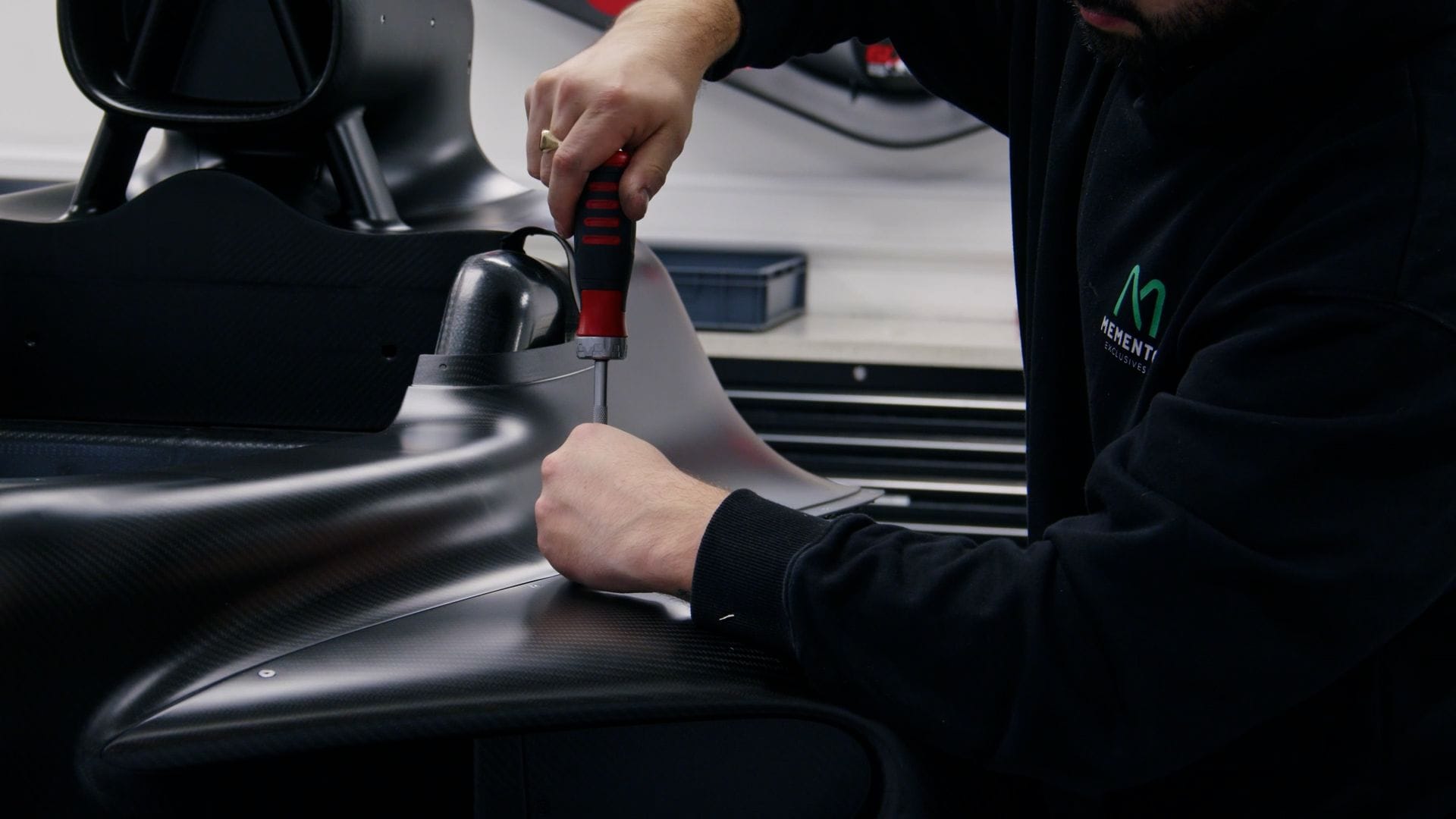
But those days are gone. Nowadays, the official F1 show cars are high-precision machines created with the same CAD, the same manufacturing processes and built using the same carbon fibre materials that are used with the real cars.
That quality means they look so much like the real thing that teams are happy to use them on stage at their official launches.
It was a Memento show car that Red Bull revealed its livery on; it was a Memento show car that Audi did the same with at its livery launch.
It will also be a Memento show car that Cadillac will be using for its livery reveal at the Super Bowl this Sunday night.
As Barry Gough, CEO of Memento Exclusives, tells The Race about the show cars: “The product has to be good these days.”
A growing business
The show car element of Memento is now a central pillar of its business and potentially makes the company the biggest producer of F1 cars in the world – with 180 show cars set to be made this year.
Memento first started building show cars before the previous regulation change in 2022. But its ever-stronger relationship with teams, and a licensing arrangement it has with F1, has made it scale things up fast.
It has helped transform what Gough started out as a memorabilia business 15 years ago into a full-scale manufacturing programme today. He now employs 120 staff at a 70,000 square foot facility.
Turnover in the next financial year is expected to be £75million - £45million of that will be from manufacturing, and £30million of that will be from memorabilia.
Gough, a former number one mechanic at BAR and who started his F1 career at Simtek, is now running an operation as big as F1 teams used to be.
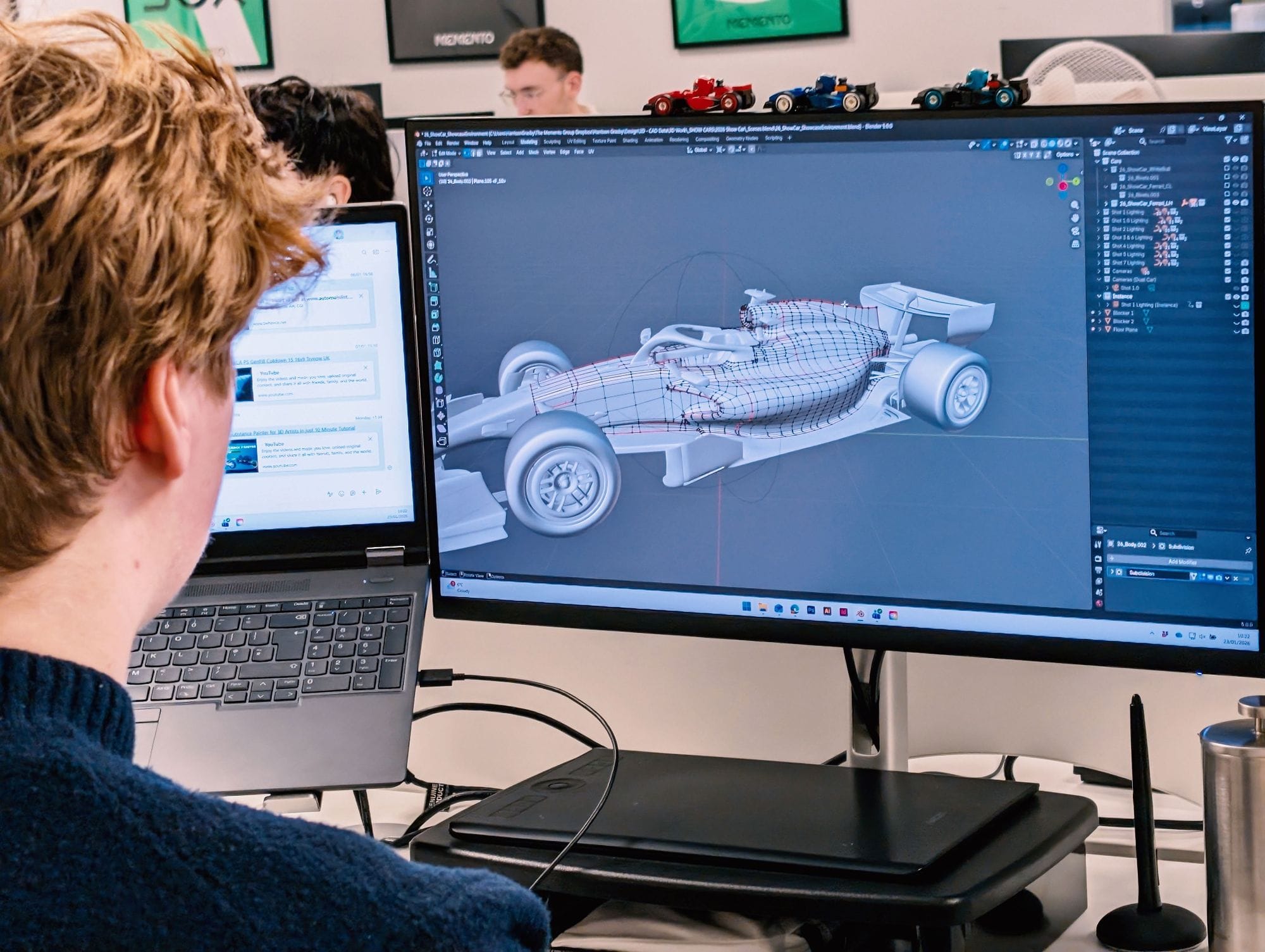
“I would say there would be about 70 people involved in the show car process from the drawing office to build,” he said. “But then you include finance and it’s more.
“I was at Simtek Grand Prix in 1994, and I've got four times more people than they had.”
Efforts to ensure that things are done to the right standard has meant that he has hired ex-F1 staff who have good knowledge of what teams expect.
This includes designers who worked with top teams plus his head of manufacturing Terry Wasyliw, who was composite fitting shop manager at the Mercedes F1 team for more than 20 years.
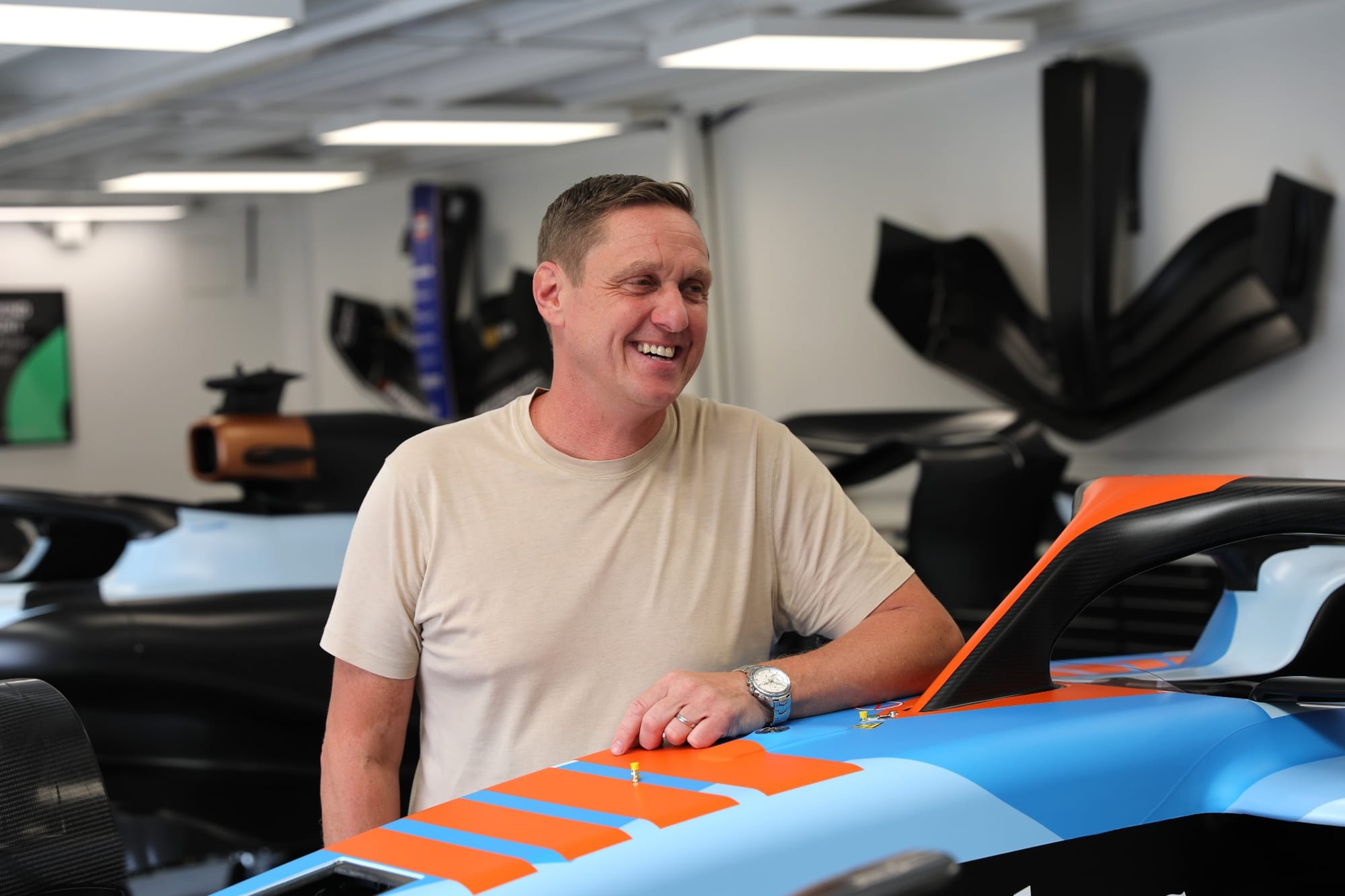
As Gough (pictured below) said: “We understand what the teams want and what the quality has to be."
The build process
Producing each official show car to the specification required is not the work of the moment.
Gough explains it is a multi-month process from his team receiving the first CAD drawings to the finished product.
“This first 2026 project took us eight months to get from there to where we are now," he said.
“But if someone gave us the CADs now, I would say it’s about 18 weeks to get from us then manipulating them, to then machining and tooling and getting to the finished product.”
While underneath the skin the show cars feature none of the complicated systems the real things need – like brakes and hydraulics - every element that can be seen from the outside is made to look as genuine as possible.
“We have a dummy engine, but it looks like an engine,” added Gough. “We have a rear impact structure, which is carbon, so that looks real. Then we have got rain lights that look real, and the suspension all looks real.
“The uprights aren't as spec as an F1 car, but they are real uprights with bearings that we've designed.
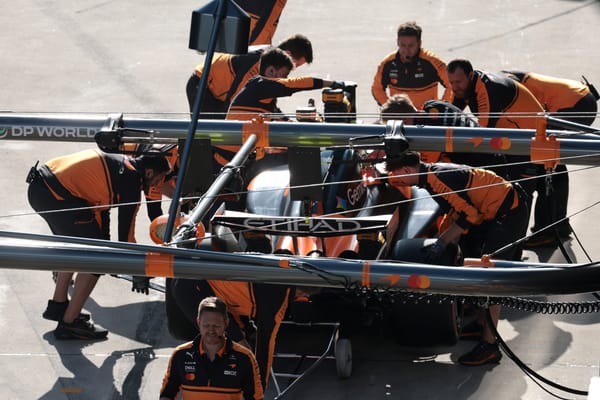
“Also, our cars are pitstoppable as well. We've designed them so that the teams can use them. You wouldn't use them as pitstop practice for an F1 team, but they could be used for activation for a team.”
For Gough the details matter – which is why he was quite happy about what Verstappen said about the steering wheel that Memento uses in its show cars.
“Max was commenting on our steering wheel and they are great,” said Gough. “They are made of carbon, and they look just like a real steering wheel.
“Some of the teams now use them for activation when they're at the track to show guests what a steering wheel is.
“They look the same, and the buttons and the paddles all work.”
Working with the teams
Memento also has the means to individually tailor the build of a car specifically for what a team wants.
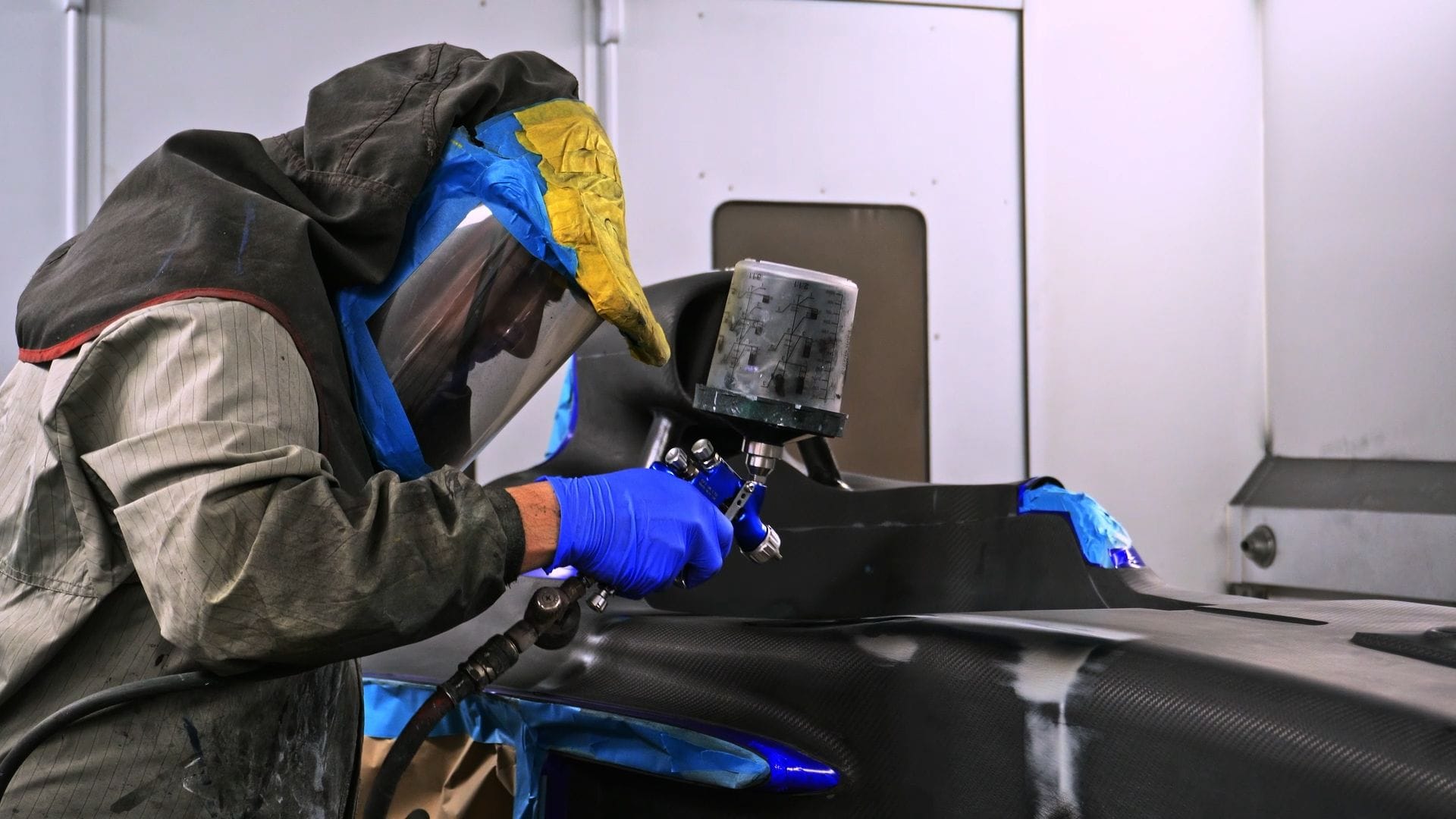
So it’s not just a case of painting colours on the same standard bodywork – Memento produces bespoke cars for anyone who wants it.
Right now, with the new rules designs in their infancy, each team’s individual cars have not yet appeared, as there is only the official standard one that exists.
But the first proper individual 2026 show cars should be appearing mid-season, once teams supply the designs to Memento.
“We get the CAD designs from teams and use those,” he said. “The cars will be tailored to them with their own spec aero and things like that.
“And we certainly don’t expect them to give us their top secrets. This is a relationship that is built on trust and process, and we have NDAs with all of the teams.”
The future of show cars
Gough is always thinking about how to make the show cars better, which is why he has some interesting ideas for the future.
Memento is set to launch a new sim based on its latest show car, plus it is working on a pitstop rig so that the cars can be used for tyre change demos at activation events.
It is not impossible that the show cars could get homologated enough to get an electric engine put in and then be used in actual pitstop practice if teams wanted.
But the inevitable question that is fuelled by the show cars is how much they cost – especially because individual teams’ versions are available to buy directly.
Each car’s price varies, plus there are different specifications available depending on what the customer wants, but you can expect to pay around £500,000.
As Gough said: "Our cars aren't cheap, but teams – like we saw with Red Bull at the launch – are using it as their centrepiece.”