How Wehrlein was squeezed out of all his F1 chances
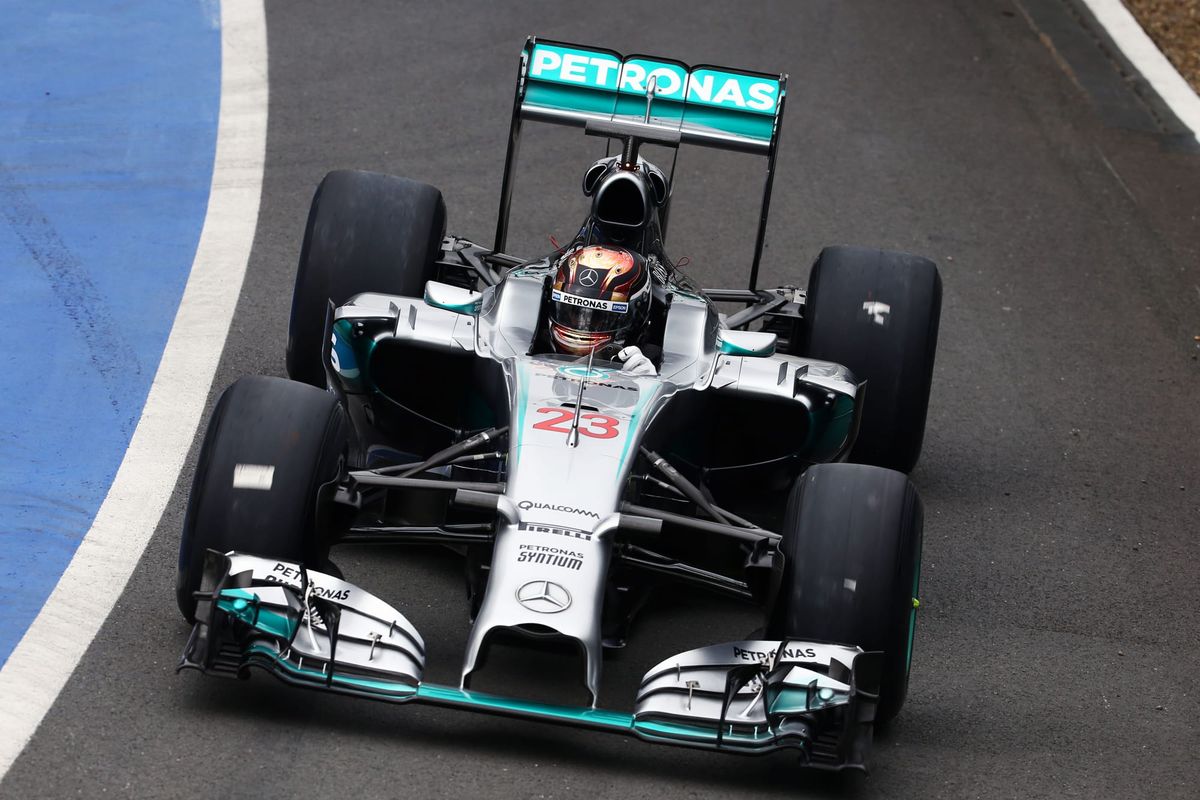
Pascal Wehrlein has just become only the second two-time champion in Formula E history in a wild 2025-26 season finale, continuing an unusual career journey that included using the DTM as a Formula 1 launchpad after an initial post-Formula 3 diversion off the single-seater path.
There's an alternative version of history in which Wehrlein had a spell as a Mercedes F1 driver during the team's original hybrid era peak. But it didn't turn out that way.
In an adapted version of a column that first ran when Wehrlein clinched his original Formula E title two years ago, Ben Anderson explains how Wehrlein was edged out of first the Mercedes pipeline and then F1 itself.
Pascal Wehrlein's brief F1 career ultimately ran aground because of Force India's decision to pick Esteban Ocon over him when offered the choice of Mercedes F1 junior drivers to sign for 2017.
At the time, Ocon and Wehrlein were Manor-Mercedes team-mates. Wehrlein was theoretically ahead in the pecking order - having joined the Mercedes scheme a year ahead of Ocon, become the youngest ever DTM champion the day before his 21st birthday, and done more than half a season in F1. Both had tested for Force India in 2015 too.
The team gelled better with Ocon, so chose him to replace Renault-bound Nico Hulkenberg. So that question of character, and how a driver communicates and builds bonds with the team around them, was pivotal in Wehrlein's F1 career trajectory just as it had been a theme of his early Formula E years.
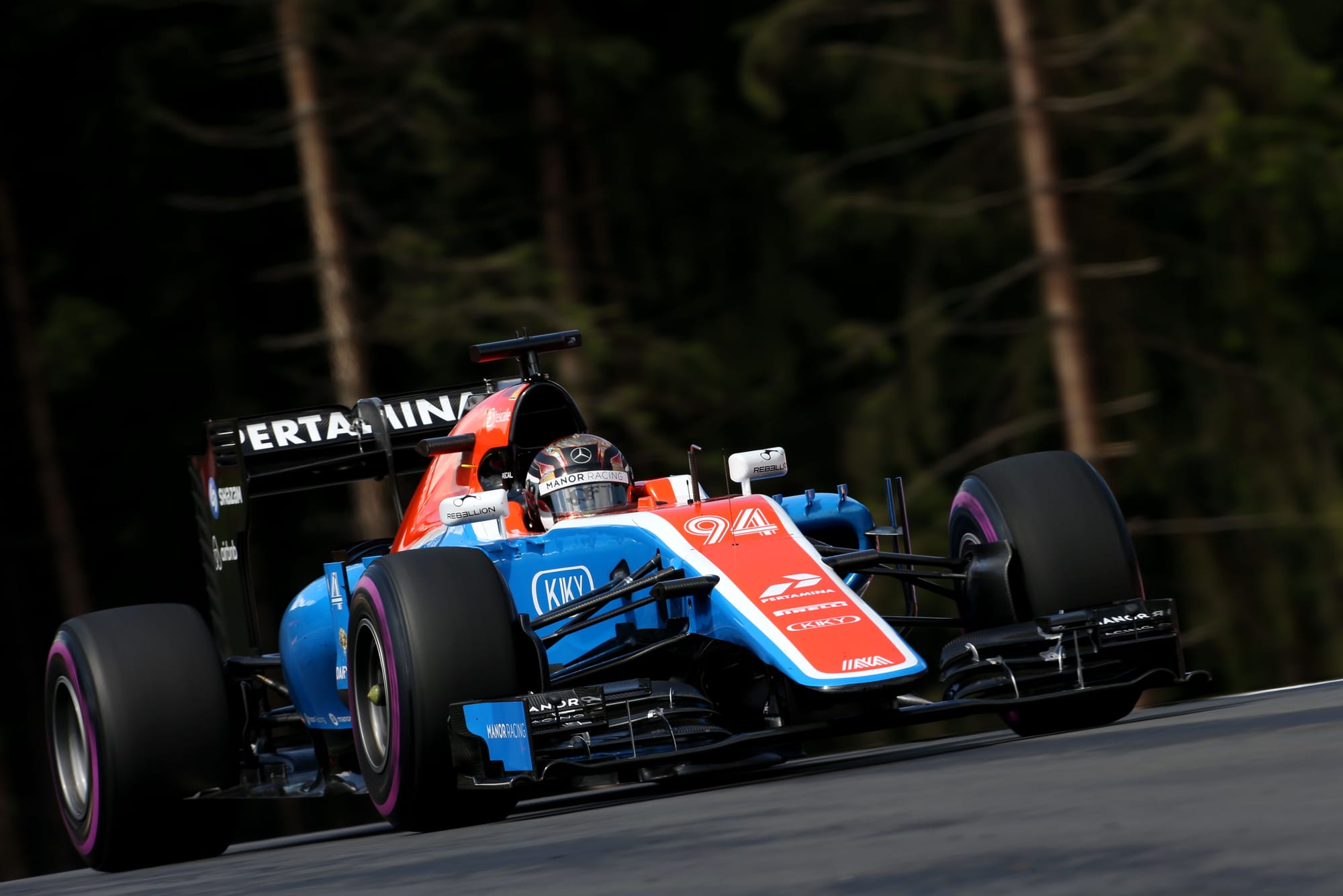
Wehrlein's ability in F1 was abundantly clear: some of his qualifying laps to get that 2016 Manor out of Q1 were stunning. But ability is only ever one part of the equation and career momentum is as easily lost as it is gained.
Mercedes rightly thought Wehrlein was plenty good enough to be in F1, but not so good that he required a clear path to racing for the works team. He and Ocon are similar in that way.
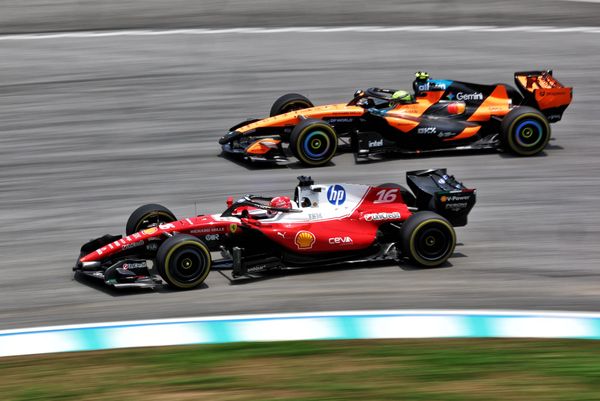
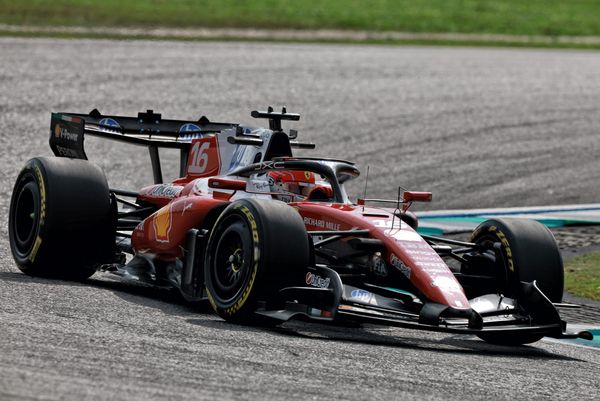
Mercedes helped place Wehrlein at Sauber instead, and he did well - but as new team principal Fred Vasseur began forging the alliance with Ferrari that would bring generational talent Charles Leclerc into that team, the fact Marcus Ericsson's Swedish backers were still heavily invested too meant it was always likely to be Wehrlein making way.
Wehrlein was never a Leclerc-level F1 driver, but he was an Ocon-level one - so in a different world perhaps could have won a grand prix and still been scrapping for his place on the grid to this day.
Such is the life of an F1 driver who belongs, but isn't considered essential. It's to Wehrlein's credit he has rediscovered that vast motorsport world outside of F1 - and made a success of it too.