Long-run analysis: Verstappen vs Piastri on day two
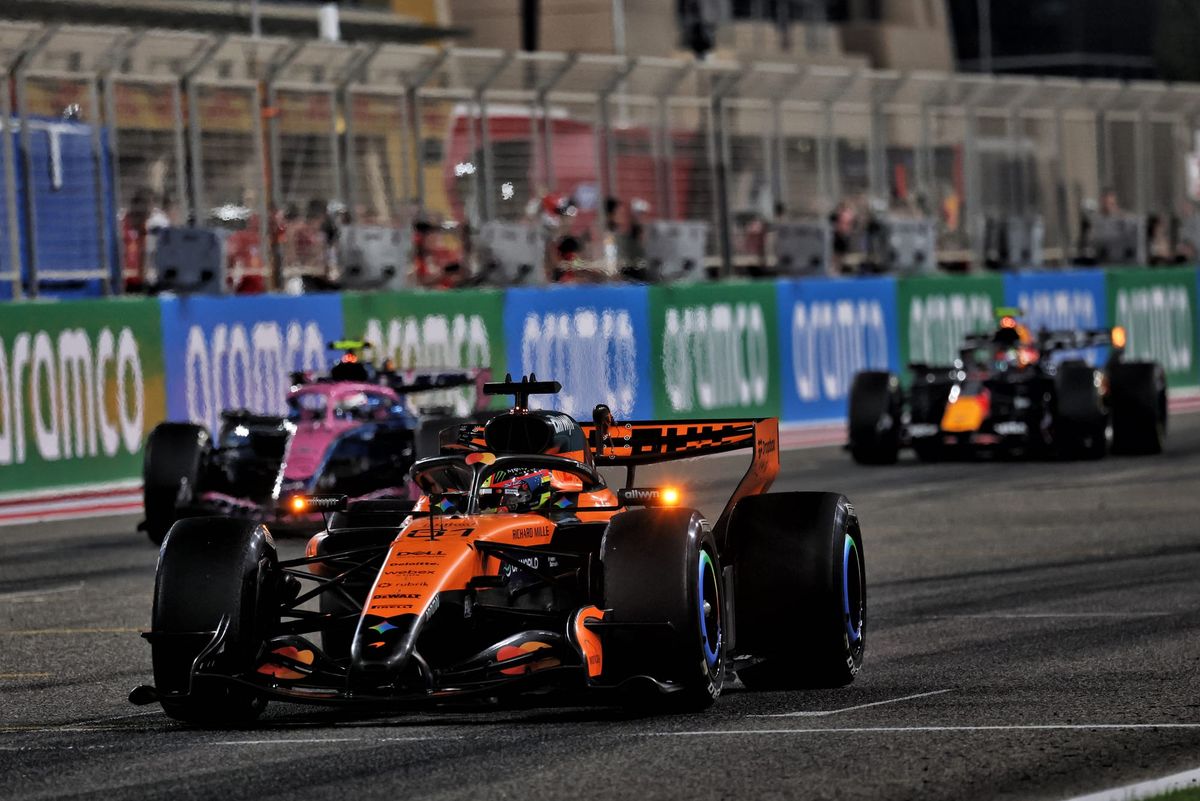
Many Formula 1 teams dove head-first into race simulations on the penultimate day of 2026 pre-season testing, headlined by a head-to-head between the McLaren of Oscar Piastri and the Red Bull of Max Verstappen.
While assumed favourite Mercedes continued with its more general long-running (its runs usually starting with a push lap before pivoting to a lap sequence), and Ferrari ran off-sequence after issues denied Lewis Hamilton virtually the entire morning session, Piastri and Verstappen 'squared off' in the final two hours.
Here's the raw data from those runs and other runs that appeared race sim-relevant, with major outlier laps (which were rare) discounted along with inlaps, outlaps and exact time spent in pits.
Race runs (or similar)
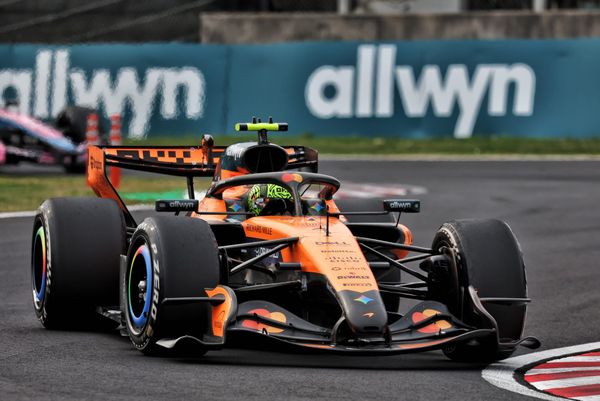
Oscar Piastri, McLaren
Start: 5.18pm
Stint 1: C3, 12 laps (1m39.874s avg)
Stint 2: C2, 18 laps (1m38.445s avg)
Stint 3: C1, 20 laps (1m37.697s avg)
Max Verstappen, Red Bull
Start: 5.04pm
Stint 1: C3, 14 laps (1m39.629s avg)
Stint 2: C2, 17 laps (1m38.745s avg)
Stint 3: C2, 21 laps (1m37.942s avg)
Nico Hulkenberg, Audi
Start: 5.06pm
Stint 1: C2 or C1, 20 laps (1m40.917s avg)
Stint 2: C2 or C1, 17 laps (1m39.492s avg)
Stint 3: C3, aborted? (Hulkenberg did two 1m39s laps, then returned to pits)
Lewis Hamilton, Ferrari
Start: 3.20pm
Stint 1: C3, 10 laps (1m39.489s avg)
Stint 2: C2, 8 laps (1m38.735s avg)
Stint 3: C1, 10 laps (1m38.087s avg)
Stint 3b? C1, 4 laps (1m38.763s avg)
Stint 4: C1, 12 laps (1m37.243s avg)
Liam Lawson, Racing Bulls
Start: 3.15pm
Stint 1: C3, 13 laps (1m41.176s)
Stint 2: C2 or C1, 8 laps (1m39.985s avg)
Stint 2b: C2 or C1, 8 laps (1m40.562s avg)
Stint 3: C2 or C1, 7 laps (1m39.525s avg)
Stint 3b: C2 or C1, 12 laps (1m40.625s avg)
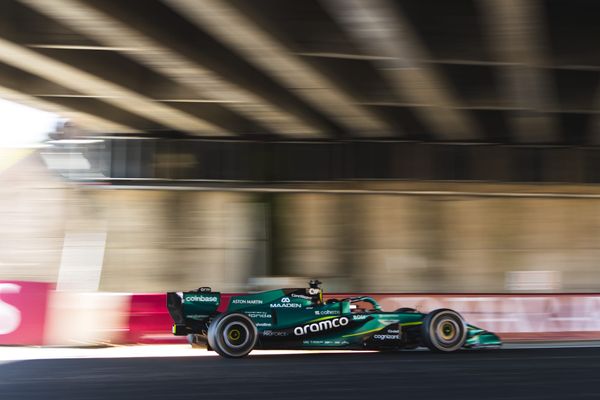
Fernando Alonso, Aston Martin
Start: 3.10 pm
Stint 1: C2, 15 laps (1m43.404s)
Stint 2: C2, 9 laps (1m41.492s, caused red flag)
Valtteri Bottas, Cadillac
Start: 10.25am
Stint 1: C3, 14 laps (1m43.123s avg)
Stint 2: C2, 16 laps (1m42.449s avg)
Stint 3: C1, 16 laps (1m41.554s avg)
Some of these are only potentially race runs - maybe Nico Hulkenberg's Audi ran deliberately underfuelled and never planned for a full third stint, and for several others the picture is skewed by Fernando Alonso's Aston Martin giving up on its first attempt at a race simulation.
That red flag also impacted Liam Lawson in the Racing Bulls car and Hamilton in the Ferrari. Upon returning to the track, Lawson continued with the same set of tyres, then appeared to continue on the same fuel load on a final set (albeit with a mid-stint break).
Hamilton, meanwhile, swapped tyres during the Alonso red flag, so if there was fuel load continuity here, it was over four separate tyre sets.
But let's turn to the headline item. Here's how the Verstappen versus Piastri race would've played out over the 50 relevant flying laps (Piastri having done two fewer than Verstappen).
50 laps
1 Piastri 1h22m04.432s
2 Verstappen +7.116s
Verstappen is stronger at the outset, but consistently weaker through the final stint and not aided by a very substantial late-stint drop-off on the C2 tyre versus Piastri's C1s.
Hamilton's first stint average earlier in the day is better than both, but he also doesn't take the stint nearly as far, so there's no like-for-like comparison.
Meanwhile, an exceptionally unscientific comparison of all the available runs at the 23-lap mark - i.e. where Alonso's Aston stopped working - is as follows.
23 laps
1 Hamilton 38m54.542s (extra tyre set)
2 Piastri +4.188s
3 Verstappen +7.759s
4 Lawson +41.016s
5 Hulkenberg +41.858s
6 Bottas +1m25.841s
7 Alonso +1m26.537s
But that's just a bit of fun across difficult-to-compare run plans and track conditions.
The final day of running should clear up the picture further, and hopefully bring Mercedes data into the mix.