Gary Anderson's verdict on Ferrari's astonishing upside-down wing
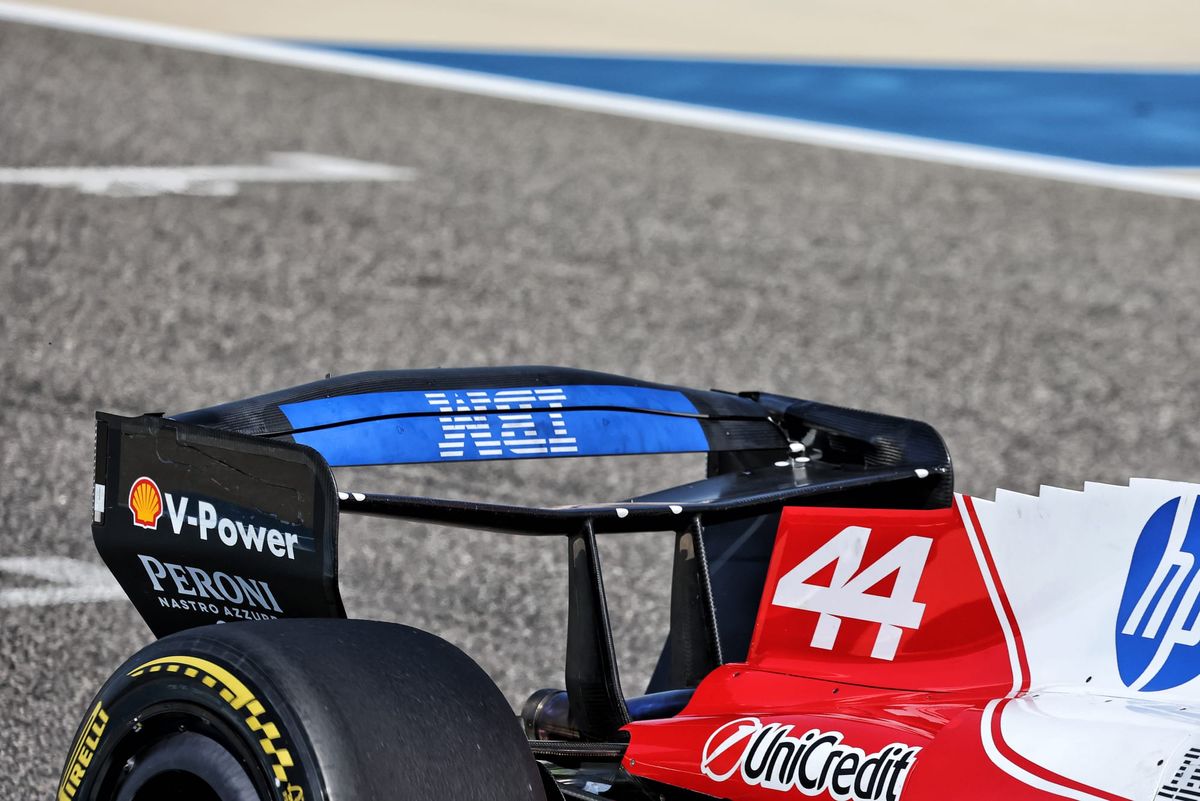
After 50-plus years involved in F1, I thought I had just seen about everything. The last time I saw an F1 rear wing upside down, so was the rest of the car connected to it.
Ferrari, with its new active rear wing concept, has changed my outlook on life.
The rear wing now consists of three elements (used to be two) - a mainplane and two flaps. Most of the teams are opening their two rear wing flaps in a similar way to what we have seen during the DRS days, creating a bigger slot gap. Alpine has gone the other way in that it drops its rear two flaps downwards, reducing the overall frontal area.
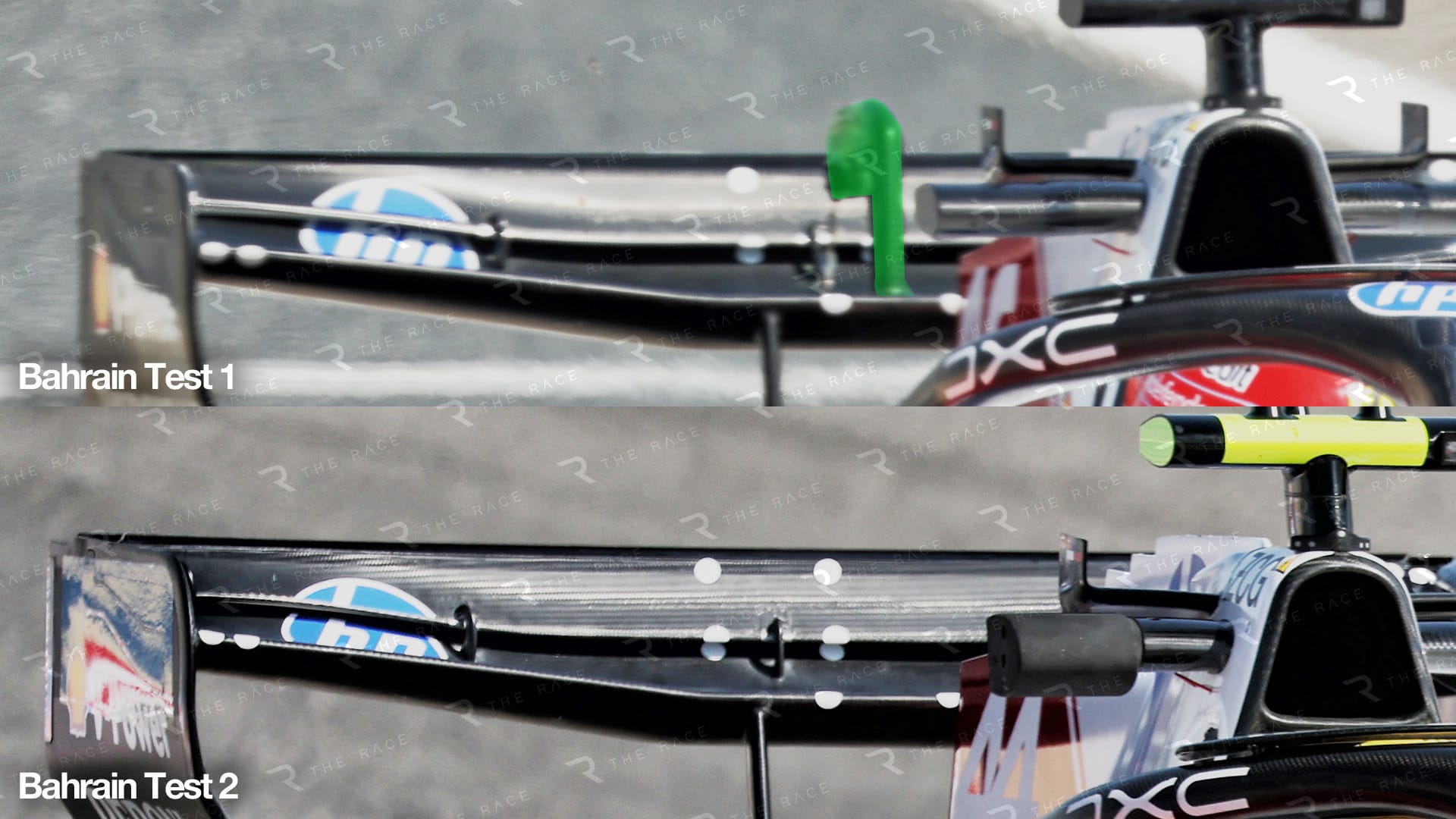
Audi is in between pivoting its rear flap assembly in the middle, so a smaller slot gap and a height reduction.
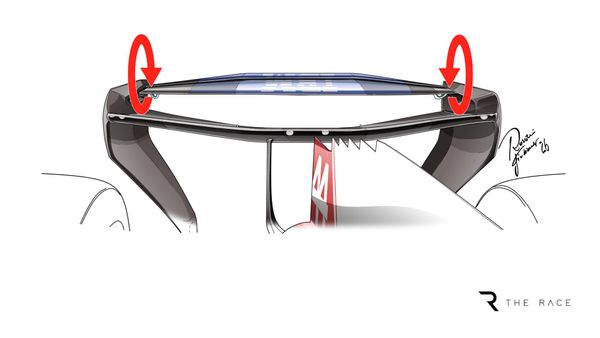
However, Ferrari has gone in a completely different direction with this new wing, in that it opens it up as with the DRS, but then it keeps going.
The flaps actually rotate about 225 degrees clockwise, looking from the left-hand side of the car, so that the flap assembly actually ends up completely upside down and further rearward when it is in its straight mode. Then, when closing, it rotates in the opposite direction to get back to corner mode.
So what are the pros and cons of all three of these solutions?
Pros
The eight teams that followed along the previous opening route can lean on their wing design knowledge from the DRS period to make sure that the assembly reduces the drag when open and the airflow reattaches quickly when closed.
For Alpine, which drops the flaps downwards in straight mode, it reduces the frontal area but it also means that the airflow will stay attached at a reduced degree to all three elements when open, so full reattachment when changed to corner mode will be instantaneous.
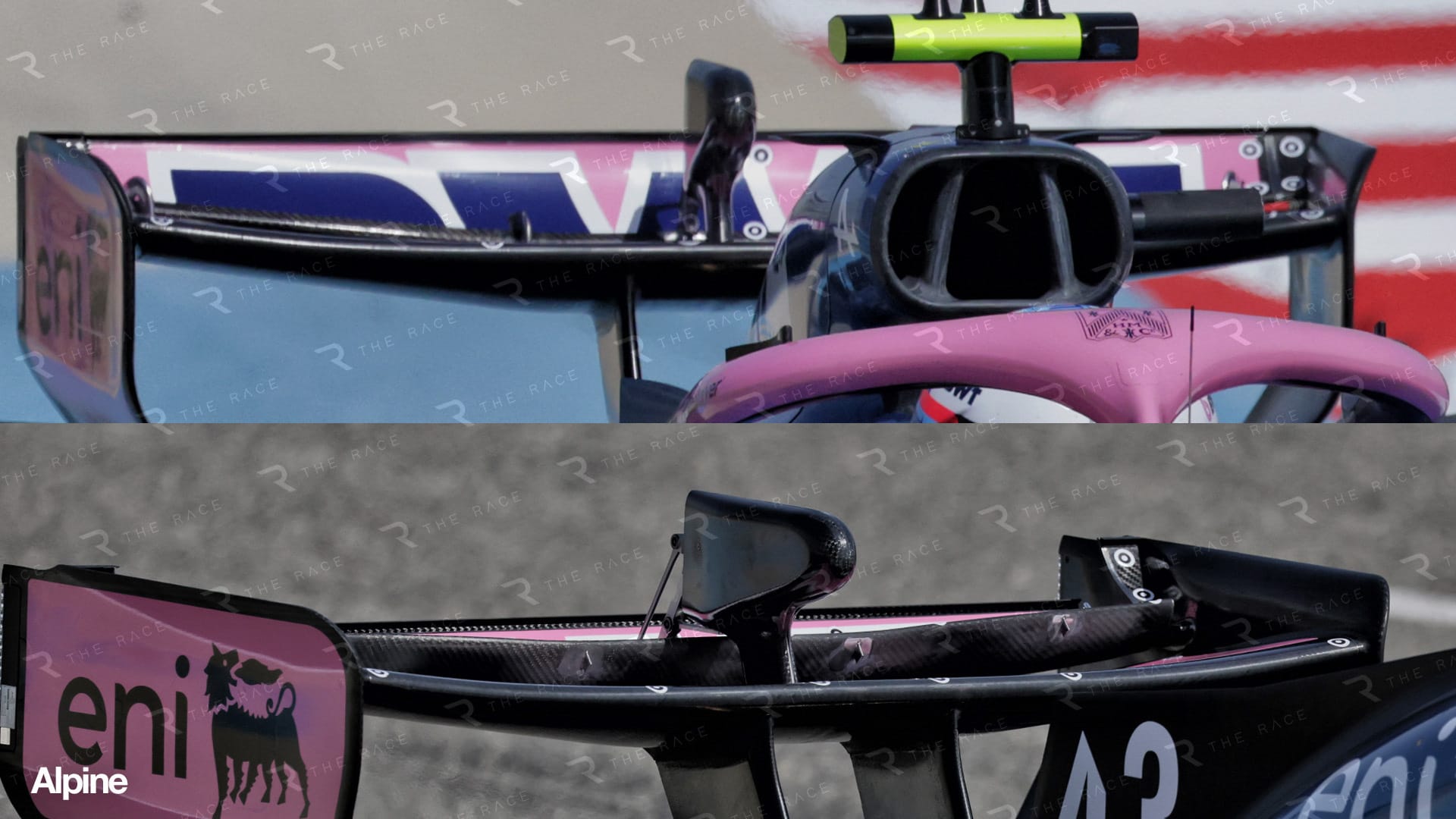
Audi has gone for an in-between solution. I suppose you could say it will get a bit of both, but not as much of either.
With Ferrari’s new concept, it will mean that when in straight mode, the two rear flaps will actually generate some lift. Then that airflow wake coming off the trailing edge of those flaps could counter the direction of the airflow wake coming off the mainplane element, so potentially reducing the drag even more than either of the other concepts.
One other thing that it could also do is while closing, when the driver hits the brake pedal and wants to slow down, it will spend a very small amount of time generating quite a lot of frontal area.
By regulation the assembly has to complete its operation of opening or closing within 400 milliseconds - but at the end of a decent straight these cars are traveling at 80/90 meters per second. So with a typical braking distance of about 100 meters and a braking time of one second, the car can travel a long way in 400 milliseconds.
During that period it will actually act like a bit of a parachute, increasing drag considerably, helping to reduce that speed aerodynamically. This means there is less work for the brakes to do.
Cons
Those seven teams which followed the DRS route may have missed a trick, and you could probably add Alpine and Audi into that, none of which have which gone as dramatic as Ferrari.
There will be lots of teams frantically doing CFD simulations of what Ferrari has come up with.
From my own very quick little simulation doing what Ferrari has done with the rear wing - in corner mode, depending on the wing level, it is generating X downforce and a downforce-to-drag ratio of 4 to 1. In the straight mode it has a downforce-to-drag ratio of roughly 1 to 1, with a 75% drop in rear wing downforce.
Actually, and somewhat surprisingly, using the same simulation and the same wing design in the corner mode, the Alpine concept comes out with the most efficient balance of downforce and drag but at the expense of a higher percentage of downforce loss.