McLaren’s interesting initial verdict on how top F1 engines compare
McLaren believes Mercedes has “definitely raised the bar” for the beginning of Formula 1's 2026 rules but the initial indication from Barcelona testing is that the leading engine manufacturers are closely matched.
Sweeping changes to F1’s car and engine rules are tipped to reshuffle the F1 pecking order this year with Mercedes long mooted to be in the best position.
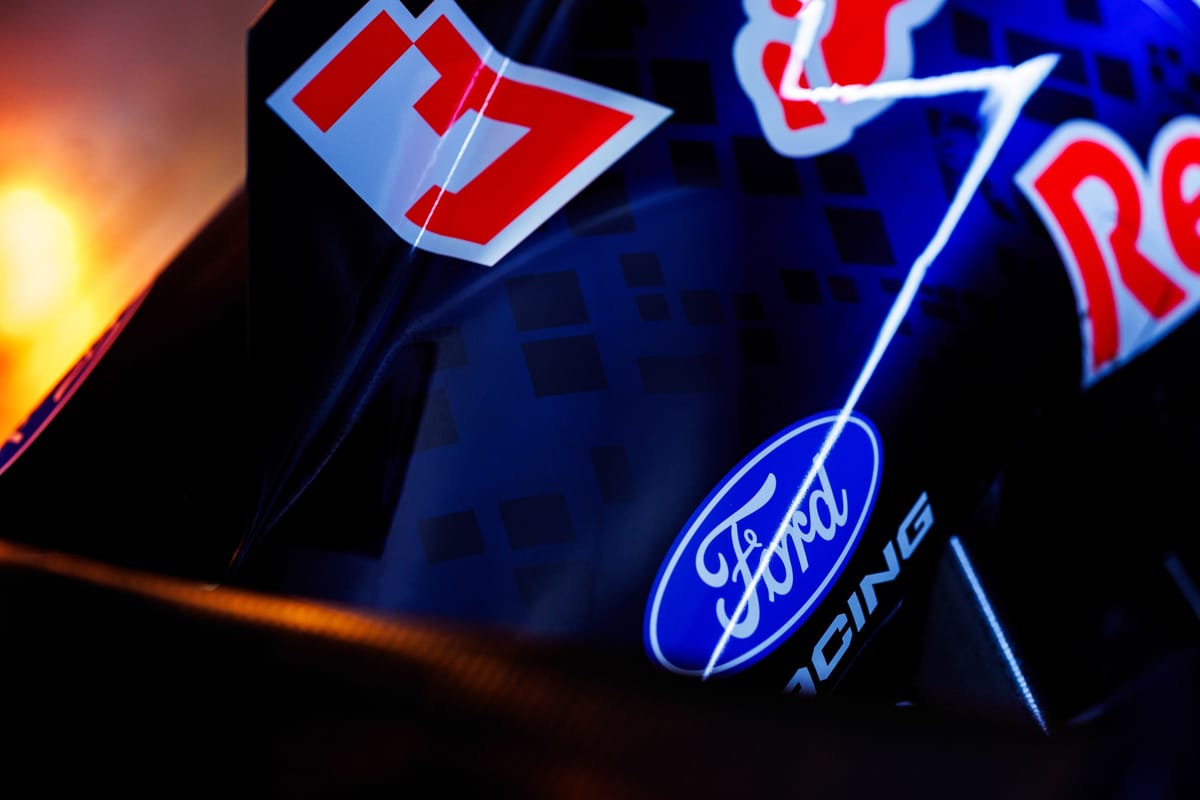
This was reinforced by its test-topping mileage and strong early performance in Spain last week, but the reliability of the Ferrari and the first engine built by the new Red Bull Ford Powertrains company also made an impression, even with Mercedes.
McLaren’s initial assessment from Barcelona, while loaded with caveats given the test was even less representative than usual, is that the performance of those three engine manufacturers did not seem drastically different.
"It is clear that there are at least three competitors – Mercedes, Ferrari and Red Bull – who have all got off to a good start,” Stella said.
“In particular, the Brackley team has definitely raised the bar, and we will have to work hard to do the same.
“The fact that the three teams I mentioned are equipped with three different power units is a first indication that there may not be extremely marked differences in terms of absolute performance, at least as far as some of the PU suppliers are concerned.”
Barcelona comes so early in everyone’s testing programmes that there could be much bigger differences at the next two weeks of testing in Bahrain once teams start to run their engines harder, especially as the energy recovery and power deployment demands will not be the same.
But Stella’s comments are a cautiously encouraging early verdict given the prevailing sentiment that such a big rules change, and Mercedes’ perceived position, could lead to big gaps between teams based on which engine they have.
These tests are taking place against the backdrop of discussions over F1’s reduced compression ratio rules for 2026 and the belief that Mercedes has interpreted those rules - legally - in a way that could give it as much as three tenths of a second advantage compared to the others on some tracks.
If the usual leading teams are on relatively even ground in terms of outright engine performance, then it will become more of a battleground in exploiting the new 2026 energy demands along with traditional car development.
And it has been suggested after Barcelona that the works teams are currently in a better place for optimising the engines because of the information they had more immediate access to during the development phase.
“Although these are very preliminary indications, I believe that one of the areas where there is great room for improvement is in exploiting the new power unit and all the options available to the driver,” added Stella.
“There is also a lot of potential to be extracted in terms of managing the variable aerodynamic configuration, referring to the alternation between corner and straight mode.
“That said, it is obvious that this generation of single-seaters is at a very early stage of development: four years ago, when ground effect cars made their debut, we were in different circumstances because the power unit and tyres were essentially unchanged from the previous year.
“More than ever before, this year it will be the ability of the teams and drivers to exploit the package at their disposal, as well as the ability to develop the car in the right direction, that will make the difference.
“In any case, what we see in the first part of the season in terms of the balance of power will almost certainly not be the same as what we see in the second part, precisely because the effects of car development in an early phase, such as the one we are experiencing now, can only be very significant.”
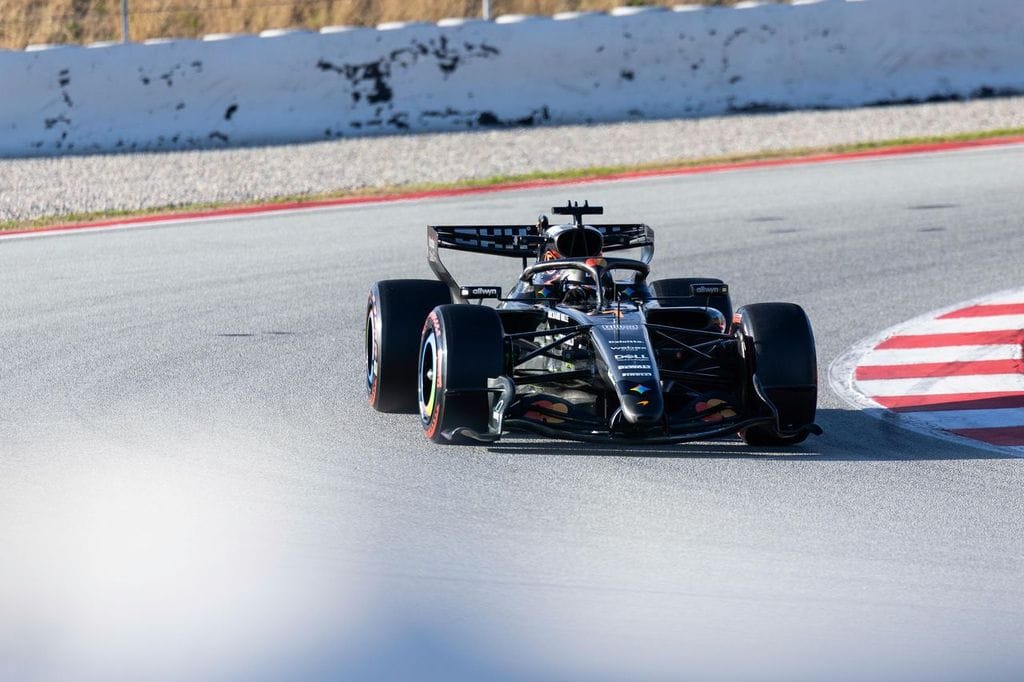
Mercedes had such a disappointing performance from 2022 through to 2025, failing to fight for a single world championship, that it was overhauled by engine customer McLaren – which peaked by winning both championships last year.
Even if the Mercedes engine proves to be the class-leading design, that leaves a question mark over which team using it will be in the best position.
Having left the build of its MCL40 late, and not running as much in the test as a result, McLaren seems to have more work to do at this stage of testing to fully understand its car and then plot its development priorities.
“What we saw on the track was in line with expectations and, above all, with the simulations,” said Stella.
“What emerged clearly is that the learning curve is very steep for everyone – drivers and teams alike – which means that every lap teaches you something useful in terms of performance.
“It was natural to expect such a scenario, considering that these cars are totally new, from A to Z.
“We know that the MCL40 is a good starting point, but now we have to work hard to develop it and improve the overall performance of the package, both for the immediate future and to further define the development lines during the season.”