F1's made a big mistake with first 2026 test
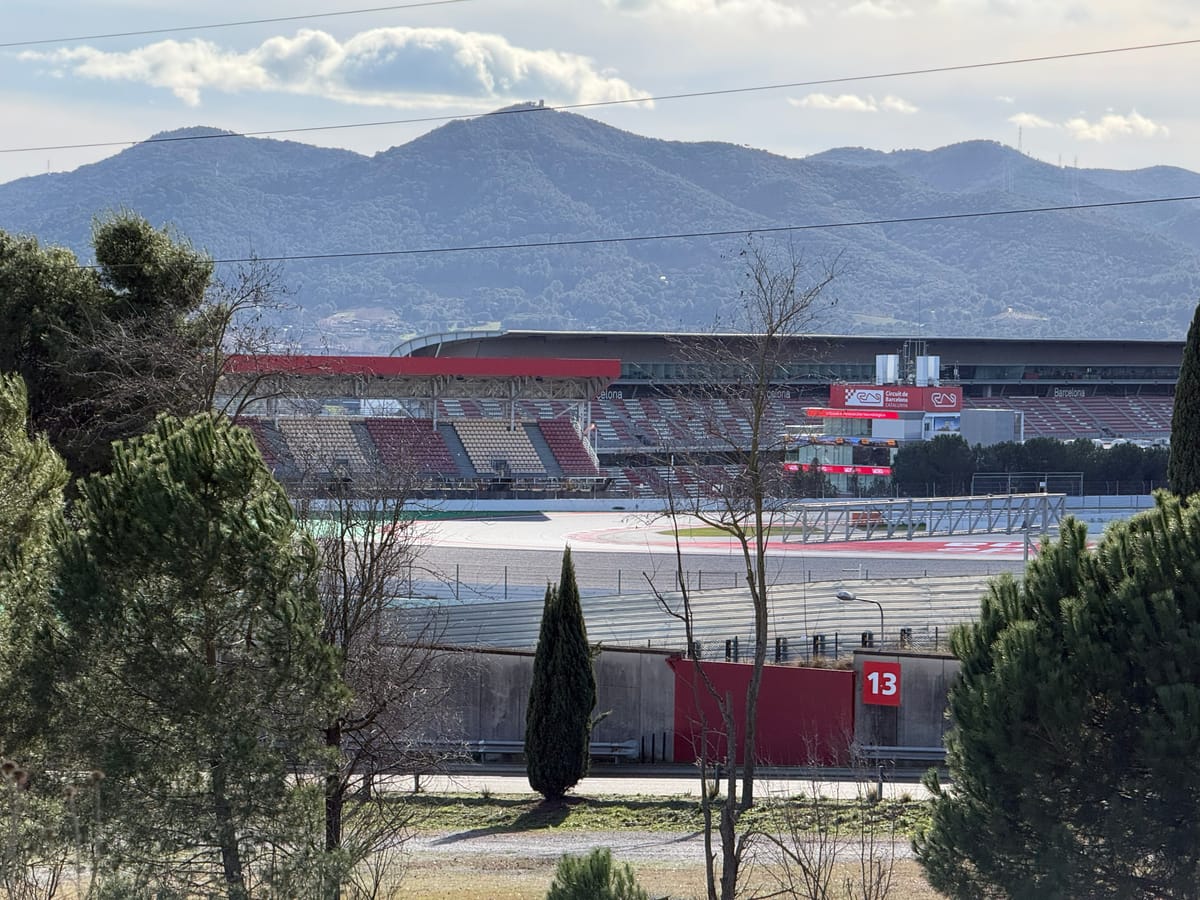
Formula 1’s first pre-season test, marketed now as ‘Shakedown Week’, begins in Spain on Monday – but only behind closed doors.
There will be no public timing, media do not have access, and teams are limited to sharing just half a dozen images of their cars on track a day.
F1 itself will be there as a content creator, though. This will include sharing material on social media, filming a few minutes of drivers and team personnel speaking across the week, and putting together a highlights package each evening.
So it is not completely private, but it is being kept strictly under F1/team control.
In that sense, F1 and the teams do not lose. They can still drip-feed information out, fans will still enjoy that, there will still be extensive media coverage - so plenty of attention will still be there.
And they get it without having to worry about the whole thing being before prying eyes, they can try to ignore any major reliability problems with the new cars and engines, and - what some feel is the real reason this is all private given several teams have already shaken down their cars without much drama - they do not need to worry about the high-paying fees for Bahrain to host the ‘real’ pre-season tests being compromised.
We may not be able to get into F1's first 2026 test, but we're getting as close as we can and gleaning every bit of info we can for you - go behind the scenes with Edd and Jon in The Race Members' Club now, with a seven-day free trial
The desire not to have 2026 cast in a bad light straight away, and for teams not to look silly given they have had to turn around brand new cars and engines in an extremely compressed winter due to a sub-optimal process defining the cars, is understandable. But that does not make it right.
Things can’t always be perfect and positive. If you’re just being told everything’s amazing, it’s harder to work out what’s actually good. Whereas if people front up to something being bad, you’re more likely to believe them when the message is more positive.
Plus, F1’s meant to be difficult, and all the stakeholders should have a little more faith that most fans will understand that. They should also trust in the underlying strength of the championship to withstand legitimate criticism of anyone underperforming to start with.
The turbo hybrid era began with a nightmare first test at Jerez featuring significant reliability problems for several teams, and an opening day on which only six cars managed timed laps and 15 seconds covered them.
A repeat of that in the modern day would be a bad look but a well-told story of the recovery over the weeks that followed would quickly make it old news. And the probability seems low anyway, which adds to what makes the secrecy of the first 2026 so frustrating – that it seems so unnecessary.
It’s also just not how F1’s been in a long time, or how the world works. Especially not the world that F1’s embraced.
More from day one at Barcelona
- Red Bull sets pace as red flags disrupt first morning
- Security clampdown outside F1's private 2026 test
- What it's like being at F1's closed first 2026 test
Access and content is more important nowadays than ever, and F1’s main currency is getting as much attention as possible and appealing to more people in more ways. Its biggest wins in recent years have been breaking down barriers to following its most interesting moments.
This is the antithesis of that. Cutting off access to what would otherwise be one of the most hyped events of 2026 is a weird move that diminishes F1’s returns. It shortchanges fans, both in terms of how much they can take in themselves and where they get that information from.
Hyper-curated updates from the teams, and of course F1 which gets to double down on being its own media, isn’t particularly transparent and in terms of footage, pictures and real information, it’s a poor version of what makes testing so great - and why F1 has benefitted for so long by having its pre-season a uniquely gripping part of the narrative compared to other sports.
Of course, selfishly, it’s an unwelcome step for us in the media. Even an early test like this has value - to see the cars on track, hear the new sound, monitor garage time more closely, get an idea of early run plans. Who is well prepared? Where are the early struggles? What is this new generation of car like on track?
Yes, we will be able to check this in Bahrain. But without a real reference. So that means the picture's less complete and the chance to tell an accurate, compelling 2026 story overall is reduced. Information is great so it can be frustrating when some people seem to happily downplay the importance of it.
It’s also important for things people care about to be reported sensibly and honestly. And the funny thing is trying to be so secretive won’t stop bad stuff leaking out anyway.
In fact it’s only more likely to put anything like that more in the spotlight because it’ll stand out even more if there’s just a minor drip-feed of mundane information.
And the more gaps that are left unfilled, the bigger the vacuum that exists to be filled with the most extreme speculation and theorising that isn’t actually any good for following F1.