Why F1 teams have been asked to test reduced battery power
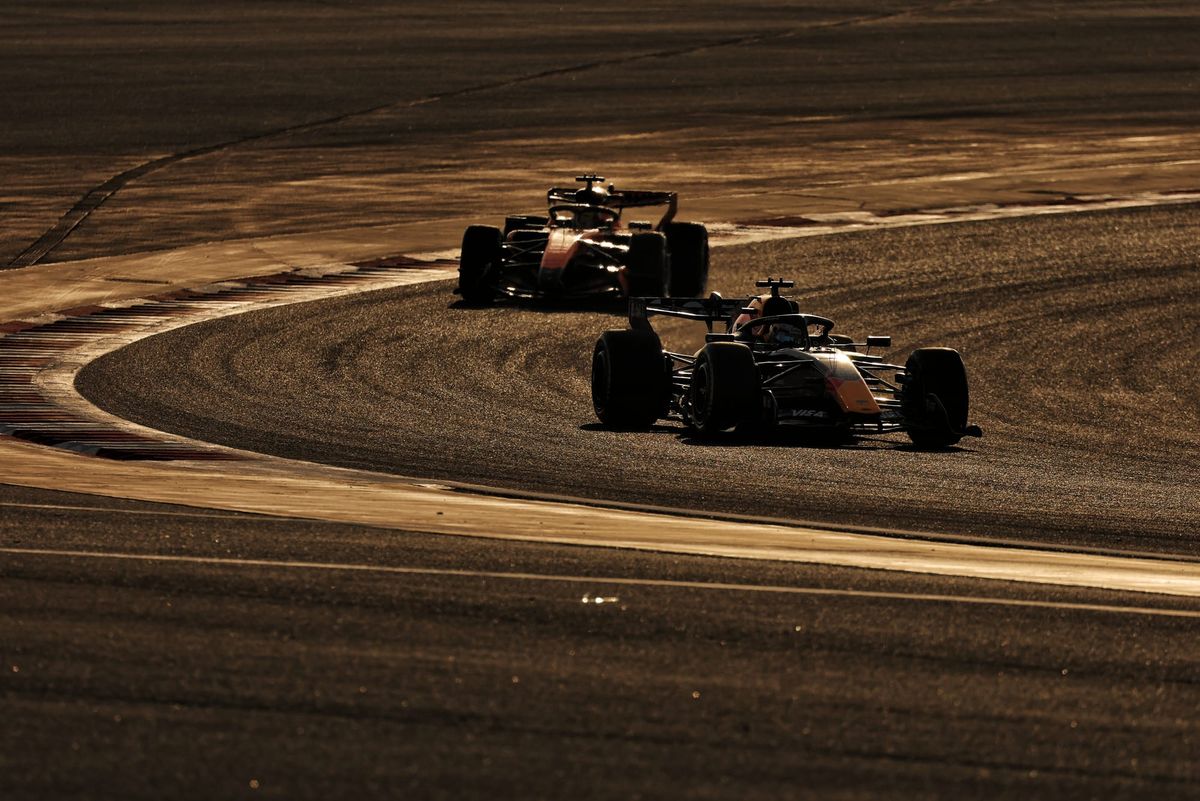
Formula 1 teams have been invited to run with reduced electric power deployment at times during the final Bahrain test to help evaluate a backup plan to resolve the main complaints with the 2026 engines, The Race can reveal.
The main concerns with the new power units relate to the techniques required to charge the battery and whether full power can be deployed enough across a qualifying lap in particular.
Teams are using more aggressive downshifts and ‘super clipping’ – stopping electric power deployment to run the MGU-K against the engine while the driver stays on full throttle to charge the battery – alongside conventional recharging methods like braking and, to a lesser extent, lifting and coasting.
Optimisation of the engines has improved significantly over the three weeks of testing from Barcelona and the two Bahrain events, but drivers have complained about the compromises required to maximise charging and deployment across a lap.
Suggestions have been raised for how this could be improved for the start of the season, but stakeholders are wary of making regulatory changes before races have even taken place.
The FIA said on Wednesday that, after a discussion at that day’s F1 Commission, evaluation and technical checks on energy management would be carried out over the remainder of this week’s Bahrain test – which The Race understands relates to teams being invited to run with reduced MGU-K power output.
If they do, it will be useful data to understand how much of a difference reducing the peak MGU-K power makes to the recharging requirement around the lap.
Effectively, the question is would it be better to run with a lower peak power in racing conditions but be able to use that power more often. It is a back-up plan the FIA has had in mind for a long time and was even discussed early last year, although different figures have been suggested in the paddock for what it should be reduced to – 350kW down to 300kW, for example, or as low as 200kW.
But it would mean changing a core aspect of the cars – that the electric element contributes almost 50% of the total power output – in race trim, so is not a preferred route. Neither is another mooted option of just allowing the teams to use and burn more fuel to work the internal combustion engine harder.
Another change that has been proposed, though, is to increase how much the battery can be recovered with a super clip. Presently, the rules do not allow the MGU-K to run as a generator beyond 250kW, as this prevents reducing the overall engine power output and speed too much. But McLaren suggested that allowing the MGU-K to work at full capacity in reverse – so 350kW – would eliminate the need for lifting and coasting, for example. Teams have been invited to test super clipping at 350kW.
What is unclear, and why experimenting with different methods in testing has been discussed before the season begins, is how much of a benefit any such changes would actually yield, hence the desire to test ideas in Bahrain and then also get information from race weekends as well.
Stakeholders seem to agree it is prudent to wait until there is a decent sample set of races to fully understand the situation, especially as the season begins in Australia where the track is not going to afford many recharging opportunities.
That means many are braced for Melbourne featuring aggressive harvesting tactics, even in qualifying. And there are other difficult tracks in the opening run of races including Suzuka and especially Jeddah that will be challenging too.
And there is general agreement that it is wise to be proactive in assessing the options that would be the lightest-touch fixes in case something does need to be done early in the season.
Grand Prix Drivers' Association director Carlos Sainz called for FOM and the FIA to "stay a bit open-minded, in case the regulations that we've come up with are maybe a bit exaggerated on the amount of harvesting or deployment we have to do through a lap".
He said "we might need to adjust a bit the regulations" and added "we should stay flexible, rather than committed to a certain level of energy management".
Senior figures in F1 also have optimism that the progress being made with the new engines means these are short-term issues rather than something that could dog the entire rules cycle.
One example given is how unprepared teams were for race starts or in understanding energy deployment when the first test took place at Barcelona compared to now, with teams finding several tenths of a second in laptime just by refining deployment tactics and the cars become a lot less alien for the drivers in how they behave.
That means wholesale changes could be avoided even if there is quickly consensus that refinements are needed, and if that requires tweaks to the regulations.