Nine things we learned from the first day of F1 2026 testing
The start of Formula 1's behind-closed-doors test at Barcelona made for one of the most unusual days of testing in recent memory.
A grand commitment to secrecy, unintentionally available live timing being discovered (and then closed off), and most importantly actual running from several cars made for a weird but fascinating first proper day of 2026.
Here is what we learned as a glorified 'shakedown week' began.
Early laptime hints
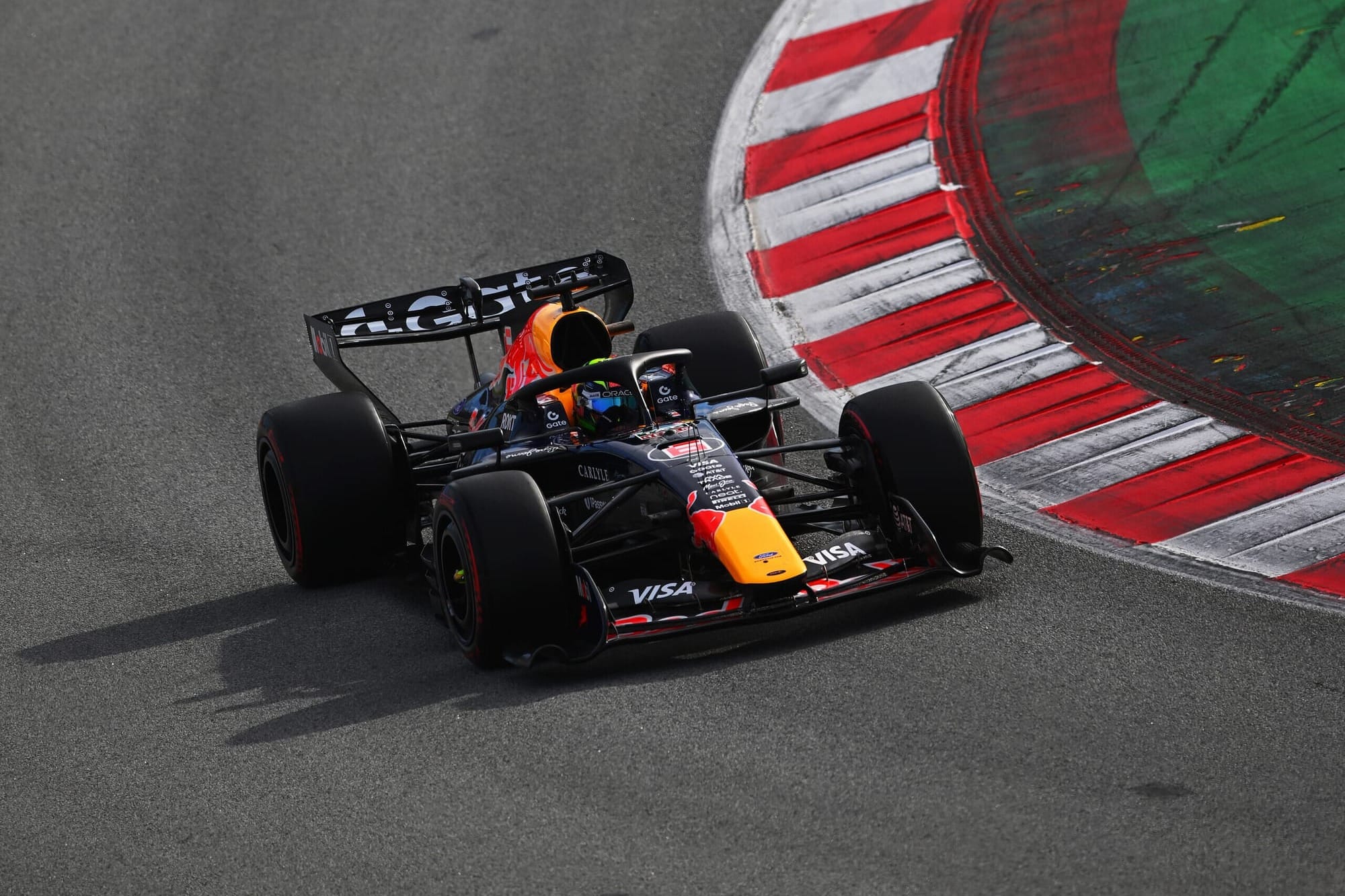
Not to be guilty of reading into laptimes from testing, but Isack Hadjar and Red Bull’s new in-house engine are off to great starts.
OK, that is said tongue-in-cheek. But as we understand it, the time Hadjar set in a flurry of improvements just after midday still stood as the first 2026 benchmark by the end of Monday.
These laptimes mean very, very little. Next to nothing unless you know that a team drained the tank, rinsed the battery, and still ended up five seconds off the pace!
2026 day one times
1 Isack Hadjar (Red Bull) 1m18.159s
2 George Russell (Mercedes) +0.537s
3 Franco Colapinto (Alpine) +2.030s
4 Kimi Antonelli (Mercedes) +2.541s
5 Esteban Ocon (Haas) +3.142s
6 Liam Lawson (Racing Bulls) +3.354s
7 Valtteri Bottas (Cadillac) +6.492s
8 Gabriel Bortoleto (Audi) +7.137s
9 Sergio Perez (Cadillac) +7.815s
However, they don’t mean nothing at all. It’s a very useful reference for the rest of the week: for which teams clearly did no performance running at all, and for who seemed comfortable at least starting to lean on the car a little.
For example, Red Bull and Mercedes have been able to start on the front foot, whereas newcomer Cadillac (and to a degree Audi) is unsurprisingly a long way adrift as it is prioritising mileage above all else and has the most to learn.
Then the other teams are dotted across the six-second spectrum between.
And when Hadjar appeared before F1's in-house cameras at the end of the day, he sounded genuinely upbeat - and perhaps even pleasantly surprised.
"It was pretty productive. Surprisingly we managed to do a lot more laps than we expected," he said. "Everything went pretty smoothly. We had only minor issues.
"So it’s quite impressive considering it’s our first day with our own engine. It was definitely smooth."
Who did the most running
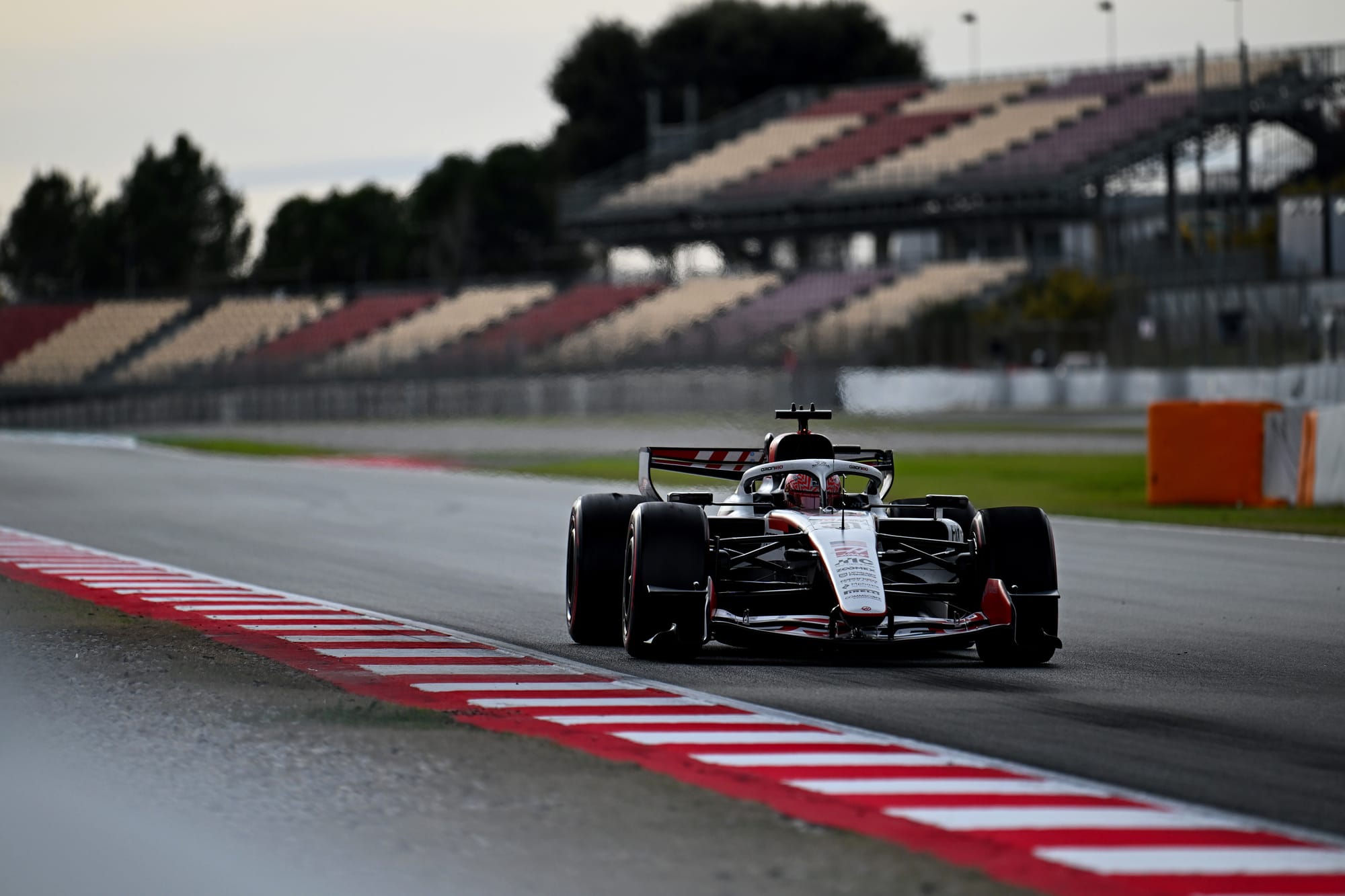
Seven teams - Mercedes, Audi, Alpine, Cadillac, Racing Bulls, Haas and Red Bull - leapt into action immediately on the opening day.
Ferrari and McLaren are set to join on Tuesday although McLaren could delay until Wednesday.
But Aston Martin will join late and not maximise the permitted three days of running with its 2026 car as its "intention is to run Thursday and Friday", while Williams is the only team known to be missing the test as it has had delays in the build of its new FW48.
The first day of official testing for these new engines went significantly better than the last one.
Back in 2014 at Jerez, when the 1.6-litre V6 turbo power units were introduced, a grand total of 93 laps was all that was logged. For the latest engine, the first day of running has produced significantly more running, with several teams ready to start racking up the miles as soon as the pitlane opened.
There were stoppages. On the first morning alone there were three red flags in three hours across Alpine, Audi and Racing Bulls. Audi did not seem to get back on track after its early setback, leaving the team completing just 27 laps all day.
2026 day one lap totals
Haas: 154
Mercedes: 151
Red Bull: 107
Racing Bulls: 88
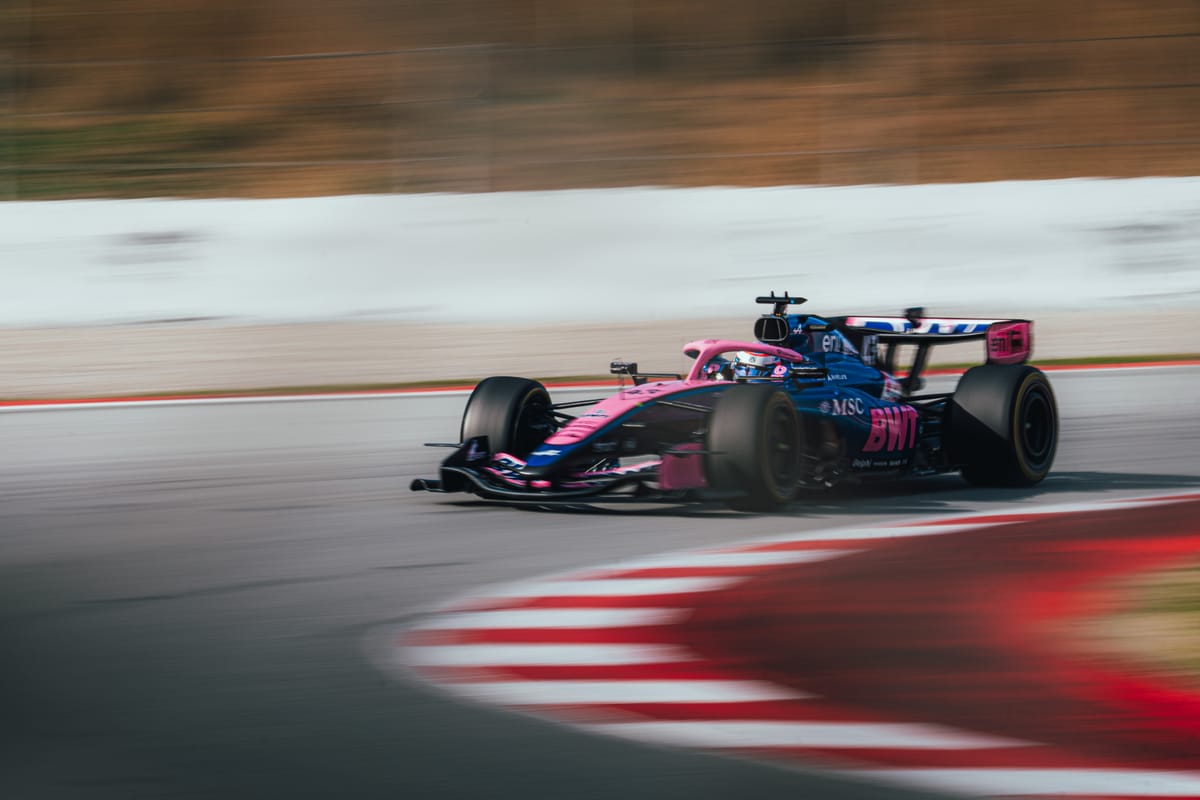
Alpine: 60
Cadillac: 44
Audi: 27
But the overall strength of the running - including Haas racking up a mammoth 154 laps - is a testament to the level of preparation that the teams today are capable of with all manner of dyno and virtual facilities that were either non-existent or less advanced 12 years ago.
George Russell, while acknowledging Mercedes' own 151-lap total, said he was "pretty impressed with a number of other teams" too.
"You see the Red Bull-powered teams, [with] a brand-new power unit, and they're like a brand-new team from a power unit side and they had a really smooth day with two cars," he said. "Audi had some good laps in there as well, and I think Haas did the most laps of everyone with a Ferrari engine.
"So it's not quite 2014 vibes of half the grid is breaking down and having loads of issues. I think Formula 1 has evolved so much since then and the level is just so high, from every single aspect. It was pretty impressive to see all the teams on the whole having a lot of laps under their belts on day one."
And that bodes well for the season that is to come, at least for the teams if not fans of increased unreliability.
Security games
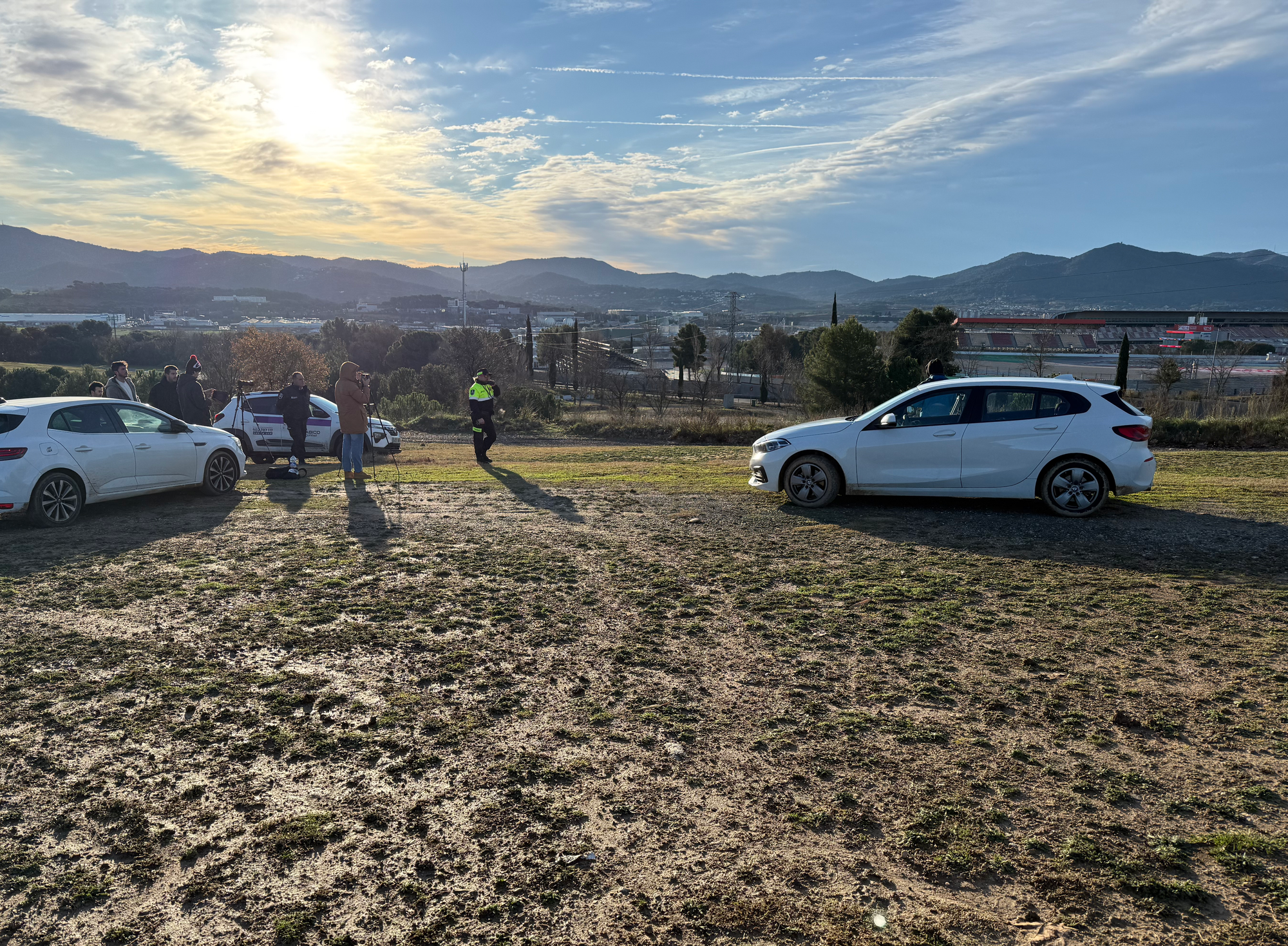
A closed test means no media access but there was an importance in trying to at least get a sense of these new cars. The uncertainty was how much we would actually be able to see.
Because the Barcelona circuit is in quite a hilly region, there are some places on the outside where you can see the track.
'The Hill', which is a hiking route just up above the outside of the final sector, is the obvious place to go and The Race was joined there by several Spanish journalists and photographers who often go there for tests.
But 20 minutes in, security turned up and told us to move on, claiming that even though this is public land, because it offered an eyesight of the track, we weren't allowed to stand there.
This triggered some cat-and-mouse games between one or two security cars and then various groups of people in various spots all around the track.
Read more: What it was like being locked out of F1's first 2026 test
There were people in some trees that overlooked the final sector, some watching from a raised gravel car park that overlooks the penultimate corner, a photographer stood on top of a bank in the far distance to get a look at Turn 10 - and people just going back to 'The Hill' while security chased other people!
The police got involved as well, and Spanish media even said local 'secret police' were warning people to move away too: first they had to be 200 metres away, then 400m, then moved out beyond car parks, and even threatened with fines.
It was quite heavy-handed, especially as F1 put out footage of the cars, and it added up to quite a weird test day - perhaps the weirdest we've known.
Something we could actually see
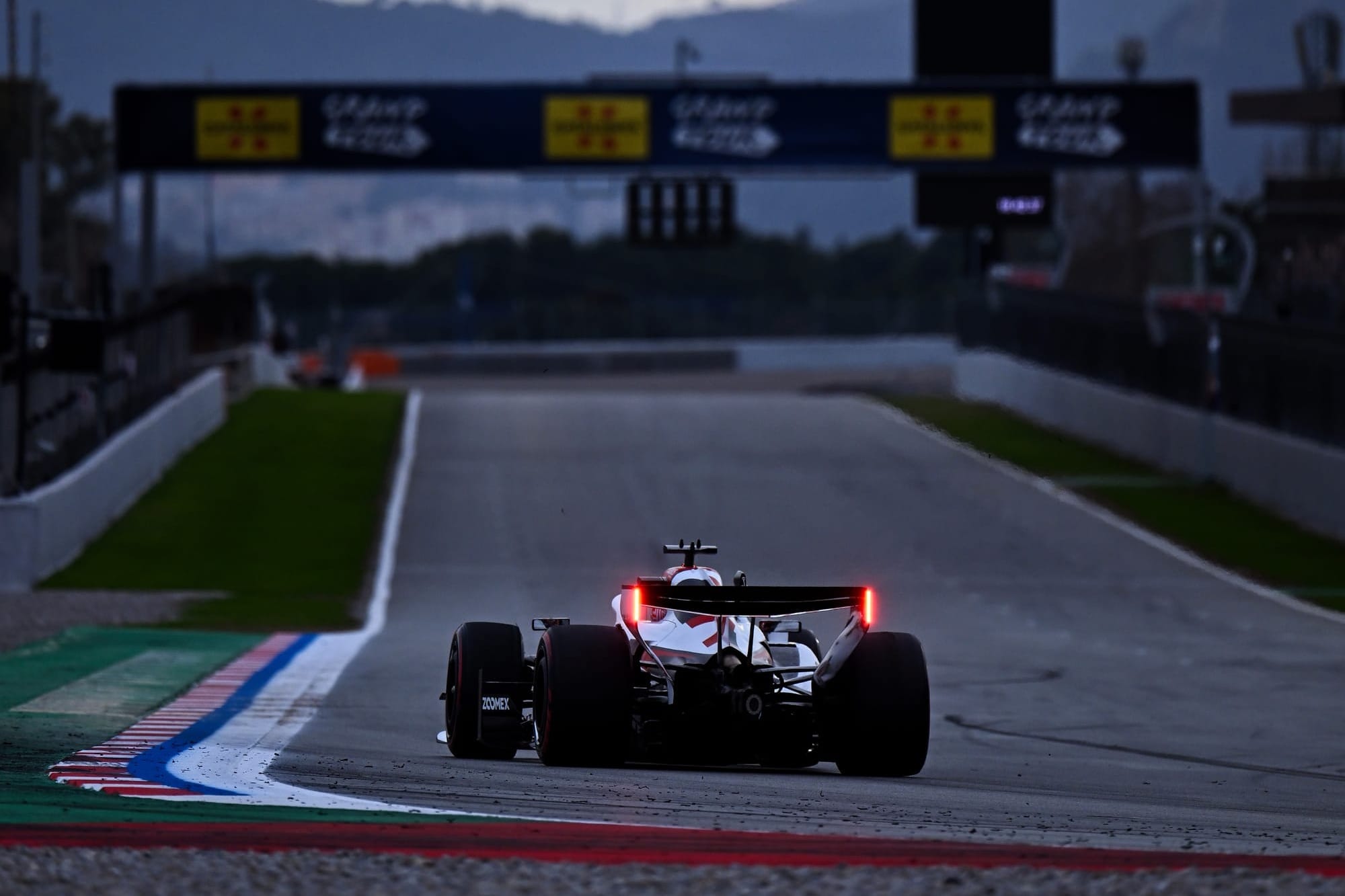
While finding a good vantage point to watch the cars up close was not easy, there was still plenty to learn from places we eventually got to see and hear them in action.
One of the more interesting visual aspects that was very noticeable - even from a distance - was how much the rear derating warning lights flash with the new generation of cars.
The light comes on when cars are either harvesting energy or not running on full power, and acts as a warning to those behind about potential big closing speeds.
While in the past the lights would only be noticeable in certain sections of tracks, or even isolated phases of a race, watching cars around a lap at Barcelona showed the lights were on pretty much all the time. It was quite rare for cars not to have to have them flashing.
We're on the ground in Spain to bring you everything there is to know from F1's behind-closed-doors test. Join The Race Members' Club for exclusive content - and enjoy a seven-day free trial when you do so!
Through the high-speed Turn 3 they were on, they remained on down the run from Turn 5 to Turn 7, and you could spot the cars still flashing up the hill into the Turn 9 right-hander. The outcome is no real surprise considering how energy-starved the 2026 cars are expected to be.
Such frequency of the lights being on was akin to what we see in wet races when the lights act as visibility aids.
What we could hear
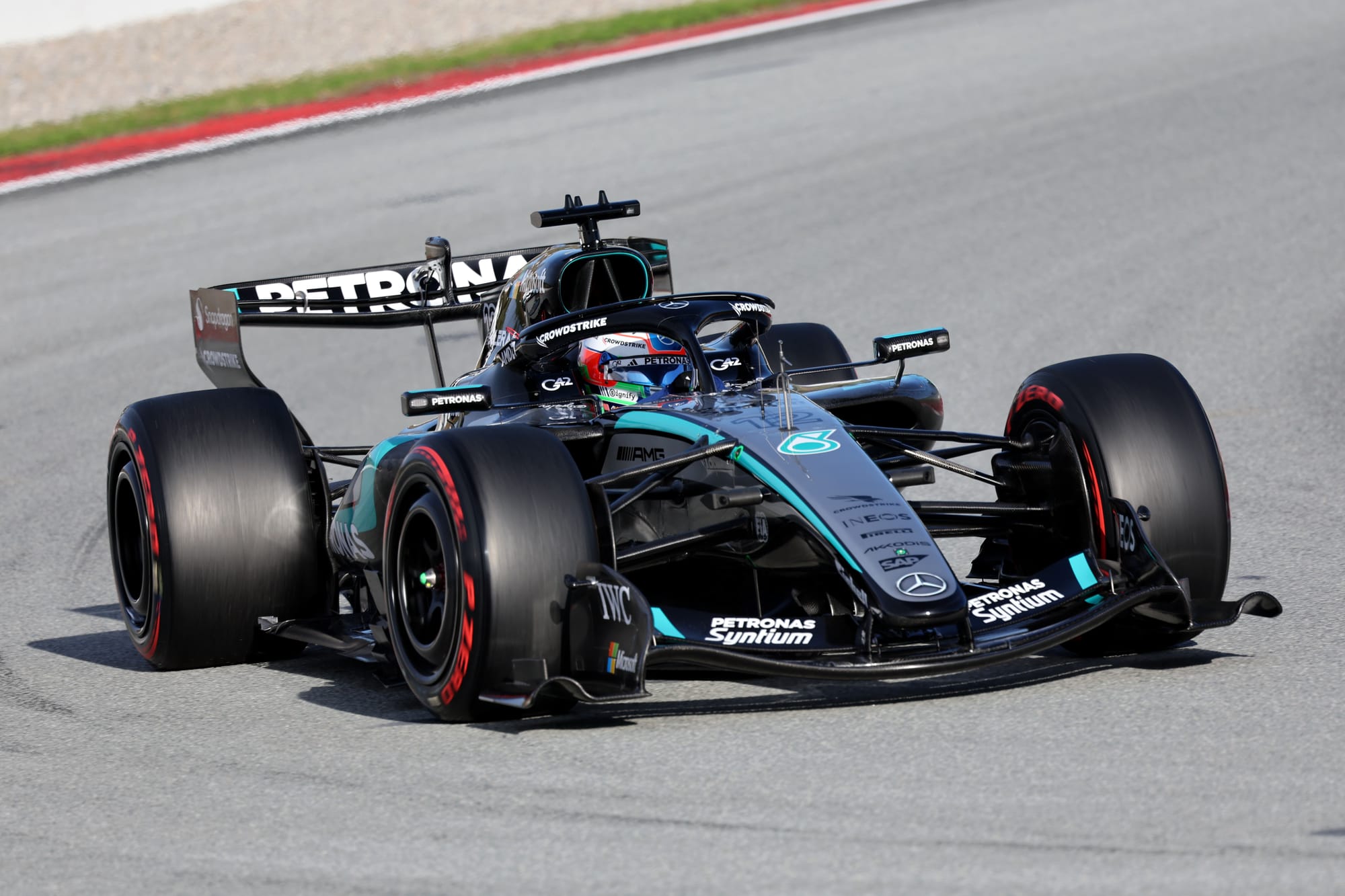
One other notable aspect from early running too was how the sound of the cars is not as alien as some had perhaps feared.
Stories about the need for cars to be revved excessively in corners, to keep the turbo spinning up so the battery does not need to be used to fill in for lag under acceleration, prompted the idea of high-revving, low-gear weirdness in turns.
But early impressions suggest things are not that extreme, and, from what we could hear in early running, they do not sound dissimilar at all to the 2025 power units.
It's admittedly not easy to get a handle on what these new engines sound like on track from outside the circuit, with less immediacy than you would be used to.
However, the first impression is that they don't sound vastly different from the previous generation, which in the grand scheme of things means they sound like F1 engines - even if not the screamers of the past.
There are hints of what Audi team principal Jonathan Wheatley described as "more aggressive" sounds when cars are on fast laps, and there's plenty of depth to the sound.
But it's not a night-and-day difference compared to the old engines.
Unnecessarily controversial
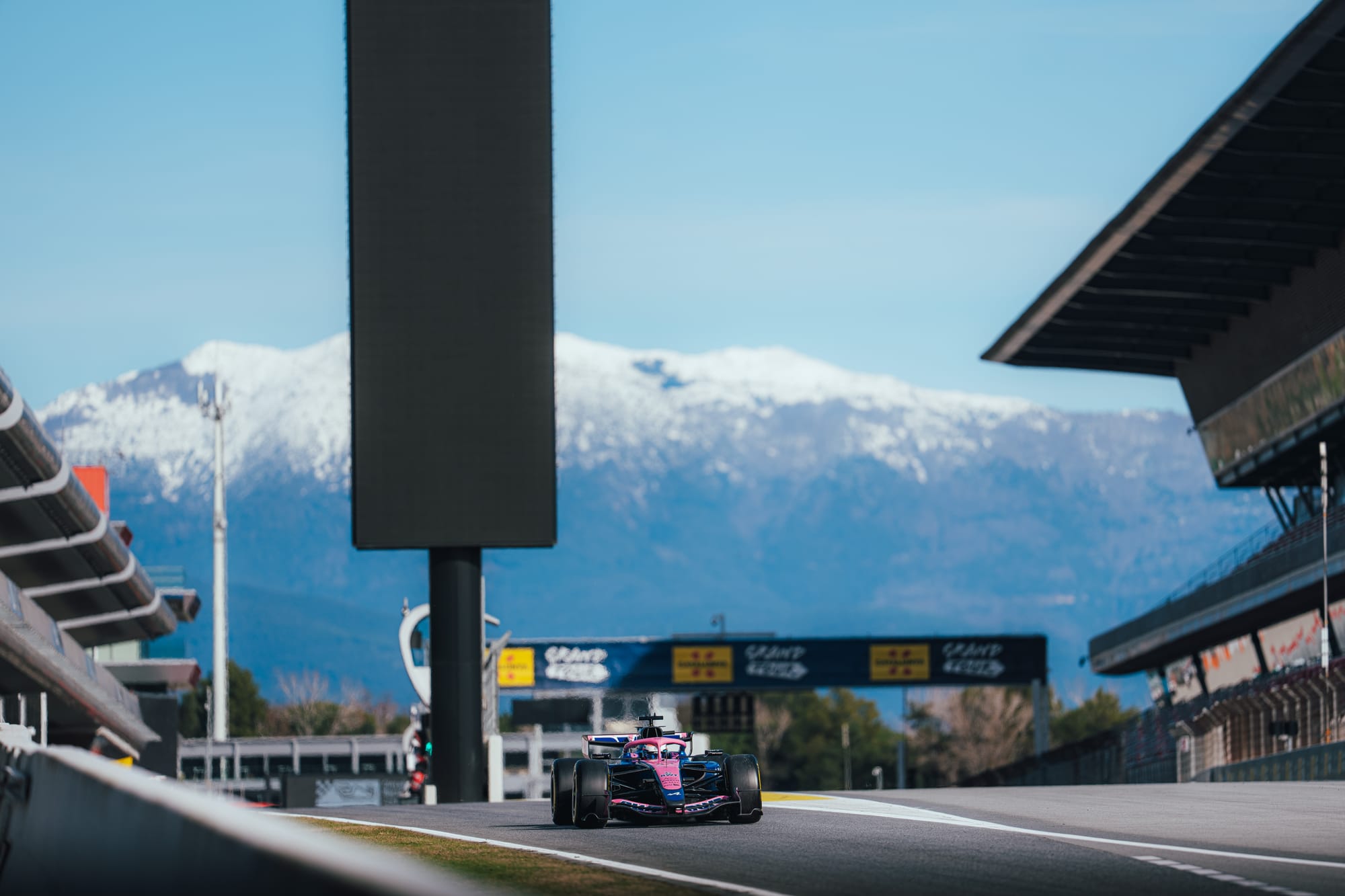
The first test is the biggest moment of interest for fans, so there was always going to be huge attention on the test.
There was a huge opportunity here to educate people about F1, to tell everyone how good these 2026 cars are, to talk about all the different elements and bring people on a journey from now until the season opener - but instead it begins under a cloud of negativity and avoidable controversy.
There were already questions about why the test was behind closed doors so having media, content creators and fans chased away from a test, from public areas, isn't the ideal look for F1 - and fans seemed to only realise on the day what it being a closed test would actually mean in terms of timing and firm information.
It turned a day that should have been a huge success for brand new cars and engines - which have done so many laps and already look reasonably brisk - into stories about security chasing people away and live timing appearing and then being taken down.
And the initial sentiment on Monday suggested that, as feared, fans would be left feeling short-changed and that the secrecy was unnecessary. Especially as things got clamped down on further.
It came across as teams and stakeholders going out of their way to shut people out even if that wasn't the intention and - admittedly with the benefit of hindsight - it was all unnecessary given how well most of the cars ran.
How much slower these cars are
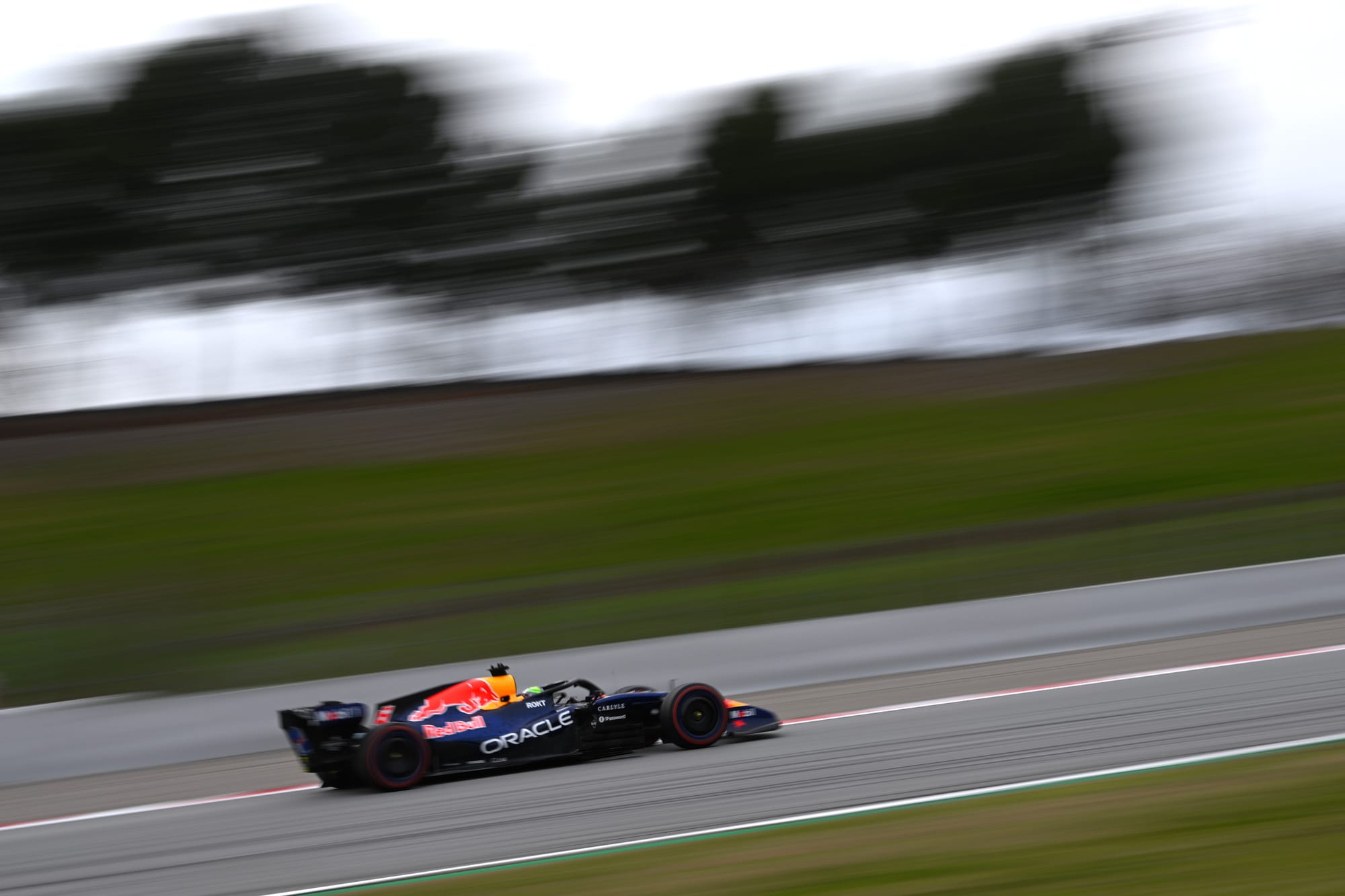
One of the talking points around the 2026 cars last year was a debate over whether they would be quick enough.
Day one of testing is far too early to make a firm judgement but the initial showing has to be considered encouraging.
Hadjar's best time was a second quicker than the fastest lap on day one of the very first test with new cars at Barcelona in 2022 but that was on the layout with the slower final sector including a chicane.
For a comparison to the current layout, and last year's cars, Oscar Piastri's 2025 pole position time was a 1m11.546s - so, there was a seven-second difference.
But if you look at the last few big rule changes, you can get a clue for how much progression is possible. Based on 2014, 2019 and 2022, it would be no surprise if these cars were two or three seconds faster by the end of the week.
Then there is usually a second - at least - from cold, winter conditions to the early summer race weekend itself. And whatever is realistic to expect from car development, too.
So the 2026 cars only being a couple of seconds slower than their predecessors looks quite achievable.
New team is up against it
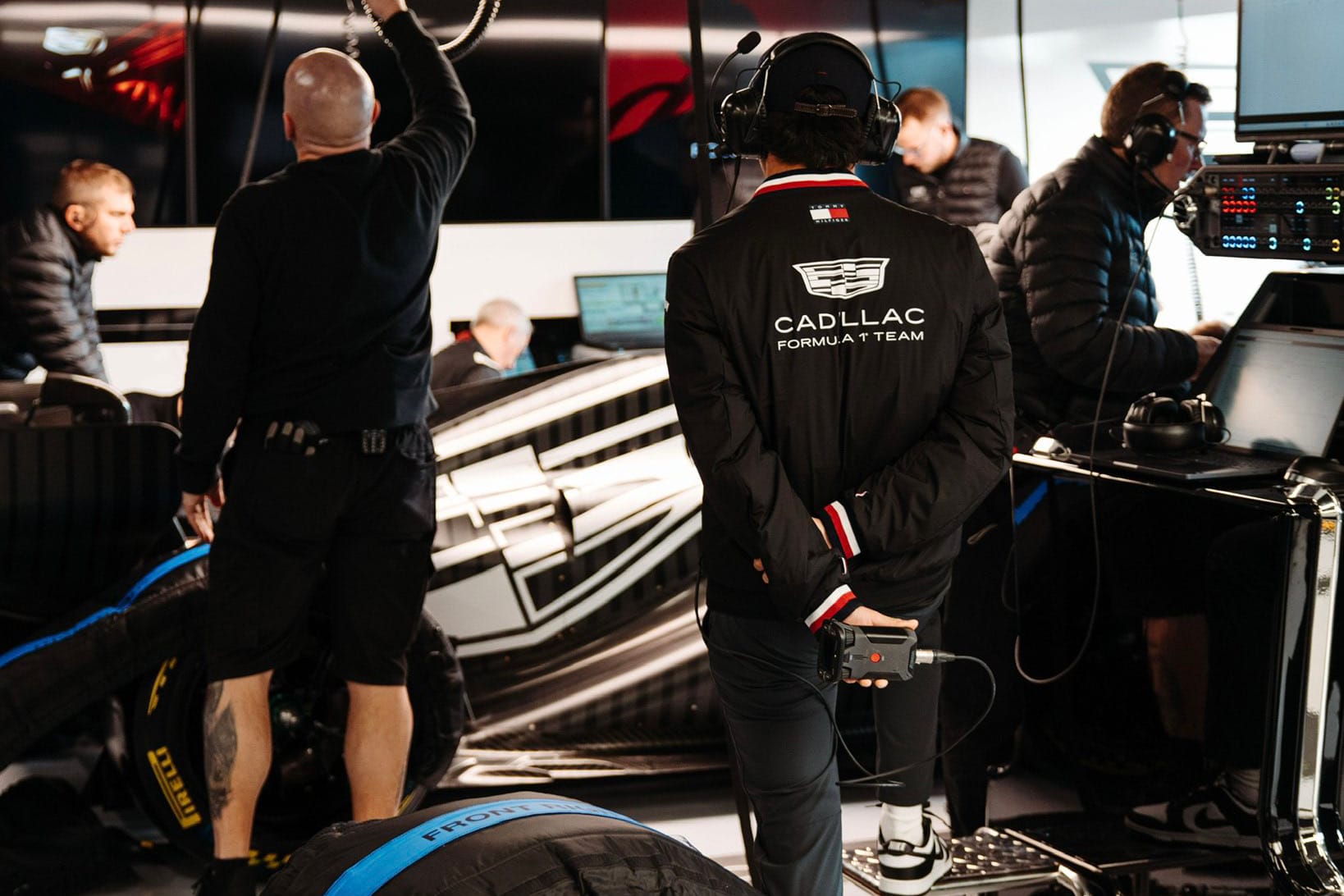
The scale of the challenge of building up a modern F1 team from scratch is monumental. That Cadillac was 6.5s off the pace on Monday and had a stuttering afternoon of running once Sergio Perez took over from Valtteri Bottas is proof of that.
However, not only are the timesheets of very limited relevance right now, but also it's essential to have realistic expectations.
For Cadillac, the fact that it had already run at Silverstone before today and still managed 44 laps in total at Barcelona on day one is a big positive.
Long-term, the ambitions are grand but for this year, it's all about having a car that can run reliably, qualify consistently and act as a focal point around which to build up a new team.
Perez admitted that the day had featured "a lot of issues" but also tried to suggest that was a positive thing because "you want all the problems to come now and hopefully the next couple of days can be a lot smoother for us".
Some gaps will be filled in
One of the big debates within the F1 community around this test was who was really responsible for it being private and who was being difficult about how much could be shared from it.
But the F1 argument has consistently been that as the teams wanted this to be held behind closed doors, the championship wanted to find a compromise to bring some imagery and information to media and fans.
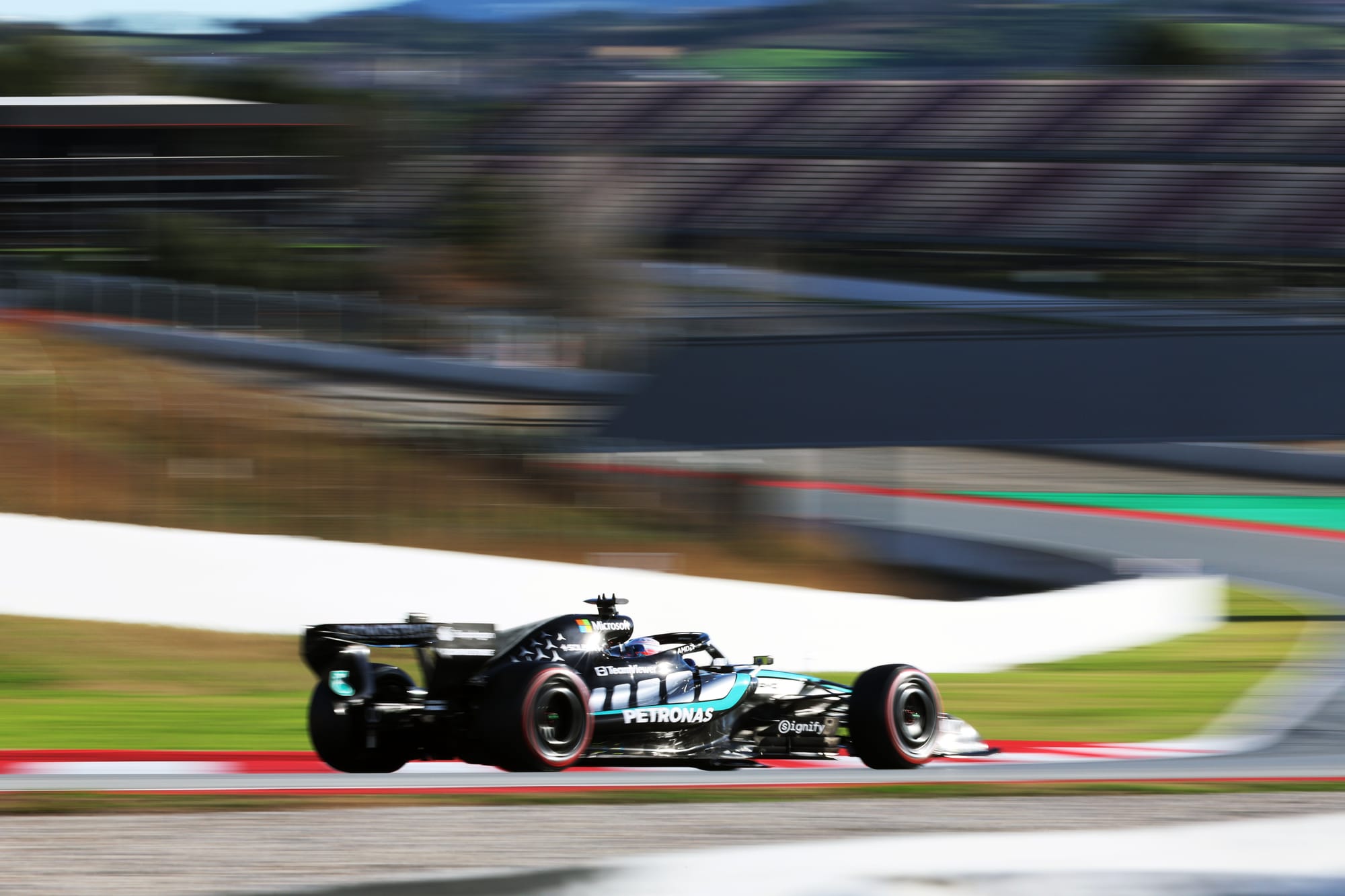
How that would really manifest was obviously unknown until day one. It's not been a goldmine - some teams are clearly hesitant to share any of their allowance of six on-track images a day, and the short interviews recorded on-site are surface-level and could do with prodding for a bit more specific information.
As a whole, though, it's been a reasonably useful middle ground. F1's making images available to the media and what appears online is fair game to pick up, and quotes do help to fill in some gaps. Alpine, Haas, and Mercedes all shared end-of-day releases with basic information. Plus, we were still able to verify accurate timing information, even though access got cut off because we were never meant to have it.
And the highlights package F1's putting together isn't just brushing aside any negatives. Monday's, for example, has footage of a broken down Audi and an Alpine being recovered to the pits.
So by the end of the week we will hopefully get as clear a picture as possible from a test that's started out as a hardcore version of what non-televised tests used to be like a decade ago.
Alpine images courtesy of TWJB Photography