Newey's latest claim about Honda F1 project is very confusing
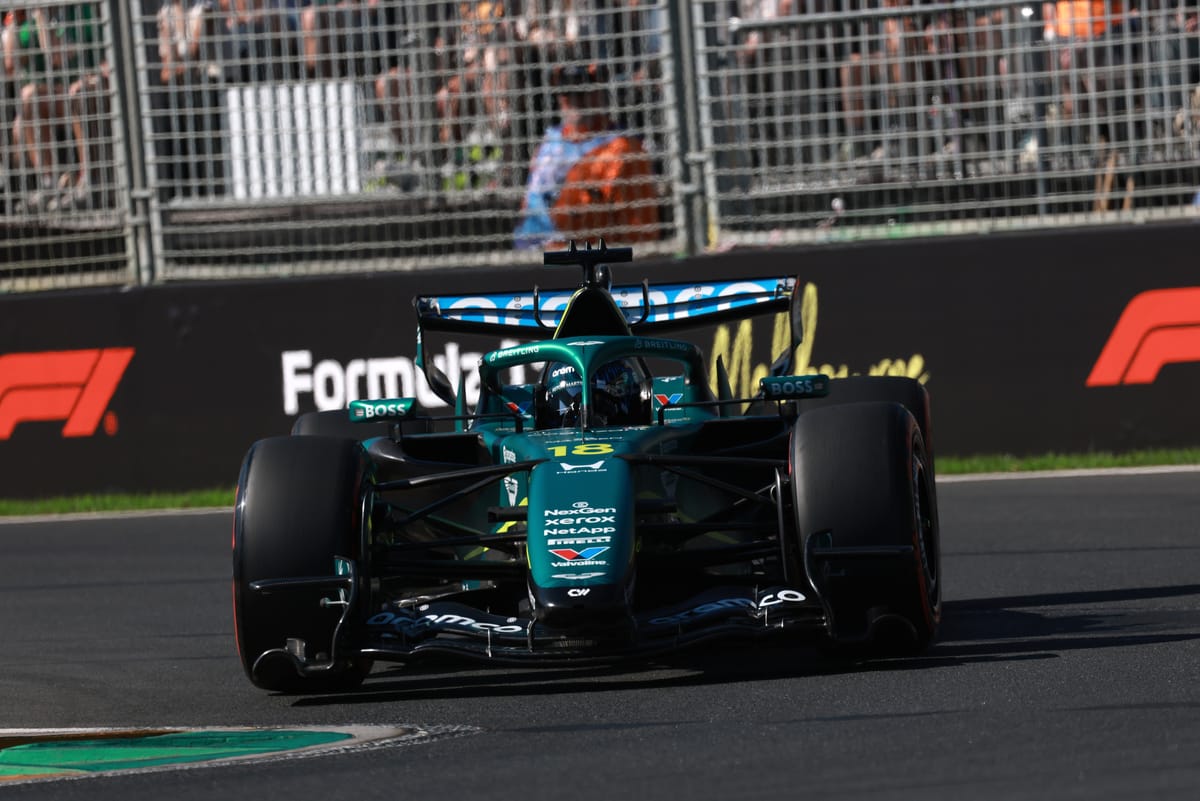
Aston Martin only discovered how much Honda’s Formula 1 programme had been gutted by its temporary withdrawal after 2021 when senior personnel visited Sakura last November.
The new Aston Martin-Honda partnership has started disastrously with severe reliability problems massively holding the team back.
Honda’s engine is also down on power, and Aston Martin does not understand much about getting the most out of its car, either because the AMR26 has been so restricted on mileage.
This is a huge step backwards from the title-winning standards Honda had set in recent years with Red Bull, which Aston Martin expected to continue with its new works arrangement for the 2026 engine rules.
However, as reported extensively by The Race since 2023, this version of Honda is not the same as what came before because of its decision to quit F1 at the end of 2021.
Its engines were still being used by Red Bull from 2022 to 2025, but only required a minimum level of development and maintenance work due to a homologation freeze across this period.
And though Honda’s F1 exit was rowed back on with the Aston Martin deal that was announced in May 2023, Honda’s core F1 team had long been dissolved by this point, with a smaller group managing preliminary 2026 regulatory work.
Honda’s justification for withdrawing from F1 was to prioritise other sustainable technology initiatives within the company – or, as Aston Martin team boss and technical managing partner Adrian Newey witheringly put it in Australia on Friday: “When they re-formed, a lot of the original group had, it now transpires, disbanded, gone to work on solar panels or whatever.
“So a lot of the group that reformed are actually fresh to Formula 1. They didn't bring the experience that they had had previously.
“Plus, when they came back in 2023, that was the first year of the budget cap introduction for engines. So all their rivals had been developing away through 21, 22 with continuity, their existing team, and free of the budget cap.
“They re-entered with, I'm guessing, 30% of their original team, and now in a budget cap era. So they started very much on the back foot.
“And unfortunately, they've struggled to catch back up.”
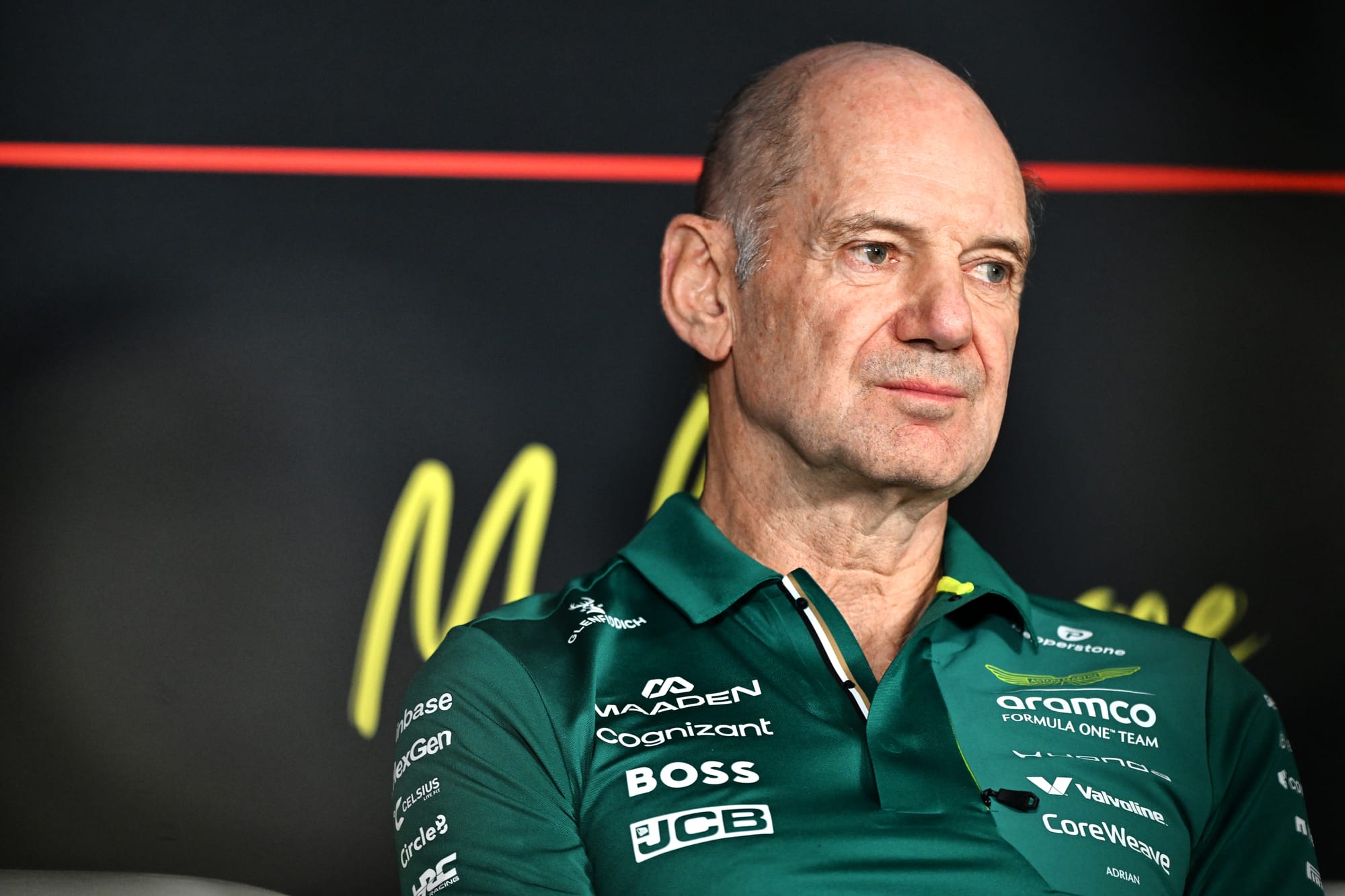
Newey was speaking in between two miserable practice sessions for his team in Melbourne. Aston Martin’s and Honda’s problems persisted on the first race weekend of 2026 as both cars had battery problems in FP1 then managed just 31 laps between them in FP2, which they ended comfortably slowest.
His frustration, and that of others within Aston Martin, has been clear as the reality of its flawed new beginning has become so painfully apparent.
What is surprising, though, is just how much of a surprise Honda’s situation seems to have been to Aston Martin. Its deal was announced in May 2023 and discussions would have been going on for months before that. Honda’s reduced presence in F1 was obvious even with the Red Bull continuity plan in motion and, as mentioned, The Race was reporting about Honda’s slashed F1 programme in 2023.
Yet Newey says he and other senior Aston Martin figures only became aware of the inexperienced composition of Honda’s ‘new’ F1 programme “kind of November of last year”.
“Lawrence [Stroll], Andy Cowell and myself went to Tokyo to discuss rumours starting to suggest that their original target power, they wouldn't achieve for race one,” said Newey.
“And out of that came the fact that less people… that not many of the original workforce had not returned when they restarted.”
In May 2023, The Race learned that Honda had been working with a much smaller F1 set-up because a lot of F1 engineers in Sakura were transferred to carbon neutrality projects elsewhere in the company. A UK site that did some work with the energy recovery systems was also sold to Red Bull Powertrains.
It was also known that Honda was participating in technical discussions around 2026, but not paying them the same level of attention as either incoming engine manufacturers Audi and Red Bull, or the existing ones that were preparing for 2026 as early as possible.
In September 2023, Honda openly admitted it was working with “less resources” following its initial F1 withdrawal, which The Race reported was a reference to the staffing of the project, and efforts to address the personnel shortfall, rather than a financial matter.
The point is that Honda gutting its F1 division and creating a hurdle to overcome was established. So how did it take until November 2025 for experience/personnel deficiencies to come to light?
It seems impossible that Aston Martin did not do its due diligence when scoping out the original deal, given the scale of the project and the fact it is funding a significant amount of it. There may have been miscommunication along the way, and/or reticence from Honda to admit to its new partner what state it was really in as more was demanded of it. Or it could be the result of Honda management hubris.
Senior technical figure Tetsushi Kakuda claimed in 2023 that “some of the key personnel” that had led Honda to F1 success “are still in our project members”. But who that involved was never clear, especially as the most prominent leaders - Masashi Yamamoto, Toyoharu Tanabe, Yasuaki Asaki - had either moved on or were about to.
Honda may have underestimated that impact, the challenge to start a new project from scratch later than rivals, and how much it was asking of others with less or no F1 experience.
In March 2025, Honda Racing Corporation president Koji Watanabe accidentally put a huge amount of scrutiny on the project by misspeaking at a Daytona 24 Hours media briefing and saying Honda was “struggling” with the 2026 F1 rules when he meant to emphasise the regulations in general were challenging.
Though it turned out to be accidentally prophetic, at the time, Watanabe was adamant, “we don’t think we have lost so much” from briefly scaling back its F1 work so much.
Earlier this year, though, Watanabe was among those to admit it was a factor in Honda starting 2026 on the backfoot. Now Newey says the problems that have engulfed the new partnership so early are a consequence of that costly period of downtime, too.
But it is still very curious that the red flags were not spotted sooner than November 2025.