Why F1 is becoming one of Lego's most important partnerships
Lego has said Formula 1 has quickly become one of the most important parts of its global partnership portfolio, as the toy giant doubles down on a relationship it believes can continue delivering growth across multiple demographics.
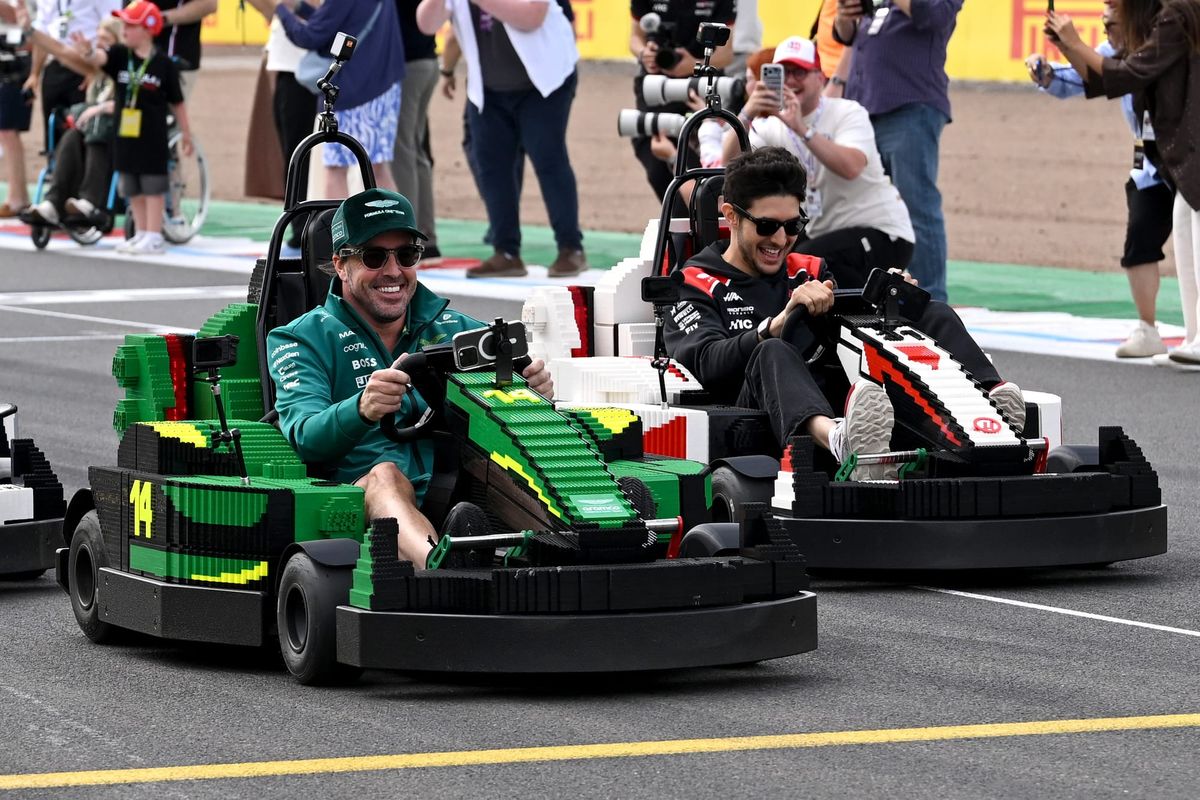
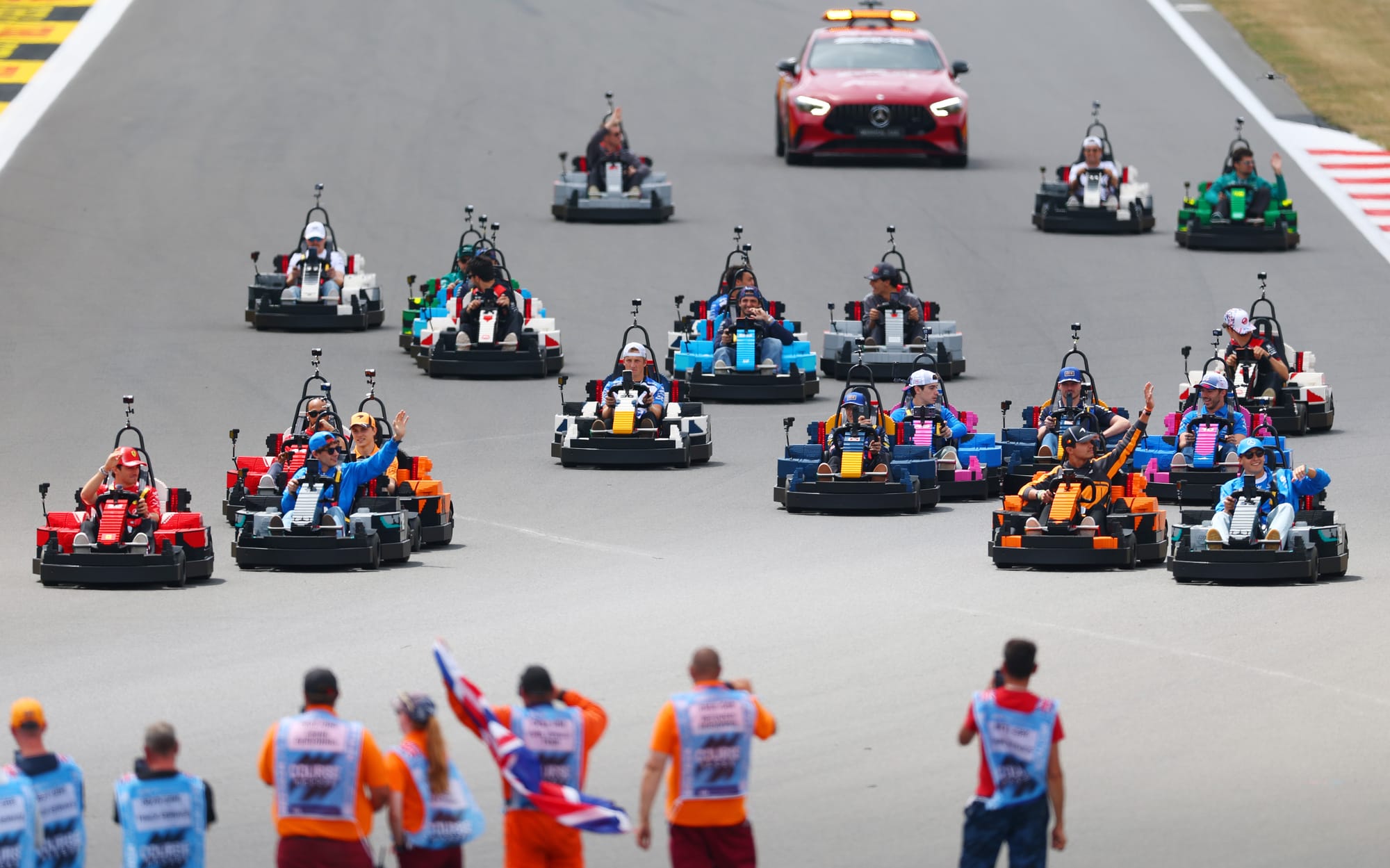
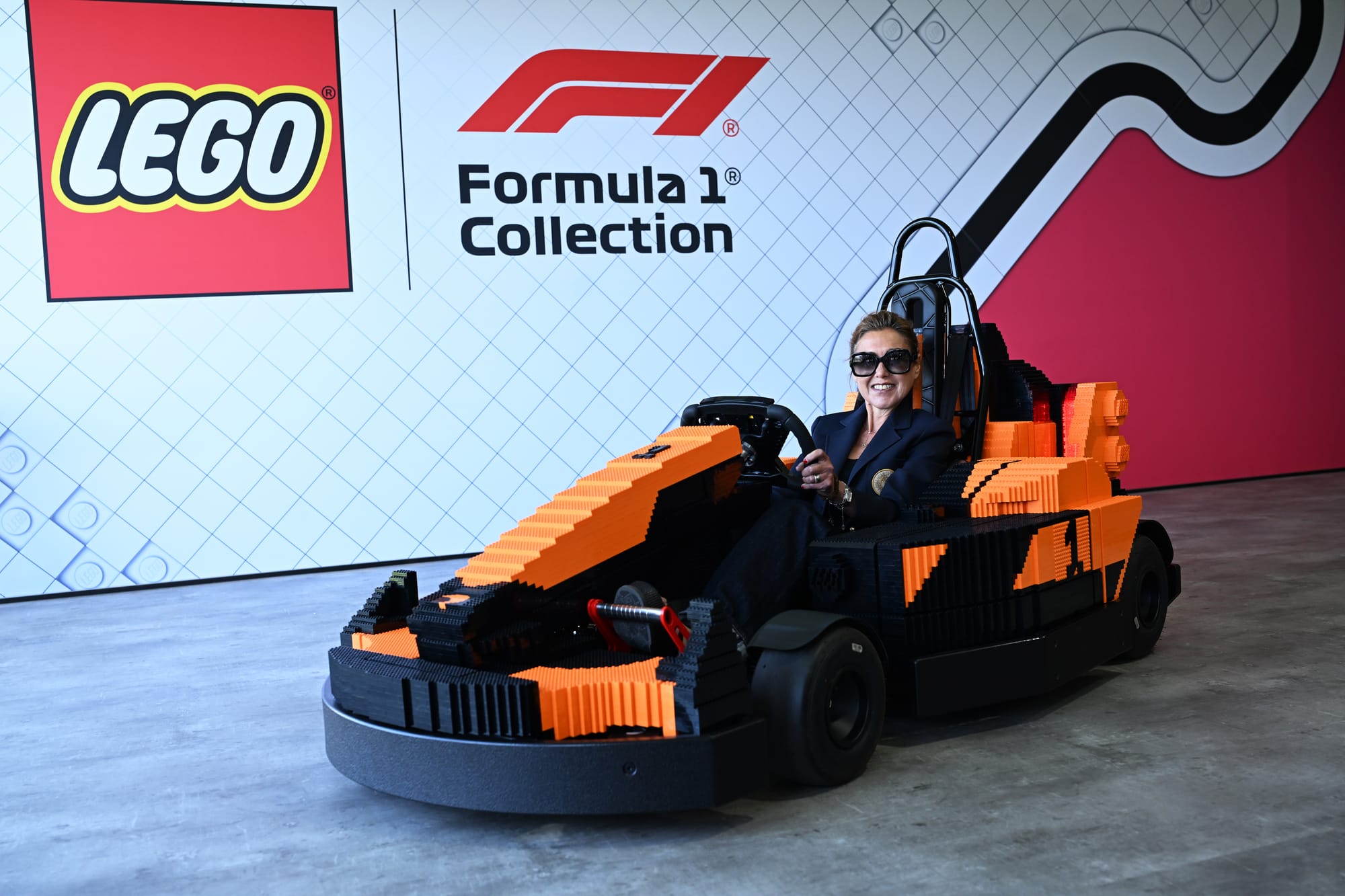
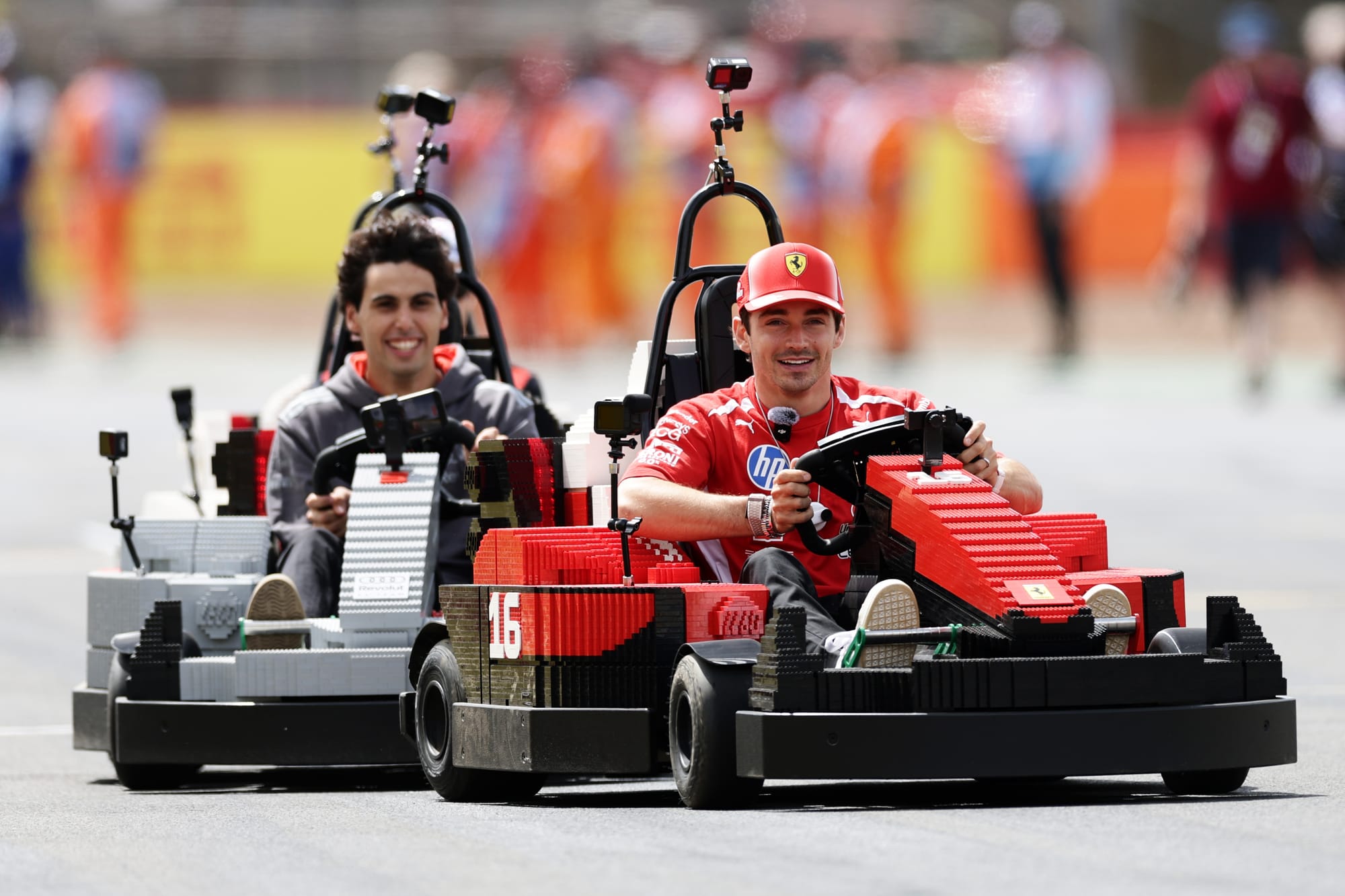
The latest stage of that partnership took place at F1's 2026 British Grand Prix, where drivers raced around Silverstone in miniature Lego-built karts.
Despite some initial criticism from a handful of drivers before the event, the activation ultimately appeared to deliver exactly what Lego was hoping for. The parade generated significant attention across social media and became one of the weekend's most widely shared moments, with Fernando Alonso taking the victory in the unofficial race.
But for Lego chief product and marketing officer Julia Goldin, the trackside activations are only one part of a much broader commercial strategy.
"It's playing a very significant role in our portfolio," Goldin told The Race when asked where F1 now sits among Lego's extensive list of licensed partnerships.
"It has proven to be exactly what we expected, which is very important from a portfolio standpoint, very multi-generational, also multi-gender."
Lego announced its multi-year F1 partnership in 2024 and has since launched products spanning everything from affordable collectible mini race cars to premium Lego Technic sets aimed at adult enthusiasts. It has also expanded into F1 Academy through a separate partnership.
According to Goldin, the original rationale for the partnership was straightforward: Lego and F1 already shared a significant overlap in their fanbases.
"We saw that a lot of Lego fans were also fans of F1," she said.
"We have a very broad audience, not just kids but also adults. And we saw this as an opportunity to bring more and more people into the brand by tapping into something they're super passionate about.
"And vice versa for F1, they see their audiences growing the other way, from adults down to teens and kids. So it was kind of a great opportunity, very symbiotic for us to increase our audiences."
But Goldin said she believes the partnership's success has come from creating value beyond a traditional licensing arrangement.
"The second element, that I think is the most critical, is: what kind of value can you bring together to something?" she said.
"I think we have proven that together we do something really unique."
That thinking has shaped Lego's F1 product strategy, which deliberately targets different types of fans rather than focusing solely on high-end collectors.
While the miniature blind-box cars introduced younger consumers and collectors to the range at a low price point, the company has also developed more detailed City and Technic products that serve different audiences and use cases.
"It's super important from different perspectives," Goldin said of offering products across a wide range of price points and complexity levels.
"Some people really love to collect. So we really wanted to offer that collectability.
"For children, understanding the F1 racing principles, what actually happens, is also very important, which is why in our City sets we brought in the pitstop, the preparation, the F1 truck.
"And then for the Technic fans, those are very authentic representations of the cars."
Goldin argued that approach differentiated Lego from many of F1's other commercial partners.
"There are many different sponsors and collaborators with F1," she said.
"But we play a very different role because we give people an opportunity to get a hands-on experience and build something that they really love and express themselves and their passion in a way that's really natural for them."
The breadth of F1's audience has also been central to its value for Lego.
While motorsport's appeal to boys and men is well established, Goldin said the category's performance among female audiences has been particularly notable.
"It would surprise you to say it's actually in the top 10 of teen girls and women," she said of F1-themed products.
"Our partnership with F1 Academy was super well received, so there's a lot of dimensions that are bringing different audiences into it."
That broad demographic reach helps explain why Lego sees F1 as more than simply another licensing deal.
"It always manifests itself usually in something that becomes very important for the brand," Goldin said.
The company can also see significant room for further expansion.
"We think of this as a long-term partnership," Goldin said.
"We see the F1 fandom continue to expand, and we also see that we are able to continue to come up with very creative ways to play into different dimensions of the sport.
"I think we still have a tonne of potential and opportunity to surprise and delight our fans."
F1 also taps into one of Lego's most established strengths.
"I think that we have demonstrated over the years that our ability to tap into motorsports and passion for cars has been tremendous," said Goldin.
"We are probably the biggest tyre manufacturer in the world, so it tells you something!"
Behind the joke is a serious point: cars have long been one of Lego's strongest categories, making F1 a natural fit for the brand.
That is also why, despite previous collaborations across other forms of motorsport, Lego's immediate focus remains firmly on F1.
"We're very deliberate and choiceful about what we tap into," Goldin said.
"Right now our number one priority is F1, F1 Academy, and continuing with that."