Why a fuel giant ended its F1 exile
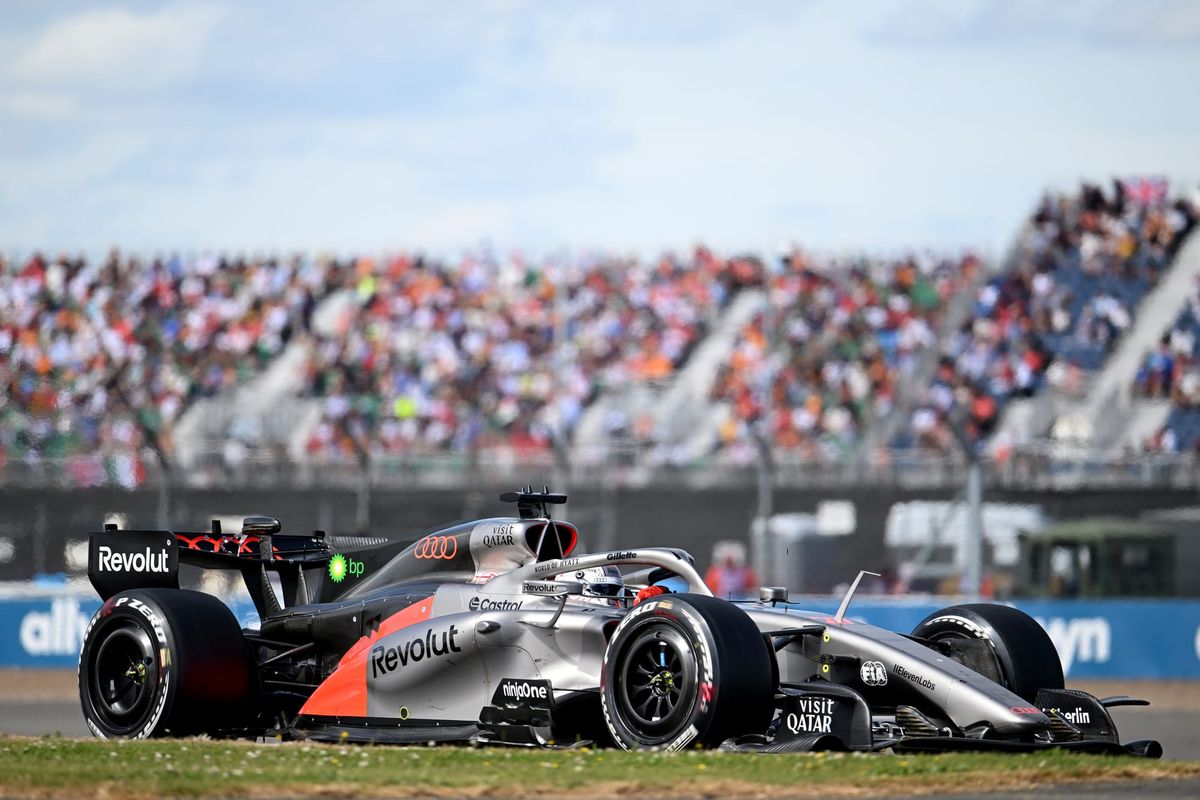
How does a Formula 1 sponsor measure success? For BP, which returned to the grid with Audi in 2026 after a decades-long absence, the victories are already stacking up alongside its lubricants brand, Castrol.
Castrol boasts a formidable global motorsport pedigree - including recent F1 experience with Alpine and McLaren, plus legendary World Endurance Championship and World Rally Championship successes with Audi.
BP is more closely associated with the World Rally Championship than F1. After leaving F1 in the late 1960s, the fuel giant briefly returned with Toleman in 1983 and sponsored other teams into the 1990s before vanishing from the grid once again, before returning briefly as Alpine's fuel partner in the 2010s.
So, why come back now?
"An opportunity for us to be involved in a team that is entering F1 from the start and build that out together is what made this partnership so attractive," explains SVP Marketing and Transformation for BP, Nicola Buck.
"It's an opportunity for us to showcase our technology credentials, our innovation credentials, and our partnership credentials."
The depth of the Audi alliance goes far beyond traditional sponsorship. BP supplies the fuel, while Castrol provides the lubricants, making this a foundational pillar of Audi's 2026 works entry.
"From a technology perspective, it's a true co-engineering journey," Buck says. "This is not just a sticker on a car. It's the opportunity to develop the powertrain together to make a very unique offering that hopefully gives the team the extra power needed to win on the track."
How is BP measuring its success?
According to Buck, Audi's on-track performance - securing points on debut, followed by three more top-10 finishes across Silverstone, Spa, and Hungary - has already made a tangible impact.
"For us to be in a true technology partnership with a team that's performing so well in its first season, it does wonders for the halo impact on the brand," she notes.
Strong track results translate directly into consumer trust. Buck explains that Audi's competitiveness allows BP and Castrol to better communicate "how brilliant our fuels and lubes are to the general public, and upsell the products that we're so proud of".
Crucially, the partnership also deepens commercial ties with the wider Volkswagen Group, opening doors to supply products across other VW-owned manufacturers.
Buck says the data backs it up. Initial coverage of the BP-Audi partnership in March 2026 was overwhelmingly positive, buoyed by BP being among the first suppliers to homologate its fuel for F1's new regulatory era.
"We run tracking programmes to say, 'Is that partnership helping us build that association with our brand amongst our target audiences around the world?'" she says.
BP and Castrol also measure internal optics.
"Another reason we do this kind of thing is to build pride in our organisation for the partnerships, the technology, and the amazing products we've got. And that we can track very quickly," Buck says.
Furthermore, a physical trackside presence allows both brands to engage stakeholders directly, whether through BP's trackside fuel lab or via activations with Audi F1 drivers Nico Hulkenberg and Gabriel Bortoleto, alongside F1 Academy driver Emma Felbermayr.
From an engineering standpoint, BP's motorsport technology lead, Luc Jolly, highlights the crucial and useful sharing of information between BP's engineering teams.
"We're tapping into the wider BP technology brain for skills and specialisms that would be difficult to have completely within my core team," Jolly explains.
"The shared learnings are real. We might not be talking about all of them yet, but that's going to be part of this journey over the coming years."
Why 2026 - and why partner with Audi?
This year's sweeping engine regulation changes created a rare opening. They provided the perfect blank slate for Audi to enter as a new powertrain supplier, complete with dedicated, ground-up fuel and lubricant partners.
Castrol's historical success with Audi - a partnership that has bred victories across numerous disciplines such as the WEC, DTM, Dakar Rally, and Formula E - laid a solid foundation for the deal.
"When we're able to talk to customers, the credibility of having that joined-up relationship - to talk about the history, the heritage, and why this is the next generation of it - is really powerful," Buck says.
Jolly agrees, noting the "organisational learnings" that carried over from their dominant LMP1 days.
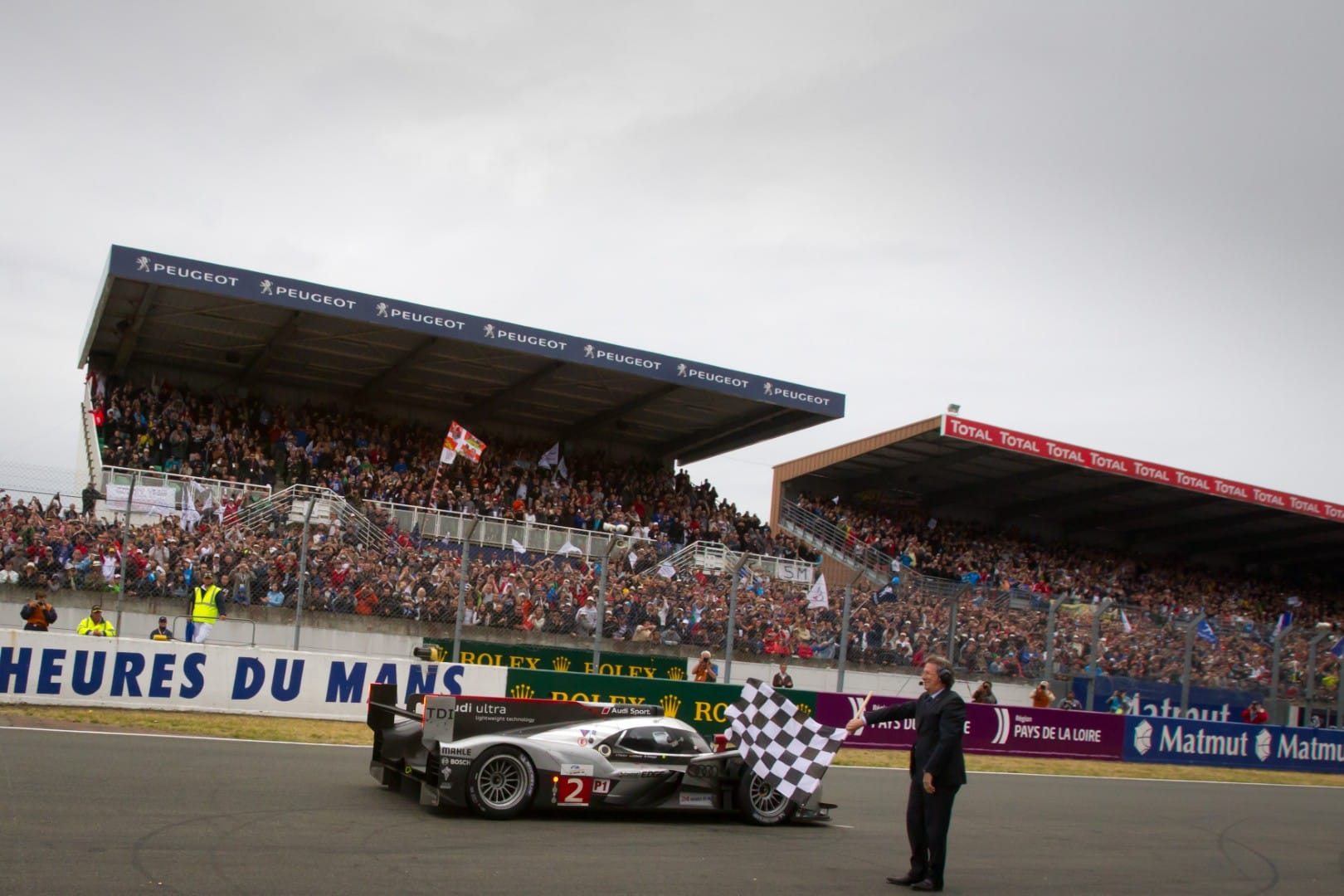
"Having worked with Audi previously, as two organisations, we know how to work together and get the best out of each other. Some of the team members are actually the same. So, there's a natural sense of not starting from scratch."
However, the partnership might never have materialised without Liberty Media's dramatic transformation of F1 that began in 2017. When asked if BP would have returned to the grid without F1's recent commercial boom, Buck replied: "I think the simple answer is no, right?
"You go back four or five years, F1 numbers were declining. It wasn't a sport that had the growth that it has today. It was a sport that we were questioning our involvement in for the long term.
"Now, what that translates to from a business perspective is that the audience has dramatically shifted. There is an element of a blank slate.
"There are many in this new generation of 17- and 18-year-old fans who have no memory of the Le Mans partnership. For them, it's a very modern take on a sport for the future that I think we can be really proud of, as well as building off that heritage."
It will take time to find out the real returns of BP and Castrol's partnership with Audi - but the capitalisation on the 2026 rules reset, Audi's F1 debut, and a growing F1 fanbase, is already paying dividends.