What makes Haas's new Toyota look an oddity
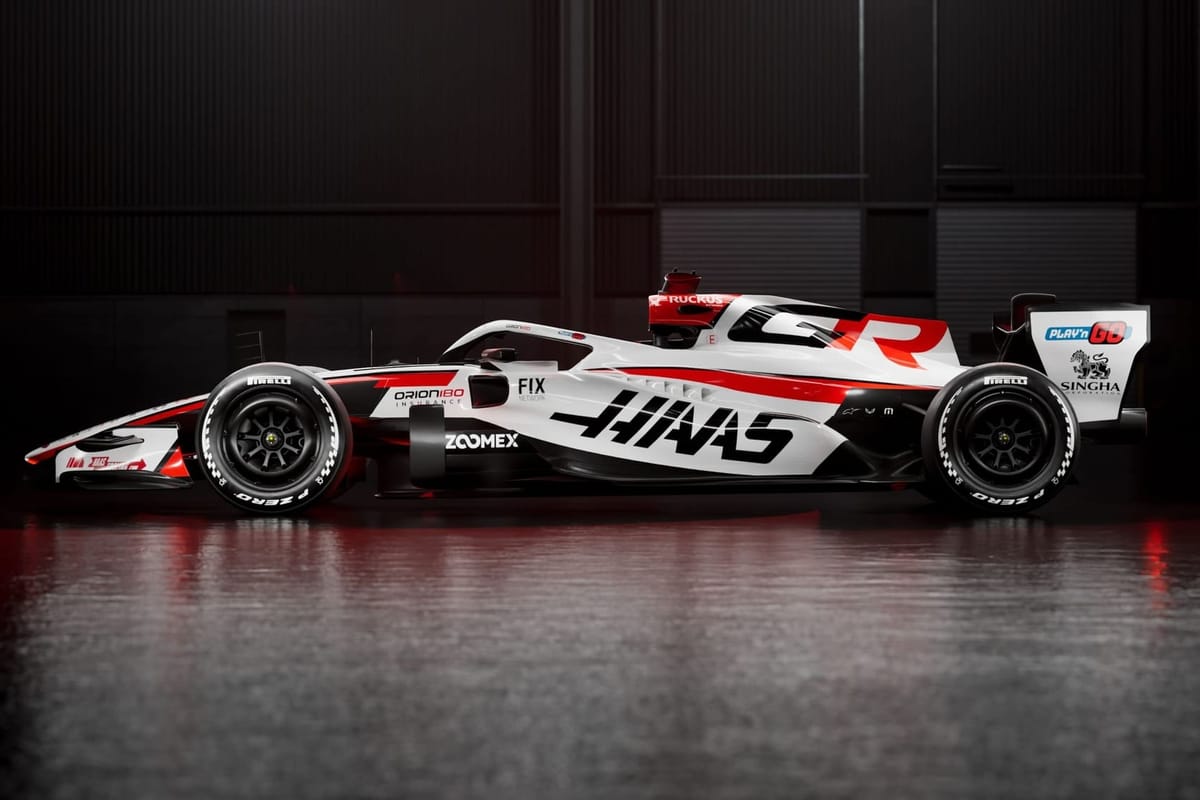
Toyota's influence on the 2026 Haas Formula 1 car design is clear after the team's rebranding as TGR Haas F1 team for this season.
The new title partnership is a slight oddity, though, because it uses branding that Toyota has decided to otherwise phase out in 2026.
Renaming the F1 team was announced last December and reflected an extension of the pre-existing technical collaboration between Haas and Toyota's European research and development company in Cologne.
At the time, this operated under the Toyota Gazoo Racing (TGR) banner and that was the name given to its works racing programmes in the World Endurance Championship and World Rally Championship, too.
That facility is the base for the WEC programme and created the WRC Yaris engine, while also operating as a customer R&D facility including an F1-standard windtunnel.
But for 2026, Toyota announced a new brand structure that split Toyota Gazoo Racing into different entities.
At the start of January, Toyota announced it had changed the name of the company to Toyota Racing, though, with the remit of continuing to support Toyota's long-term technological development through motorsport competition.
The WEC team will participate under the Toyota Racing name from 2026, while Gazoo Racing will be used to show "the bond between customers and Toyota products" - and that is the moniker the WRC programme will use, 'supported' by Toyota Racing.
Toyota's F1 work with Haas does not fit into either category though. The F1 team will use TGR branding as planned, and the name will remain TGR Haas as first announced in December.
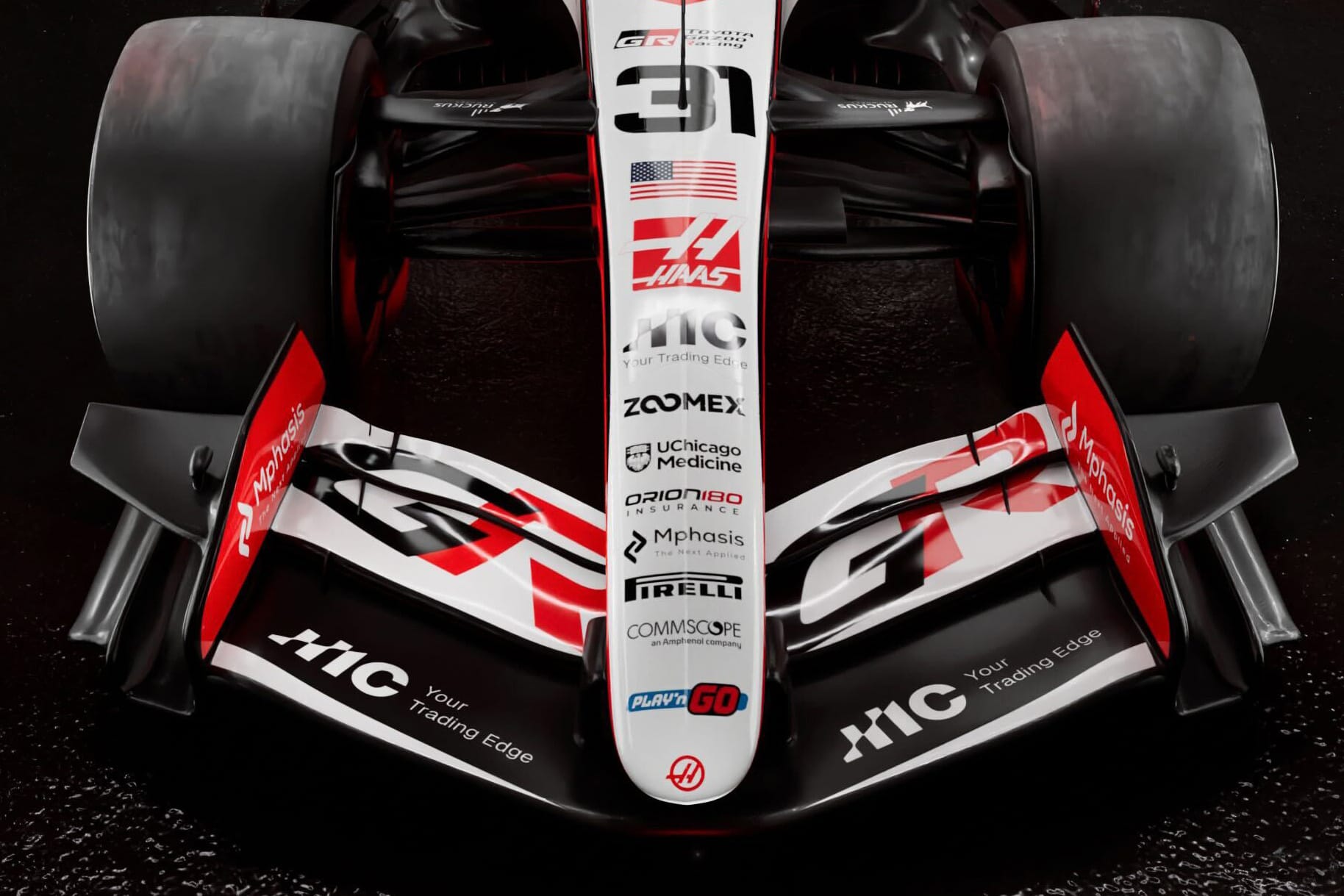
That said, the biggest branding incorporation into the car is using the GR logo on the engine cover and front wing, with a smaller Toyota Gazoo Racing logo on the nose.
Part of the reason for this is surely that Gazoo Racing (or GR) on its own will not resonate with F1's bigger global audience in the same way. But matching the Toyota Racing rebranding would mean calling the F1 team Toyota Haas, or Haas Toyota - a much more full-on integration of the Japanese manufacturer than partnering one of its subsidiaries.
Get exclusive, ad-free content from F1's launch season in The Race Members' Club! Start your 7-day free trial today
That would create a false impression of Toyota's involvement and also its long-term intentions, which have been scrutinised since the deal was first done in October 2024.
As Haas team boss Ayao Komatsu said last year: "I think people want to say things like, 'OK, Toyota works team', or 'Toyota is going to make an engine'.
"But it's totally clear our purpose of this collaboration is really trying to grow people, and through doing that, make a competitive organisation.
"In the long run, for Toyota Motor Corporation, it's not just for this racing. The people they grow, train in this environment will one day hopefully be a senior manager or top management in TMC, with an international mindset, competitive mindset.
"It's a lot more than just about, are they going to make an engine, are they going to be the Toyota F1 team? That's really, really not the target."
Even if Toyota's replacement of former Haas title partner Moneygram is not part of a grand plan to fully take over the team in some way, some day, the collaboration seems to be suiting both parties.
Toyota got F1 test opportunities for Ryo Hirakawa, Ritomo Miyata, Sho Tsuboi and even its 2009 F1 racer turned WEC driver and team boss Kamui Kobayashi across 14 days of private Haas testing in 2025.
This will expand further in 2026, as Toyota would ideally like to get a driver in contention for a race seat eventually.
It is also giving Haas some manufacturing capacity, and most importantly to the F1 team itself a driver-in-loop simulator at Haas HQ for the first time.
This should be online properly in May or June 2026 and should be a crucial weapon for Haas in terms of future car development and race preparation work.