What latest 'painful' F1 car delay has exposed about Vowles' Williams
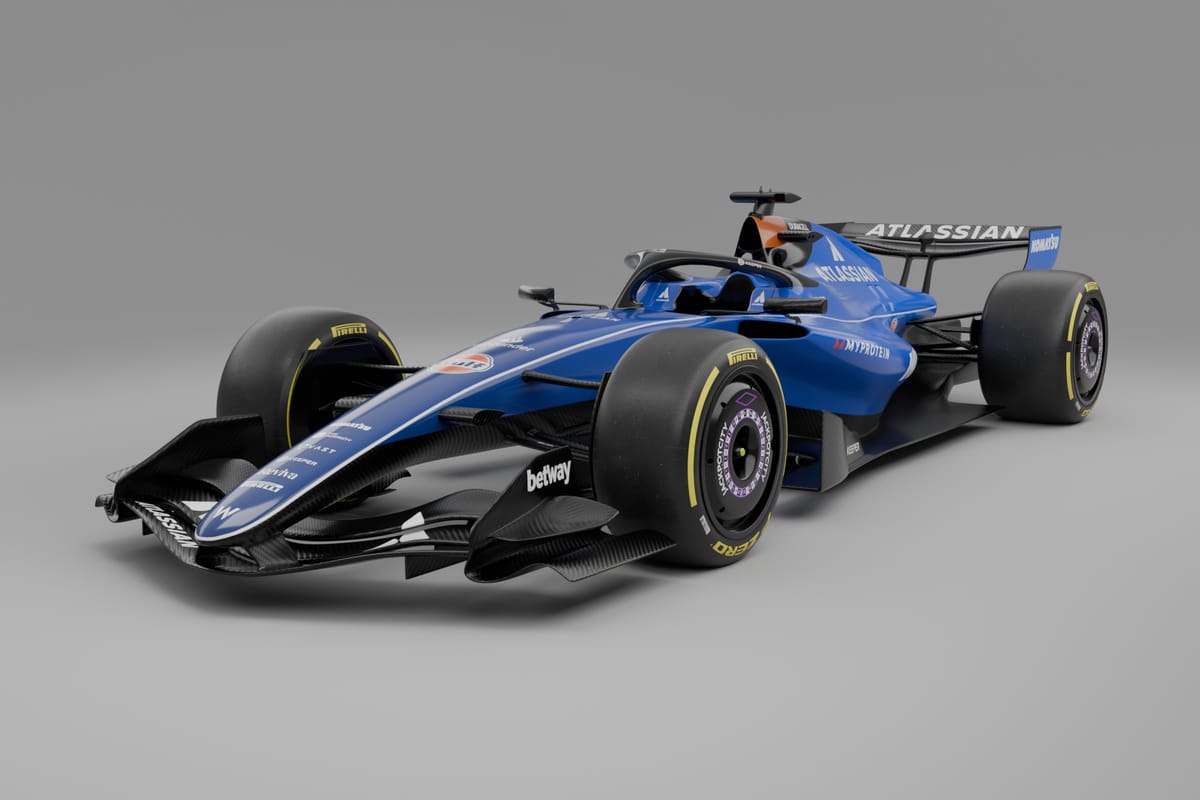
The limited explanations from Williams for an “incredibly painful” delay with its 2026 Formula 1 car last week did include a significant admission from team boss James Vowles.
For the third time in seven seasons, Williams has been late finishing its car build.
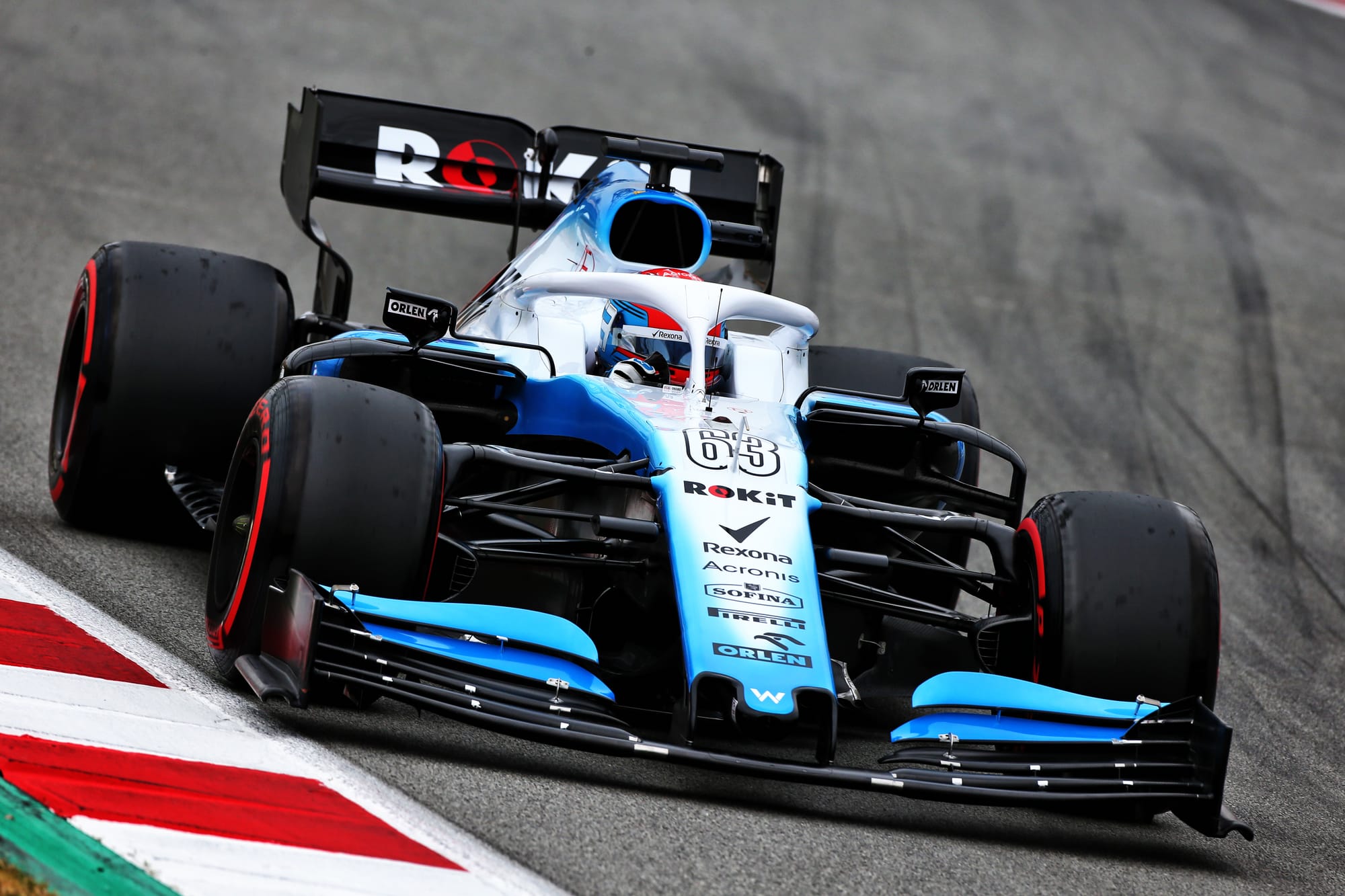
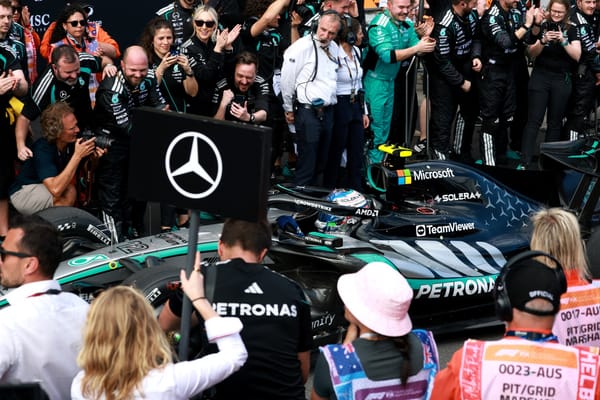
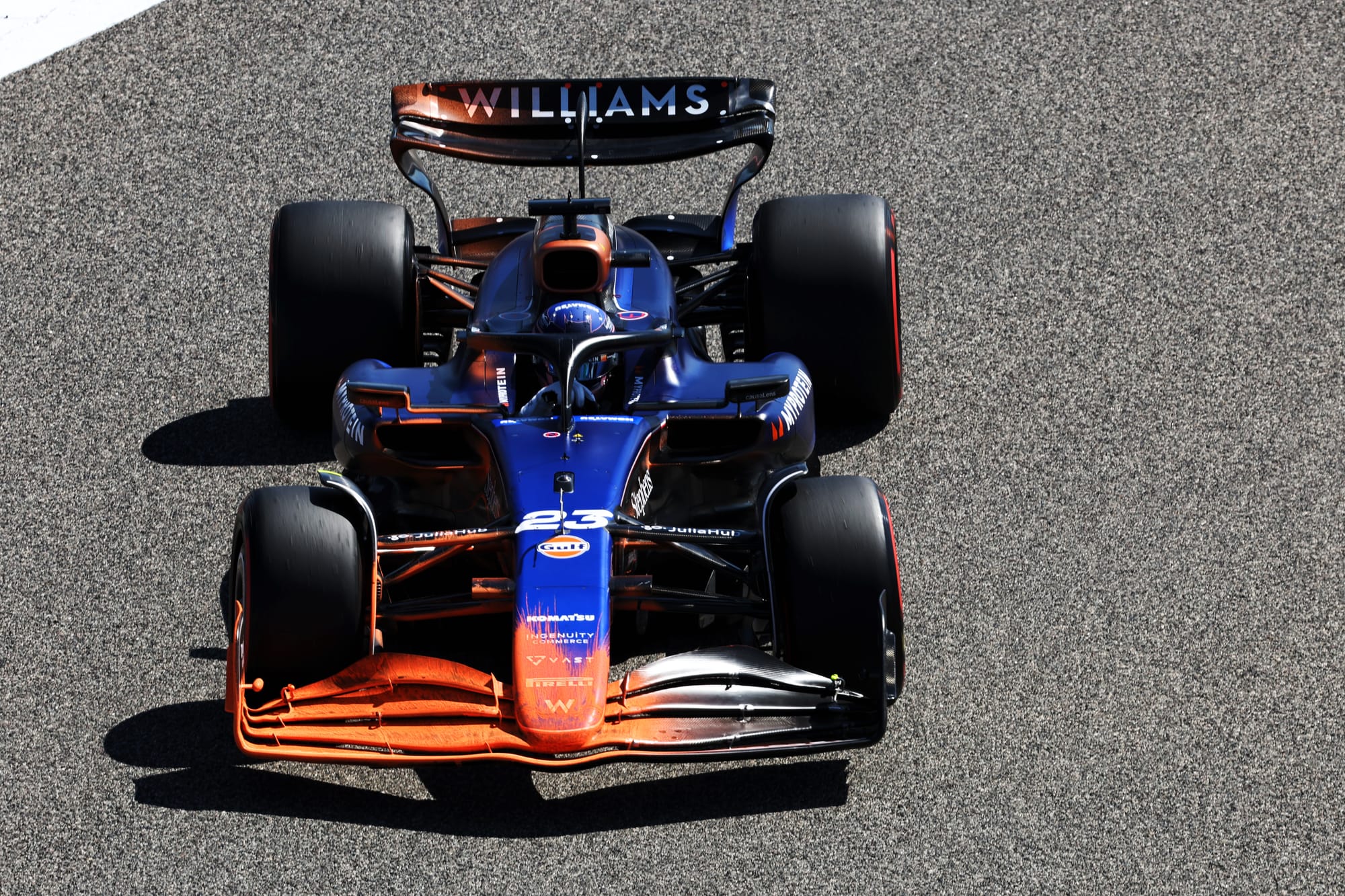
In 2019 (pictured above) that manifested in missing a large chunk of the first pre-season test. In 2024 the car made it to testing but was overweight, while Williams was short on spares and had a compromised development schedule as a result.
This year, Williams lost three days of testing and is now some 2000km of on-track running behind the teams it aspires to be on the level of. And the jury is out on whether the exact reasons for that will leave the car overweight and compromised into the season, again.
What is known is that Williams fell behind in its FW48 build and had trouble with certain crash tests. It seems each time its processes become more complicated, or done in the way Vowles and his leadership team insist is necessary to eventually be a top organisation, there is a risk of a major setback.
“One of the tasks that has been on my shoulders for a few years is making sure we transform this business at the absolute maximum rate possible,” Vowles said.
The team’s performance in 2025, scoring two podiums and finishing fifth in the constructors' championship, is clearly testament to Vowles’ leadership taking Williams in a better direction.
But two compromised builds in three years suggest that is coming at a big price even in the context of Vowles’ rationale of “pushing the boundaries and limits hard and aggressively, and find your limitation” because he believes “there’s no point being just underneath the curve or voluntarily underneath the curve if you want to transform at speed, you need to find the pain points and put them right very quickly, which is exactly what we're doing”.
Vowles has had to roll out that bullish logic to justify short-term setbacks more than he would like as team boss. To his credit he is usually very open and detailed in fronting up to issues - of which Williams has had quite a few now under his leadership, including things like taking Logan Sargeant’s car off him at the 2024 Australian Grand Prix and giving it to Alex Albon after Albon damaged his beyond repair.
Interestingly, this time the explanation has been less specific and revealing than most. But that might be because there’s some sensitive information to protect for now - and there was still a telling revelation in him confessing he has misjudged what Williams needed as a team, in order to manage what he was asking of it for 2026.
Vowles says this car has been developed in a way that is “not what we were doing two years ago”.
“You do have to accept that the shapes [being designed] in order to achieve them and pass the tests, and by that, I mean flexibility of front wing, rear wing, all that sort of jazz as well, it does take quite a bit more work in order to get there, and that's an output of it,” Vowles said.
“So, I'm actually incredibly happy the car is more complex, but I didn't scale the business in the right way to achieve the output, clearly.”
As Vowles said, it is on his shoulders to improve Williams as quickly as possible. So are any failings. For Vowles to front up to an extent is significant. Williams didn’t get its build right but Vowles, who has spent the last year telling us how everything was geared towards 2026, misjudged what it needed.
“The car this year that we've built, just to put a number on it - it doesn't matter if I use number of hours or number of components - is about three times more complicated than anything we have put through our business beforehand,” Vowles said.
“So to put that in perspective, it means the amount of load going through our system is about three times what it used to be. And we started falling a little bit behind and late on parts. And there's compromises you can make as a result of it.
“In addition to that, we have absolutely pushed the boundaries of what we're doing in certain areas. And one of those is in certain corresponding tests that go with it. But those were only, I would say, a blip in the grand scheme of things.
“So it's more of an output than anything else of pushing not just the boundaries of design, but the boundaries of just simply how many components can be pushed through the factory in a very short space of time.”
Beyond a team with tools and processes falling behind by “1% or 2%” in efficiency and “actively demanding investment”, we may not get a better explanation for how exactly this happened given Williams prioritised 2026 so much.
But another surface-level reason is that, according to Vowles, it did not want to sacrifice the design it was working on for something too conservative.
This is despite claims late last year Vowles wanted to sign the car off at a time that would ensure there were no problems with the car build. But perhaps both are true and it ties in with the failure to scale up the organisation sufficiently: perhaps Vowles underestimated the extent of the challenge, or overestimated the level he had brought Williams too.
“I said last year we were sacrificing '25 [for] '26,” said Vowles. “Aerodynamically we've done that. But if we print the car in February last year, it's way too early and leaves too much performance on the table.
“And more than that, you don't push this business to championship level of how late you can start offsetting everything. So what you're seeing is an outcome for making sure we're making aggressive decisions to keep as much performance on the car as possible.”
There is credit in the bank after 2025, and with 2026 not even having started in earnest, Williams clearly has time to show that it was right to do the car this way even if it caused short-term stress and embarrassment.
If there is a backwards step on-track, or lingering consequences into the season, that credit will be significantly diminished. If there are more major setbacks than these two problematic car builds then the credit will be gone completely.
It is, after all, bad enough that this comes just two years after Vowles and co said that Williams could not go through as bad a winter as 2023-2024 again. And Vowles’ lengthy answer to The Race’s question about how this compares to that, and how it happened again, should really be read in full.
“Yeah, I remember my comments,” Vowles said. “I can assure you this is as painful in some regards as '24. There is a difference, though.
“We're sized differently. We're using structure differently. It was a little bit of organised chaos back then, and it's not today. Actually, what I have around me is cool, collected, calm individuals that are giving me proper answers on when we'll have information by, when we'll have bits by, when we'll have components by. That is a world of difference from where we were.
“But also, we have to acknowledge that we were trying to push more throughput through the system than we were able to achieve. And if you do that one week, you can kind of make it up. If you do that for a number of weeks running, you can't.
“And then if you have various bits of the system, there are differences. And it can be small regulation changes. It can be a difference in what you want to do as a pathway from an engineering standpoint or issues along the process which come out of testing.
“You need to dynamically change. Where we're not good enough at the moment is in that agility of being able to dynamically change. We're not there. And simply, that caused us to then fall behind further than we wanted to.
“There are still elements in processing systems that are not at the right level. Those are facts. Simple as that. When we're dealing with the quantity of parts we are right now, I'm still very reliant on humans going above and beyond to make sure we get the car built.
“It is different to what we had before because the car was a lot simpler back in '23-24. I really can't put words to how well this team have done in terms of making this car a lot more what I'm used to.
“But we're simply not able to get the throughput for the business at this point in time.
“What we're doing about it is we have experts and specialists who have been with me now daily for the last few weeks and will continue to do so to make sure we chomp through this and get ourselves there.
“We're not having to unwind a lot of what we've done. A lot of what structure we have I think is correct.
“But what's very clear to me is we're in this halfway house where we're using systems and where they're not quite fit for purpose we're falling back to old techniques and human glue.”