Return of Norris's 'worst nightmare' complicates F1 title showdown
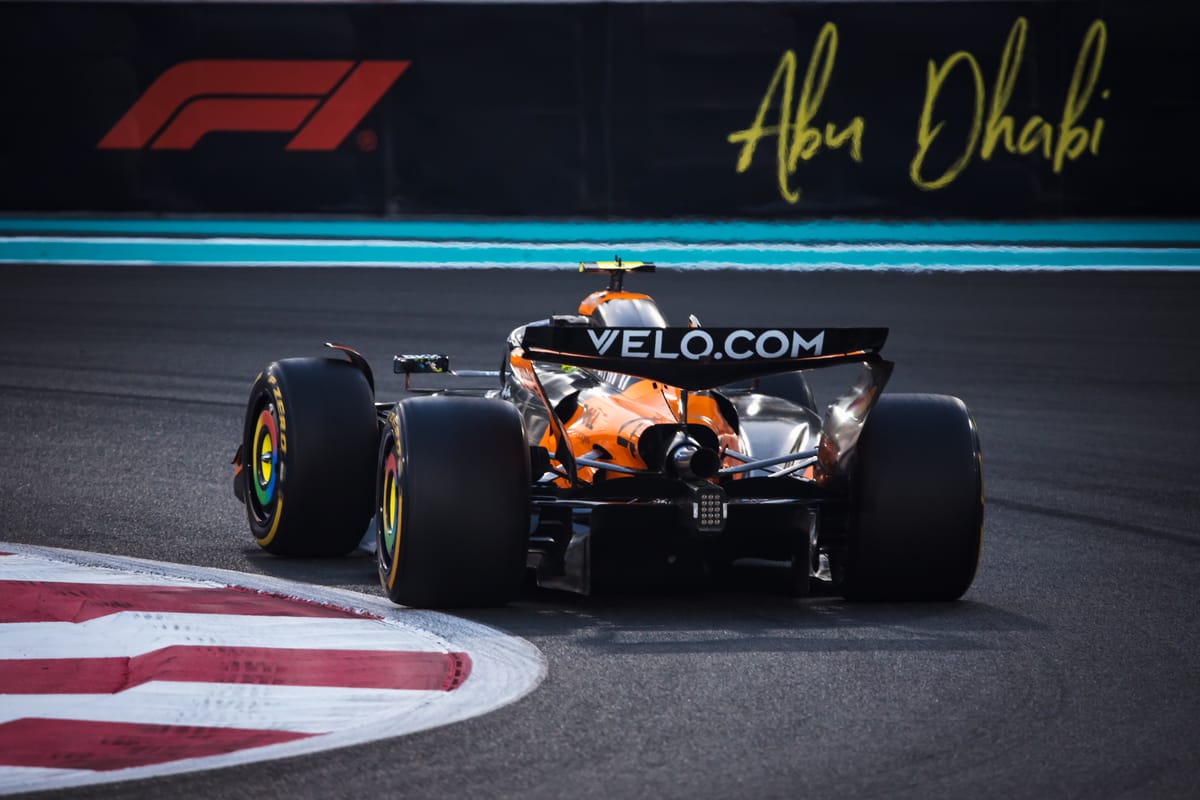
The surprise presence of one of Lando Norris’s biggest bugbears has thrown a curveball into Formula 1’s 2025 title showdown in Abu Dhabi.
After a season where Pirelli’s improved construction for 2025 has mitigated the risks of tyre graining at other venues, F1 teams have been taken aback by its unexpected recurrence at the Yas Marina circuit.
Analysis after Friday’s opening day of action showed that the front right tyre is struggling with graining, and that has opened the door to increased degradation concerns.
This not only means an added headache in terms of teams and drivers needing to manage it, but it could be enough to tip the Abu Dhabi Grand Prix into a two-stop race.
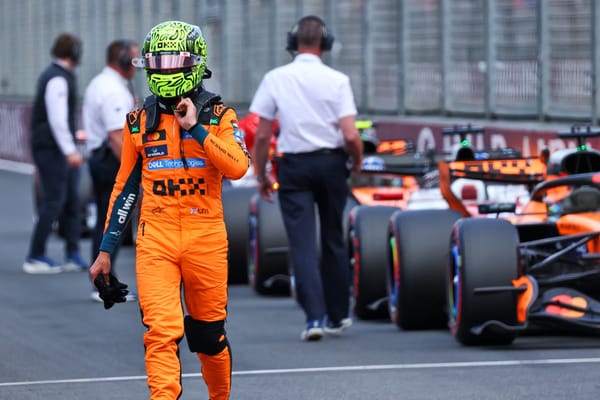
With McLaren's MCL39 and Lando Norris known to be especially susceptible to struggling when front graining is a limitation - he called it his "worst nightmare" after the China sprint race - this would bring some unanticipated extra stress for the squad in its bid to win the world championship.
What has caused the issue
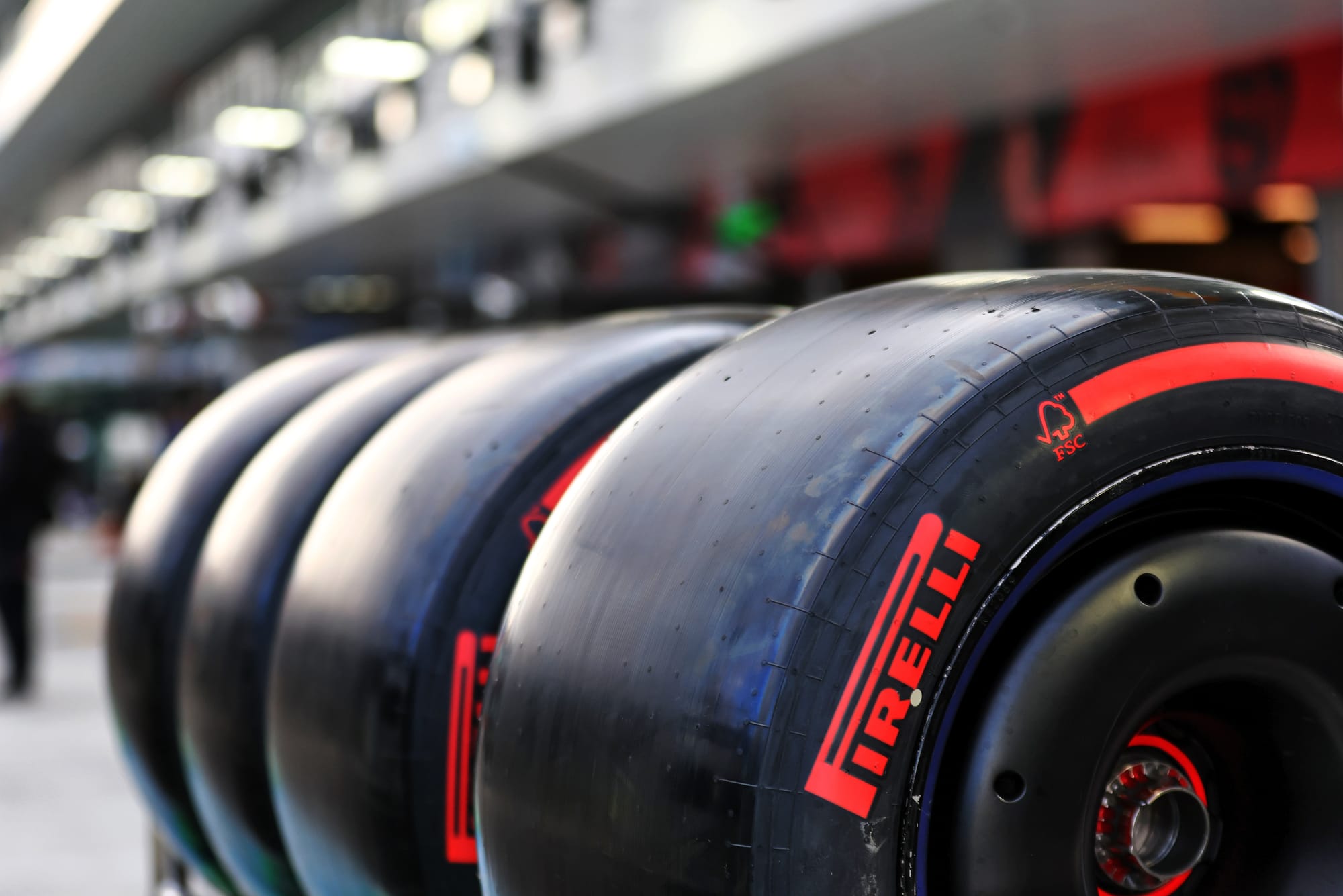
The graining experienced in Abu Dhabi appears to have been triggered by two combined factors.
The first is that the Yas Marina circuit’s grip levels are very low this year – which means the tyres are sliding across the surface more than they do at venues where the asphalt offers higher adhesive grip.
Abu Dhabi is normally quite challenging anyway, because of sand that gets blown across it, but grip is worse this year than usual.
Pirelli chief engineer Simone Berra said: “We measured pre-event that the grip was lower than previous years, anyway, much lower than what we had in Qatar, for example, one week ago. And it's one of the lowest of the season."
Another element is a consequence of some resurfacing work that has been done at the Yas Marina circuit since last year’s race.
Ahead of the weekend, the FIA said the circuit had been resurfaced between Turns 1 and 4, with a new patch of asphalt placed to remove a bump at the exit of Turn 6 on the right-hand side.
Berra added: “It is a different bitumen, which is making it easier to damage mechanically the front axle. This is in high-speed corners and is initiating the graining.
“There is less adhesive grip [for the tyres], but the cars have potentially more mechanical grip because of the high [downforce] loads – so this possibly creates some hysteresis grip [where the tyre is stretched].”
While this area of the track is not the only cause of the graining, what it is doing is initiating the problem – and, as soon as a tyre starts graining, then the effect gets increased and it becomes even more susceptible to problems.
What the impact could be
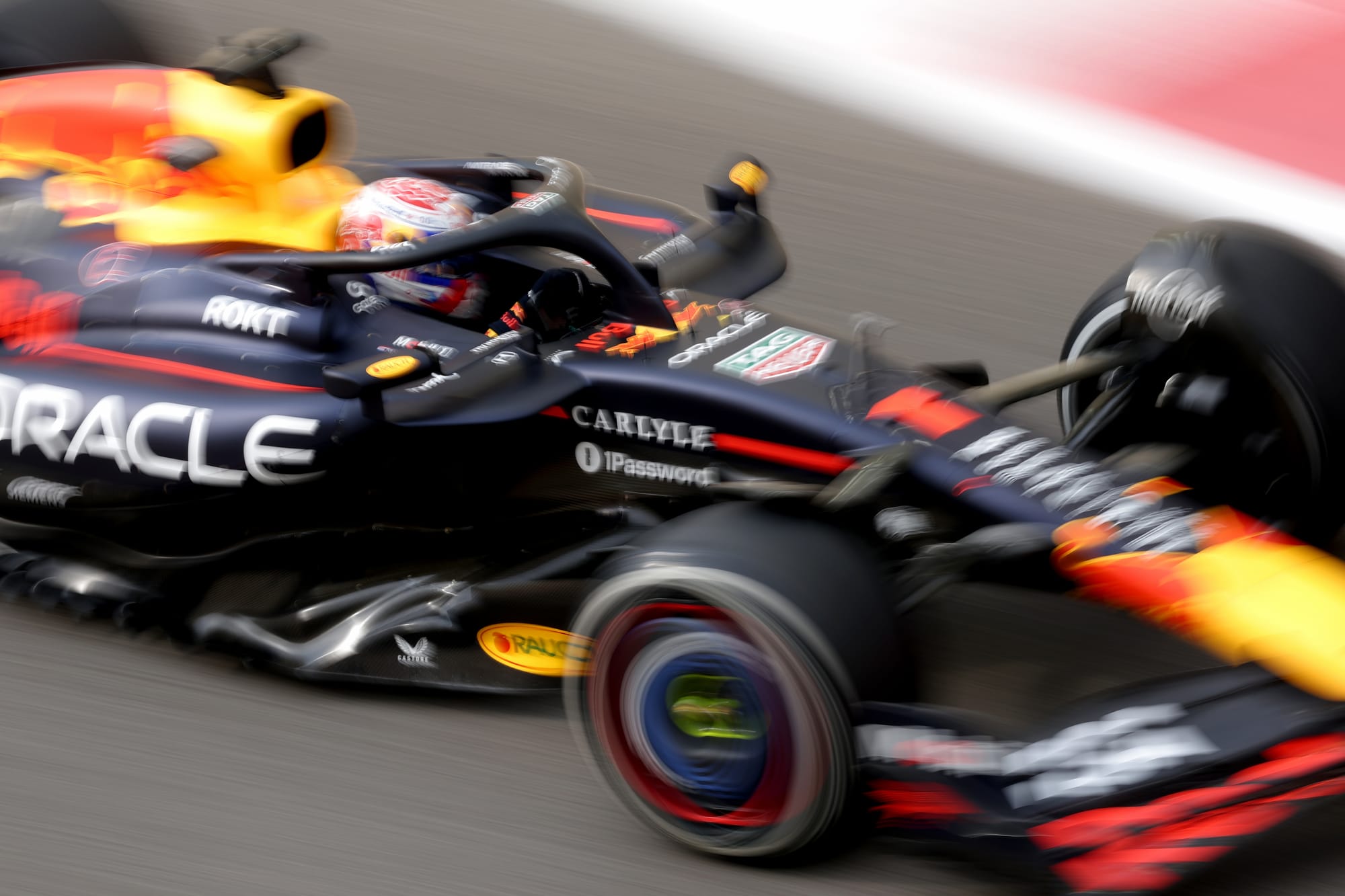
If the Abu Dhabi Grand Prix turns into a battle to control front graining then the biggest loser could potentially be McLaren.
It has struggled in past events where this phenomenon has been a limiting factor – and this is something that Norris especially does not like.
"I always struggle a lot with front graining," he said in Las Vegas, where front graining also proved to be a limitation. "I'm definitely better now - I think I probably used to be the worst on the grid.
"I hate it. I hate understeer. I hate the front not working - those kinds of things.”
But McLaren and Norris will not be alone in having to deal with this. Berra said it is something that will impact everyone to a greater or lesser extent, and the effect could increase after Pirelli raised its minimum tyre pressures from 23.5psi to 24.5psi overnight.
“The graining is generated more on the cars that are faster because they generate more stress on the tyres,” he said. “So the top teams have higher graining levels compared to the bottom of the grid."
Even Red Bull, which is known to have been in better shape to deal with front graining issues in the past, has admitted that tyre concerns are there.
Gianpiero Lambiase, Red Bull’s head of racing, said: “The tyres were a little bit more vulnerable compared to what we were perhaps expecting.
"It looks like front right graining is a problem for the field, so we need to analyse how we improve the longevity of this tyre heading into Sunday.
“Degradation is a bit higher than expected, so whilst we thought it would have been a relatively straightforward one-stop, there’s a question mark over that now.
"We really need to understand how many stops it is going to be and how we will look after our tyres.”
The answer to that will only become clearer over the course of Saturday, when teams will see if a more rubbered in track has reduced the problem.
But right now, it could open the door for a battle of strategies – where some teams go aggressive in pursuing a two-stop and others are left on the back foot as they try to manage and get through a graining phase to stay on a one-stop.
As Berra said, just a week on from McLaren’s strategy error in Qatar, Red Bull could see an opportunity to exploit an area where it knows its rival has vulnerabilities.
“I think the one-stop for most teams is the fastest option, but Max could try the two-stop to push more to force a strategy error on the McLaren side,” he said.
This adds another fascinating dynamic to an already stressful final weekend in F1’s title showdown.