Remembering a very different F1 pioneer
In many ways, the sad passing of John Macdonald on January 28 was in keeping with the character of the man.
His death went under the radar, with no fanfare or fuss. 'Johnny Mac' will be remembered as the owner (together with his business partner, Mick Ralph) of the unsuccessful RAM Racing F1 team but grand prix results alone do a huge disservice to what John (and Mick) achieved.
John was an innovator, a pacesetter in terms of team presentation long before Ron Dennis popularly assumed the mantle. RAM (Ralph and Macdonald) Racing was the pioneer of high-technology and high-specification pit equipment and car finish. It led the way in the chrome plating, epoxy powder coating and anodising of pit equipment, the RAM Racing quick-lift jacks, car stands, fuel churns etc were the benchmark, and there is no professional racing team in existence that has not taken inspiration from and aspired for standards that were originally drawn up by John and Mick.
John was born in post-war London and formed a partnership with his friend Mick Ralph in a car business in Willesden, North London. Drawn to motorsport through fellow car dealer Bernie Ecclestone, John raced saloon cars and participated in occasional F3 races, initially in a March chassis before switching to a GRD, but with limited success.
John stopped racing and together with Ralph, set up RAM Racing in 1975, initially running future F1 champion Alan Jones in a Formula 5000 March. The team was instantly successful in the European F5000 series, winning races and scoring multiple podiums and pole positions.
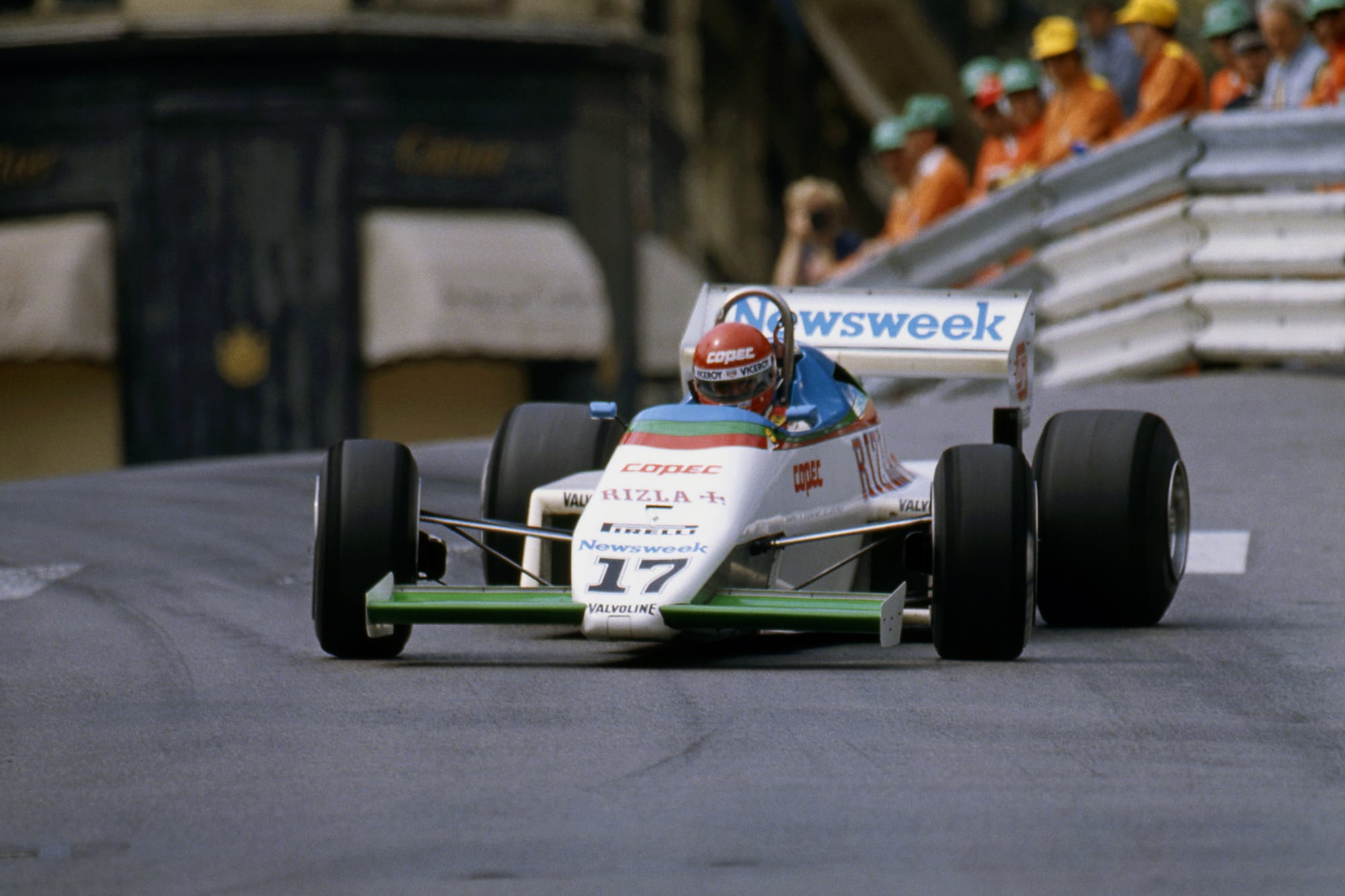
John's close relationship with Ecclestone resulted in RAM Racing running a pair of Cosworth-engined Brabham BT44Bs in the 1976 F1 world championship for a string of pay drivers as the works Brabham team switched to Alfa Romeo power.
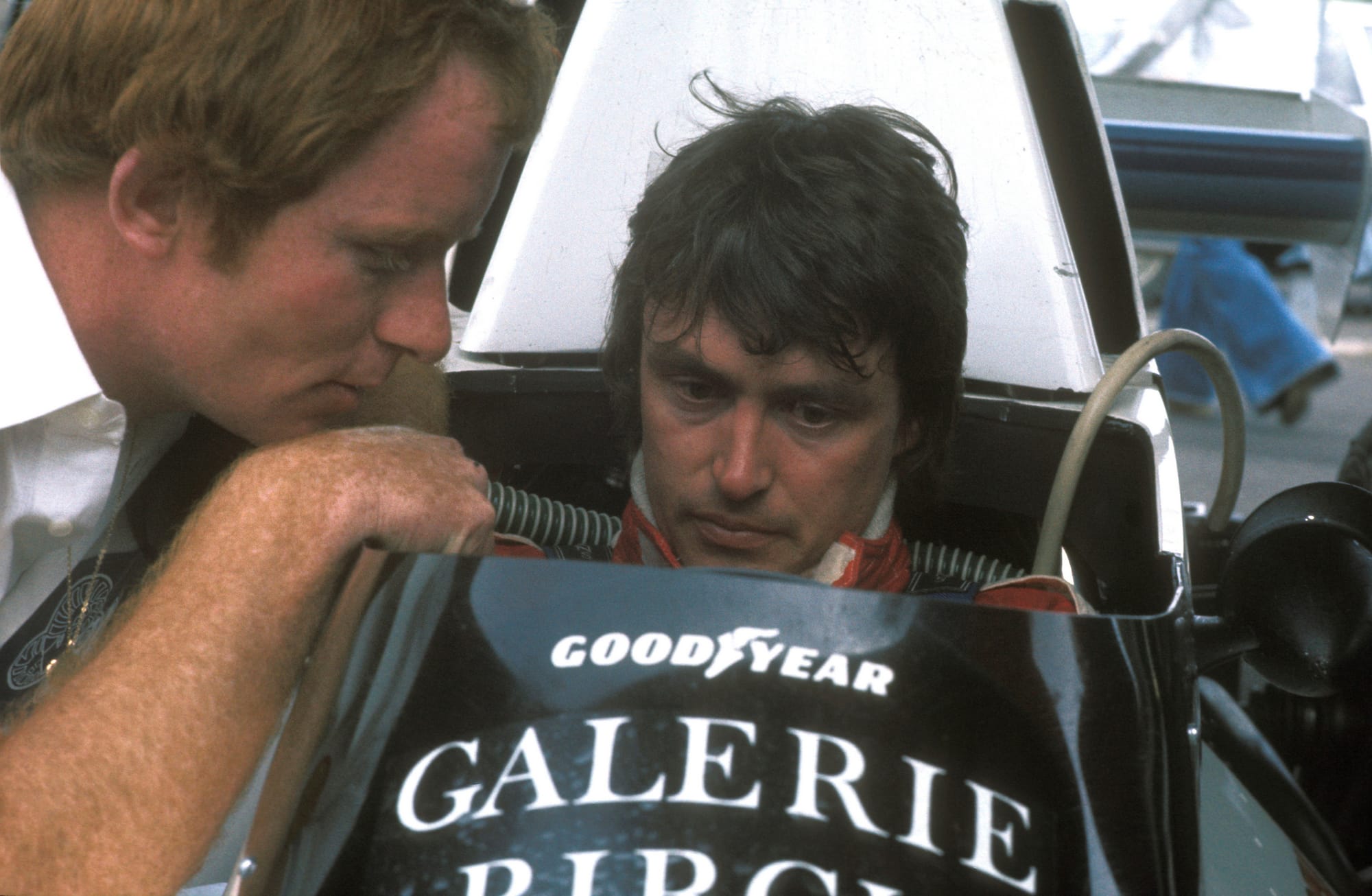
Emilio de Villota, Patrick Neve, Jac Nelleman (pictured above with Macdonald) all drove, although a legal dispute with another driver, Loris Kessel, curtailed RAM's F1 campaign.
Undeterred, John and Mick turned to the British F1 series where John first teamed up with Guy Edwards. The British driver was a moderate talent behind the wheel but beyond peer as a sponsorship finder and it was through Edwards's sponsorship-finding talents that RAM Racing returned to the F1 world championship in 1981 with a March chassis raced by Eliseo Salazar and Derek Daly.
It was around this time when I first met John. I started a junior role with the tiny ATS Formula 1 team which was literally around the corner from the RAM/March operation in Bicester, UK and I was often dispatched to the RAM building to pick up or deliver items. By now, John and Mick had been joined by John's brother Phil and the trio had sensibly decided to augment their racing operations with a fabrication and machining division which supplied car parts and pit equipment items for the racing industry, including rival teams.
John certainly had a 'hard man' reputation which he did nothing to hide. But scratch beneath the image and you found a very astute, funny man who had a heart of gold and who teased me without mercy but also really encouraged me as I sought a career in motorsport.
Later as I developed my career path, it was John who helped me with coveted F1 paddock passes and introductions. Mick I found harder to read and was therefore more scary to me than John. And then there was Phil... let's just say you wouldn't want to mess with Phil, although he too had a softer side which, whilst well hidden, could be seen through unpublicised acts of kindness.
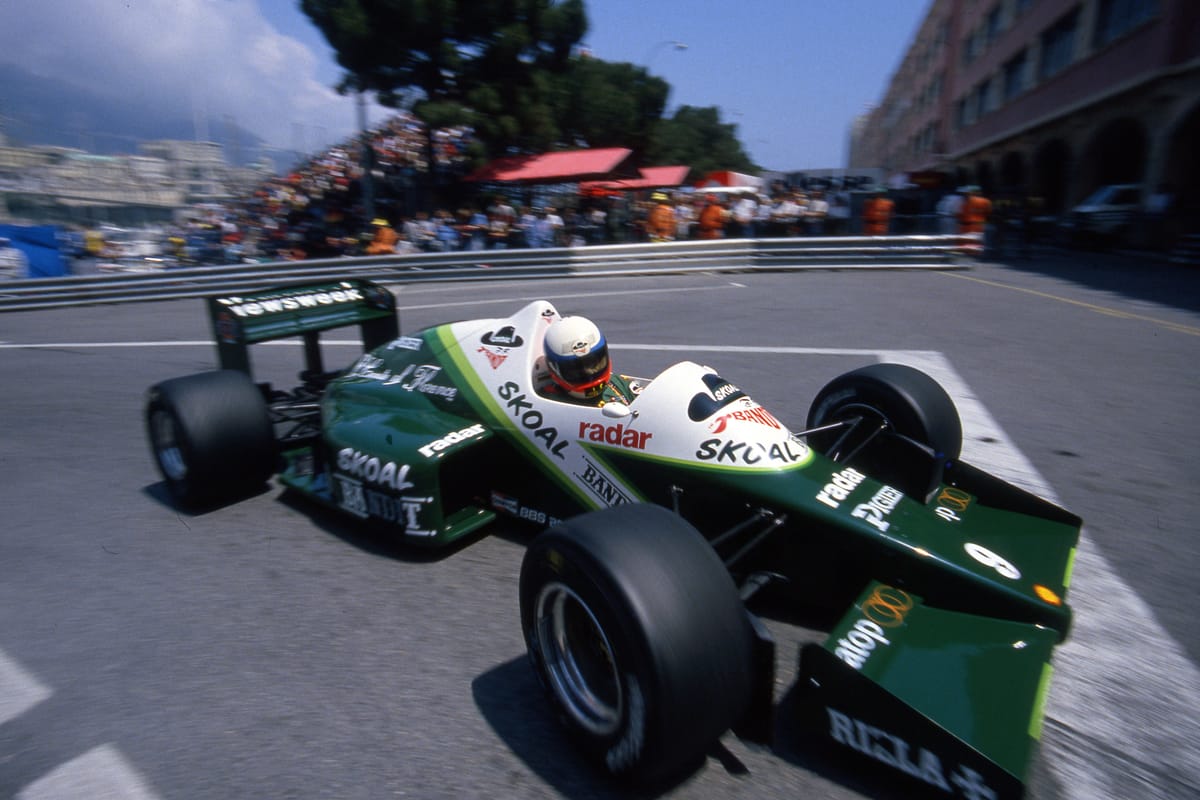
With Edwards pulling in solid sponsorship, RAM Racing developed into a two-car F1 team with Rothmans backing and March chassis. It then turned F1 constructor in 1983 with the RAM 01 and looked a serious operation by 1985 with the Skoal Bandits-sponsored RAM 03 cars fitted with Brian Hart's clever 415T turbocharged engines.
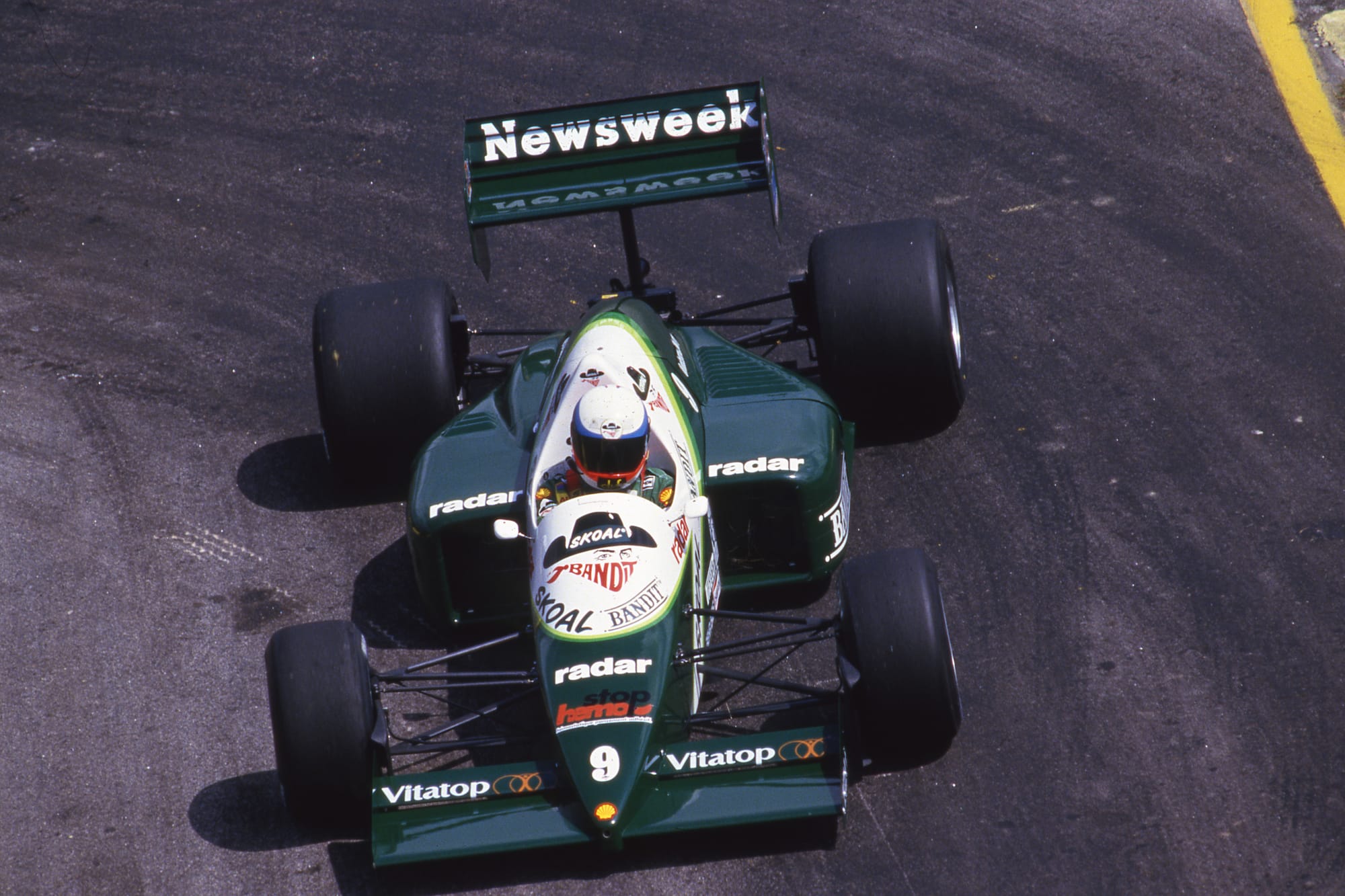
These cars were absolutely immaculately prepared in a striking Peter Stevens-designed green and white livery and I remember well the shiny chrome wheel rims, the beautifully presented trucks and the state-of-the-art pit equipment. It was pivotal to my aspirations to work full-time in Formula 1.
Sadly, success in F1 eluded John for a number of reasons and he and Mick dropped out to concentrate on building up their highly successful fabrication and machine business, Superpower, which continued to serve F1/Group C/F2/F3/F3000 teams for a good number of years before it was purchased in 1997 by Pankl.
The pair occasionally popped up in other racing series, notably British and European F3000 and endurance racing with Panoz. But for John, there were other more pressing issues to deal with.
The constant juggling of resources to try to meet John's racing aspirations resulted in John having some run-ins with the British tax service and eventually, John was imprisoned for defrauding Her Majesty's Inland Revenue service.
On his release, his old friend Ecclestone placed him as stadium manager for his recently acquired Queens Park Rangers football club in West London. Look at any images of the Loftus Road stadium before John's installation in 2007 and then within months of his assuming the role and you will understand the point I've been making on John's presentation standards.
John Macdonald lived an exciting, seat-of-your-pants life, full of colour, success and misfortune in equal parts and yes, tinged with elements that were less positive for which he paid his dues. But John's enthusiasm for motorsport, his risk-taking, his attention to detail and above all his ambition carried him far and earned him the respect of the industry.
Safe to say, there will be no other F1 team owner like John Macdonald.