Ranking the 2026 F1 teams after pre-season testing
Formula 1 2026 will soon begin and everyone’s desperate to know who will flop and who’ll be on top.
We’ve spent hours watching trackside, speaking to team insiders and drivers, trading information in the paddock and analysing data to try to bring you those answers.
This is not a prediction for the season opener, let alone 2026 as a whole – but an assessment of where the teams stand after three weeks of testing.
So with that said, here’s our ranking of all 11 F1 teams from worst to best.
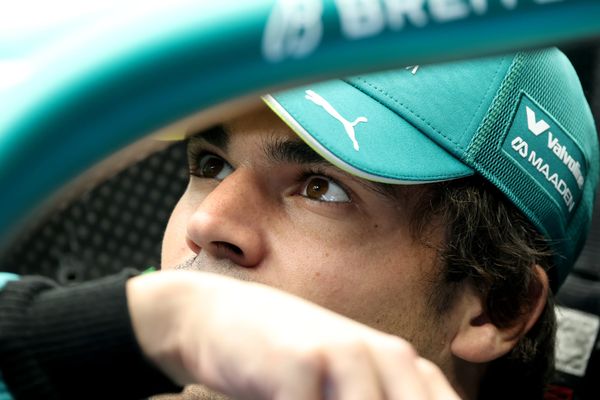
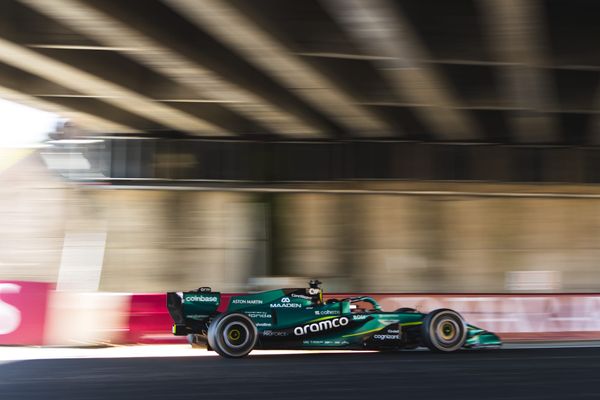
11th: Aston Martin
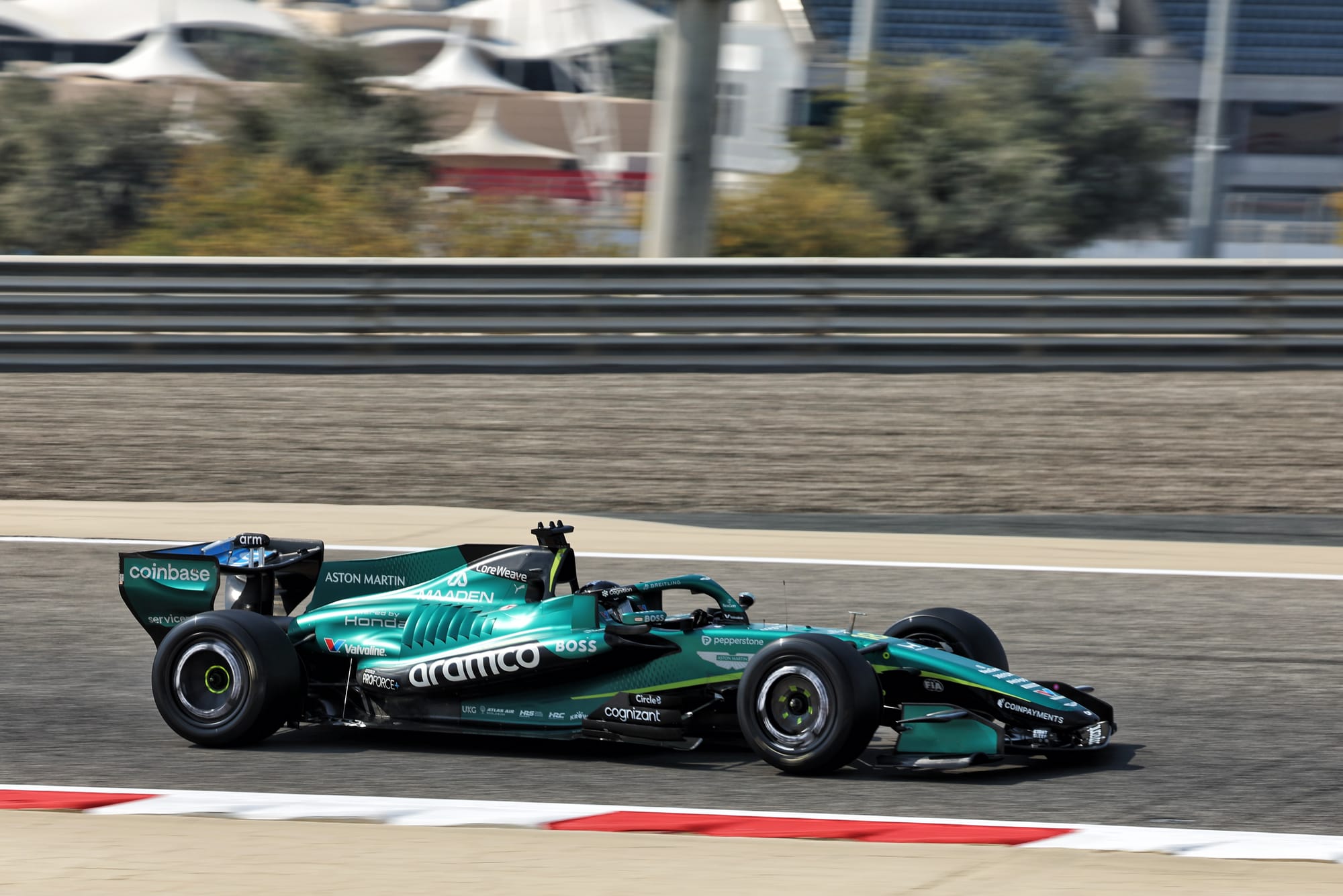
It would be surprising if Aston Martin actually starts the season last, but its testing impression has to go down as the worst of any team.
Engine problems, car limitations that simply couldn’t be ironed out due to the lack of running, and a massive deficit in learning energy management strategies to master the 2026 rules, mean Aston Martin leaves Bahrain in an awful position.
As the team's chief trackside officer, Mike Krack, put it Aston Martin simply "haven't been able to complete all the usual tasks typical of winter testing".
Here’s our only disclaimer: we don’t think the Aston Martin is the slowest car and it could, maybe even should, make the biggest leap from testing to the start of the season.
As we judge it right now, it’s simply in the worst position – it has the worst reliability, one of the slowest packages, and is a long way from being prepared.
10th: Cadillac
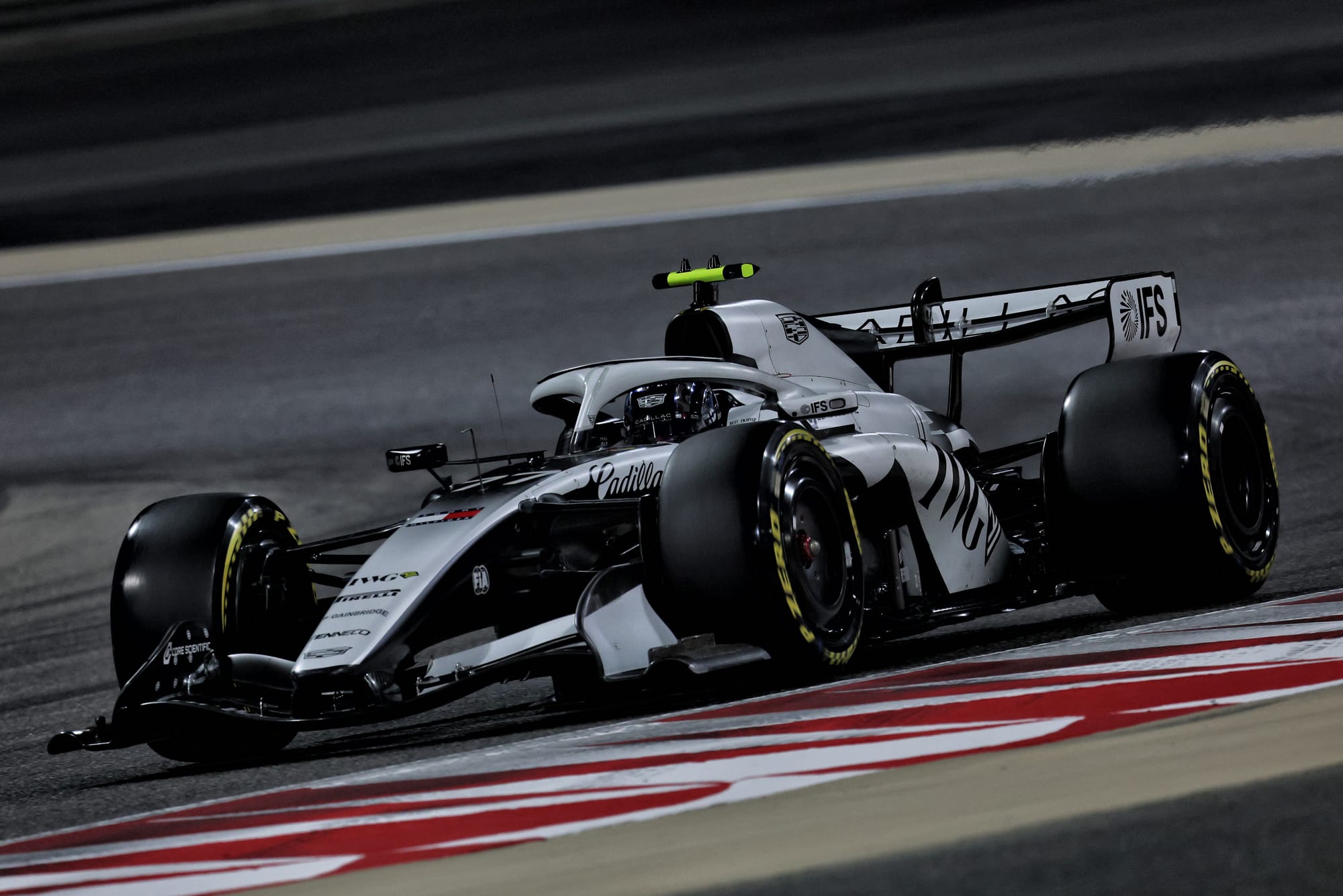
F1’s newest team is starting life as a backmarker, as expected, but the most optimistic version of that we could have imagined.
Cadillac ended the test just over three seconds off the pace and with respectable mileage, even though it was limited by niggling problems here and there – none of which the team fears will follow it to Melbourne.
The car’s light on downforce, and that shows – especially over a stint as the tyres fade. But it’s got a relatively benign balance, so no nasty surprises so far.
That leaves Cadillac poised to be a likely last but actually ahead of Aston Martin in this ranking by virtue of how it leaves Bahrain: not much slower, if at all, and more likely to finish.
Sniping at some straggling established teams also looks like it might be genuinely feasible.
9th: Williams
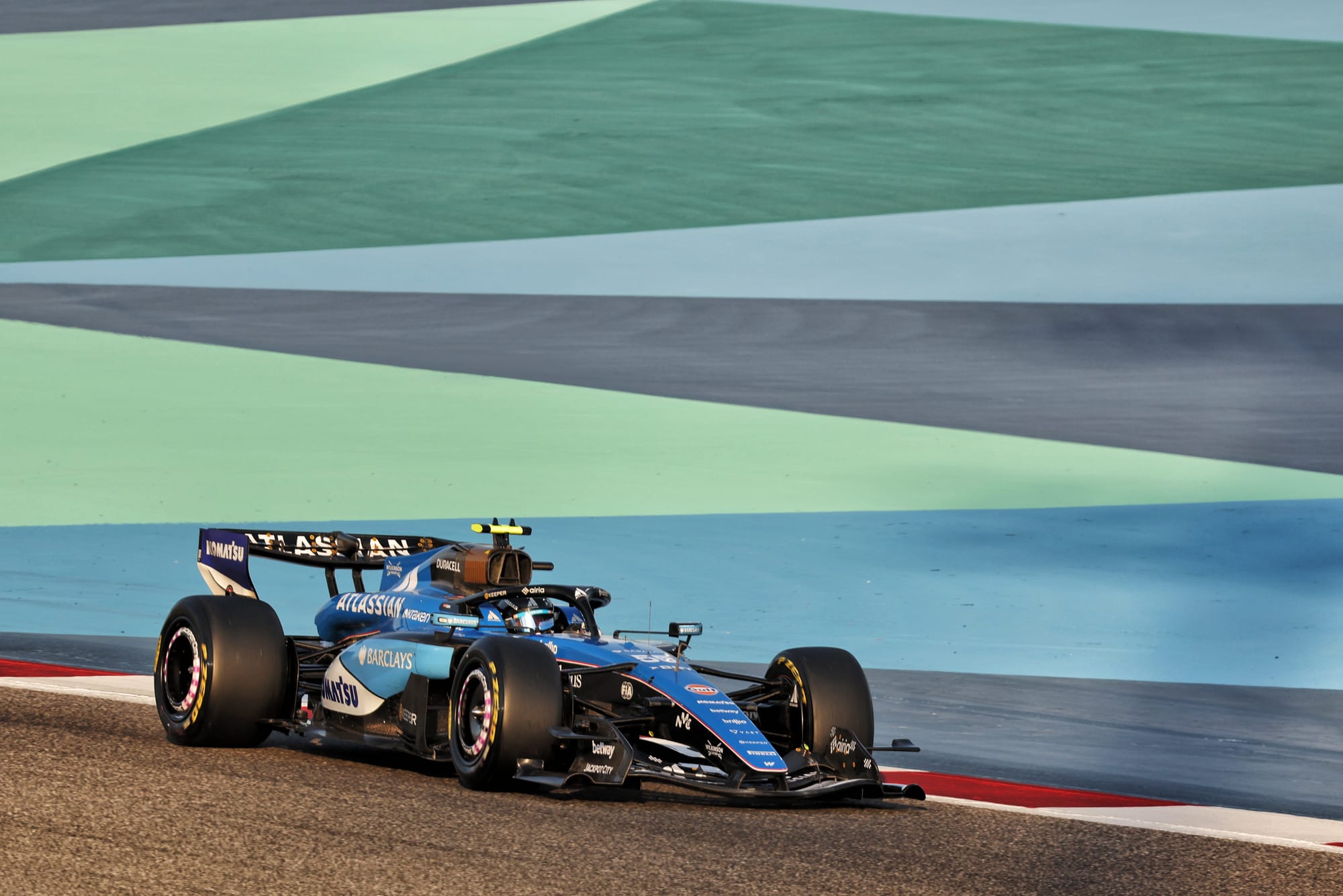
The Williams looks how it was always rumoured to be: heavy. How much over the limit is not clear, but surely not so much to explain all the car’s limitations.
This is not a car that hits its marks easily. It seems heavy on the front axle, and aerodynamically limited as well as overweight.
Maybe that’s because of the new high-rake philosophy, or maybe there’s something else in the car that’s not very well understood.
The car ran well, undeniably. So mileage was not a problem. It just never really came alive and in Bahrain looked in no-man’s land between the midfield group - which Williams needed to use softer tyres to match - and the tailenders.
Williams admits it's put itself on the "back foot", according to team principal James Vowles, and is starting with lower expectations than it should given its massive 2026 focus last year.
We've been analysing car performance from trackside throughout testing in The Race Members' Club and will be doing plenty more of that through the season to come - check all our bonus content out now with a seven-day free trial
8th: Audi
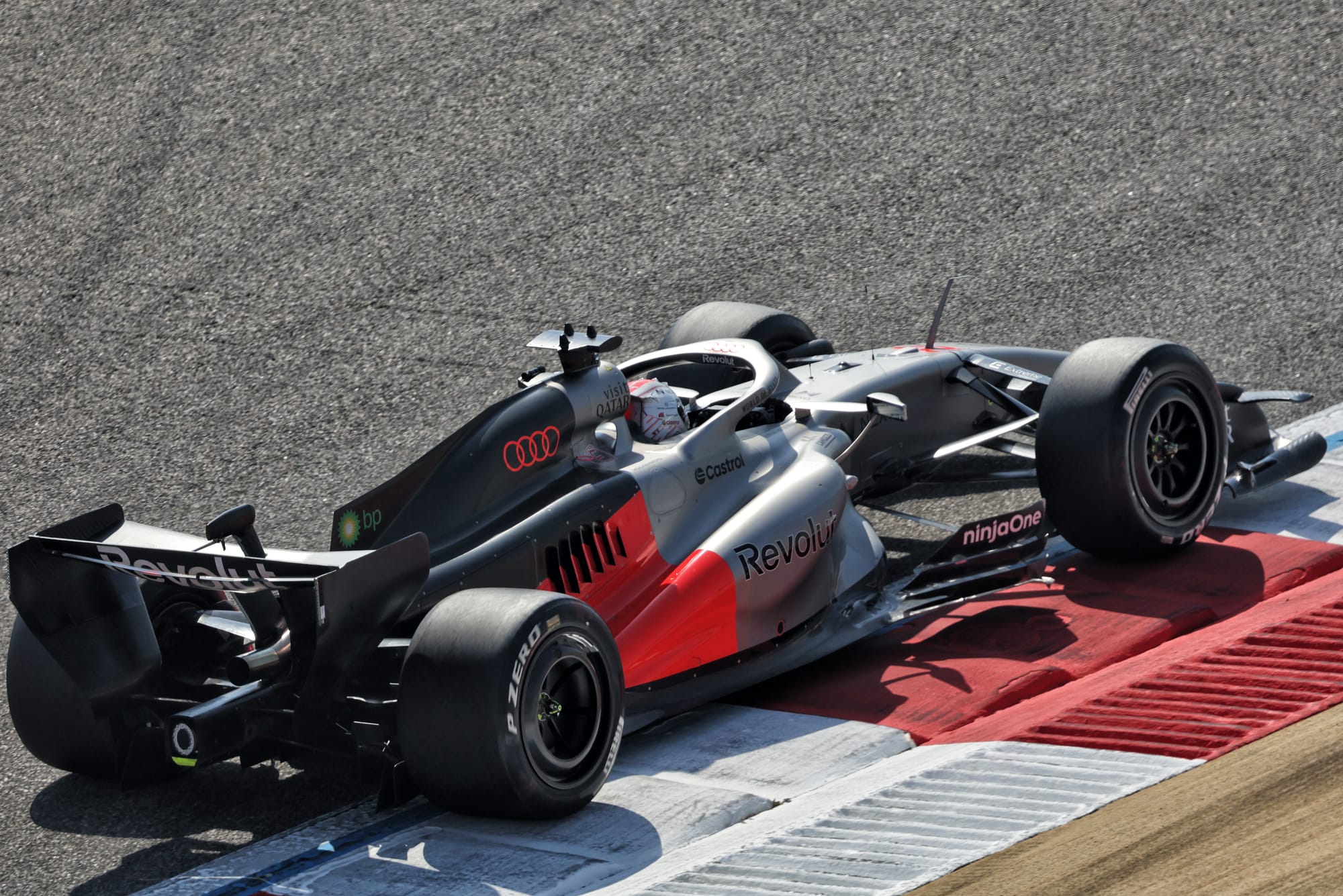
If there was an award for biggest improver across testing, it would surely go to Audi.
Not only did its car look dramatically different when a major upgrade was introduced in the first Bahrain test, but its poise on track was significantly better by the end of running.
As technical director James Key said: “We have made significant progress. The drivers are comfortable with the car and it is a good platform to work with.”
That translated into some eye-catching pace over longer runs on the final day of testing that confirmed Audi was ahead of Williams and a contender within the main midfield pack.
Early in the first Bahrain test, the downshifts visibly destabilised the car and the power unit sounded far rougher than rivals. While that aggressiveness remained, it was smoothed out dramatically by the end of testing.
On the final day, there were still hints of rear instability under braking into the slower corners, but the car could be driven consistently.
There remain question marks about how strong the Audi power unit is already, but that’s as much down to there only being one team running it.
As it stands, Audi should start the year as a Q2 runner.
7th: Racing Bulls
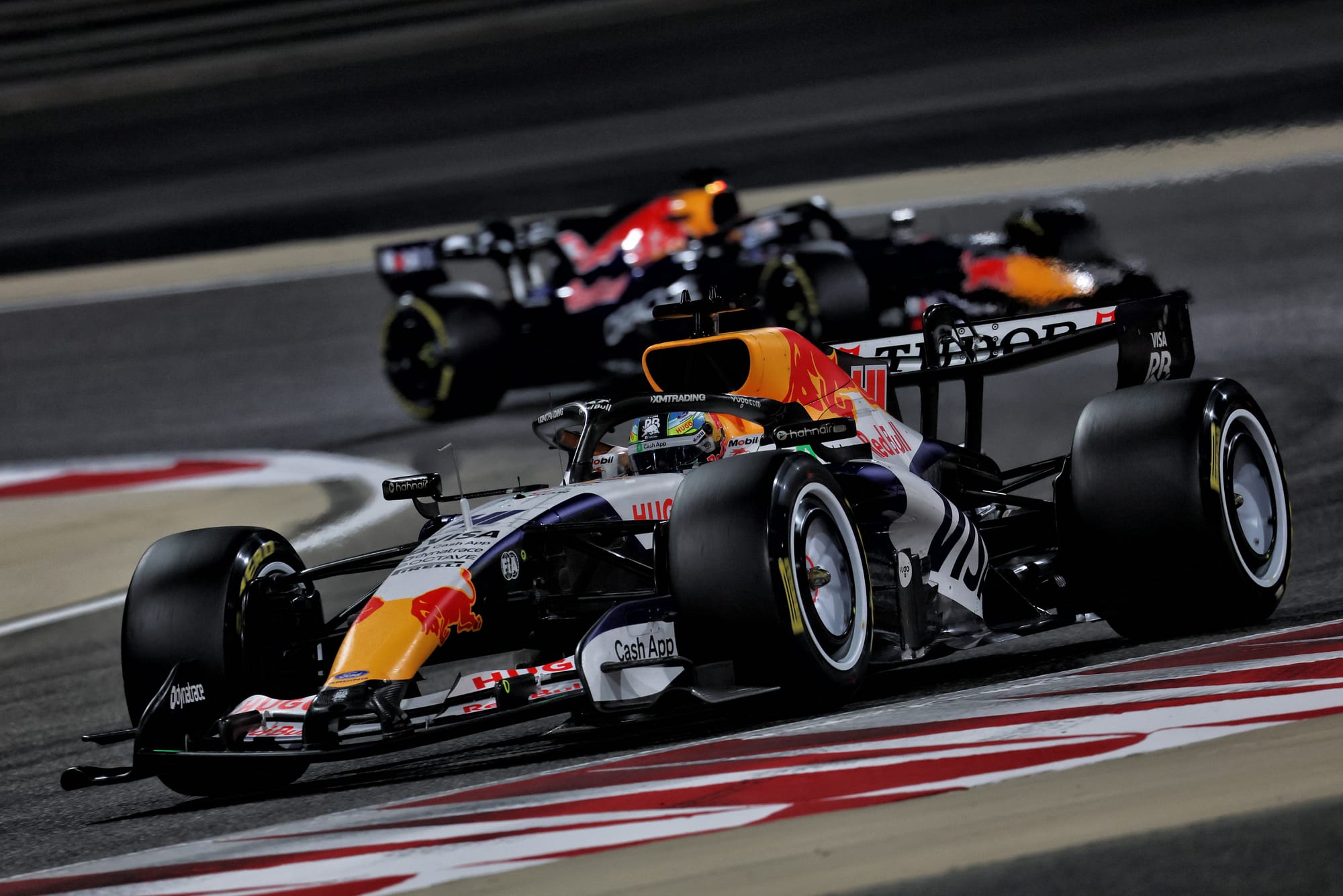
The Racing Bulls is firmly in the main midfield group, but was less convincing than the Haas and the Alpine because it was visibly a trickier car.
While things improved dramatically after a difficult first Bahrain test, where the drivers were limited by the car’s instability under braking into slow corners, there were still hints of this by the end of testing.
Late on, when Arvid Lindblad banged in some quick laps, he twice had wide moments at Turn 10 when he really leaned on the car.
Liam Lawson says there’s no standout issue or limitation. However, it took Racing Bulls time to close the gap to Red Bull in terms of trying to maximise energy harvesting with aggressive downshifts. And even then, it seemed to remain a problem, with the power delivery in traction zones a little spikey at times.
But the team seems confident, with team principal Alan Permane saying the minor issues it hit in testing won’t be a problem in Melbourne, so it seems well placed to move up the midfield order.
6th: Alpine
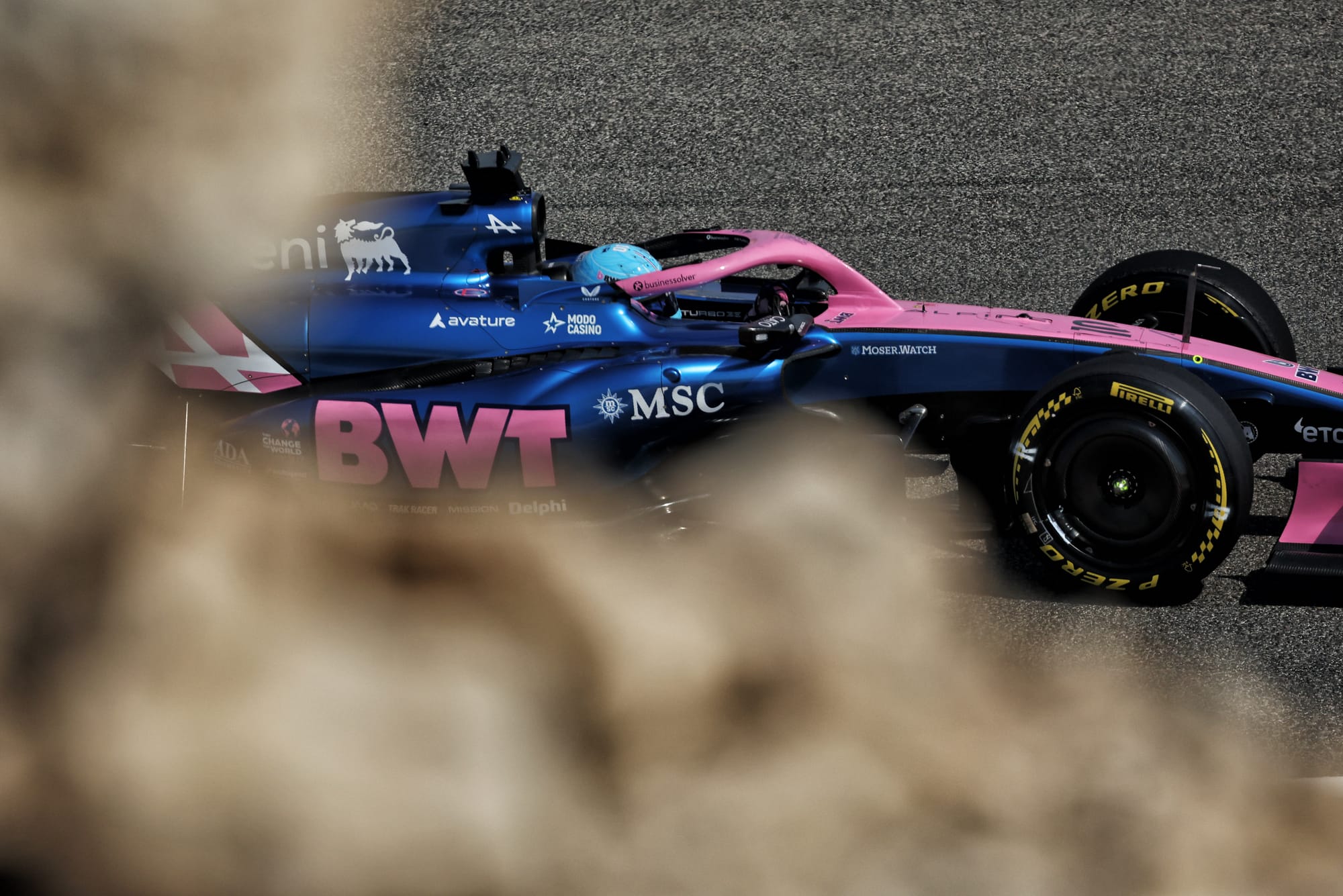
The consequences of Alpine starting 2026 badly don’t bear thinking about given it ceased development of its 2025 car at the earliest opportunity and sunk everything into the new regulations.
At least a decent car had to be the result, and it has hit that target. Not only that, but it appears to be the third-best of the Mercedes-powered teams, ahead of Williams, and should be within regular striking distance of Q3.
That’s a big step forward from last year.
Short and long-run pace was solid throughout testing, and there were tangible gains made with the car. It remained a stable package throughout testing without any eyecatching upgrades, but it racked up good mileage, which was the priority.
Traction visibly improved from the first Bahrain test to the second, and the car was one of the more consistent.
The downside is it is too front-limited and that understeer is holding the drivers back, but that’s something that will be chipped away at across the early races. Based on Bahrain, Alpine is not only firmly in the midfield pack, but in the hunt to lead it.
5th: Haas
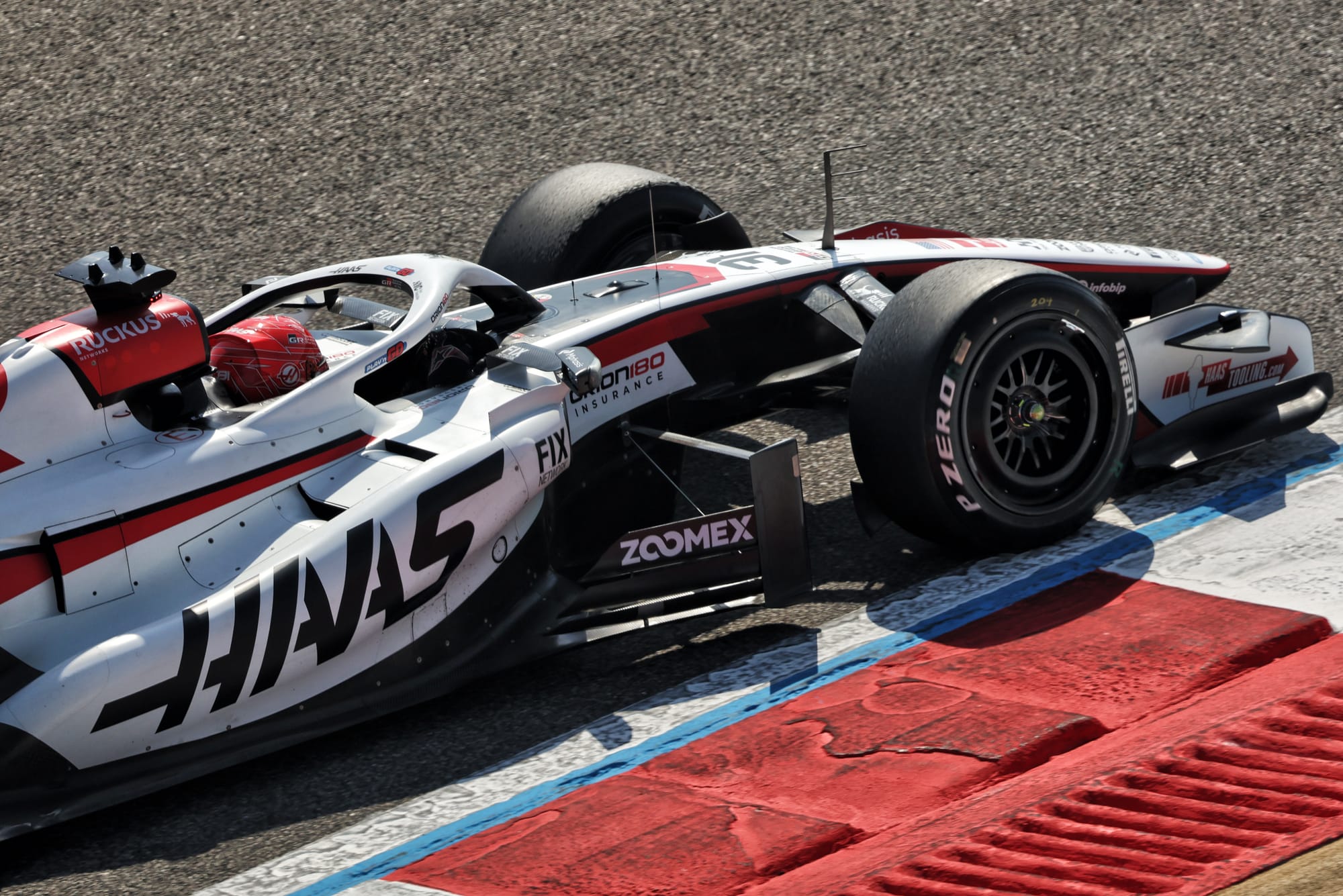
If you had to pick a midfield car to drive in Bahrain it would have been the Haas.
As we’ve come to expect from this team it ran extremely well, but it also looked good too - in the boring, ‘there’s nothing dramatic about this car’ kind of way.
Both drivers were very happy with the handling improvements that came in the final week, first in terms of entry instability and rear traction, and then through-corner balance.
It looks like a well-balanced, solid midfield car, and with all that’s changed with the rules and some teams badly underachieving - that’s actually an ideal platform to start the year.
We have Haas good enough to head the midfield at its best, but are wary of that Alpine potential ultimately elevating the Mercedes customer team slightly higher.
4th: Red Bull
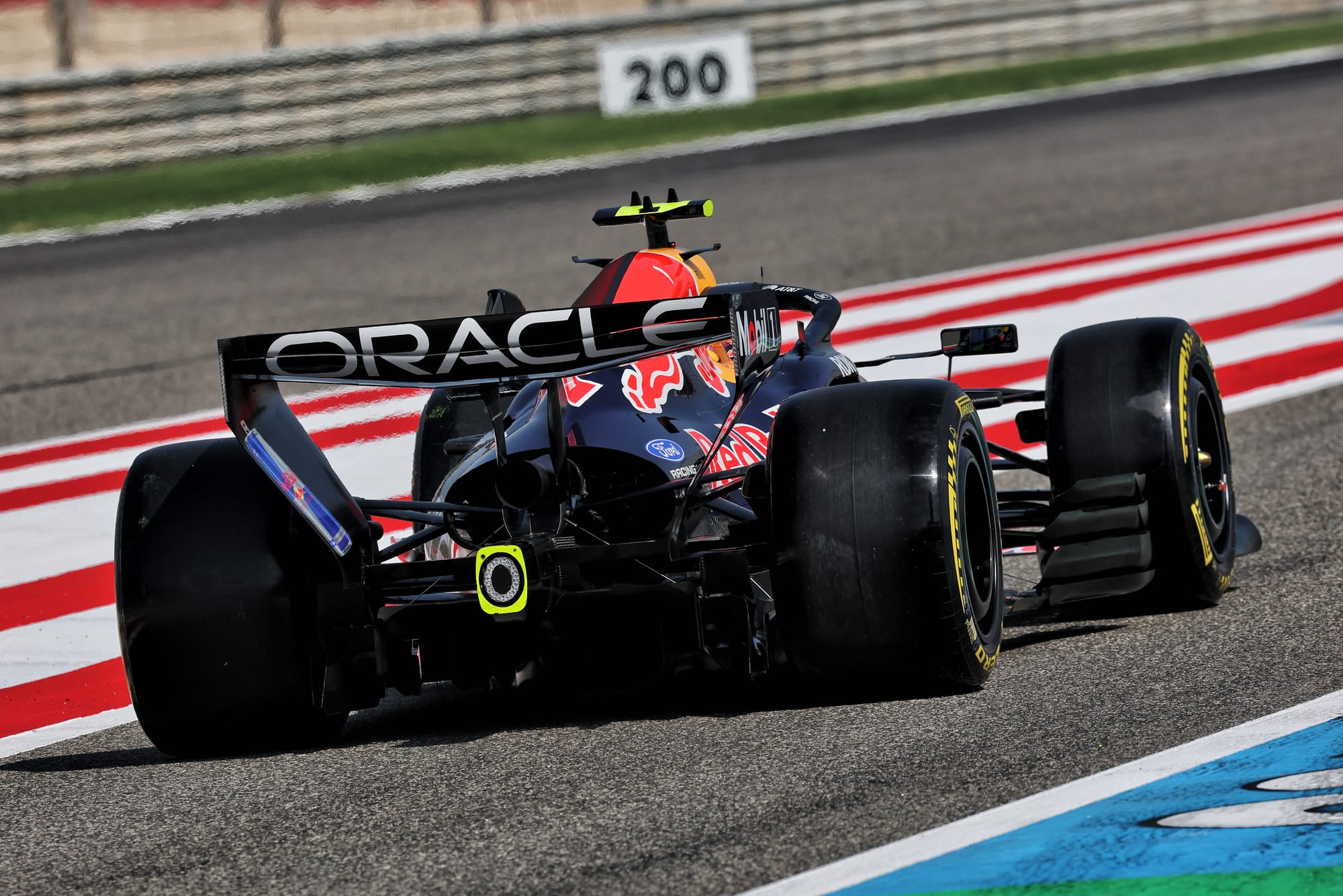
In Max Verstappen’s hands this car looks every bit as good on track as any of the leading teams.
But unless Red Bull is holding back more than we could discern, it was overhauled as testing progressed.
It legitimately looked like the benchmark package at times in the opening week in Bahrain, and the new engine’s strong deployment characteristics remained evident in week two.
Overall, though, it was eclipsed by Mercedes and Ferrari as those two teams really found their feet - and McLaren got on level terms too.
Great preparation meant it started testing on the front foot but there is now more work to do for Red Bull to find some missing pace.
3rd: McLaren
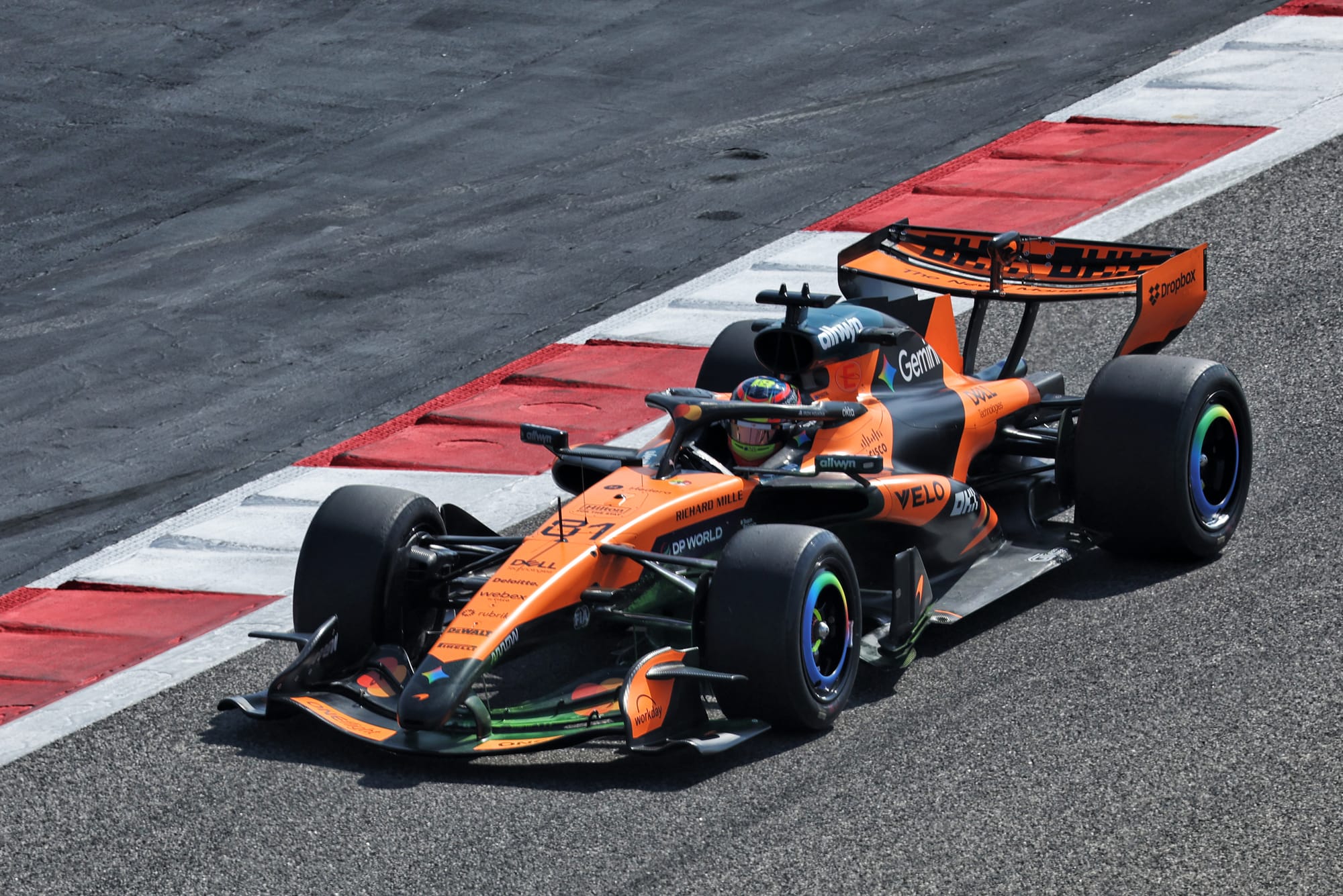
Last year’s world champion is not going to be the early 2026 benchmark – but it is at least mixing it with the works teams.
By the end of the second week in Bahrain, McLaren felt tentatively confident it was competitive against Red Bull and maybe slightly ahead.
“McLaren, Red Bull – probably very similar. Ferrari and Mercedes a step ahead," was how team boss Andrea Stella characterised things.
Its car was certainly improved and looked a lot more consistent, but a lingering deficit seems to exist on the energy management side as McLaren’s not quite wrapped its head around what Mercedes is able to do.
That said, a small performance bump is expected in Australia when it gets the latest spec Mercedes engine – having run a slightly lesser version in testing.
This little bit of performance limitation, easily rectifiable, is what nudges McLaren ahead of Red Bull in this ranking, as they otherwise seemed neck and neck by the end of the test.
2nd: Ferrari
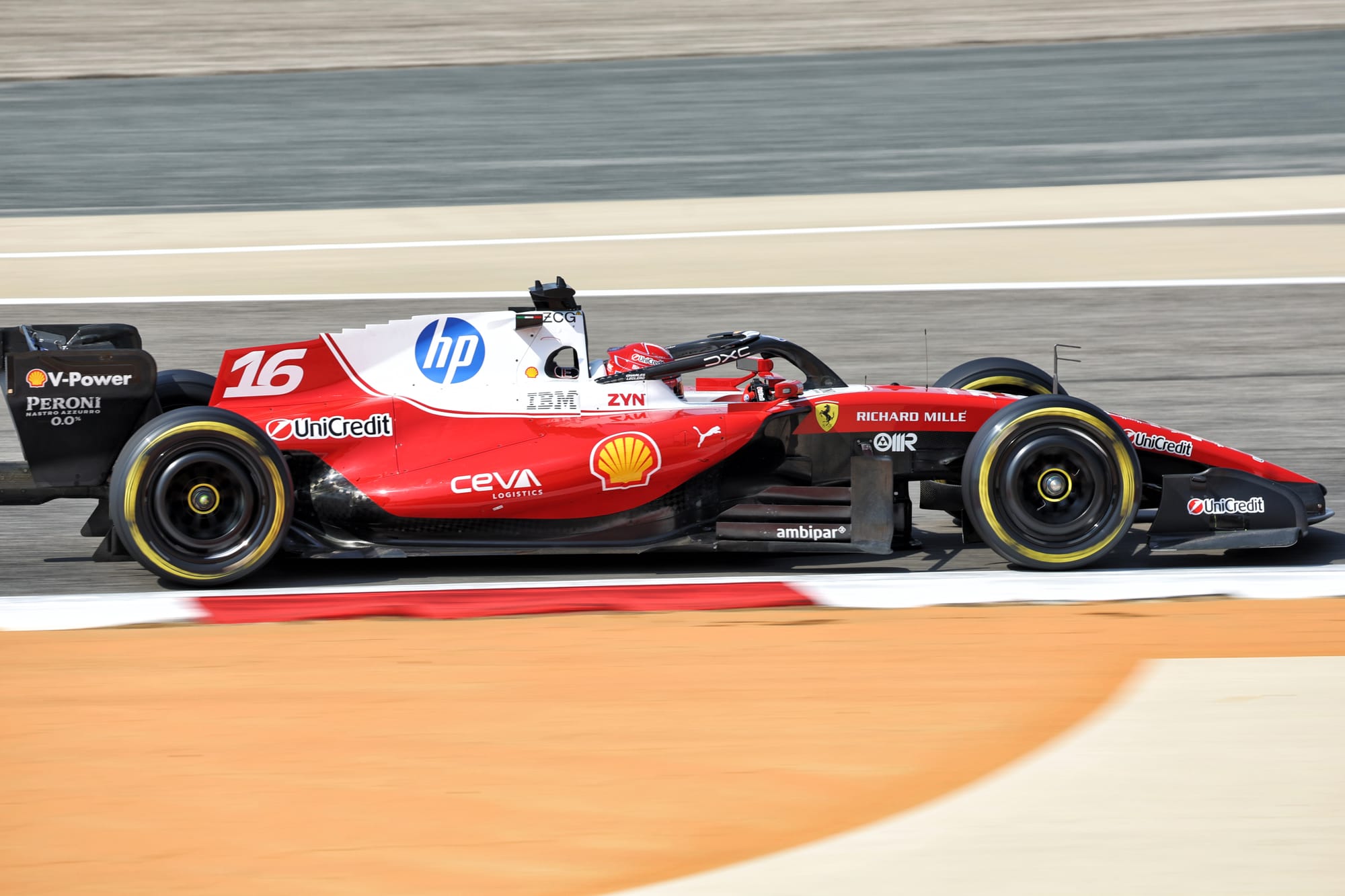
Not only did Ferrari catch the eye with several innovative design features, notably its inverting rear wing and the winglet that appeared behind the exhaust, but also with its performance on track.
But while Charles Leclerc set the outright testing pace, the long runs suggest that it's not quite at the level of Mercedes. But even if that is the case, it’s got a good foundation to build from with its smaller turbo making the car a rocket off the start line.
What was striking about the Ferrari was the progress made dynamically. From the start of the first Bahrain test, the car was responsive on turn-in but inconsistent and lacked rear grip. Even when showing good pace, the car moved around noticeably more than its rivals.
But as the days rolled on, steady improvement meant that by the time Leclerc was setting his quick laps in the closing stages of the final day, the car looked well-balanced, responsive and capable.
1st: Mercedes
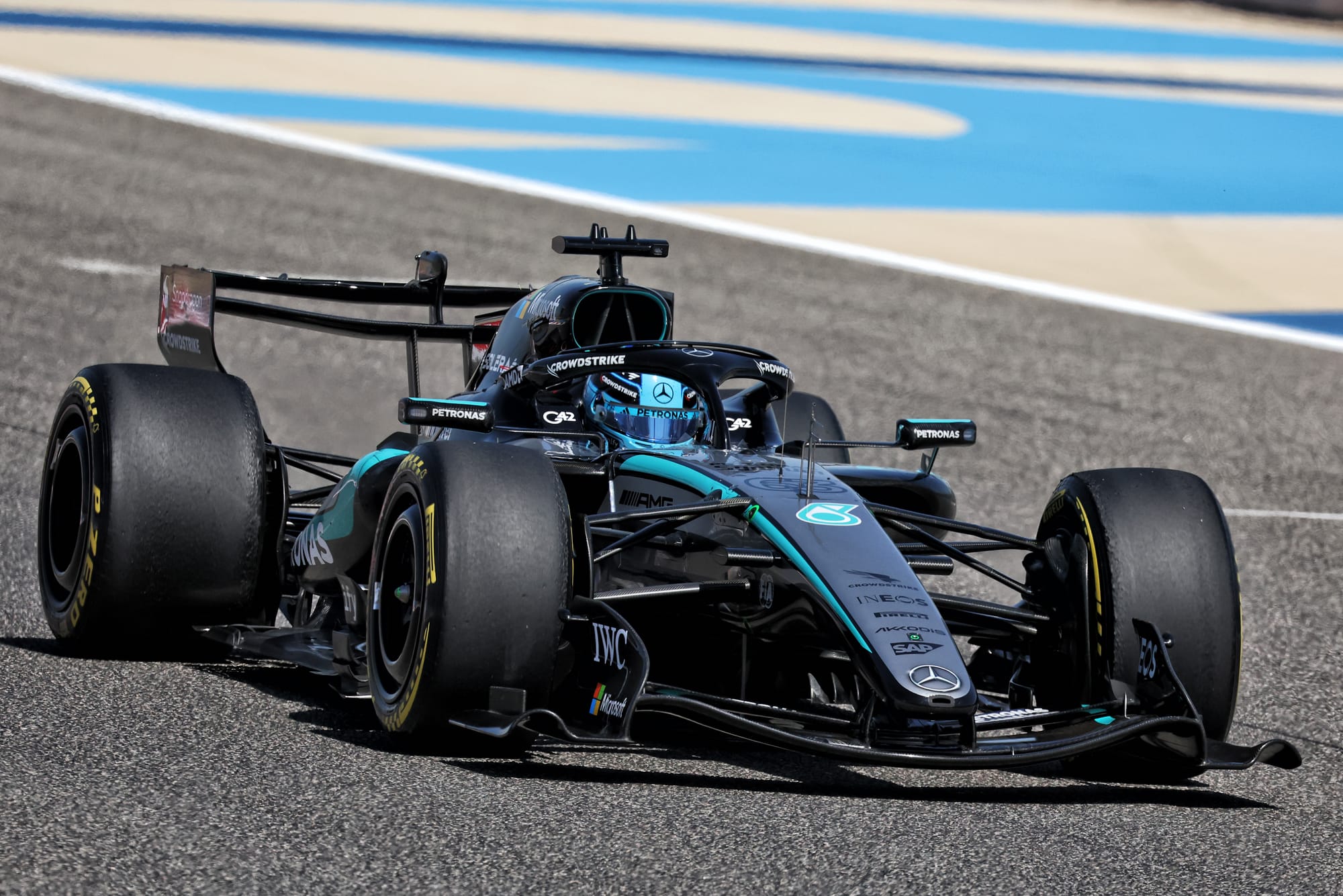
Metronomic was the word that sprang to mind for the Mercedes, both in terms of its poise on track and how it racked up more laps than any other team in pre-season testing - despite occasional problems that cost track time.
Even on the final day of testing, a power unit change had to be made after a loss of pneumatic pressure.
Early in the first Bahrain test, there were problems with the downshifts that left Mercedes trailing Red Bull on harvesting. Those were soon smoothed out and, even though Mercedes continued to talk up Red Bull’s deployment advantage, George Russell admitted that gap was reduced by the Mercedes-powered teams.
Although the fastest Mercedes lap was eight-tenths off the pace set by Ferrari, don’t be fooled. Mercedes is favourite for the Australian Grand Prix in the eyes of every team in the paddock, and the full extent of its race pace was only hinted at in Bahrain.
The only question mark is whether the much tougher harvesting challenge of Albert Park could cause problems.