Where new F1 cars are already troubling drivers in Bahrain
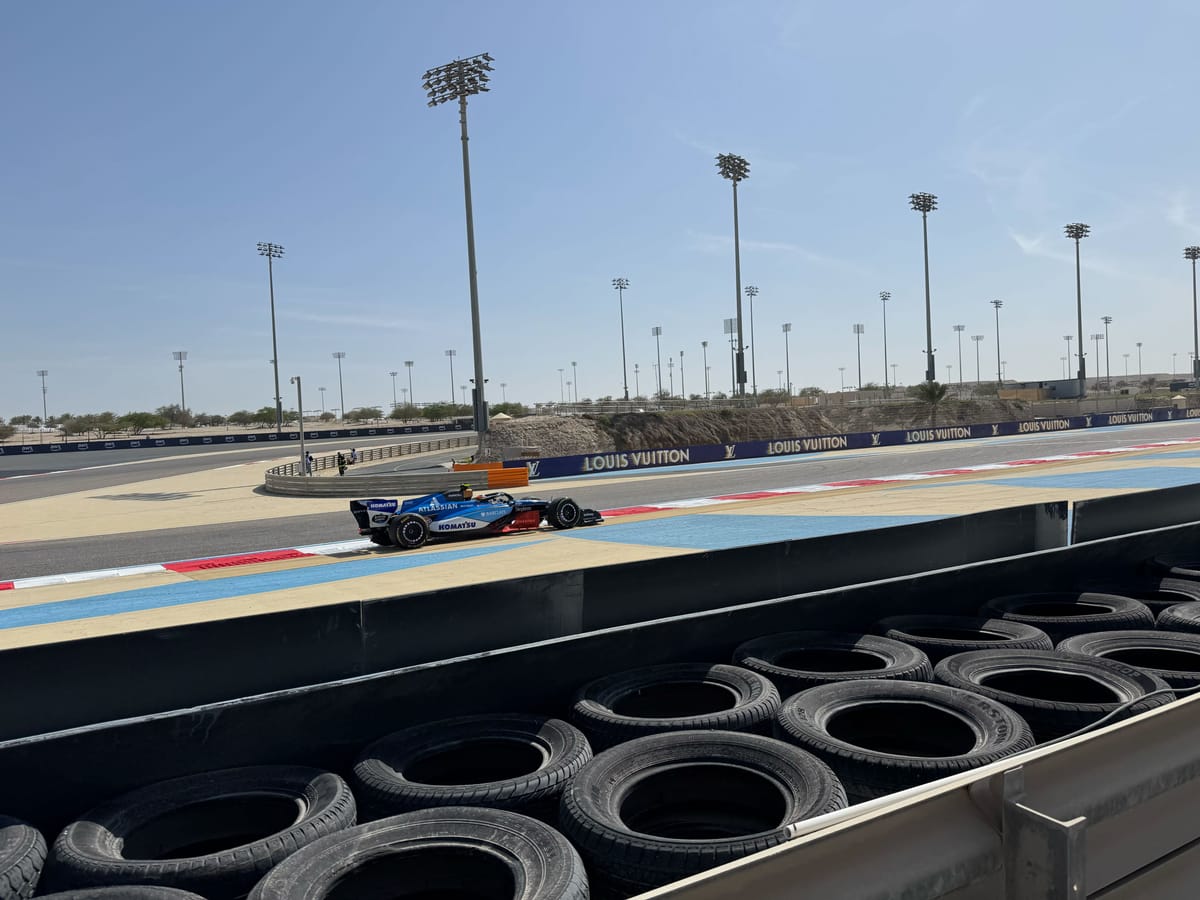
Early trackside viewing from Bahrain has revealed just how different the new generation of Formula 1 cars are to their ground-effect predecessors, and where they are particularly challenging.
Watching from the tight Turn 10 left-hander is a great place to see some drivers struggling to work out the limit and observe trends in how the cars behave at a particularly tricky corner combination.
Following a quick flick left through Turn 9, the track falls away on approach to Turn 10, and the combination of braking, steering and a light inside front wheel tends to lead to lock-ups and big moments if a driver gets it slightly wrong or a car is not well balanced.
This was always a point of difficulty for the older cars, which were big, cumbersome and heavy – so once a lock-up started, it never seemed to end and it couldn’t be recovered. But interestingly, there were an inordinate number of lock-ups here as the first group of drivers explored the limits and went well beyond them on Wednesday morning.
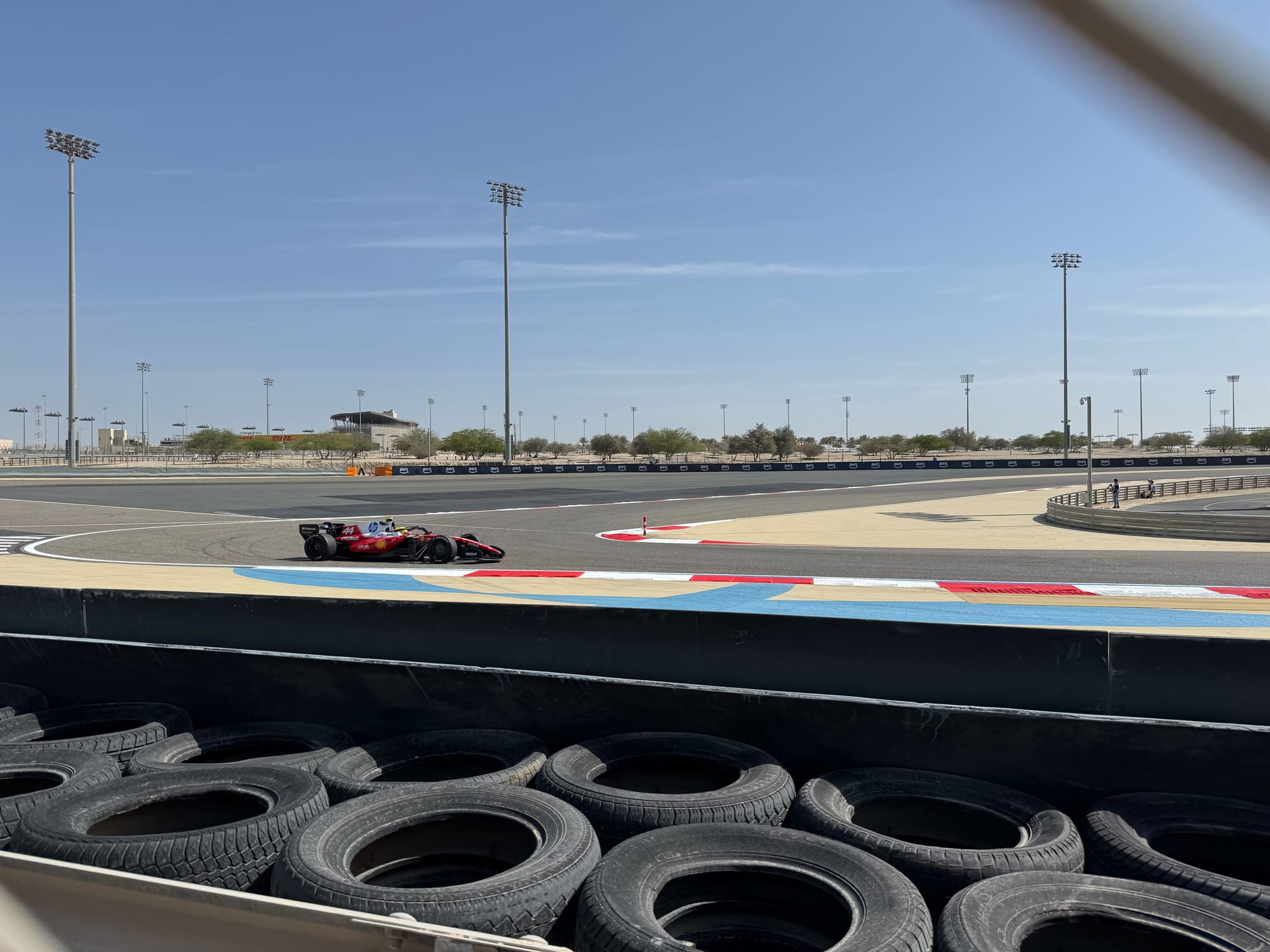
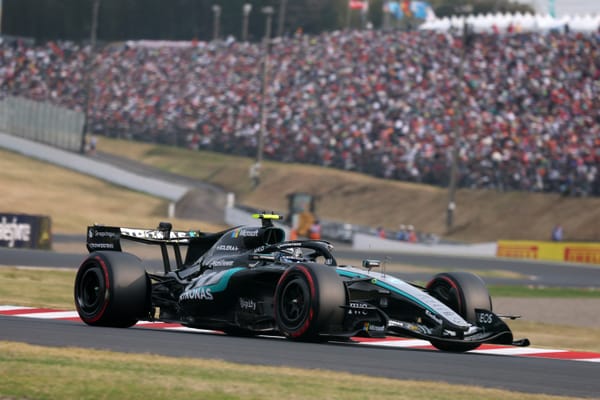
Nobody seemed immune to this although it happened in different ways. Max Verstappen and Lewis Hamilton caught small rear slides into Turn 10 but several had huge lock-ups. Hamilton and Franco Colapinto bailed out of the corner big time on one lap, with the Ferrari driver even turning right (not left) to make use of the run-off area – something Valtteri Bottas then did even more extremely as his Cadillac arrived and triggered a big plume of smoke. Lance Stroll then suffered three lock-ups in four laps in the Aston Martin, running deep every time.
There were many less dramatic moments, though, and it painted a clear picture of cars that are challenging under braking. The reduced grip these cars produce is an obvious factor but it will be interesting to establish how much the energy recovery system is having an impact.
Recharging the battery is a critical component of the new engine rules, and harvesting from the rear axle under braking forms a key part of that. That is very dynamic and the brake balance between the front and rear can change lap to lap - which may be what drivers are having to get used to.
Want more detailed trackside thoughts? Scott has also filmed a first impressions video for The Race Members' Club. If you're not a member, now is the perfect time as you can claim a free 7-day trial here.
Downshifting is also a factor, though. Verstappen and Gabriel Bortoleto went down an extra gear into Turn 10 compared to most, which was causing their cars to squirm a little into the apex (and rev higher/sound louder on throttle before upshifting early).
It all adds up to why the rear of these cars move around so much more, which is definitely different to the previous cars. They looked ugly here. They seemed to take an age from entry to exit and any small moments were nearly impossible to correct.
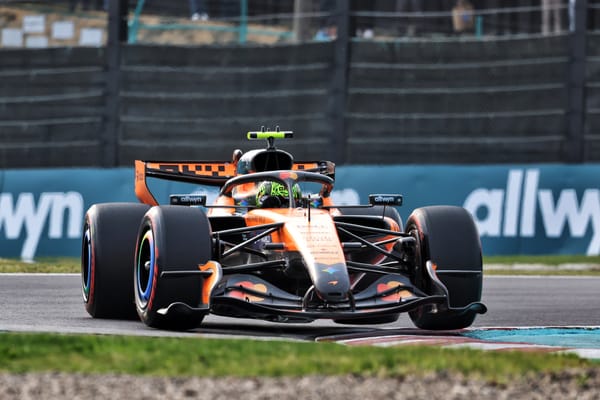
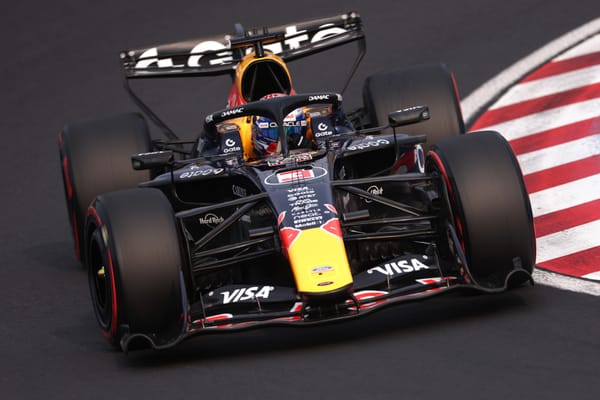
The 2026 cars look a bit more like racing cars. The small reduction in size is surprisingly noticeable - and smaller always looks faster - and they are definitely more responsive to initial steering inputs and move more under braking.
Several drivers caught slides in front of us but the rear moved early in the braking phase, as opposed to before when it would break away mid-corner as the car’s balance shifted more rearward.
It will be interesting to probe the drivers for their perspective on this as it tallies with what some said from Barcelona, that the driver can be a bit more in control of what the car is doing into and through a corner.
Ultimately, slower turns yield the most laptimes, so getting on top of the way this generation behaves in those corners will be critical – especially as that behaviour has to be linked to the way the engines work and what does the best job for them.