Verstappen's rivals start to 'copy' his 2026 technique
The number of Formula 1 drivers trying the technique being mastered early by Max Verstappen and Red Bull increased exponentially on the morning of the second day of testing in Bahrain.
As Williams driver Carlos Sainz said, every team has plenty of data each day in testing, so "we see what the others do, we try and copy".
That's what seems to be happening down at Turn 10, where Verstappen was the main proponent of using an extra downshift to take the corner in first gear on the first day. He was followed by the Audi drivers to a less refined extent, with the majority only using second gear.
This is led by the Red Bull car and engine package, and how it aims to maximise energy recovery to charge the battery under braking. The engine and gearing is presumably designed around facilitating using lower gears and revving higher.
But then the driver needs to be able to maximise it, because even with lower gear ratios there's still a big kick from the rear with that unorthodox downshift to first - which typically is very rarely used across an F1 season outside of a race start.
This is where there was a big difference between what Verstappen and the Audi drivers were doing on Wednesday. The Audi seemed to demand an even more aggressive downshift and rev spike, which was visibly harder to handle and looked messier.
Looking for more insights from our team on the ground at the Bahrain test? The Race Members' Club is the place to find it - join today to start a seven-day free trial
So, there are two parts. Is the car capable of dealing with an extra and aggressive downshift without prompting an immediate locking of the rears and loss of control - and, if it is, can the driver manage the consequences and maximise the effect? Because even if the car and engine copes with the mechanical demand, it still causes a dynamic reaction that drivers have spent most of their careers trying to avoid.
That is where Verstappen's adaptability will be paying off. But there is already an interesting question of whether a team or driver is not downshifting more because they don't need to, or because they can't.
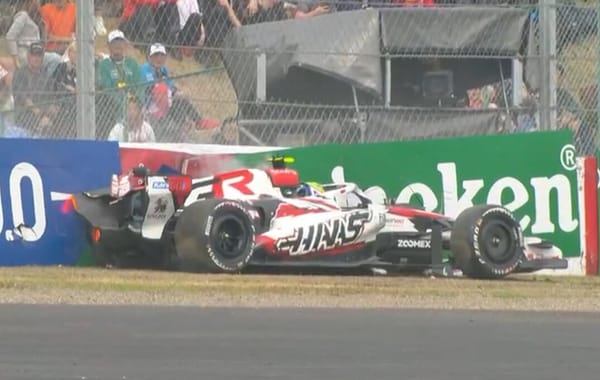
Pushed by The Race on if going as aggressive as Red Bull seems to be able to go on this, would he end up backwards in the runoff area, Sainz said: "It's early days, but obviously when we have a lot of GPS data we see what the others do, we try and copy, we try and check, we try and double-check, we try and triple-check - and if we are not doing everything the same, it's for a reason."
Problems for Red Bull meant we did not get to see that car return to the track - beyond one instal lap - and judge whether its approach remained the same for day two, but viewing nine other cars over the course of two hours made for a clear picture.
A handy comparison was Liam Lawson using the same engine in the Racing Bulls, who did not look as comfortable at all with the rear instability being triggered by the extra downshift. The calmest laps seemed to be with the corner taken in second gear, although this could have still been in first but with the car slowed down more (which allows for a kinder additional downshift).
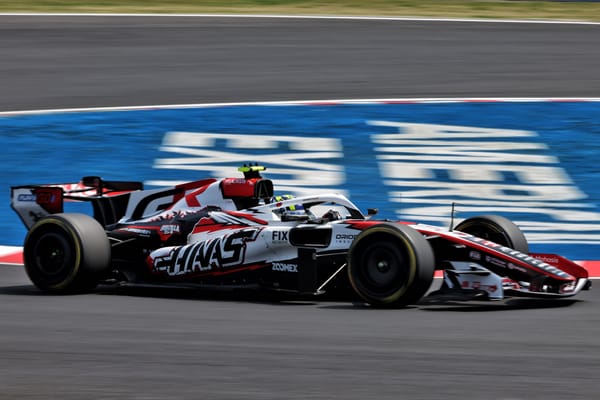
Many other teams and drivers have experimented with the approach to differing degrees, though, including some who will aim to be Verstappen's direct rivals this year.
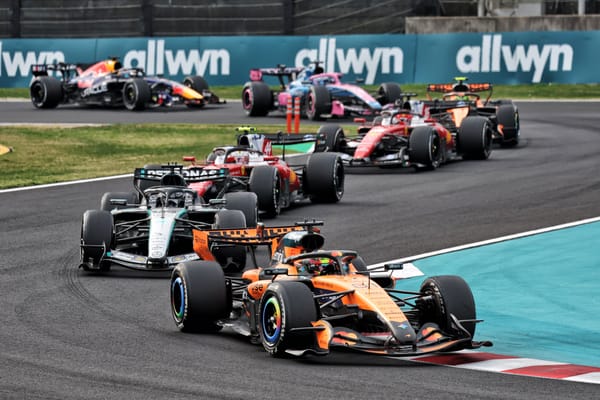
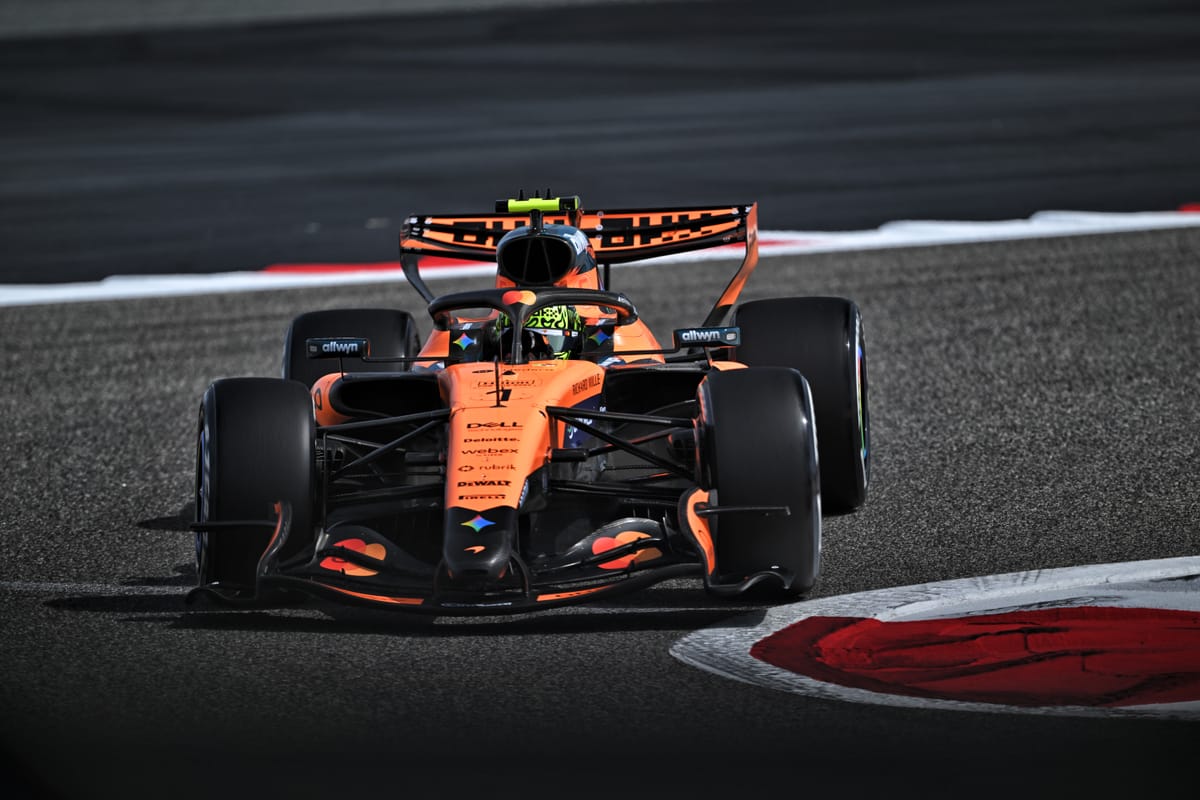
Lando Norris was trying it to what seemed like good success in the McLaren. He did it on some normal laps in succession, but also on push laps where he was visibly arriving with a bit more speed and still downshifted all the way down to first gear.
Norris looked to be dealing with it very well so, dynamically, the McLaren seemed very tidy and capable of doing that. And the same can be said for all the Mercedes-engined cars - which have all tried it on Thursday, with the exception of the works team as the W17 has remained stuck in the garage with an engine problem.
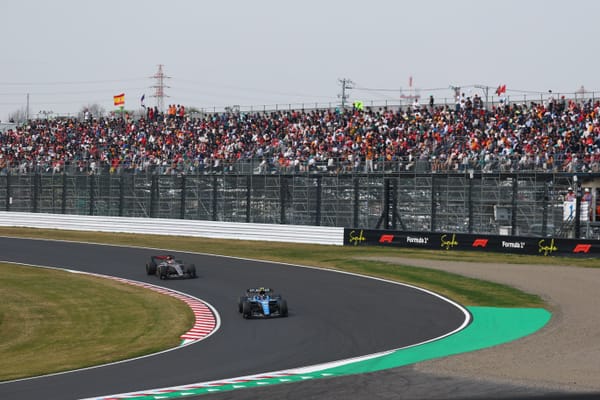
Pierre Gasly has run first gear a lot, perhaps no surprise given Alpine already has experience of this tactic from last year when it had to go quite extreme to charge its insufficient Renault engine. That car does not look as settled as the McLaren but seems on a par with the Williams, in which Alex Albon was also trying the additional downshift.
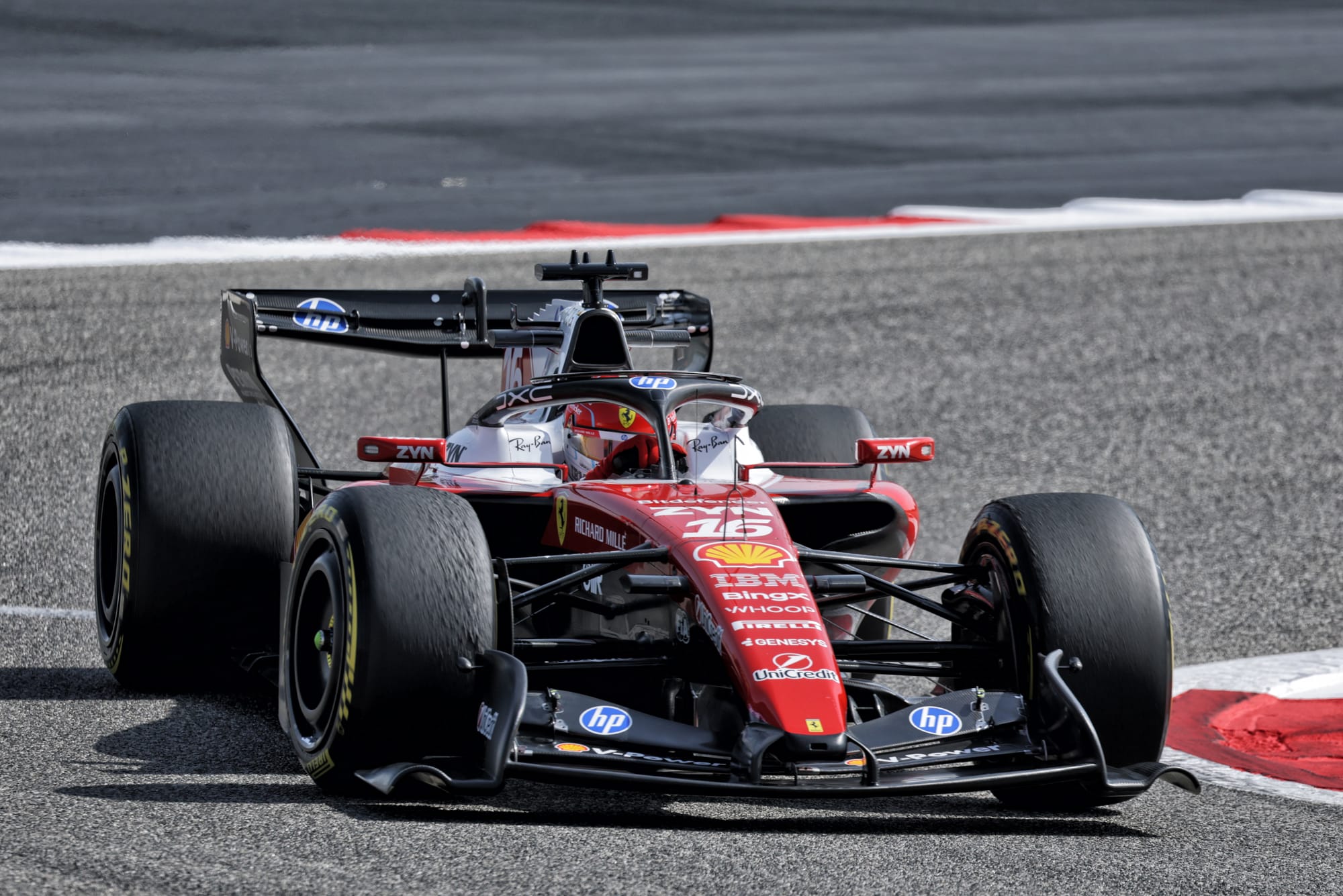
Charles Leclerc tried it at least once in the Ferrari, but didn't seem quite as content and spent most of the time we were trackside in second gear. This goes for the other Ferrari-engined teams as well. Esteban Ocon only tried first gear a couple of times, Sergio Perez stuck to second in the Cadillac.
Teams are going to be running different plans all week long, experimenting. They’re learning so much that one team boss said this morning that every single lap, there’s a lesson to be learned about energy management, the way the car behaves, what could or couldn’t work.
Asked by The Race about more drivers trying first gear, Albon said he was using it at Turn 1, Turn 8 and Turn 10 - and indicated it was always Williams's plan to start driving that way as it believes it is the most beneficial.
"It is unorthodox," he said. "But we practiced it in the sim, so a lot of the winter stuff has been how do you maximise the gearbox, the shifts? How do you reduce the turbo lag? How do you become efficient in your driving style?
"It's almost like by the time you arrive to the track, you're in tune with what needs to be done.
"But second to first, and driving these corners at such high rpm, it does weird things to the car and they're not as refined when you do that. So getting back that refinement is what we're chasing."
These techniques are things that teams would obviously have had in mind already, and likely trialled it at Barcelona already. But it would also be naive to think that their run plans are not dynamic, and some will be reacting to what they’re seeing and learning from others as well as themselves.
That is where Sainz's point about copying what others are doing comes in, and why it seems reasonable to at least ponder if the inspiration has partly come from Verstappen's driving on Wednesday and the suggestions that initial GPS data indicates Red Bull is charging the battery and deploying power at a rate others are struggling to match.
"When the car is telling you to downshift a certain way, as a driver you just do what the car is asking you to do," said Sainz.
"That's why all drivers after we will end up doing maybe 300, 400 laps in Bahrain, we try every kind of technique to try and help the driveability, the performance of the car."