Our verdict on Helmut Marko's Red Bull F1 exit
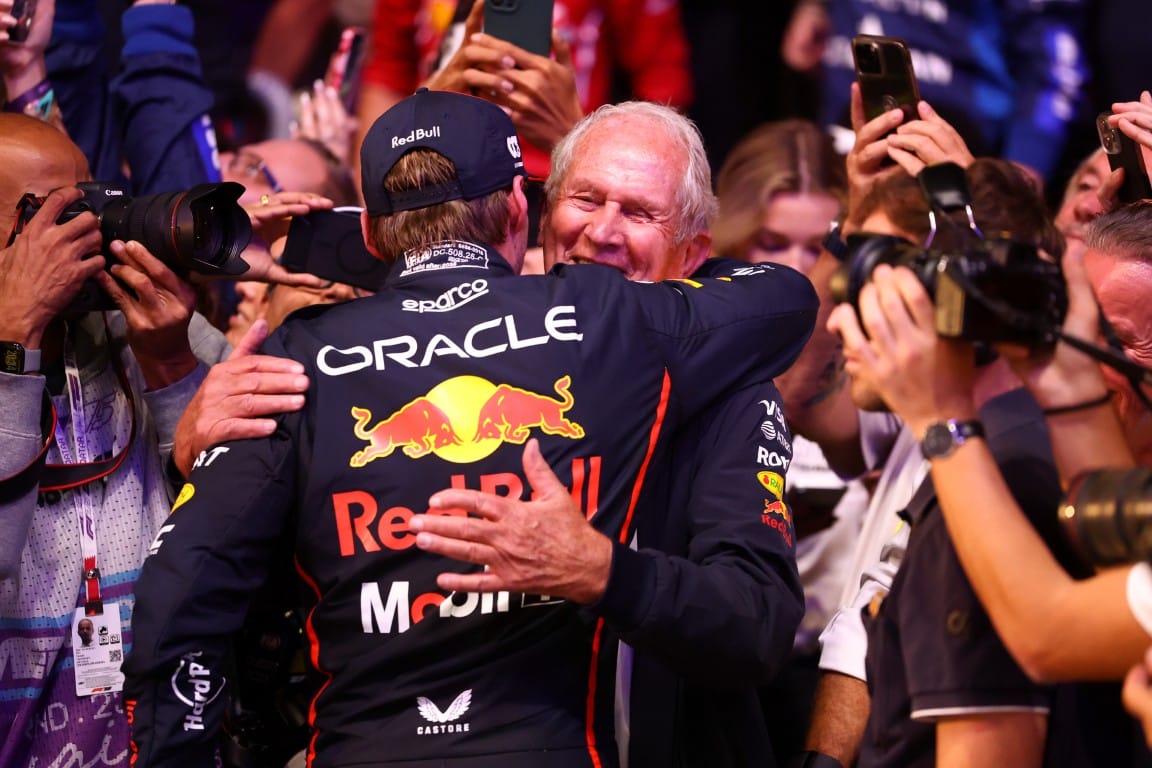
After over 20 years as the face of Red Bull's driver development in Formula 1, Helmut Marko is out.
The exit was announced by Red Bull as Marko's personal decision, though the reality of it is understood to be a lot more nuanced than that.
Regardless, it means another one of the architects behind the energy drink company's F1 juggernaut will no longer be part of its effort.
How will Marko's stint be remembered, and was it the right time for him to move on? Here are our views.
A key figure that no longer gave Red Bull an edge
Edd Straw
While Marko has, through his own fault, been reduced to the status of villain in the public perception in recent years, that doesn’t change the fact he has been a key part of not only the Red Bull F1 story, but that of Red Bull in motorsport as a whole. However, the time is right for him to be moved on.
He’s far out of step with the way not only the F1 world works today, but also the wider responsibilities of such big organisations. That was laid bare, and not for the first time, by his unfounded comments about Kimi Antonelli that led to a social media pile-on after the Qatar Grand Prix. Of course, like so many self-styled ‘straight talkers’, when it came to taking responsibility and fronting up with an apology he hid behind Red Bull. That won’t have escaped the notice of the decision makers at the top of the company.
However, his role in the young driver programme has also felt outdated for some time – you only need to look at the Red Bull driver merry-go-round in F1 to see evidence of that. His high-pressure, sink-or-swim approach that valued stress-testing the mental robustness of drivers to the limit had its time but the world has moved on. That’s still part of the equation, but being too old-school with his approach has put Red Bull at a disadvantage in a domain it once dominated.
That’s because while it was once the big beast of young driver programmes, there are now many rivals scouring the world of karting and single-seater foothills for the next big thing. To succeed in that competitive environment you need a modern, systematic approach to scouting, recruiting and nurturing talent.
Marko will forever remain a key part of Red Bull's motorsport history, but he has clearly not been part of its future for some time now.
The successes speak for themselves
Gary Anderson
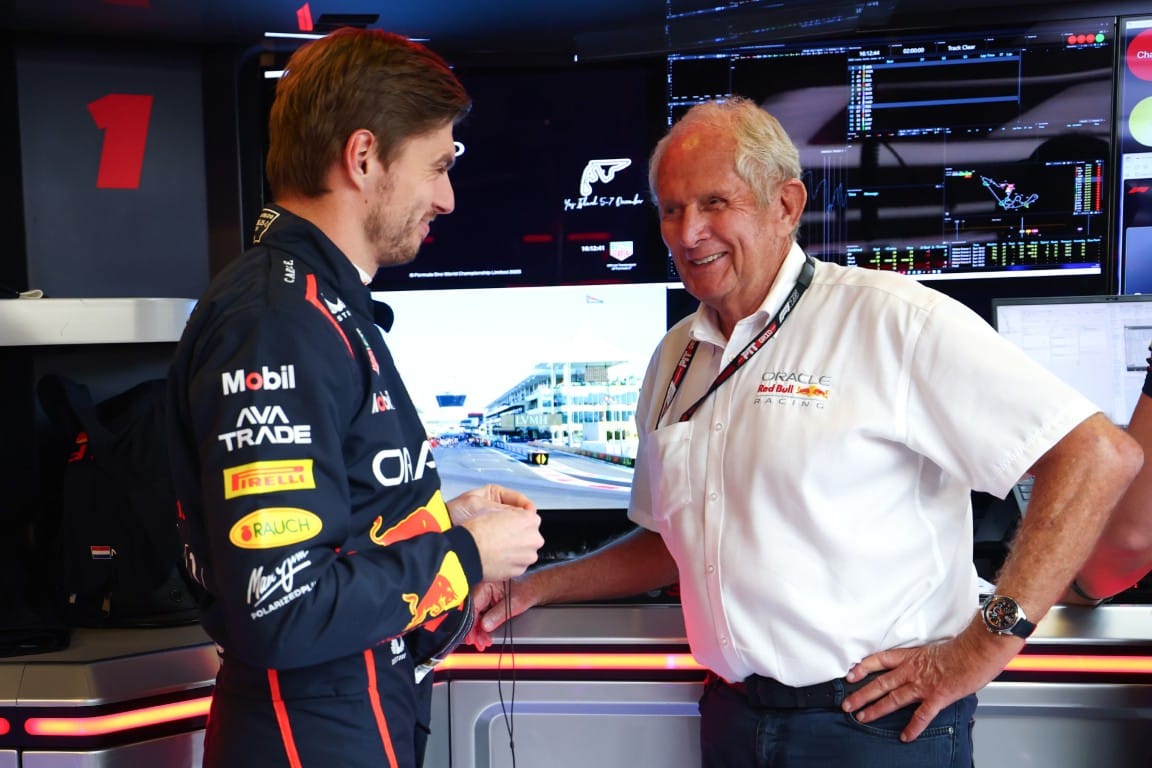
Love him or hate him Marko gave a lot of drivers a chance to step up through the various formulae and end up in F1. Some succeeded and some didn't but through his commitment and dedication they had an opportunity - from there on in it was down to them.
I suppose he will be best remembered for Sebastian Vettel and Max Verstappen, both of them going on to win four drivers' world championships each which over a 15 year span between 2010 and 2025. That's 53% hit rate - not many talent spotters can come close to that.
He was abrupt, harsh, didn't mince his words and critical when things didn't work out as he thought they should, but it’s a tough world out there - so in reality that’s no bad thing. At least it lets you know very early in you career what is expected of you - as the old saying goes, ‘if you can’t stand the heat of the fire, get out of the kitchen’.
Formula 1 wouldn’t be what it is today if it wasn’t for the late Dietrich Mateschitz and Marko. Between them they showed what was possible if you had the commitment and willing to spend the money to live the dream - as opposed to just dreaming about it.
The Verstappen question is very important
Scott Mitchell-Malm
I'm very curious to understand what the background with the Verstappen camp is on this.
Marko was very, very closely aligned with them for so long to the point that Max effectively threatened to leave Red Bull if Marko was ousted.
You might think that this is totally different given the terminology in the Red Bull release. Marko just wants to walk off into the sunset and have a nice retirement, right? Marko's 82, so he's well within his rights to want to slow down after all.
It's not quite like that. It's not his choice. If he had the influence and the autonomy he wanted and was used to for so long, it's hard to see Marko just leaving.
He's been ousted, one way or another. And this time the Verstappens couldn't or wouldn't stop it.
Does that mean, like was hinted or threatened 18 months ago, that Verstappen's a step closer to leaving, too? Or as with Christian Horner being pushed out in the summer, will Verstappen go with the flow?
That depends on what other machinations are at play and what alliances, uneasy or otherwise, have been struck in the last few months as Red Bull's foundations have shifted so significantly.
It was just harder than before
Ben Anderson
Setting aside the fact Marko is a cultural dinosaur who is probably well overdue his retirement pasture, he also takes a lot of heat for Red Bull’s recent calamities in the junior driver sphere.
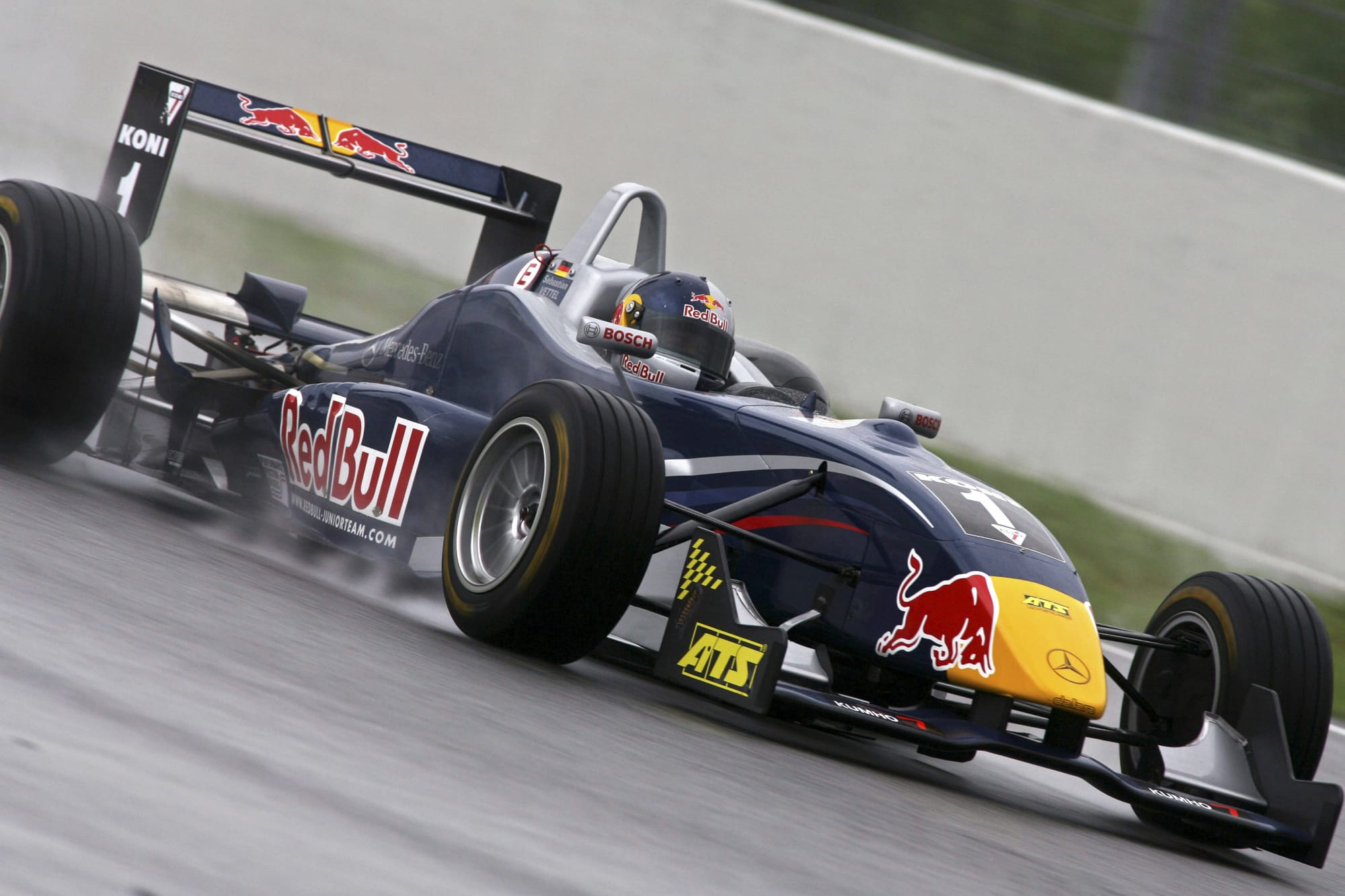
But this is not so easy as he and Red Bull once made it look. They prised Sebastian Vettel from BMW’s clutches, of course, Daniel Ricciardo was a pretty good follow-up act, and then they found their true unicorn in Max Verstappen.
It was obvious to many people how talented Max was, the key there (as ever) was Red Bull and Marko leveraging their unique position as an organisation running two teams in F1.
It meant they could always afford to be a bit more slapdash and sink-or-swim in their approach: Just plug in the next guy if this one can’t cut it.
No other team has really come close to wielding such power and influence in F1’s driver market. Probably the closest approximation we’ve had to that is Haas running Ollie Bearman for Ferrari, Williams doing similar for Mercedes with George Russell, Force India with Esteban Ocon, and the Alfa Romeo leverage Ferrari once had over Sauber.
Nearly every F1 team, and certainly the biggest ones, have proper junior driver schemes now. But even so, once they find a real diamond, it becomes very difficult for anyone to match up to that.
No one has been able to follow Verstappen at Red Bull. He was too good for Carlos Sainz, Ricciardo, Pierre Gasly, Alex Albon, Sergio Perez, Liam Lawson and Yuki Tsunoda. None of them are bad drivers.
Will Ferrari find someone as good as Charles Leclerc? Maybe Bearman is that guy, but it’s been a long time coming. Plenty of drivers on the FDA have gone nowhere, but that programme doesn’t get nearly the same heat Red Bull’s does.
After missing out on signing Verstappen, it’s taken the Mercedes junior programme the best part of a decade to come up with a proper F1 calibre pairing in Russell and Kimi Antonelli. Though it can of course chalk up Ocon as a more minor success story for the programme, too.
McLaren’s own scheme has been through literal death and rebirth since Lewis Hamilton’s meteoric rise. New world champion Lando Norris and Sauber rookie Gabriel Bortoleto are fresh success stories, but that’s about it for F1 (Stoffel Vandoorne’s two seasons could hardly be called successful). Oscar Piastri was nabbed from a rival’s scheme anyway.
And it would be stretching a point to say Franco Colapinto and Logan Sargeant were success stories for Williams in this context. That team owes its current line-up of Sainz and Albon to Red Bull!
It’s not easy to get this right. If it were then the likes of 44-year-old Fernando Alonso would not still be on the grid leading a manufacturer team and beating much younger drivers than him most weekends.
It’s all so wildly unpredictable until you actually get them into F1 and find out for sure, as Red Bull’s latest success story, Isack Hadjar, proves. Twelve months ago he was basically getting promoted to F1 by default, not because Red Bull particularly believed in him!
As much as it’s fun to criticise all the bizarre, on-a-whim calls, and the various flops, Marko’s legacy here will be largely one of success, certainly for F1 drivers more widely.
More than a quarter of the 2026 grid made it to F1 in Red Bull colours. It’s said all political careers end in failure, and some of Marko’s behaviours merit the seriously bad reviews he will no doubt receive, but overall he and Red Bull still has a junior driver legacy to be proud of.
An F1 revolutionary for better and worse
Matt Beer
There's a lot about Marko's methods and how he conducted himself that I wasn't a fan of, but over the balance of his time at Red Bull you can't deny how effective he was overall or how the system created under his leadership revolutionised the way F1 teams discovered talent and how fast they accelerated it towards F1.
The sheer scale of Red Bull junior recruitment meant there were bound to be plenty of misses as well as hits, plus other teams catching on to the value of a deep junior programme and Red Bull's top seat F1 being occupied by an all-time great inevitably meant Red Bull didn't have the pick of young drivers in recent years in the same way it once could.
Were some drivers' careers and reputations damaged by Marko along the way? Definitely. But while there were certainly mishandled situations and harsh judgements, the guiding principle of 'if they're good enough, they'll handle what they're dropped into' ultimately paid off with eight Red Bull world championships between two drivers the Marko-led scheme picked the right moment to fully commit to.
It's really hard to imagine another Marko-style character or role in an F1 team in the future. His existence slightly detached from the team yet enormously influential over it had no parallels in the paddock and isn't a model any other team owner is likely to want to replicate.
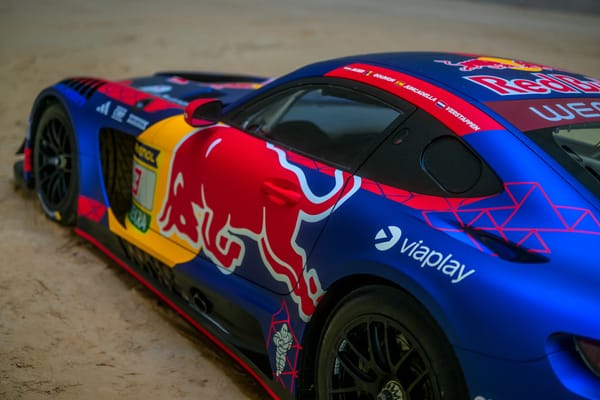
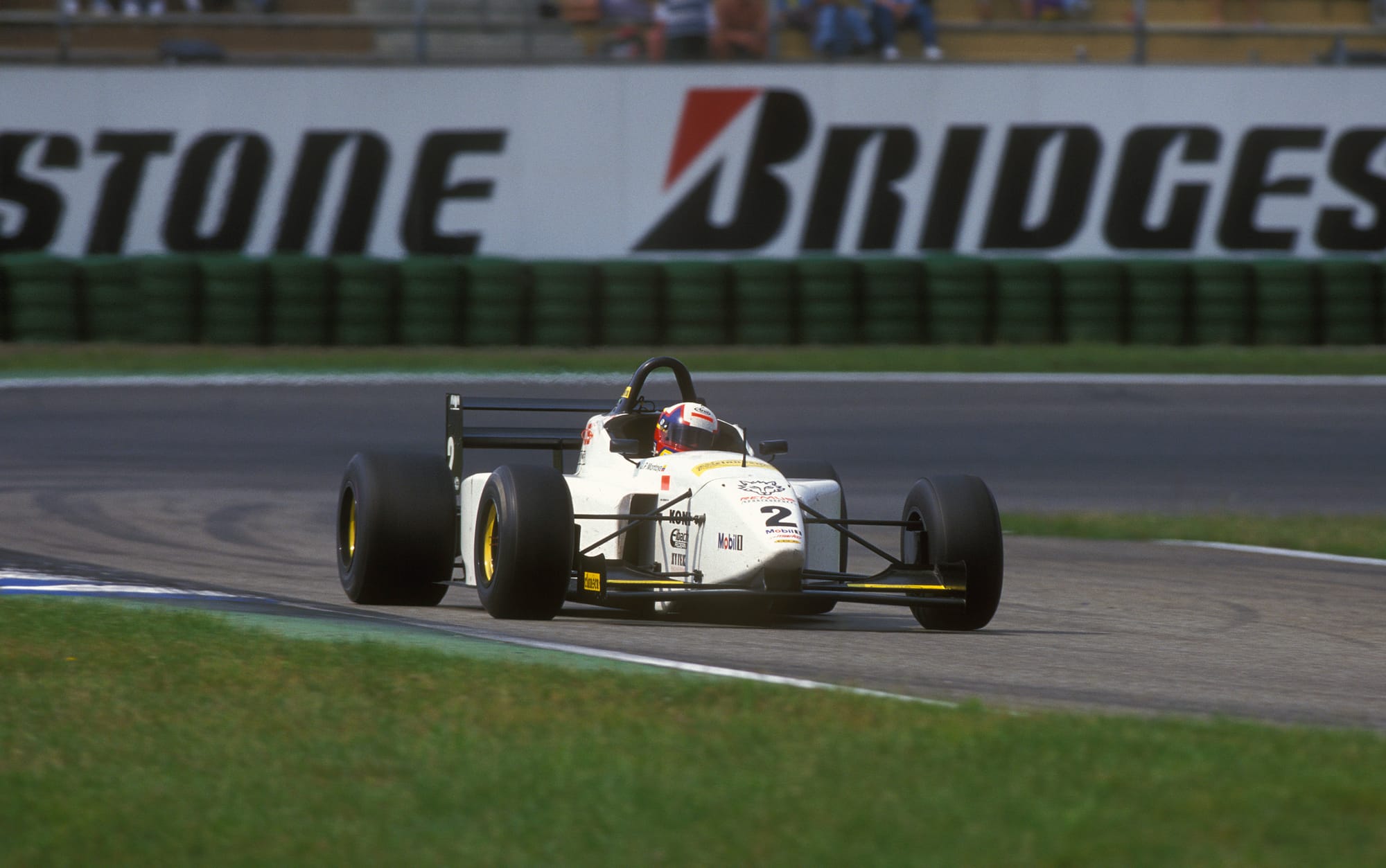
And for all the times I cringed at things Marko said or did, I'm also still nostalgic for a bit of important Marko history that predated Red Bull: Juan Pablo Montoya's wildly entertaining and ultimately futile Formula 3000 title bid as a rookie in 1997 for Marko's RSM Marko team (pictured above). That's a fiery partnership it would have been fun to see in F1, even if it might not have lasted long.