Gary Anderson: What's making F1 starts so much more complicated
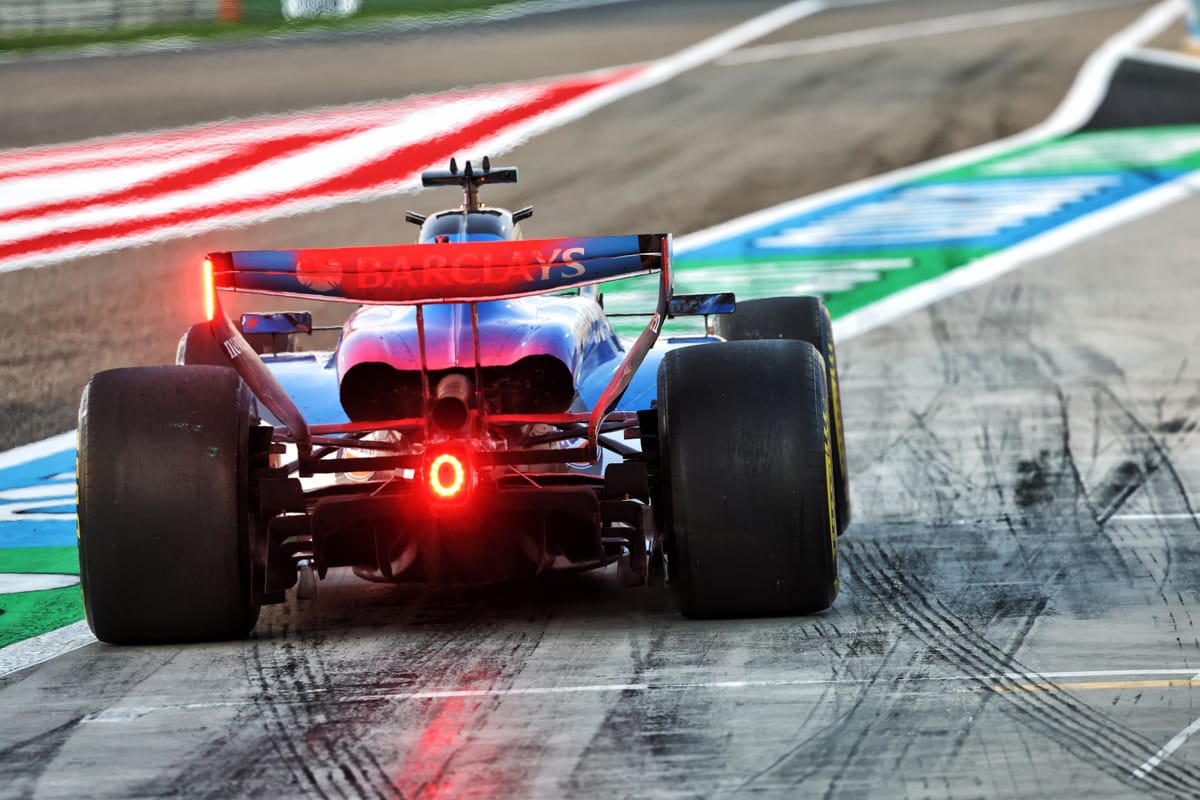
The luxury of using the MGU-H to get the turbo up to speed has gone with the 2026 Formula 1 cars, which has implications not only for corner exit performance but also on the starting grid.
The volume of exhaust gas is what gets the turbo up to speed, so that requires a reasonably high engine rpm. To get it fairly stable at that rpm will take a little time, meaning grid start preparation will be just that bit more stressful this year.
As the engine increases in rpm it builds up exhaust gas flow, but that is working against the boost pressure so for everything to get to a certain rpm and stabilise takes time. This will also be dependent on the actual turbo size and the relationship between the turbine and compressor capacity.
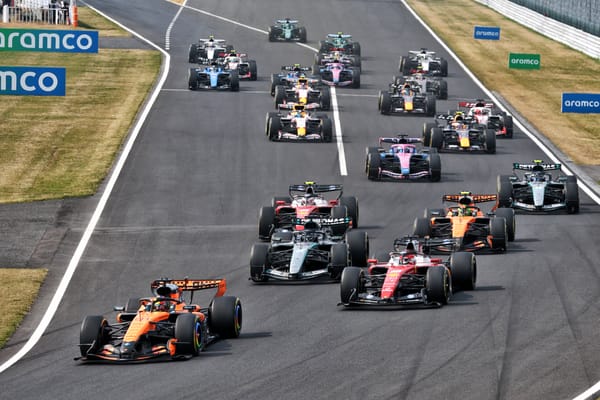
However, that is not the part that is going to be difficult - it’s what happens next. If you let the clutch out at that rpm, you will just get loads of wheelspin. This means it's going to be down to reducing the throttle position as the lights come on. The big question is, at which light do you back off the throttle position?
The clutch engagement time is defined. It's just as the five lights go out. But being in the correct rpm window to give you enough torque to not go into anti-stall and not enough torque to instigate excessive wheelspin will be critical.
You also need to back off the throttle late enough to maintain most of that turbo speed so that once you have successfully completed your launch with minimum wheelspin you can get back on the throttle with as much torque as the V6 turbo engine can give you. You then wait until you get the next kick of torque when the electrical torque kicks in at 50km/h (31mph), which is the speed you need to get to before you can deploy it.
There's even more analysis like this of the 2026 F1 cars in The Race Members' Club. Join today to start your seven-day free trial
If you were sizing your turbo just for grid starts you would go for a smaller turbo working near the rpm limit. That would also be good for Monaco but for the more power-sensitive circuits such as Monza or Baku you would want to go in the other direction. These decisions come from trillions of simulation studies.
The power unit manufacturers will know exactly how long it takes their turbos to get to an efficient rpm. The limit is 150,000rpm, but it shouldn't need to be there for this sort of start sequence. However, I wouldn't be surprised if we were talking 100,000rpm.
What we are really talking about here is turbo lag. It is why drivers are also using higher engine rpm on the circuit. Yes, it helps harvest electrical power as the higher the engine rpm, the faster the MGU-K is rotating, so the more power it is putting into the battery pack.
There is a fairly simple cure for this problem. If you had an electrical motor on the turbo you could spin it up as required to reduce turbo lag both coming out of the corner and on the grid. If you were very clever you could hold the turbo at near its maximum rpm again using that electrical motor in reverse and use it to recharge the battery pack. But that might be too complicated even for today's high-tech F1.