Five first impressions of F1's new Madring circuit

The new Madring circuit that hosts this weekend’s Spanish Grand Prix is Formula 1’s first new circuit since Las Vegas in 2023.
While officially also a street circuit, as it runs around the IFEMA Exhibition Centre space near Madrid's main airport, half of it is more like a permanent venue as it winds its way towards the iconic La Monumental banked turn.
The elevation change is impressive too - with an 8% gradient uphill from Turn 7 to Turn 8 alone - looking even more spectacular in real life than it probably does in photos.
While drivers still have another 24 hours to go before they take to the track proper, some clear first impressions have emerged that show why F1 is bracing itself for what could be a challenging weekend.
La Monumental is stunning
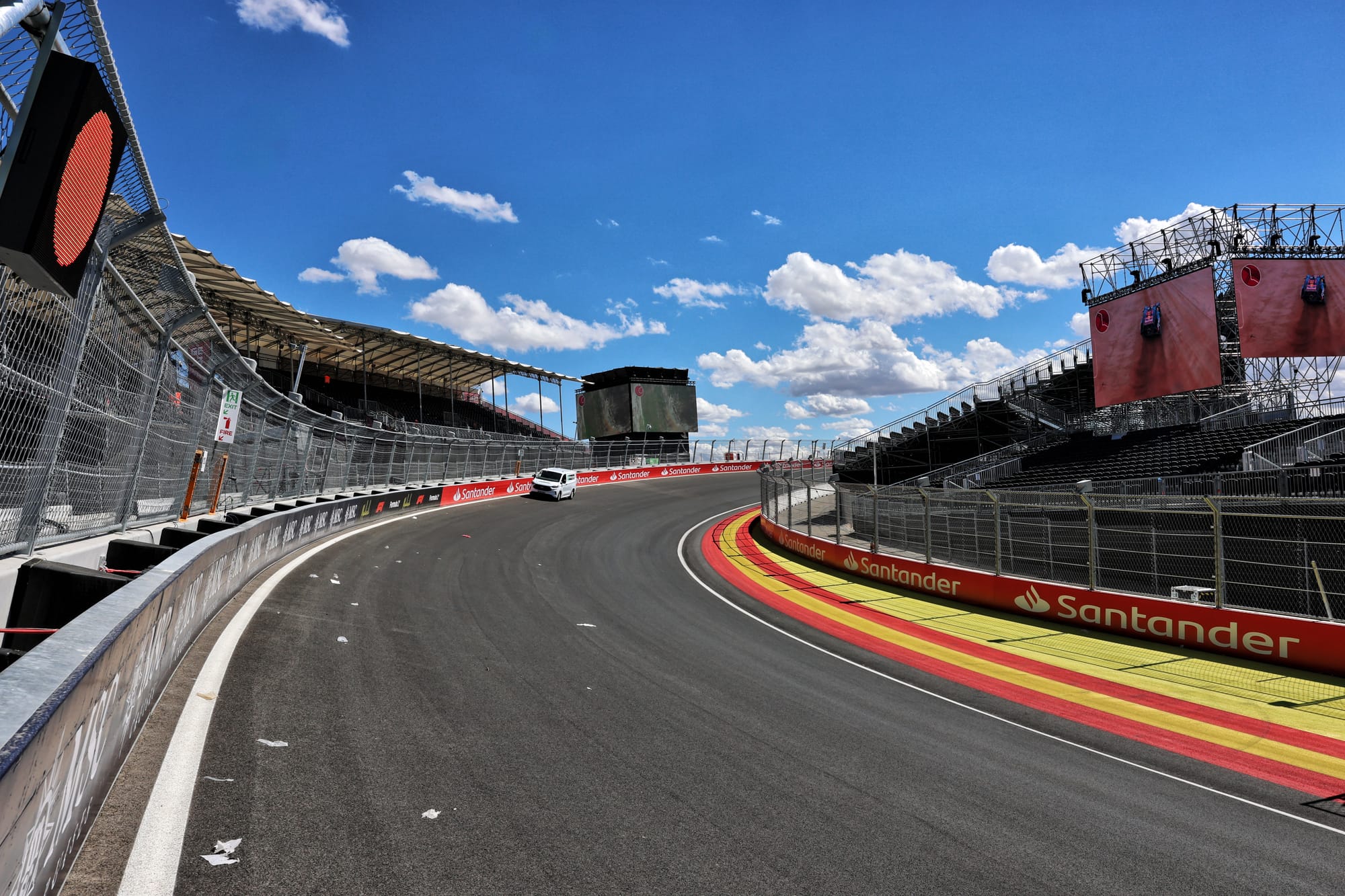
The most talked about corner at the Madring is of course the banked corner at La Monumental.
It has grabbed attention ever since the first designs of the track were revealed, and drivers, teams and tyre supplier Pirelli have talked openly about it being the most technically demanding of the season.
It looked impressive when under construction but, with track work now complete around the 550-metre-long turn, it looks even more stunning now.
With grandstands towering high above it, and a huge hospitality area having been constructed on the inside, there is something akin to an amphitheatre feel to it that is reminiscent of the intensity of the start-finish straight at Interlagos.
Now the key thing to understand is whether there are multiple racing lines on offer through there that could make it even better.
Turn 5 could be the trouble point
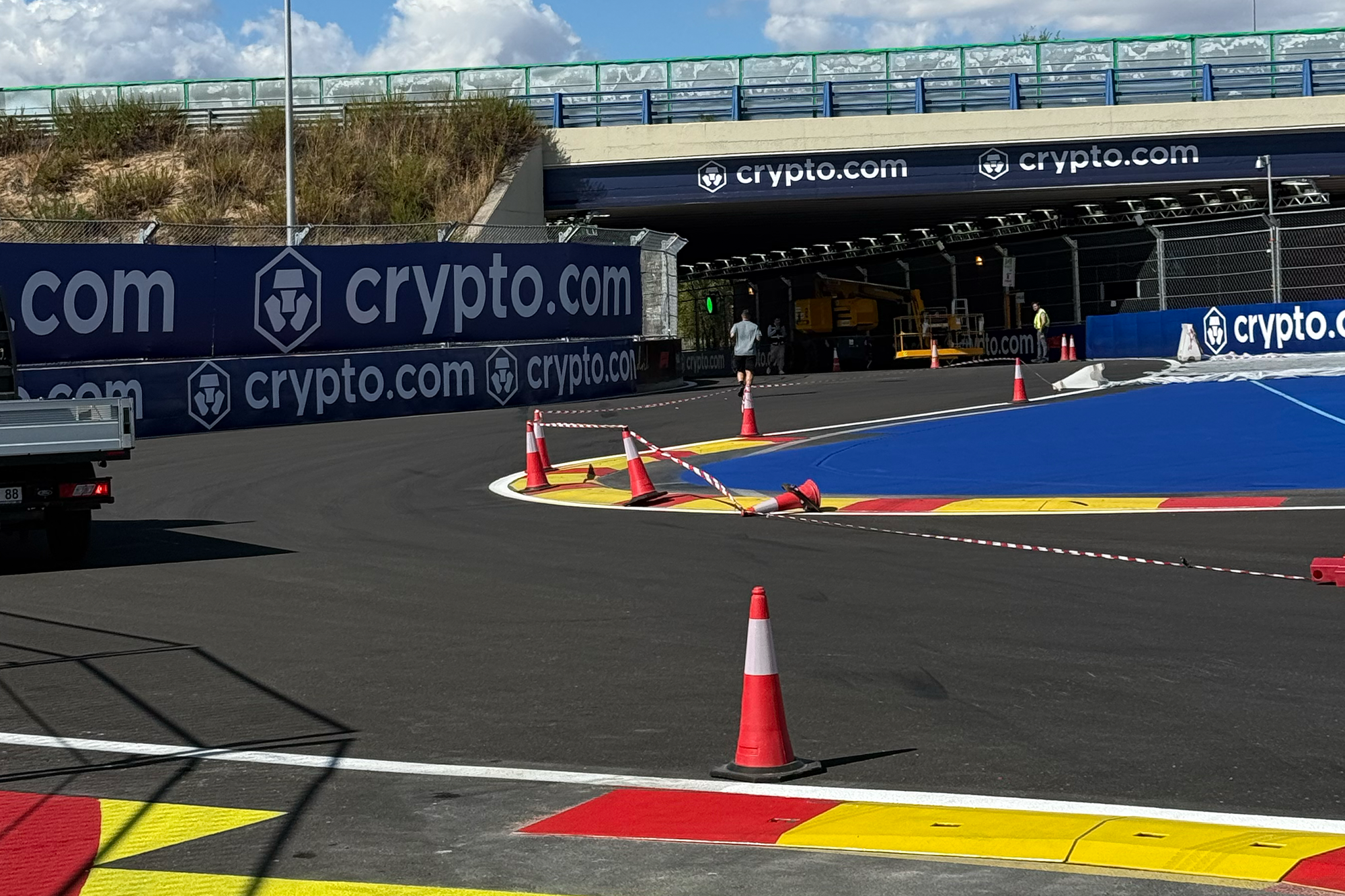
There are plenty of places around Madring that have potential to catch drivers out.
There is La Monumental, plus the Turn 17 right-hander, where drivers have to brake heavily while navigating a quick left sweep beforehand, is going to be quite a handful.
But based on evidence from F3 testing, and proven by the tyre marks still left on the track, it is the Turn 5/6 chicane that could be the main trouble point.
Coming at the end of the quickest point of the track – the long sweeping section from Turn 3 – drivers have to negotiate a quite tricky chicane.
The kerbs will require treating with caution, but it is the angle of the barrier on the exit – which offers a pinch point – that could well be what catches a lot of people out.
Track surface is silky smooth
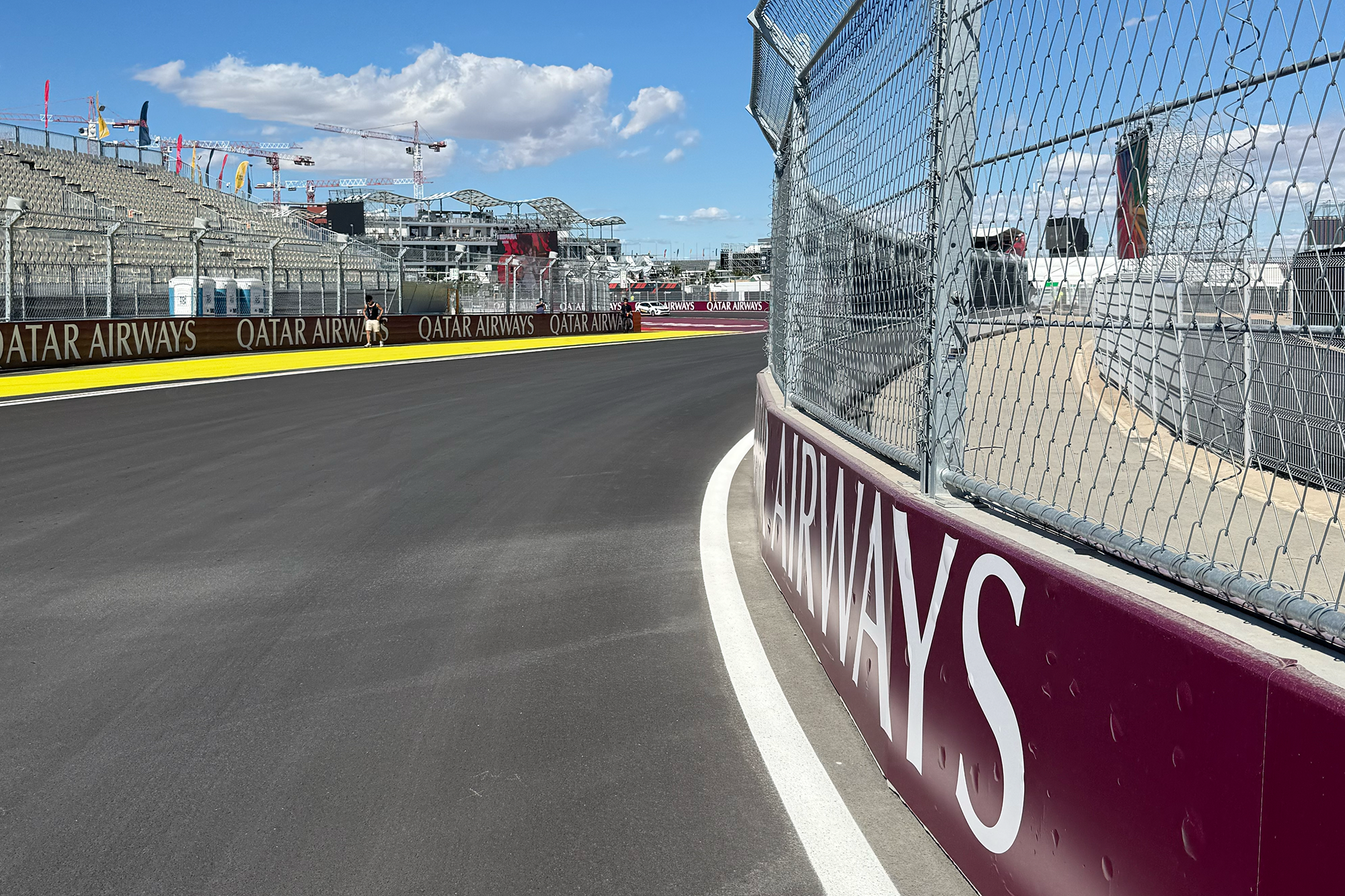
While street circuits have had a habit in the past of throwing up problems with bumpy surfaces, Madring is super smooth.
A walk around the track has shown that the asphalt put down should pose few problems for cars in needing to raise ride heights to adjust from some unexpected undulations.
In terms of track limits, the walls form a natural edge to the circuit in a lot of places, but there are some spots where painted kerbs have been put in to keep drivers away from the concrete.
To help give drivers some guidance to stay within the white lines, the FIA has used little painted rib lines that are utilised at places like Jeddah, Miami and Austin to help assist.
The paddock is bonkers big
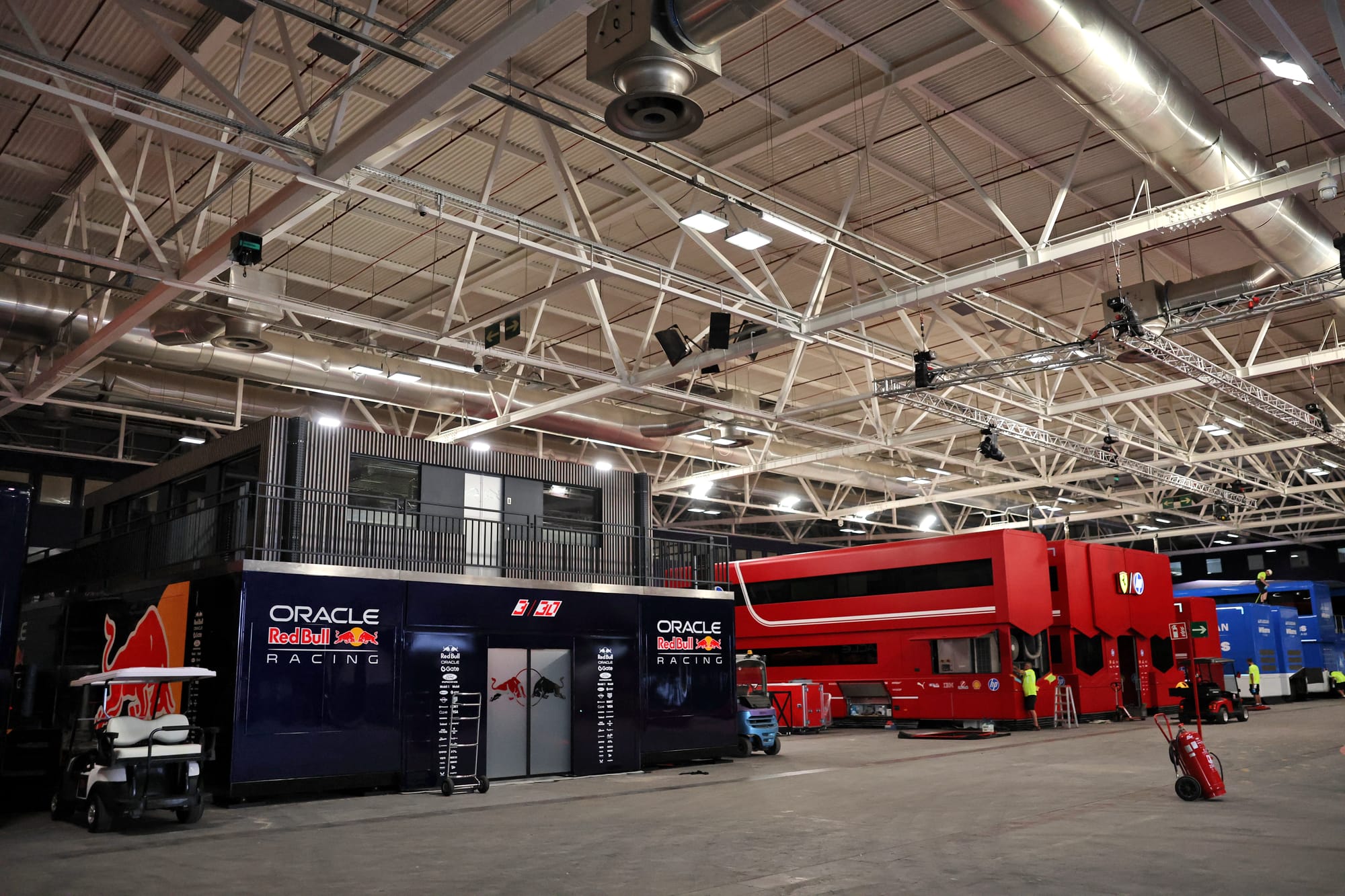
One of the adventures everyone arriving at Madring has faced is trying to get their bearings around the F1 paddock – because it is bonkers big.
The garages have had to be fitted into the IFEMA exhibition centre complex and that has meant a unique layout.
Rather than being one long line of garages next to each other, there is a 150-metre gap in the middle between Williams and Racing Bulls – where the media and TV pen has been slotted in.
There is also quite a unique situation behind the garages too, where the trucks and engineering offices are based. (The hospitality units have their own separate area).
Because of the layout of the IFEMA complex, some teams have been slotted into air-conditioned buildings, while others – like McLaren and Mercedes – are outside in the heat.
There are also some unusual gaps between teams. Walking between Williams and Racing Bulls, who are normally right next to each in the paddock, takes more than two minutes.
The pitlane is long and the exit is tricky
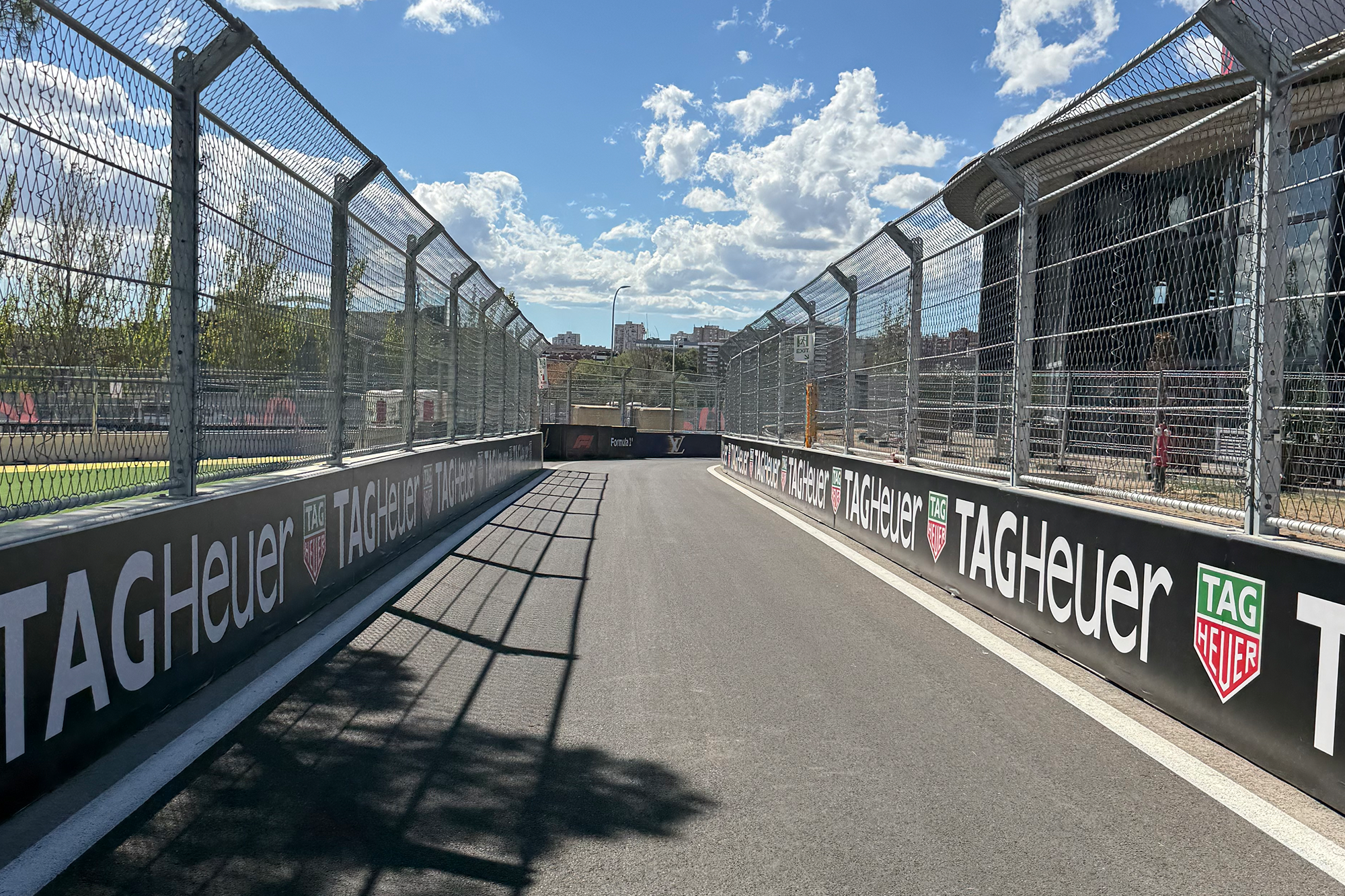
Thanks to the extended pit garage complex layout, the pitlane is long – very, very long.
The official distance of the pitlane between the two speed limiter lines is 562 metres.
There is quite a bit of extra distance on the way out too – which is going to be quite tricky to negotiate as cars are going to accelerate towards a right-hand concrete barrier before they blend in at the exit of Turn 3.
F1 tyre supplier Pirelli estimates that the time loss will be around 25 seconds – helped in part by the pitlane not rejoining at the first turn but instead coming out at Turn 3.