Five consequences of F1's double race cancellation
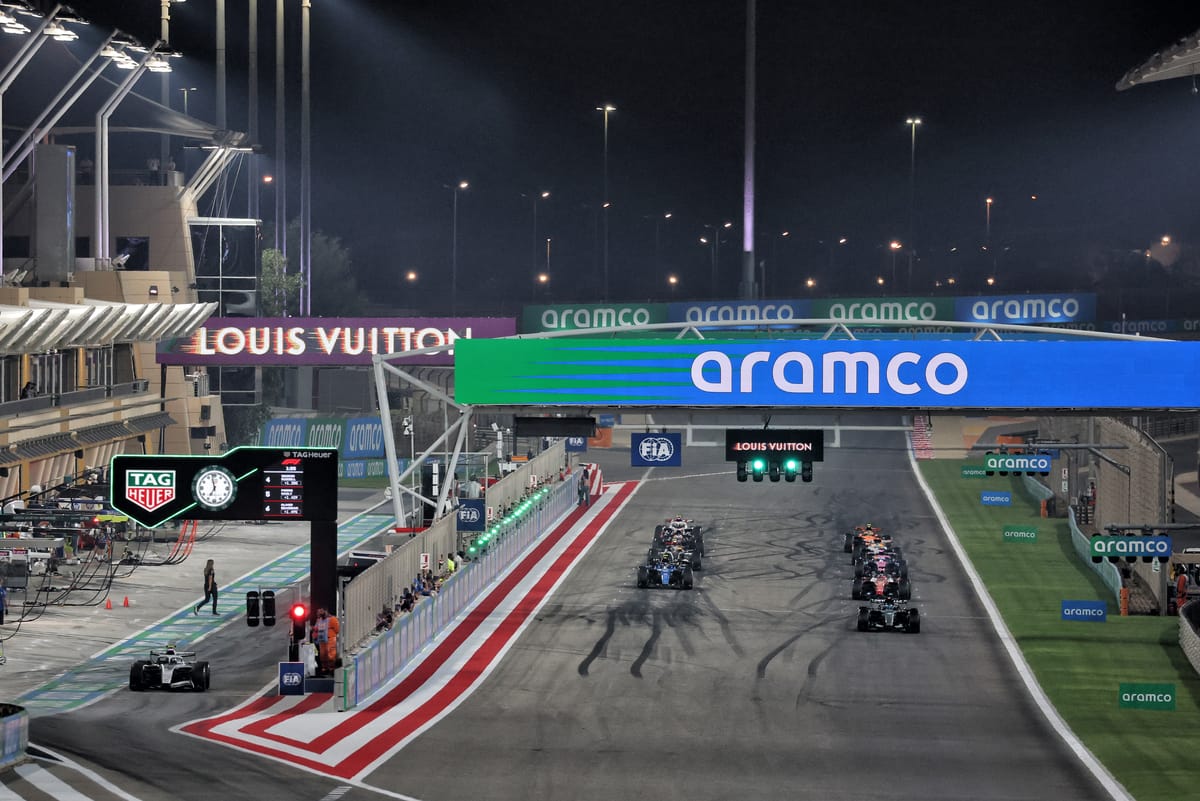
The imminent cancellation of Formula 1's Bahrain and Saudi Grands Prix - with formal confirmation expected this weekend - has triggered an unusual break in the 2026 schedule.
F1 has waited as long as it could to see if developments in the Iran war would transpire to open up a door for the races to continue, but with no de-escalation of tensions in the Middle East that has not been possible.
The loss of two races is not without consequences for F1 and the teams – with it impacting logistics, money and regulations.
Reduced calendar with no replacements
Losing the Bahrain and Saudi races will mean 33 days of no track action between the Japanese GP on March 29 and the first day of track action in Miami ahead of its race on May 3.
There is also another element that the existing three-week gap that follows between Miami and Canada means there is just one race in seven weeks.
Though F1 has pushed hard to expand its calendar to feature as many races as possible, it will not slot in replacements for Bahrain and Saudi.
At first glance this appears to go counter to what F1 did during the COVID pandemic, when series bosses led the way for global sport in pulling a schedule of 17 races together.
But circumstances and motivations at play are different now.
Back in COVID times, when the world was shut down, F1 needed to get a calendar together to fulfil the minimum number of events that it had guaranteed as part of its big-money TV deals.
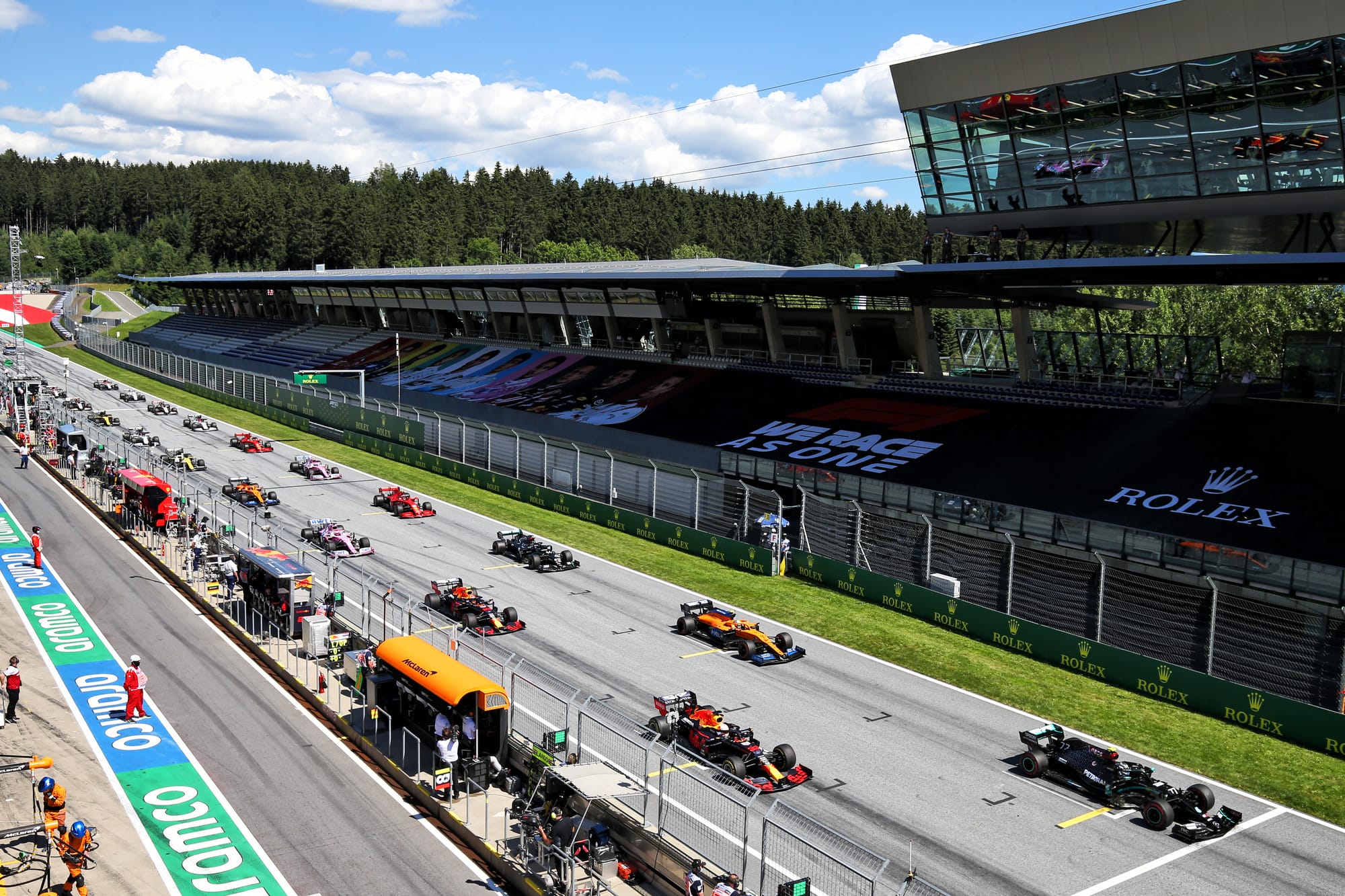
This time around, with another 22 events already confirmed for 2026, the TV contracts will be fulfilled – so there is no financial need to put replacement events on.
F1 did consider hosting races at alternative venues to fill the gap, with Imola, Portimao and Istanbul all considered – as was a potential double-header in Japan.
The Japan idea was canned because it was felt to be too much to keep travelling personnel away from home for another week after the Australia-China-Japan trip.
And while it would have been logistically possible (albeit difficult) to get events running in Europe, the upside was not great.
The race hosting fees would have been minimal – if anything at all – so the races would not have added much to the bottom line for F1 or the teams.
Any losses that the teams will face from the overall drop in commercial rights income will at least be partially offset by slightly reduced expenses for skipping two races.
In the end, it was agreed that if Bahrain and Saudi did not go ahead, then F1 would simply down tools for an extended break.
Although such a gap could have been an ideal opportunity to host a test for teams wanting to understand more about the 2026 cars, it is understood this has not been considered.
The money hit
The loss of two races that contribute pretty decent race hosting fees – estimated to be as much as $100million combined – will be felt by all stakeholders in F1.
From the perspective of teams, based on them taking around half of F1's overall profits as prize money, this will mean a loss of several million dollars each.
Speaking at the Australian Grand Prix, Haas boss Ayao Komatsu said that the financial impact had not been fully calculated but would not be something that could be ignored.
"Even in the best case, it's not negligible," he said. "The worst case, I wouldn't say a significant impact, but a notable impact."
While any prize money loss is not ideal for teams, some of this income will be offset by reduced costs for not having to race in those two events.
There will be reduced travel expenses for any money that can be refunded, and there will be fewer operating costs for the two grands prix weekends.
This will have an impact in terms of reduced mileage for power units and the reduced need for spare parts.
Car upgrade chance
The removal of the races in Bahrain and Saudi is going to have an impact on the 2026 upgrade plans for teams – and will be seized upon as an opportunity for many.
As the uncertainty over the impact of the Iran war emerged at the Australian Grand Prix, many teams had been holding fire on committing to decisions about green-lighting the manufacture of new components until they were sure about the schedule.
After all, there was no point rushing through a new part to be ready for a Bahrain race that does not happen, to then lose the opportunity to have produced it with two more weeks' development work.
The four-week gap in the calendar will now give teams a very clear target of the Miami Grand Prix on May 3 to focus on their next development steps.
This can be in terms of aerodynamic upgrades, which a number of squads are working on, or weight-saving – which is something that Williams for example is heavily focused on.
There will also be more time to work on engine management tactics and understanding.
For F1 teams that are so good in overcoming challenges, the complications triggered by the loss of two races will not be anything that will stress them massively.
Audi team principal Jonathan Wheatley said: "One of the biggest sides of the business is the logistics side to it.
"It's not just parts but also people moving it around the world. Teams are so good at that. It's just a bump in the road.
"If something were to happen in that respect, you would just deal with it. I don't see any real issues, to be honest."
Engine development impact
The loss of the races in Bahrain and Saudi Arabia has other implications in regulations that are related to the calendar.
While some elements of the rules are based on dates - such as the aerodynamic testing restrictions that offer a sliding scale of windtunnel development for teams - others are linked to specific race numbers.
One of these is F1's new Additional Development and Upgrade Opportunities (ADUO) for power units, which currently comes into force after races six, 12, 18 and 24 to offer a chance for those manufacturers who are behind to bring engine improvements.
This had been based on splitting the year up into four equal chunks, but these numbers will now be impacted by losing two events.
So what should have in theory been a chance to bring an improved engine for after race six – the Miami Grand Prix in May – would now in theory mean not coming until after the Monaco Grand Prix on June 7.
This would not be ideal for any manufacturers wanting to rapidly close the gap to the frontrunners.
The Race understands that discussions are going on within the FIA about this potential complication, with it likely that a tweak will be made to the timing so the first chance to trigger additional development stays around the Miami event.
The overriding principal is set to remain splitting the season up into equal segments, so this could mean implementing some set calendar dates in the rules or simply shifting the race numbers to bring everything forward.
One engine element that will not be changing is the June 1 date for new compression ratio checks to come in.
Losing Bahrain and Saudi means that any squad taking advantage in this area will lose two events operating to the previous checks.
A welcome break
After what was one of the most brutal winters for teams – with a late finish to the 2025 campaign and an early start to 2026 testing – a four-week break will be welcome for travelling staff.
Due to the challenges of getting the current cars ready over the winter, many staff only got the mandatory Christmas week off and have been flat out ever since.
So while the April break will not be like the summer or winter, when factories are shut down under regulatory restrictions, there should at least be an opportunity for some personnel to get some down time before racing resumes in Miami.
Few team personnel will be unhappy about getting their feet up for a little bit and not being on the road so much.