

Up Next

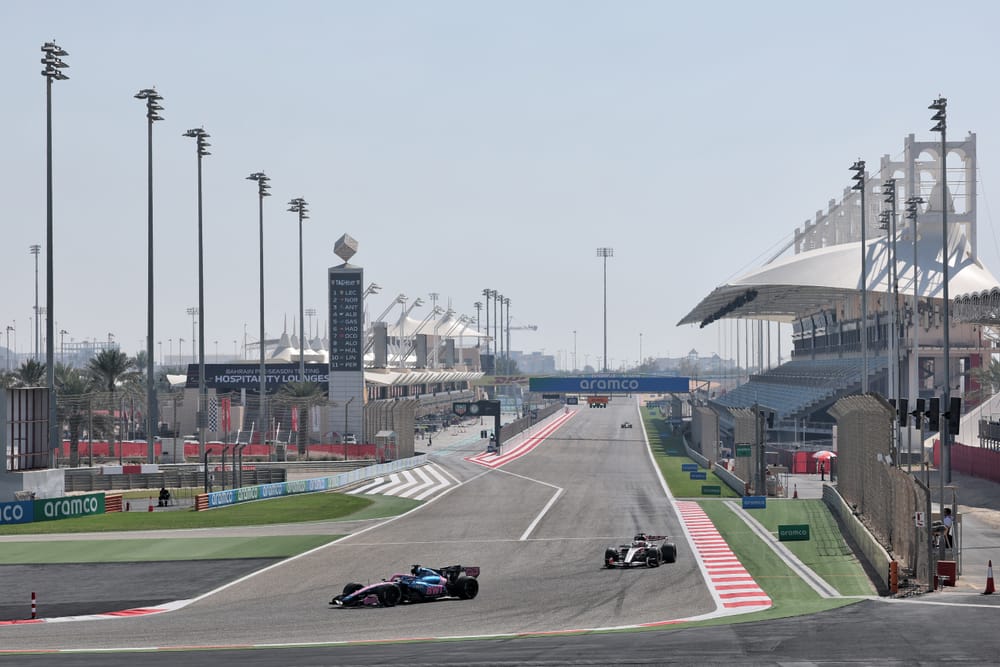
The FIA is to evaluate potential modifications to the Formula 1 start procedures over this week’s Bahrain test in the wake of recent safety concerns.
The increased complication that drivers have found in making the perfect getaway with the new 2026 cars has triggered worries about trouble at races this year.
With cars needing to be revved for around 10-seconds to get the turbos into the right operating window, and headaches emerging in drivers finding the consistency needed, there are fears of drivers being left stranded on the grid if things go wrong.
Following discussions about the situation in Wednesday’s meeting of the F1 Commission, it was agreed that tweaks to help the situation should be considered.
A statement issued by the FIA said: “Further evaluation of updates to race systems and on-car management will be undertaken during the current Bahrain test.”
Two solutions have emerged that could help the start situation. The first is delaying when the start light procedure begins, to allow all drivers on the grid to get their power units ready.
The other way of helping would be to allow battery power to help fill in any performance gaps that are left if the turbo is not up to speed. At the moment, using the MGU-K for an extra boost is not allowed until the cars have reached 50km/h.
Tests will be carried out as part of the end-of-day procedures during the second test.
10 minutes before the end of the session, a red flag will be shown and call cars will return to the pits.
They will complete two formation laps before lining up on the grid.
A new 'pre-start warning' will begin as grid panels will flash blue for five seconds. Once that ends, the usual start sequence will begin.
While the FIA is open to changing the start procedure, calls to alter other aspects of the rules before Melbourne have not been as readily accepted.
While there have been calls to adjust power levels, to avoid risks of lift-and-coast and improve overtaking chances, it has been decided that it is better to wait to see how the racing pans out early in the season before deciding if action needs to be taken.
The statement added: “It was agreed that no immediate major regulatory changes were required given that initial evidence and feedback remains immature and that premature change carried the risk of increased instability ahead of the first race.
“Further reviews will be carried out once more data becomes available.”
Race starts is just one of the topics we've delved into more detail on with an exclusive video over in The Race Members' Club. Get a free 7-day trial to get more member benefits
The members of the F1 Commission were unified in pushing for solutions to early problems that had flared up with the 2026 rules, with further research about the car characteristics due to take place in Bahrain this week.
On a separate topic, the commission also discussed the idea of increasing the number of sprint races per year to 12, but no final decision was made.
