F1 teams agree another change to tackle 2026 start safety fears
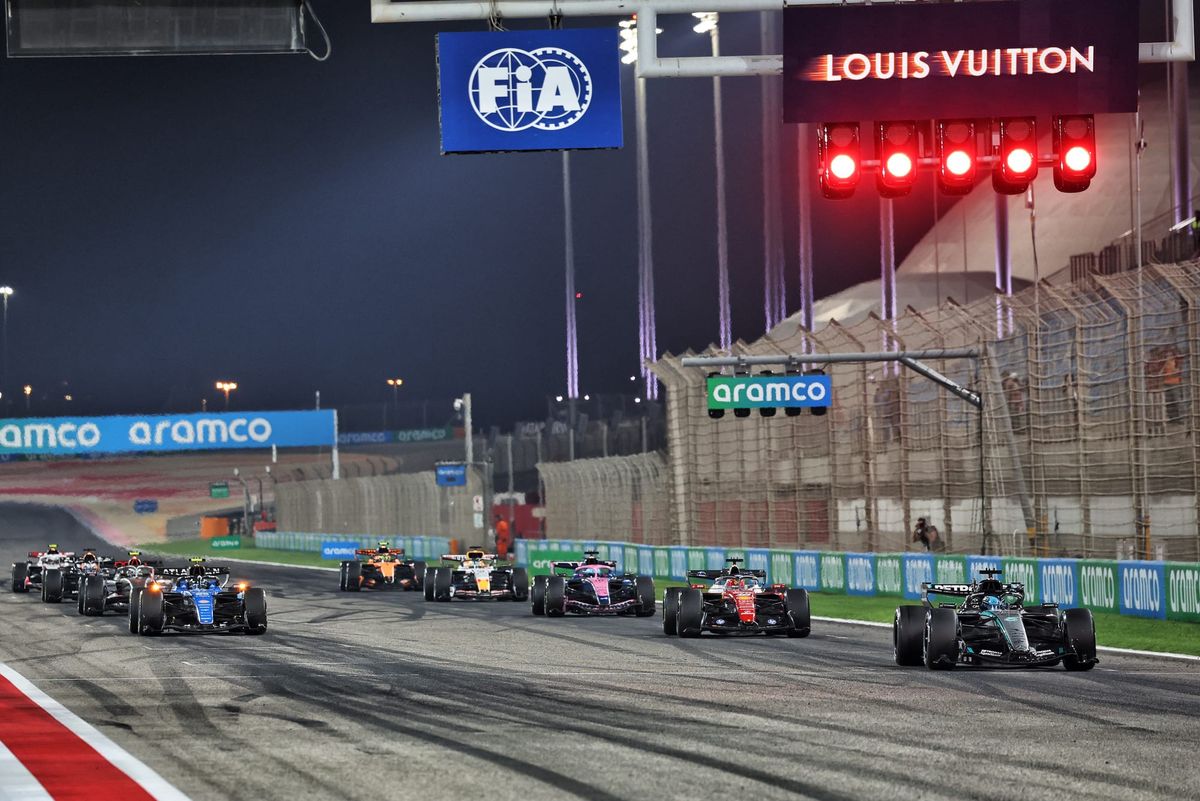
Formula 1 looks set to shut down another of the more dangerous aspects of race starts this year, after warnings that it was a "recipe for disaster".
Amid recent discussions about the safety of starts with the 2026 cars, the initial focus had revolved around the timing procedures – and potential challenges that drivers had to get their turbos spooled up prior to the light sequence beginning.
The FIA reacted by giving an extra five seconds to drivers on the grid to help them prepare – with several successful practice start simulations then completed over the course of this week's Bahrain test.
Another aspect had cropped up as an area of concern, though, which was that drivers were allowed to use their active aero straight mode off the line.
With starting grids typically being in the middle of straight mode activation zones, the rules allowed drivers to keep their wings in low drag mode for the race starts.
This would in theory provide a top speed boost as it would minimise drag on the run to the first corner as drivers jostled for position.
However, a combination of the fearsome acceleration of the cars, allied to this meaning drivers would have a dramatic loss of downforce, posed the risk of things going wrong.
It was this element that Oscar Piastri had highlighted as being a catalyst for trouble if it was allowed to continue.
"A pack of 22 cars with a couple 100 points less downforce sounds like a recipe for disaster to me," he said.
It has now emerged that teams have accepted that keeping things as they were was not worth the peril, so it has been agreed that a rule tweak will come into play.
This will need to be formally approved by the FIA – either through a change in the regulations or a direct order from the F1 race director which can be done on safety grounds – but that now looks set to happen in time for the Australian Grand Prix.
McLaren team principal Andrea Stella explained: "I think there was a common agreement, in terms of usage of the straight mode from the grid to the first corner, not to use it.
"While this has to be ratified in a way, by the FIA, I understand that there's a general agreement across the pack."
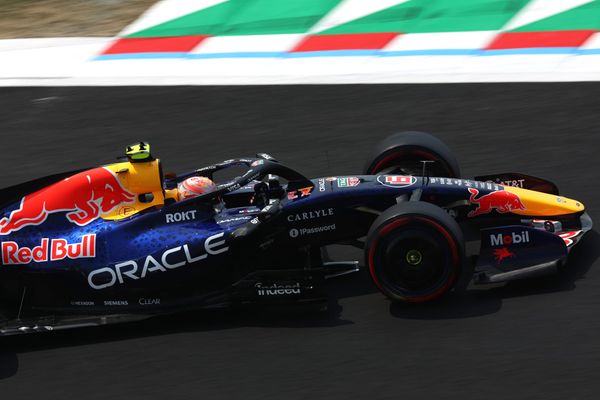
During the numerous practice starts from the grid in Bahrain last week, drivers notably kept their wings in corner mode to ensure that they had maximum downforce available on the run down to the first corner.
Concerns not fully gone
Despite the looming ban on straightline mode for the starts, and an improved procedure, it still appears that the first seconds of a grand prix will deliver plenty of jeopardy.
The varied performances of the different power units, especially the Ferrari looking so good off the line, could lead to some major shuffling of positions early on.
Mercedes driver George Russell, who found himself beaten to Turn 1 in one practice start by Lewis Hamilton coming from very far back, accepts that big improvements need to be made on his side.
"I think we've got a lot of potential beneath us, but to win a race you've also got to get off the line quite well," he said.
"I think the two starts I've made this week were worse than my worst ever start in F1. So Lewis down in P11, got into P1.
"At this stage, I don't think it matters how quick you are. The thing that's going to trip you up is going to be that tallest hurdle, and that's what we're trying to get our heads around right now. And yeah, we're stumbling on some at the moment."
Stella reckoned that the big differences in getaway speed could yet become an issue that needed looking at.
"I think the activity that is happening on the starts is very positive," he explained.
"It is creating a situation where everyone is given the opportunity to prepare their power unit, even if, in fairness, we still see that there's quite a lot of disparity in the start performance.
"So in a way, the concern, based on what we see in testing, has not necessarily been overcome."