Gary Anderson: F1's overtaking problem is bigger than one circuit
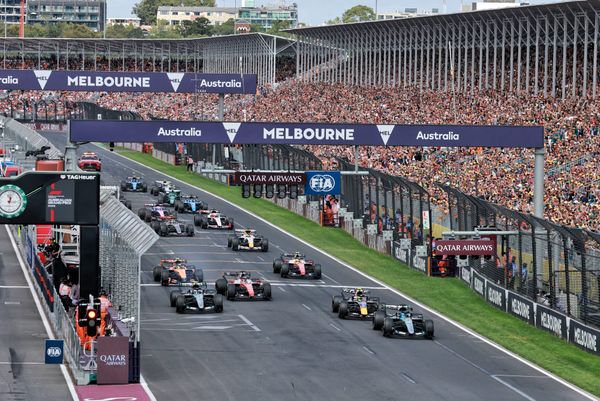
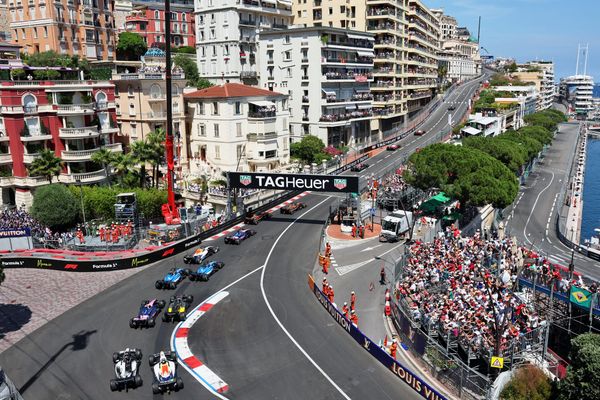
Competitive overtaking in Formula 1’s first race at the Madring basically didn’t exist, but that is true of many, if not all, of the current F1 circuits.
I use that phrase ‘competitive overtaking’, because, since the beginning of this season, we have seen some exciting racing, but that has been mainly down to harvesting and deployment of an inadequate battery pack.
I don’t call it competitive overtaking when one car has run out of battery while another car still has some electrical energy to deploy. This happens because the backroom engineers have come up with a harvesting and deployment strategy that simply outwits another team's harvesting and deployment strategy.
Basically, it is far removed from any driver skill, and driver skill is the reason I believe behind why many millions of other viewers and I watch F1.
But moving on from that general problem to another…
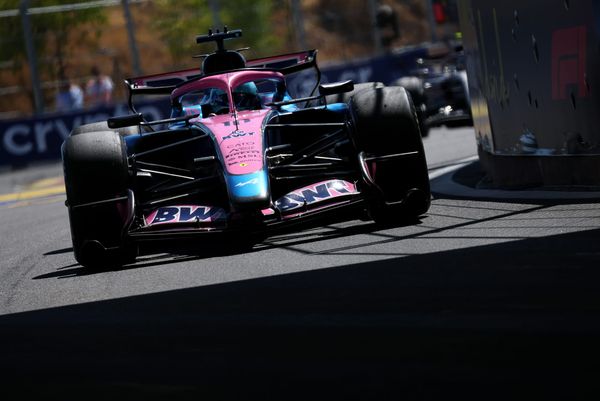
I still believe the cars are too downforce-reliant, especially the front wing. When you lose downforce in this area, it creates understeer and basically you lose laptime.
So if you have caught another car because you are faster, because of that downforce loss you are slower, and you can’t pull off an overtaking manoeuvre. Also because of that loss of downforce, the car starts sliding around more and then overheats the tyres.
If you get to within one and a half to two seconds of the car ahead, you then have this problem. To get any extra deployment to help with overtaking, you need to be within one second of the car in front. So I don’t think you need to be a brain surgeon to know this doesn’t work.
Secondly are the tyres. Pirelli instigates, through the FIA, the camber, blanket temperatures and out-of-the-blanket tyre pressures. This is done to reduce the risk of a tyre failure (public embarrassment), so the tyre pressures have increased dramatically over the years.
There has been a desire to lower them, but it's never actually happened.
Back in the old days, when we had Bridgestone tyres, we would use on-track pressures of ~20psi at the front and ~16psi on the rear. Currently, they are running front and rear at more like ~25psi.
Tyre pressures equal grip. The higher the pressure, the stiffer the tyre and the smaller the tyre contact patch becomes, resulting in less grip, which creates more sliding. At a certain level of sliding, the tyre surface starts to overheat and you get less grip again, so you get into a spiral.
Don’t mollycoddle the teams. I would suggest that Pirelli should advise camber and tyre pressures, but allow these very competent teams to decide for themselves what camber and tyre pressures they actually run.
Yes, some teams will push into the risk side, but that is what a team does with the rest of the car, i.e. engine cooling, brake cooling and even the mechanical and aerodynamic set-up.
Whilst on about tyres, for the Madring, Pirelli brought the C2 hard, C3 medium and C4 soft tyres, basically the middle of its range. All the talk prior to the event was that this circuit was going to be a tyre-killer. Well, I got news for you and your simulations: it wasn’t.
Pierre Gasly did 55 of the 56 laps in the race on one set of hards; Ferrari got through first qualifying on the mediums, Lando Norris and Kimi Antonelli did 14-15 laps on the mediums on full tanks with no sign of tyre degradation.
Most drivers were able to improve their laptime in qualifying by doing fast - slow - fast laps on the same set of softs, and in the race Nico Hulkenberg and Max Verstappen started on softs and did 14 laps when the car was at its heaviest. To cap it off, later in the race Fernando Alonso did 24 laps on the softs, so please don’t tell me the tyre compound choice was on the limit!
And I don’t agree with Oscar Piastri that the medium tyre was “just awful at the start of the race". His team-mate in the same car was steaming off into the distance on the same tyre.
One step softer to the C5, C4 and C3 would have meant a greater strategy challenge for the teams; potentially some cars would have suffered more tyre degradation, which can very easily lead to overtaking because of the difference in tyre grip.
Pirelli's not so sure it would have changed the race, but at the very least it would have put everything more on the limit as opposed to always being on the safe side, which simply leads to these long stints on the hard tyre.
Then there is the bit about the luck of getting a cheap pitstop during a VSC interlude.
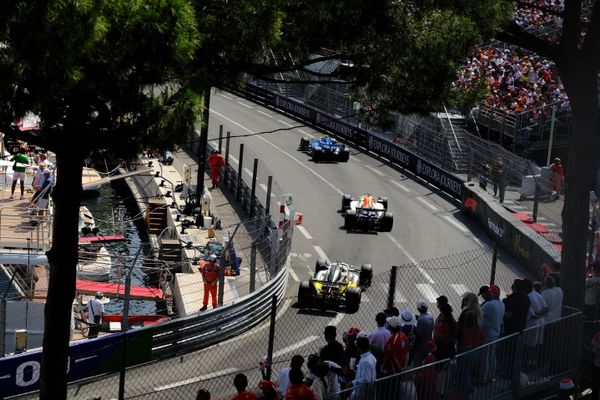
And now we get onto the Madring circuit. Yes, it wasn't the best track layout to instigate overtaking and the much hyped banked ‘La Monumental’ corner was just a bit of a damp squib. It would have been flat out if the cars had had the electrical energy available at that point of the lap, but most had a little lift to harvest some energy, knowing that they were better off by doing that for the next short straight.
Corners that have compound braking and cornering characteristics never promote overtaking. Basically, the tyres can only do one thing at a time; that is why we see so many lock-ups when the inside tyre is unloaded whilst braking for a corner where that tyre will be the loaded tyre.
So here is my suggestion for circuit changes: do away with Turn 5 and 5A and make it one curve instead of a chicane.
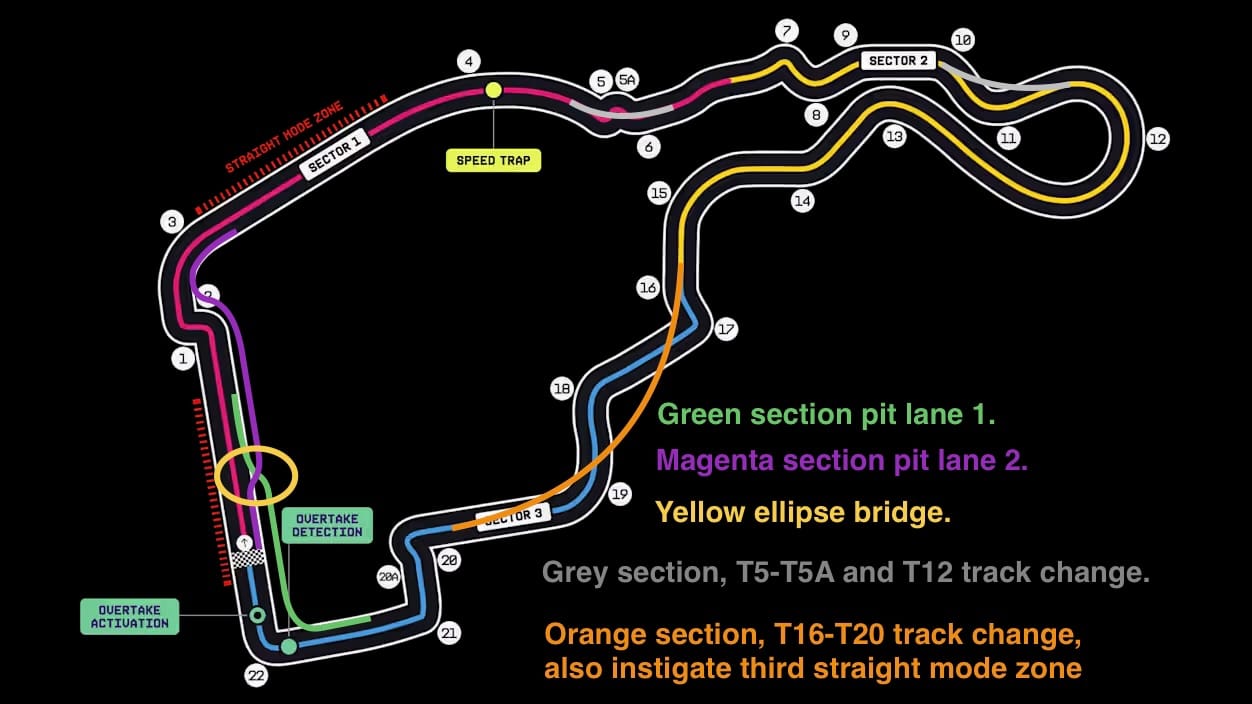
This means you will arrive at Turn 7 with the potential to outbrake another driver. Then do away with Turn 11 to increase the entry speed into Turn 12. If you have a challenging corner, then let’s make it challenging! Do away with Turns 16, 17, 18 and 19 and make it one long curve, which is like Curva Grande at Monza and have a third straight mode in that area.
And then, for my way out wacky suggestion, do what Paul Ricard did over 50 years ago and have a two-part pitlane with a bridge in the middle. This would mean it would go from the longest pitlane in F1 to the shortest. I am sure if that happened, combined with a softer tyre selection, it would instigate multiple pitstops.
To mitigate any potential differences in pitstop time the top five teams in the constructors’ championship could use one section and the other six teams could use the other section. Although I’m pretty sure with today’s simulation tools both sections could be equalised fairly well, and when in place it could be optimised by just moving the pitlane speed limit control lines.