

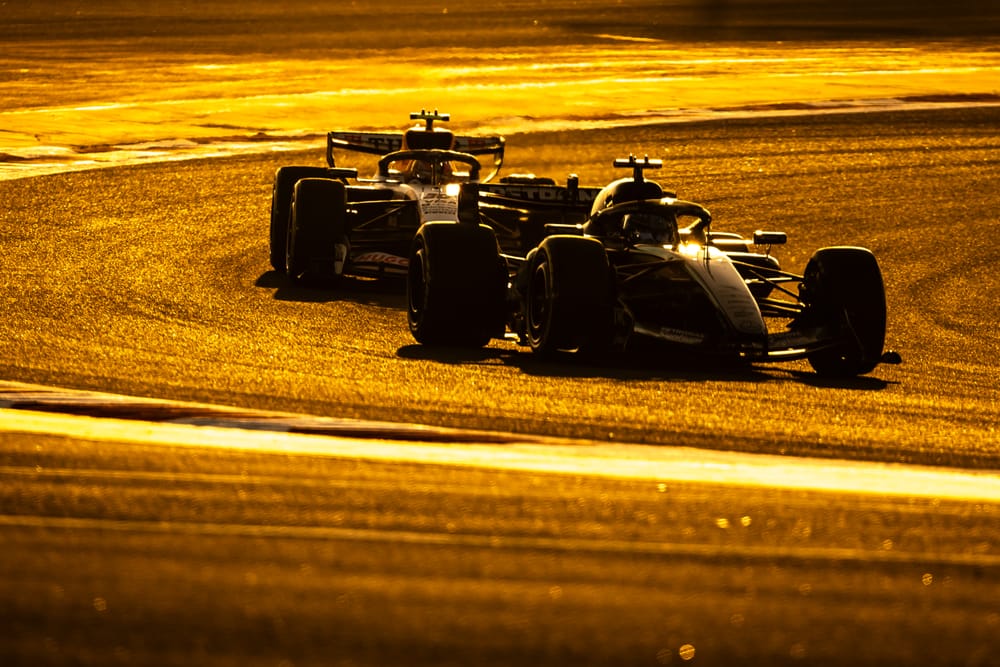
Three tests, 11 days of running, and Ferrari fastest by almost a second at the end of it.
Formula 1 2026 pre-season testing is done, so what have we learned about this new F1 era and the cars and contenders that are central to it?
Ferrari's genuine promise has a caveat
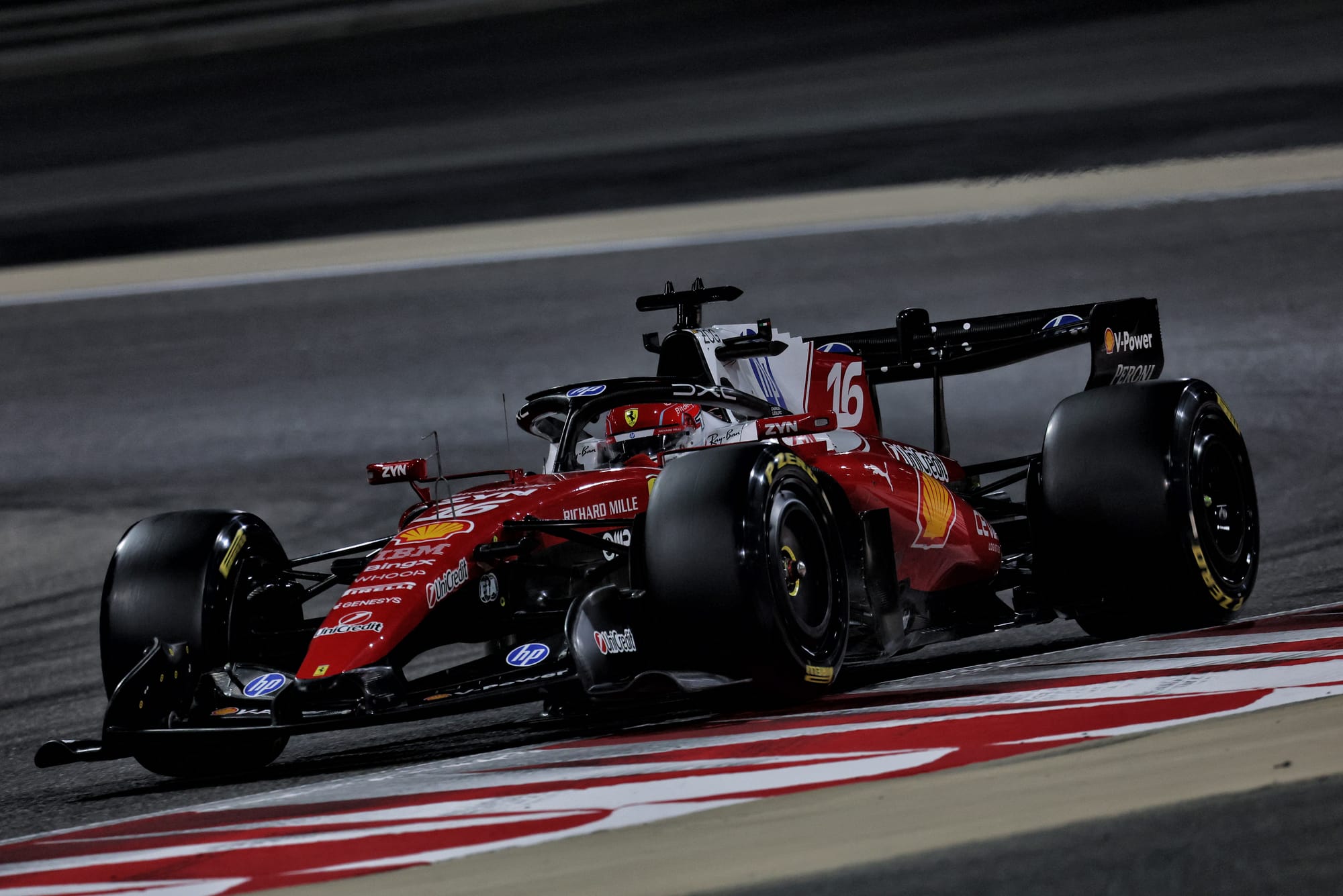
Charles Leclerc set the pace overall in testing, and there is no doubt that the Ferrari is a competitive package. It's proved that by also setting impressive times in long runs.
However, there’s no question that Ferrari has revealed pace closer to the maximum potential of its car than Mercedes has. Leclerc accepts that means it is "difficult to understand where we really stand because teams are hiding their true form".
While the extent to which teams focus on sandbagging in testing is overstated, The Race understands that Mercedes has significant pace in hand, and it will head to the season-opening Australian Grand Prix in a fortnight as pre-race favourite.
What's more, it is understood that customer team McLaren was not running the definitive power unit specification. It will in Australia, and that's expected to give the defending constructors' champion a performance boost.
But Ferrari has started well - even if it won't be a second clear of the pack in Australia.
Two-class F1 to start with
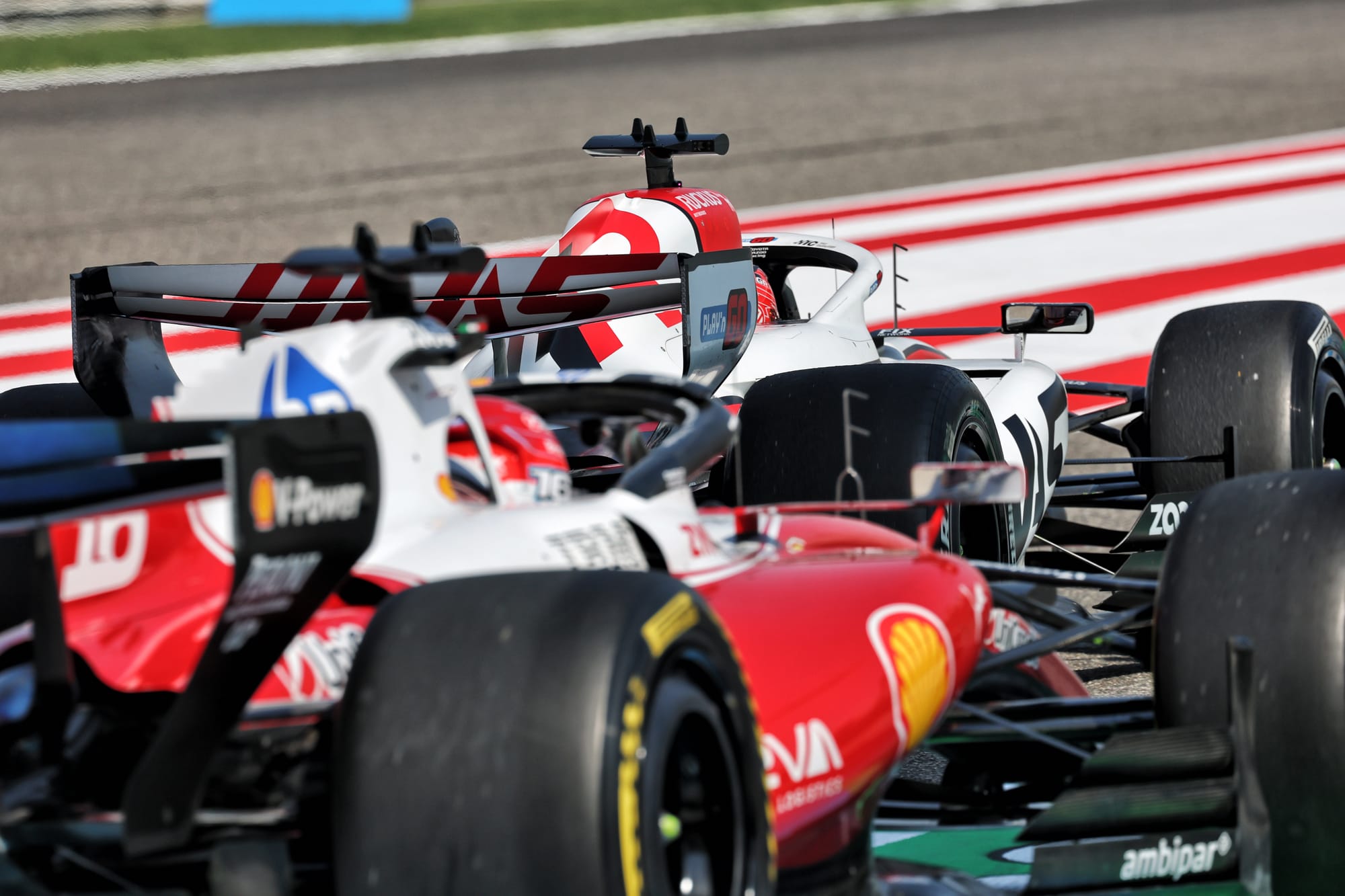
After a 2025 season in which seven teams scored podiums, F1 is going back to a two-class system at the start of 2026.
The convergence of the grid over the previous rules cycle meant several midfield teams were able to pick up the pieces when the leading cars underperformed.
That's going to be tricky in 2026, at least early on, given how big the gaps are.
The leading midfield car - Pierre Gasly's Alpine - was 1.4s off the pace, which was a more representative read than the 0.3s gap from Red Bull to Alpine and Haas in the end-of-test times.
Right now, the expectation is the leading four teams are going to be relatively close together, maybe separated by only a few tenths, and that there will be at least a one-second margin to the rest.
It shows that even with the cost cap in place and aerodynamic testing restrictions designed to give underperforming teams a boost, baked-in advantages with facilities, tools and personnel still remain.
Aston Martin nightmare won't end soon
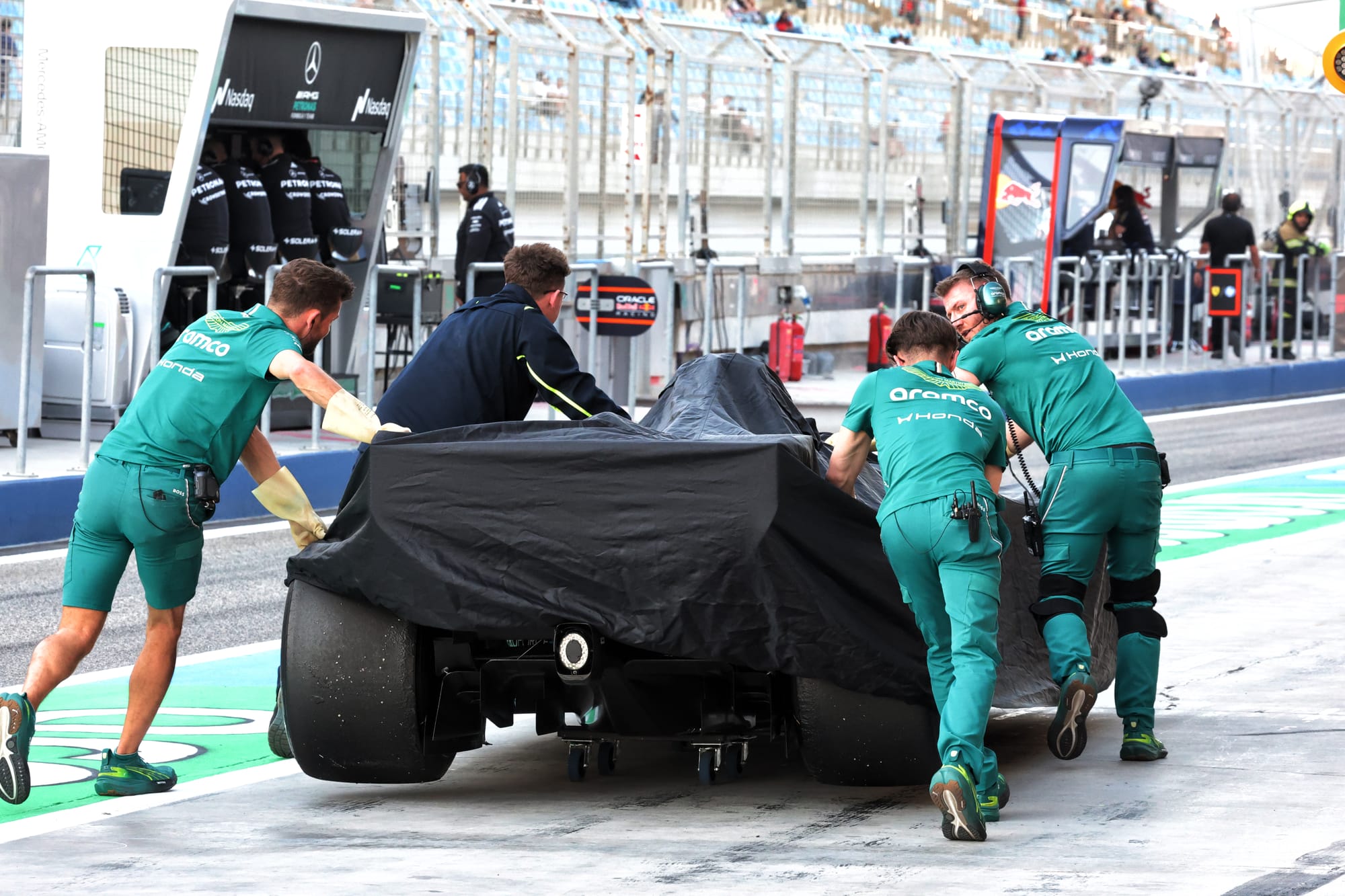
Aston Martin's troubled pre-season with Honda limped to a lame conclusion as it completed just six, untimed laps on the final day of testing, a damning indication of the nightmare situation it finds itself in. And that situation won't end soon.
There is a chance that, two weeks from now, both Aston Martins complete the Australian GP and are a lot more respectable than they've been over these two weeks in Bahrain.
It will require an awful lot of work, though. And the reality is that Aston Martin is starting this season on the back foot with a power and reliability deficit and a poorly understood car.
The potential remains undimmed. But tapping into it feels a long, long way down the line.
Innovation isn't dead
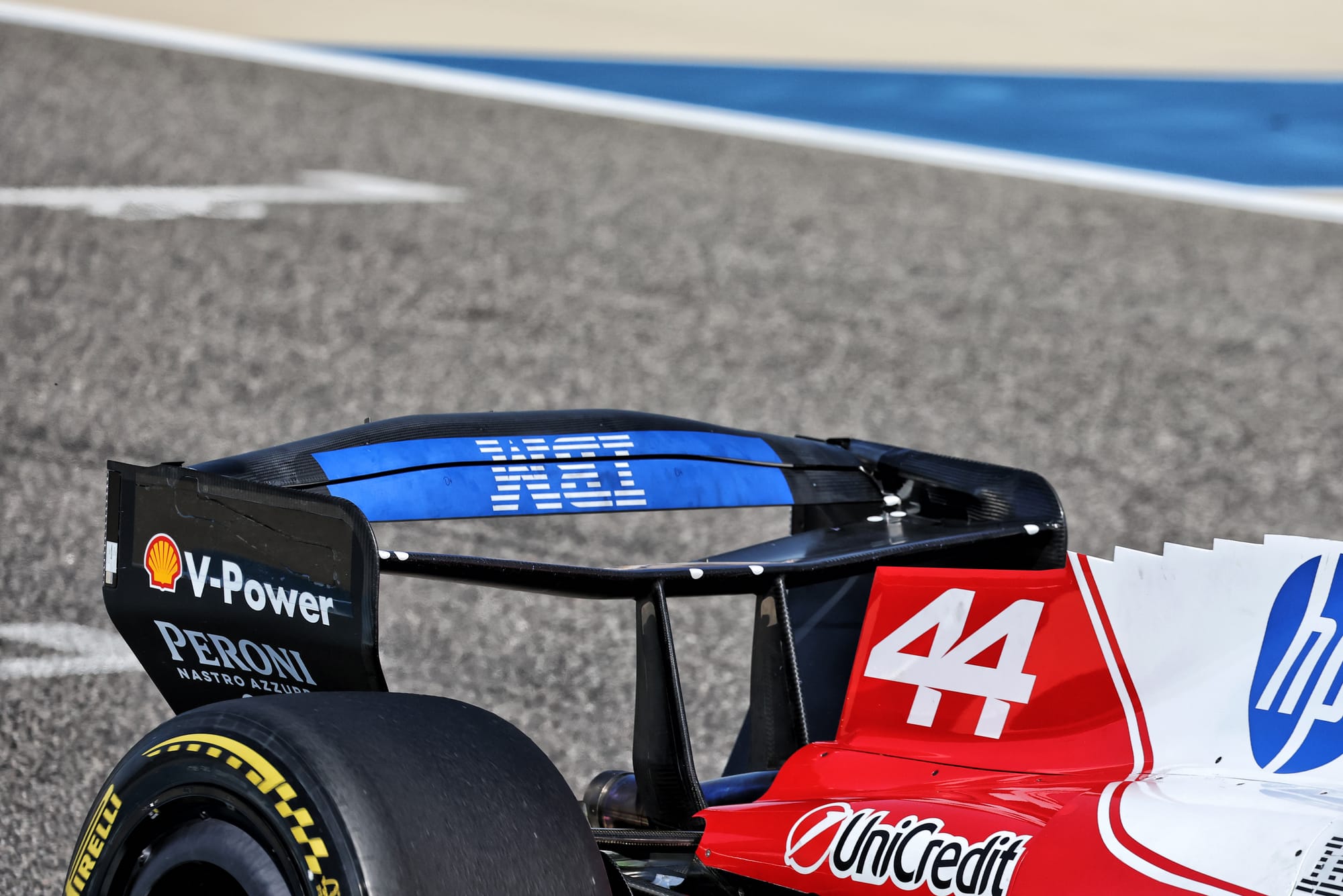
Every new F1 ruleset seems to be more prescriptive and raise fears of identikit cars. But during testing, there were plenty of examples of upgrades that grabbed our attention.
The first really eye-catching one was the Audi upgrade introduced at the first Bahrain test, with completely new sidepods among the changes. This week, Ferrari introduced a flow conditioning device behind the exhaust that's achievable because of the angled driveshaft design.
But the change that really got everyone talking was the Ferrari active rear wing that rotated through more than 100 degrees. It only appeared briefly on day two of the second test, but capitalised on the increased freedom for drag reduction allowed in these regulations.
Even on the final day of testing, Mercedes introduced a new rear wing that had what might be thought of as a fourth element.
There's also the variation in the overall appearance of the cars, which are all distinct designs, as well as very audible differences in the power units.
And to add to that, the energy-harvesting and deployment strategies, which also lead to differences in downshifts and gear selection, makes this a diverse cohort of F1 cars.
Target pace already
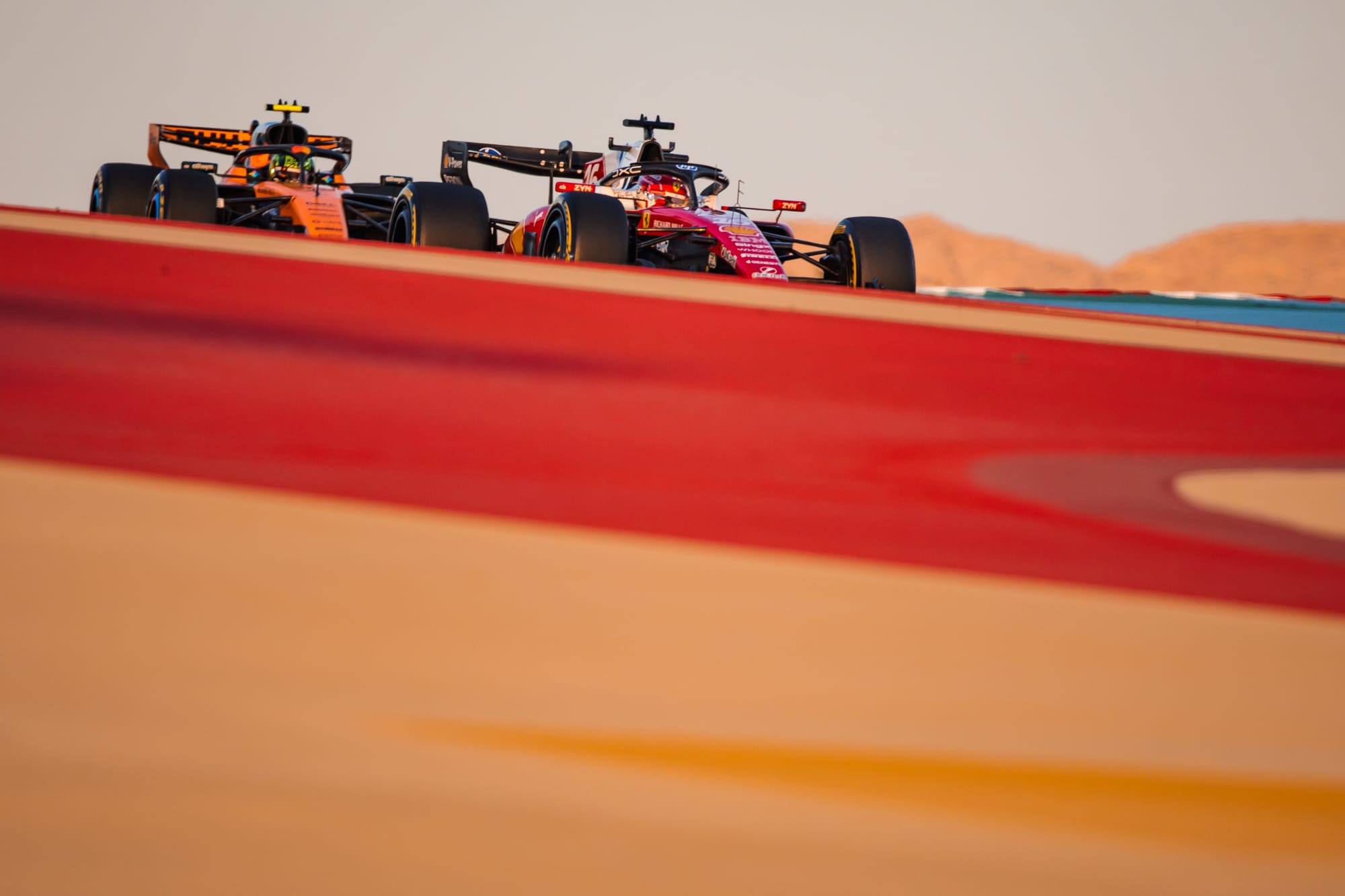
Over the months and years building up to the introduction of these regulations, concerns sporadically flared up about the cars being too slow. But Leclerc's testing benchmark put those worries to bed once and for all as he banged in a 1m31.992s lap in the closing stages of testing.
That was 2.151s off last year's pole position time, which is close enough to the window of one or two seconds off that the rulemakers promised.
Looking for even more insight from F1 testing? The Race Members' Club is the place where you'll find it - join today to start your seven-day free trial
Leclerc set that time on the C4 Pirelli tyre, which is likely to be a step softer than what is available for the Bahrain GP in April, and in ideal track conditions at the end of three consecutive days of running.
But while last year's fastest lap in testing was actually quicker than the pole position time on the race weekend, the significant car improvements expected in the coming weeks signals that the pole time in 2026 should be right in the zone.
Alpine won't begin as worst Mercedes team
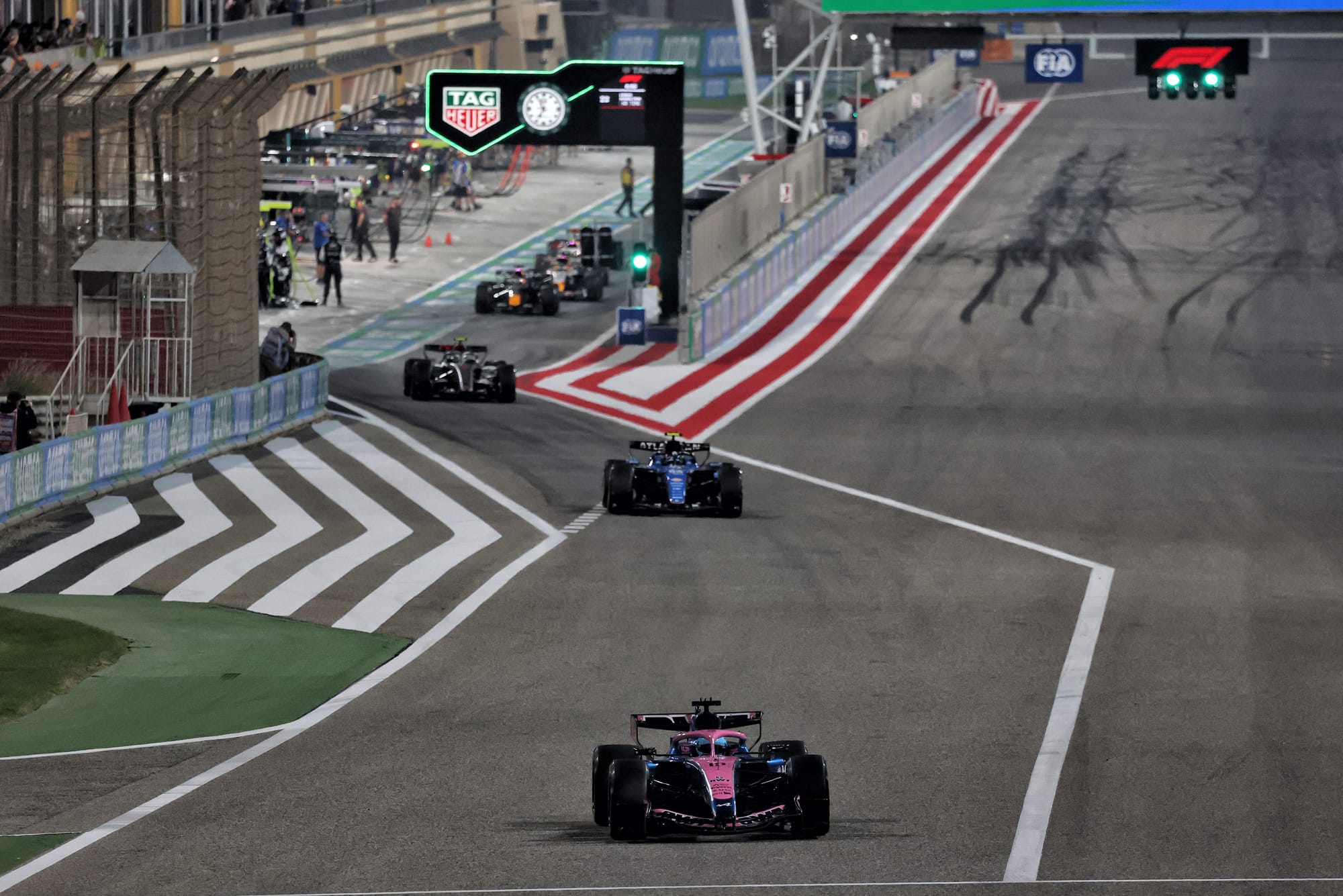
Alpine had a low-profile test in the best possible way, with none of the on- or off-track nonsense that has blighted it so many times in recent years.
Having finished last in 2025, Alpine appears now to be not just locked firmly back in F1's midfield but vying for leadership in that group with Haas.
"We're confident we've taken a step from last year, but where we stack up we don't know at all," said Alpine F1 managing director Steve Nielsen.
The key strategic decision - driven by Flavio Briatore, who recently said it was a condition of him taking the job as Alpine's executive advisor - is the switch to Mercedes propulsion. That has given Alpine what appears to be the market-leading power unit.
And while beating the works team or reigning champion McLaren was never on the cards, a win for Alpine would be establishing itself as the third-best Mercedes team. In testing, it was unquestionably that.
Although Williams struggled, some of its disadvantage is down to being overweight and that will be tackled in the coming months.
Alpine is understood to have hit the minimum weight limit, so the key question now is whether it can consolidate its position in the first half of the season.
But expect to see Pierre Gasly and Franco Colapinto in the hunt at the sharp end of the midfield in Australia.
Audi's unspectacular ground zero
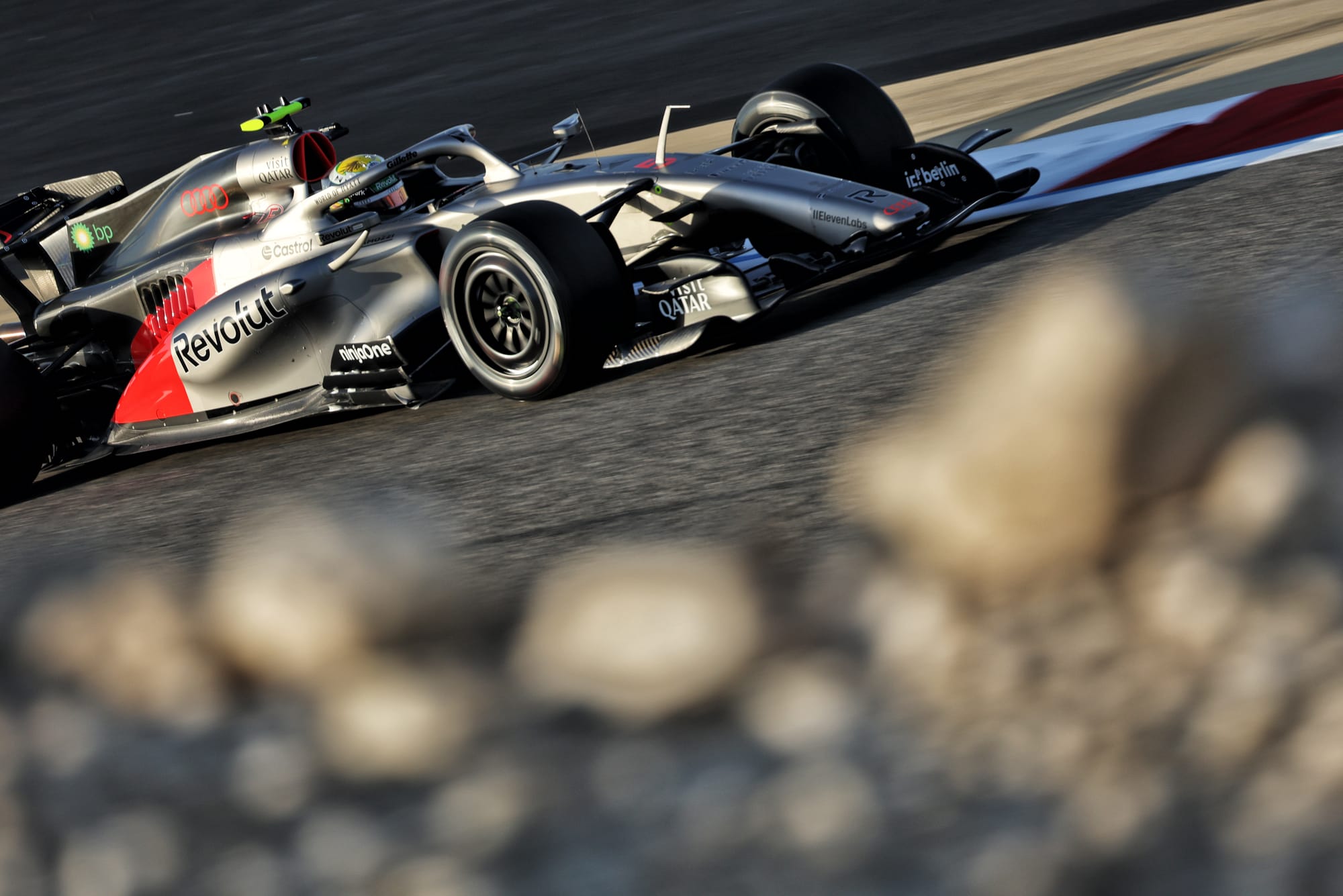
By our reckoning, Audi is just off the rear of the main midfield group, which is a solid but unspectacular starting point.
While it's not a new team - it's essentially just Sauber with a new paint job - it is a new power unit and gearbox manufacturer. That caused it early problems in testing, but its gradual improvement meant Audi finished the test with a reasonable platform to build from.
It ended up 1.758s off the pace on the final timesheets thanks to Gabriel Bortoleto's late effort and should start the season in the hunt for lower Q2 positions.
There are a few questions about reliability, although a solid final day of running ensured it ended up eighth in the distance covered ranking with just under 5000km logged.
That doesn't suggest it will be scoring big points early in the season, but it's a start.
An engine Plan B
This test has brought concerns to the surface regarding the techniques required to charge the battery and the consequences of not being able to do so sufficiently, but not actually fully exposed the problem.
Bahrain is a reasonably good recharging circuit. Others will not be. And the season opener in Australia is going to be a prime early example where even qualifying is likely to feature an unwelcome amount of energy management.
The FIA doesn't want a "knee-jerk" reaction, as its single-seater director, Nikolas Tombazis, put it. Despite discussions about back-up plans, nothing will change before Melbourne.
But during testing it did action the trialling of methods that could help the situation: running at 300kW electric power instead of 350kW in race trim, and using the full power of the MGU-K in reverse while the engine runs flat out to charge the battery, instead of the current reduced 250kW - a technique now known in F1 jargon as 'super clipping'.
The theory is that making these two changes together will eliminate excessive lift and coast, and though drivers will have slightly less peak electric power they will be able to use it more often.
Cadillac is being taken seriously
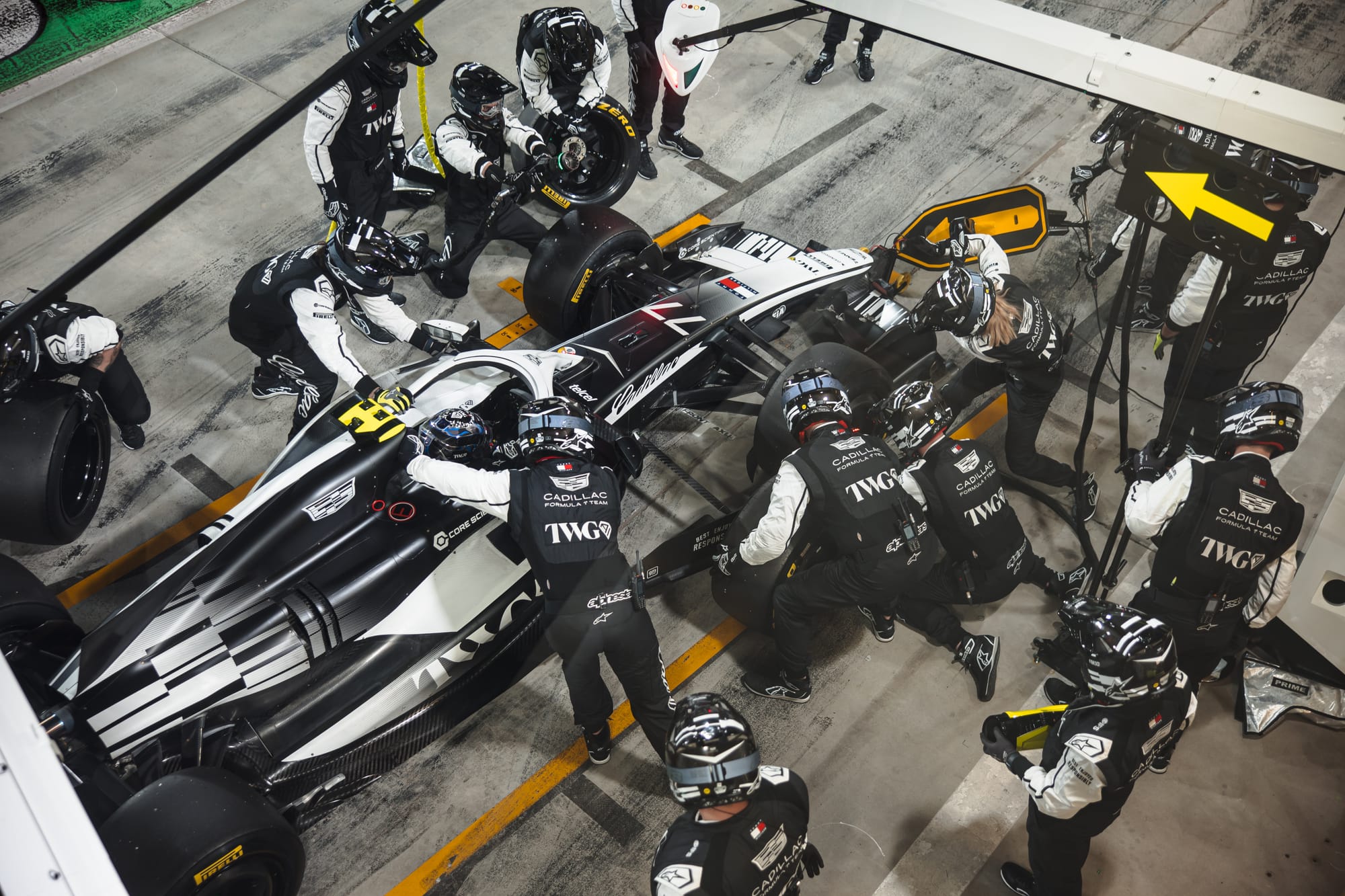
Cadillac ended its first F1 pre-season by ticking off every major target it had, including a slightly intangible one.
In going about its business pragmatically and setting what looks like a good foundation, Cadillac believes it has already started earning the respect of other teams.
The new 11th team was denied its entry for a long time partly on the grounds it would not be a serious, competitive proposition.
But team principal Graeme Lowdon said rivals have recognised that Cadillac is ready to start life in F1 as a respectable backmarker that can realistically target chasing other established teams, and some have even reached out directly during pre-season to let that be known.
"We had a lot of very nice messages from people in a lot of the teams," he said.
Some issues in the final week held back Cadillac's total mileage slightly - its 266-lap tally was short of the 320 it managed across the first three days in Bahrain - but it was not a million miles away from most teams and the same goes for its performance level, too.
There's no threat at all of Cadillac falling foul of the 107% rule and not qualifying, which was on the mind of some of its senior figures in the build-up to this year.
Start fears have been (mostly) addressed
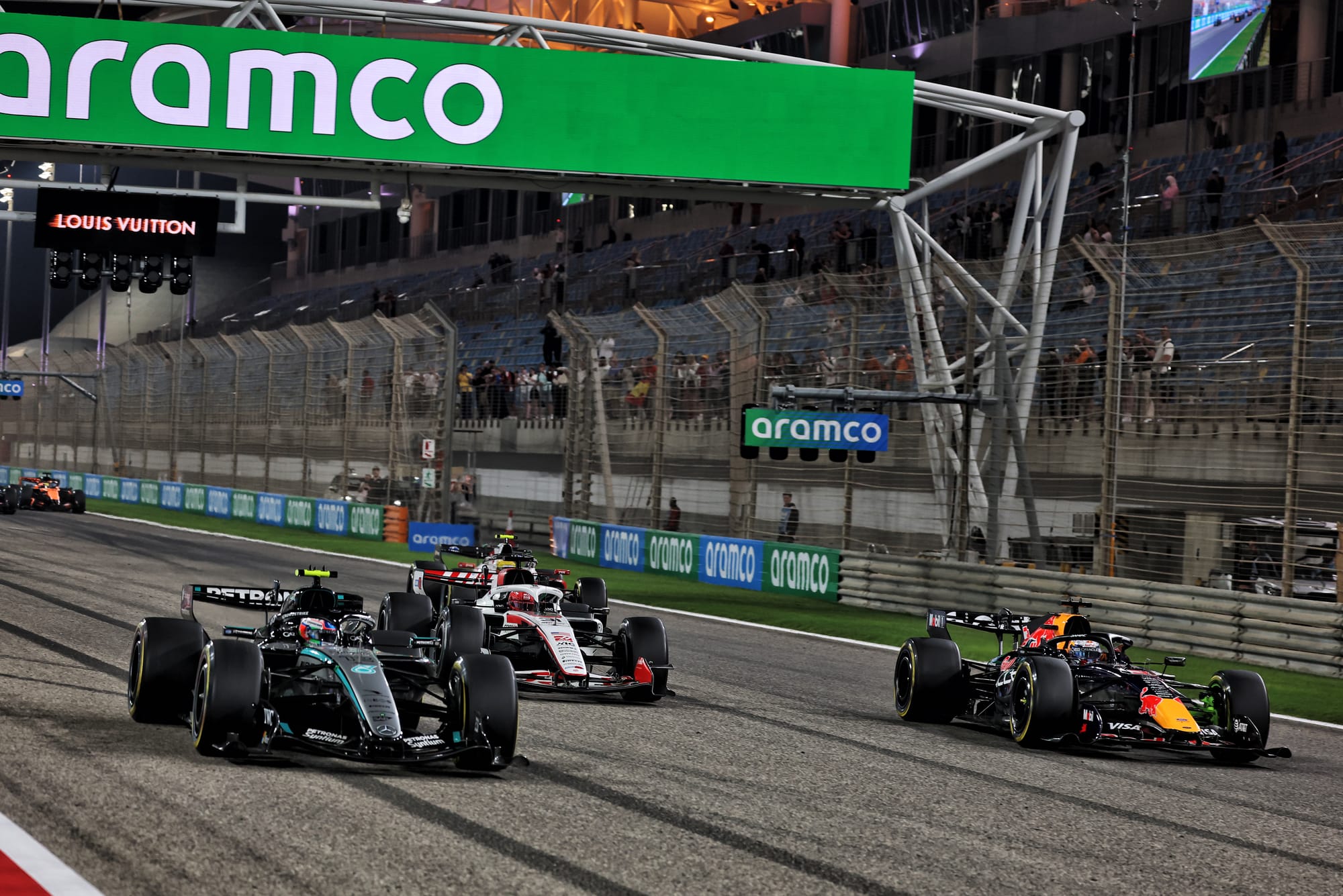
The addition of a preliminary phase in the race start procedure has gone some way to addressing fears about chaotic variance in drivers' getaways in the season opener.
No MGU-H means the turbocharged hybrid engines suffer from turbo lag unless they are revved for several seconds to help build boost pressure. That's a longer period of time than the 'normal' - pre-2026 - start procedure took.
That has led to a wildly different quality of starts in testing. So the FIA trialled a five-second hold before the start procedure, to give drivers clarity on when they can begin spinning up their turbos and make sure there's enough time to do so.
It's worked well, to the point that it is now being discussed whether the hold can even be reduced slightly to four seconds. Drivers being on fresh tyres when it comes to the real thing might further smoothen out the starts, too.
And teams have agreed to use the cornering active aero mode from the grid to the first corner, to maximise downforce levels during the sharp acceleration phase, and eliminate another minor safety concern.
But there has still been disparity in the quality of launches, regardless of the new pre-start phase, so what's actually going to happen in Melbourne is still a fascinating unknown right now.
