An unexpected benefit from F1's under-fire 2026 rules
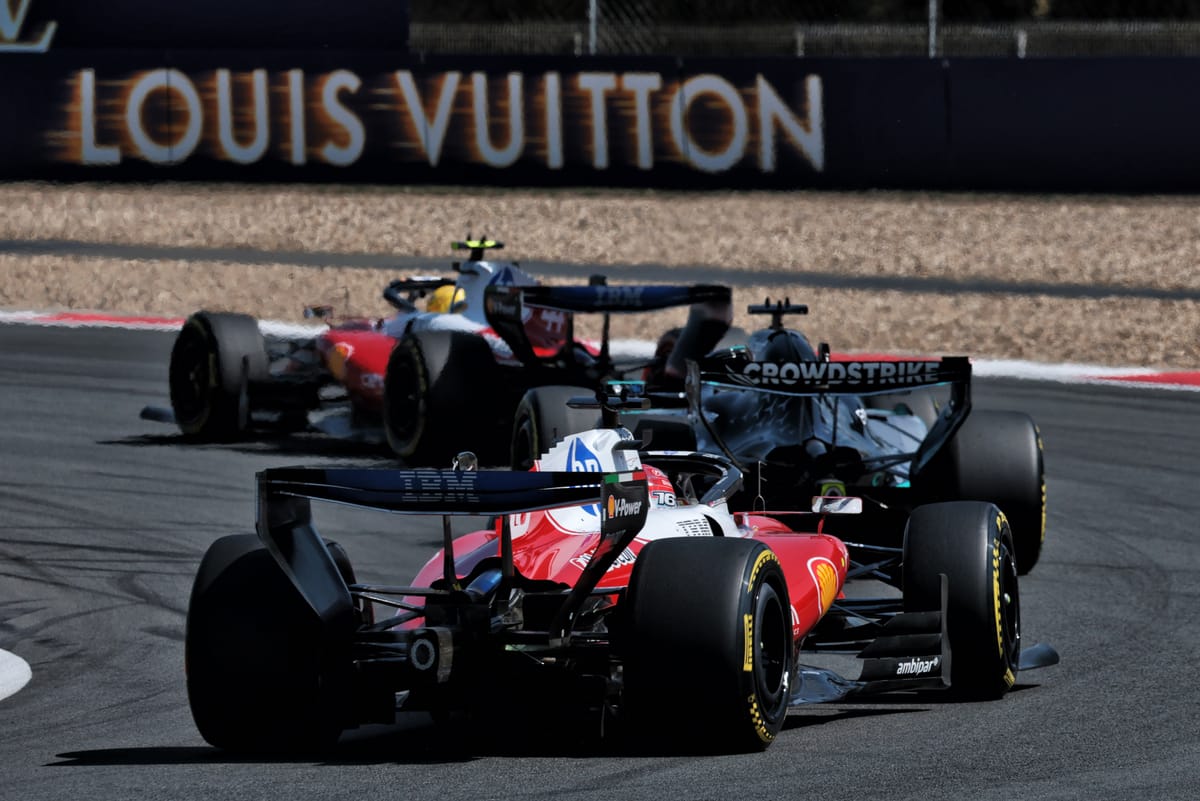
If the Chinese Grand Prix sprint race proves a reliable reference for what to expect on Saturdays in 2026, then Formula 1’s new rules era may be a very good match for the format.
The China sprint was a good race by any measure. If anything, a safety car setting up a short sprint-within-the-sprint at the end was an unwelcome interruption to a legitimate and entertaining contest.
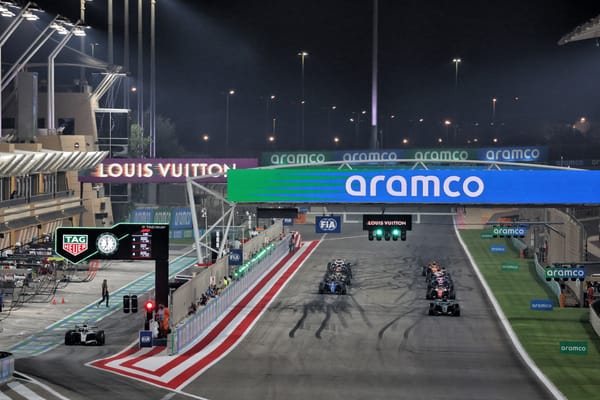
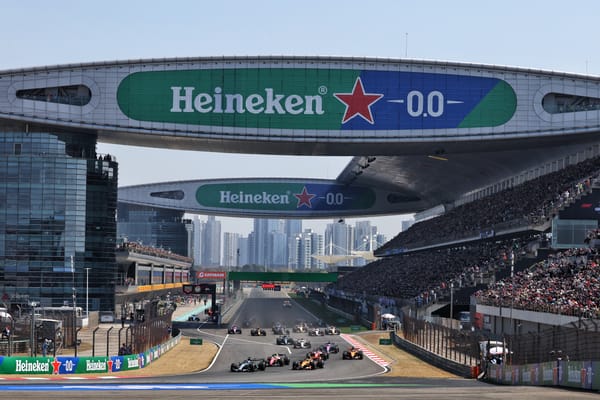
Perhaps the bar is low after Australia, but I do not think this was a factor. If it was, the chaotic unpredictability of the first lap or two would have felt like great theatre. But the first two laps did not move me at all, it was how the race evolved over time.
Lewis Hamilton getting the jump on George Russell was neatly optimistic, just too inherently tied to how the consequences of the engine formula and battery demands jumble up first laps to stir me. I cannot clutch at the straw that any overtake counts and therefore more of them is a great thing - it has to matter. In the first lap or two it was hard to be sure any of it did.
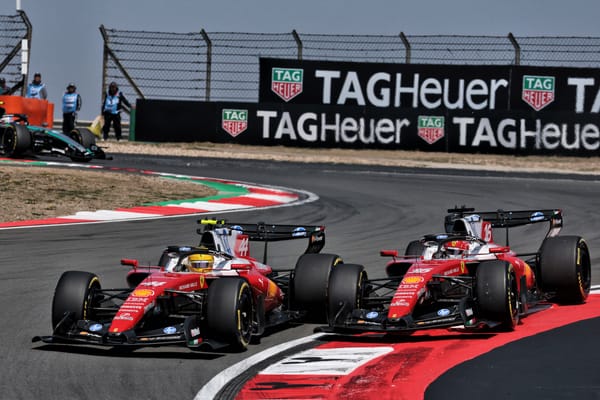
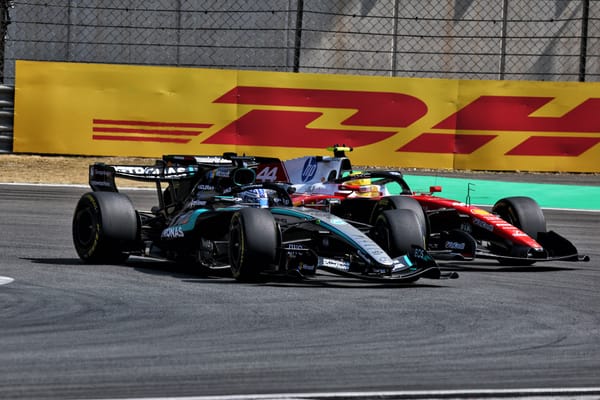
That changed as the racing shifted from obvious energy-related drive-bys and moved into the corners - Hamilton being made to work for it around the outside into Turn 1, Russell showing a nose down into Turn 6, then trying the same move himself into the first corner and failing.
Yes, Hamilton’s defence was ultimately futile. Who cares? That in itself is not what defines a good battle. It was just fun to watch a slower car try to hang on to a lead it had snatched and was not willing to easily relinquish.
The inherent characteristics of this formula are not going to change even if fiddled with round the edges. Just like in previous years, the easiest and most effective move to take the lead and stay there was to blast past on the straights. So be it. I can stomach that if there’s something substantial to build the rest around. And in this case there was.
Throughout the field, moves were being contested in the braking zone. The action shifted from the straights to where it should always count most: the corners. Kimi Antonelli’s recovery included a neat pass into the final corner, for example, and there was a wonderful multi-car fight to follow (which I watched from onboard Esteban Ocon’s Haas) between several cars for ninth – so it was literally a point-less endeavour for all involved, but no less entertaining.
In a dozen or so laps here F1 was an order of magnitude more fun and - to flip a critical part of the Australia narrative - more real. And at the same time it injected some meaning into a race that, frankly, I often have little hope for.
Though there have been good races, the sprints have struggled to win over many F1 fans due to being stagnant affairs with minimal opportunity for much meaningful to happen.
They are subject to the same constraints as any F1 race, and introduce no new variables beyond the limited practice time on Friday, so the short duration means there is no chance for a pay-off in the way a typical grand prix plays out gradually over time.
Now that seems to partly cancel out some of the limitations of the 2026 rules, and play to the strengths. It’s easier for a driver to get track position and disrupt the natural order, and less time for that to be undone. These cars can run closely together for longer, and the sprint naturally prevents the gradual expansion of the order as we saw in Australia.
If this kind of back and forth is going to be replicated in future races, be that sprint or grand prix, we need the battery levels constantly on-screen. There have been data issues in China so this could have been a significant factor in how much and how accurately the information could be relayed.
When it is working fully there is no excuse for not sharing it as much as possible especially when there is a fight to follow: the battery is critical for contextualising what we see and F1 should embrace sharing that knowledge rather than hide it.
Just like a sample set of one race was not enough to judge F1’s 2026 rules in their entirety, one Saturday is of limited value in assessing the suitability of this formula to this format.
This is not an argument that it justifies the whole endeavour, either. Doubtless there will be some who feel that a flawed set of rules working well for a flawed format they don’t like is of little consolation.
But this encouraged me. The 2026 rules are not going to be rewritten entirely overnight. And the sprints are not just here to stay, they are going to become even more prevalent over the season, too. If they end up being a happy marriage, then that will be a welcome, unexpected benefit.
Grand prix racing isn’t typically designed to work around a short distance. Whether by accident or design, that might be exactly where this early version of the 2026 rules shines brightest.