F1 2026's new engine rules explained
Formula 1 has overhauled its power unit regulations for 2026, after 12 consecutive seasons without change.
The key change for 2026 is the increased reliance on electrical power, with the new power units having a theoretical 50/50 split between electrical and internal combustion engine power.
We say 'theoretical' because it won't quite be a 50/50 split in reality, with the internal combustion engine still providing the majority of the power over a lap.
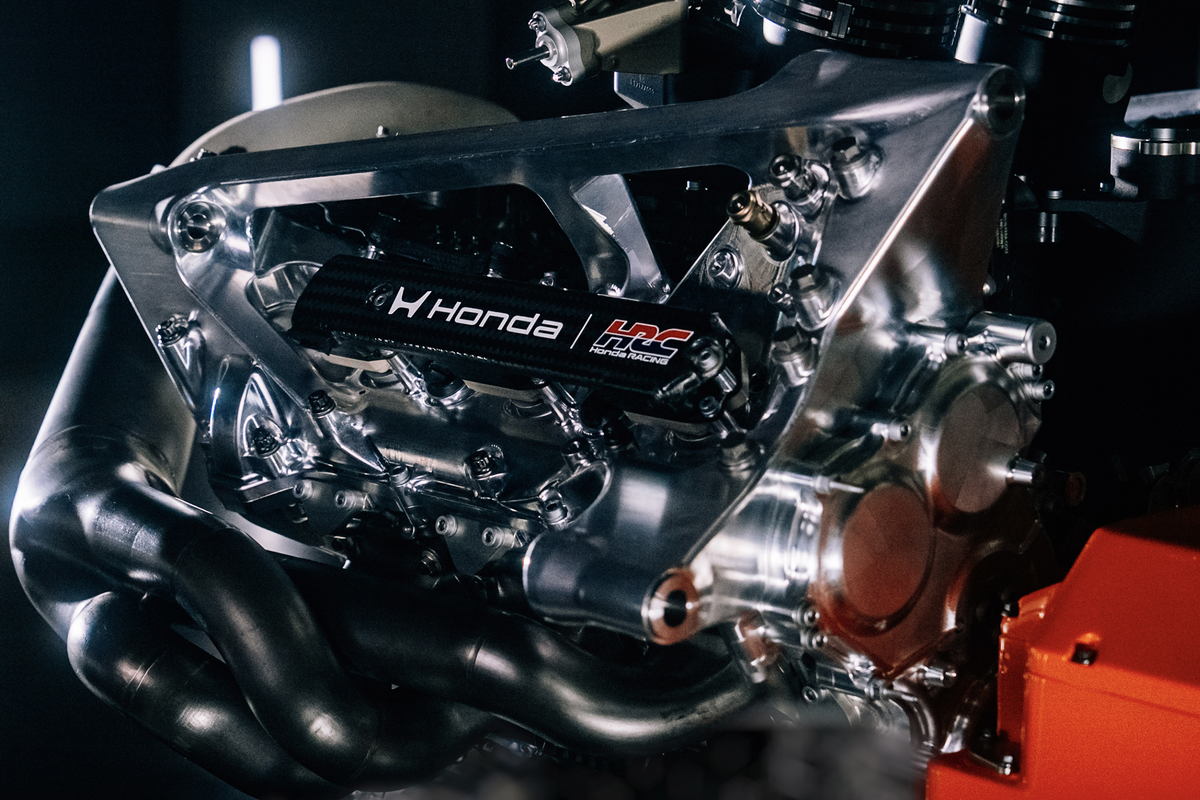
The 1.6-litre turbocharged 2026 F1 power units (engines) contain a combustion engine (ICE) with a wider system that includes the turbocharger (TC), battery (ES, as in energy store), control electronics (CE) and the motor-generator unit (MGU-K) that harvests and delivers energy.
That electric power comes from the MGU-K, which should be delivering 350kW in power, a near three-fold increase from the 120kW figure from the previous generation of power units.
Power used to be recovered from both the MGU-K and MGU-H in the previous era. The MGU-K harvests energy under braking, while the MGU-H used the flow of exhaust gases to reclaim energy.
F1 has dropped the complicated MGU-H element for 2026 and instead there will be a far more advanced MGU-K unit.
Boost, overtake mode and recharge
There's new-for-2026 terminology relating to the electrical power.
There will be 'overtake mode', which is the chief overtaking tool for drivers in 2026, replacing the now dropped drag reduction system (DRS).
When drivers are within a second of the car ahead at the activation point (nominally the final corner of the lap), they'll be able to gain an extra 0.5MJ of energy to use from the start of the next lap.
As before, drivers will have the use of a 'boost' button on their steering wheel, whereby they can use the energy harvested by the energy recovery system (ERS).
And now there's an official term for harvesting, 'recharge', where drivers can replenish their battery in a number of different ways (eg lifting and coasting into a corner), but also automatically via the electronic control unit (ECU).
You can find an explainer of the new-for-2026 terminology in more detail here.
Sustainable fuels
F1 cars will use advanced sustainable fuels in 2026, with teams now needing to use fuel derived from 'advanced sustainable components' (ASCs) such as non-food biomass that meets stringent greenhouse gas emission thresholds.
With the help of a specialist third-party, the FIA will verify the sustainability of each team's fuel - provided by suppliers such as Shell (Ferrari, Haas and Cadillac), Petronas (Mercedes), Aramco (Aston Martin), Castrol (Alpine) and ExxonMobil (Red Bull and Racing Bulls).
If you want to know about the major chassis changes, then we have an explainer here.