F1 2026's early design trend and the problem it raises
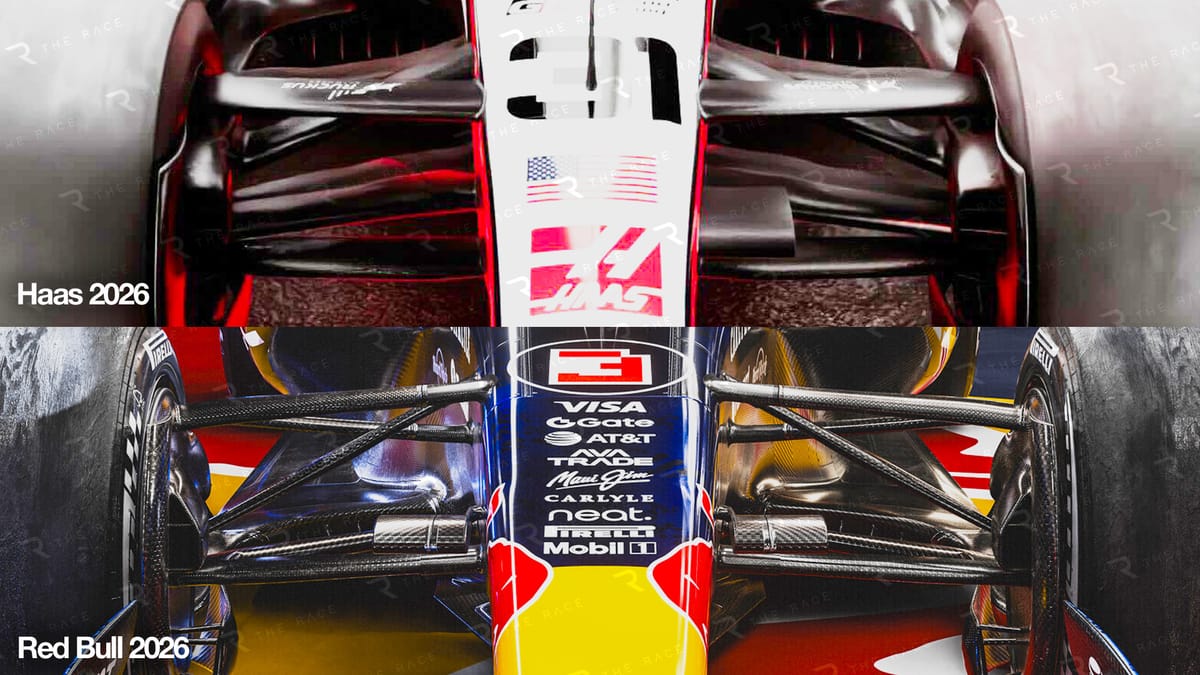
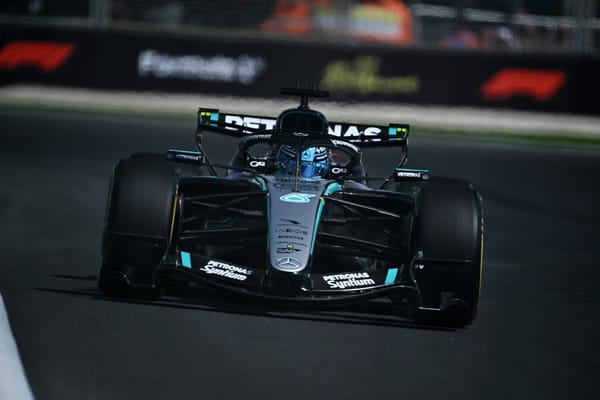
Based on what we've seen from the 2026 Formula 1 cars that we've had glimpses of so far - most significantly the Haas given that, if the renders are accurate, it has revealed Ferrari's configuration choices - the trends for choosing pushrod or pullrod designs at the front and rear have again changed this year.
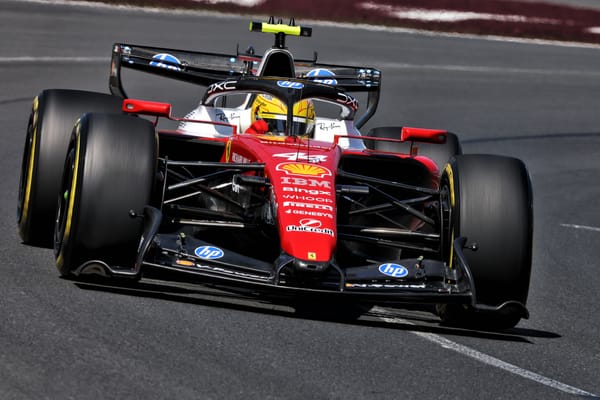
Haas, which de facto uses the Ferrari suspension layout thanks to its technical partnership, has pushrod configurations at the front and rear - provided its renders are representative of the real car.
That appears to be matched by Audi (ex-Sauber), although the very limited images we've seen so far are inconclusive, and Red Bull and Racing Bulls (at least based on the studio renders of their 2026 showcars), while Cadillac has pullrod at the front and pushrod at the rear - the most common choice by the end of the previous regulations cycle.
So why might the pushrod have become the design of choice at the front in 2026?
The pushrod or pullrod is the suspension member connecting the outboard wheel assembly to the inboard suspension system. With the pushrod, the inboard rocker assembly is mounted high on the chassis or gearbox and the outboard end low on the wheel assembly.
It's called a pushrod because when the wheel reacts to a bump, it's a push movement that, via a rocker, rotates the torsion bar on the inboard suspension. With the pullrod, it's the other way round: mounted low on the chassis but high on the wheel assembly with the actuation a pull movement.
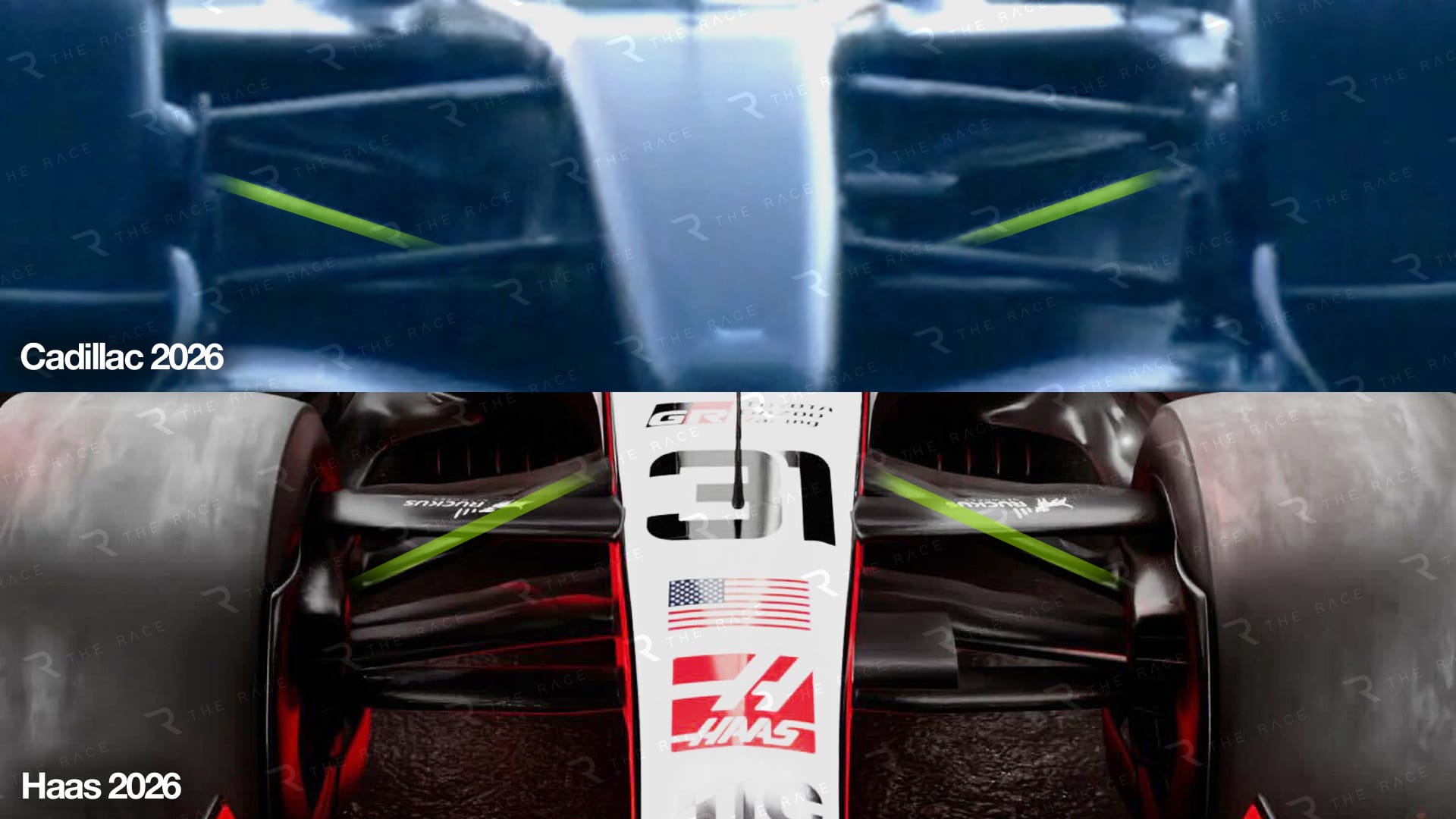
Packaging a pullrod system on the front can be more complicated as it's all mounted low in the chassis. For a pushrod, it's all mounted up high so more easily accessible for set-up changes. But for me, the best solution lies right there. The pullrod system means that the centre of gravity (CofG) of the complete system is lower. Lower CofG is never a bad thing, no matter what the regulations are.
The problem for the rear pullrod system is again packaging, but due to the now reduced maximum wheelbase that complication is multiplied tenfold. Down low you have the flywheel, clutch and the gear cluster to contend with. Up high, you have nothing but plenty of open space for the layout, and it also means you have one end of the car to allow you to easily balance the front-to-rear mechanical set-up.
Also, with the heavier parts at the front of the car being the chassis and driver, which together have a fairly high CofG, lowering it a little with a pullrod system does no harm. At the rear, the CofG of the engine and gearbox are already fairly low so raising it a little is again no bad thing. In effect, it means that the CofG axis front to rear is more horizontal, which can help getting the car to rotate on corner entry.
As for the aerodynamic advantages or disadvantages, I think the jury is still out on that one. With the active aerodynamics for 2026 - where you want high downforce levels in corners and minimum drag levels on straights - it is going to be more difficult to use the front suspension members to control the wake coming off the trailing edge of the front wing, so a reduced blockage because of the smaller cross-section required with a pullrod should be a good thing.
As far as the rear suspension system is concerned, the pushrod system allows more scope to optimise the trailing edge of the underfloor and the start of the diffuser. I'm not saying we will see anything like it again, but that's the area that the double diffuser was born from so keeping your options open is no bad thing.
With the regulations as they are for 2026, I would go for pullrod front and pushrod rear. It's only small differences, but in my book small things add up very quickly.