Mark Hughes: 2026 F1 cars could've been even more flawed
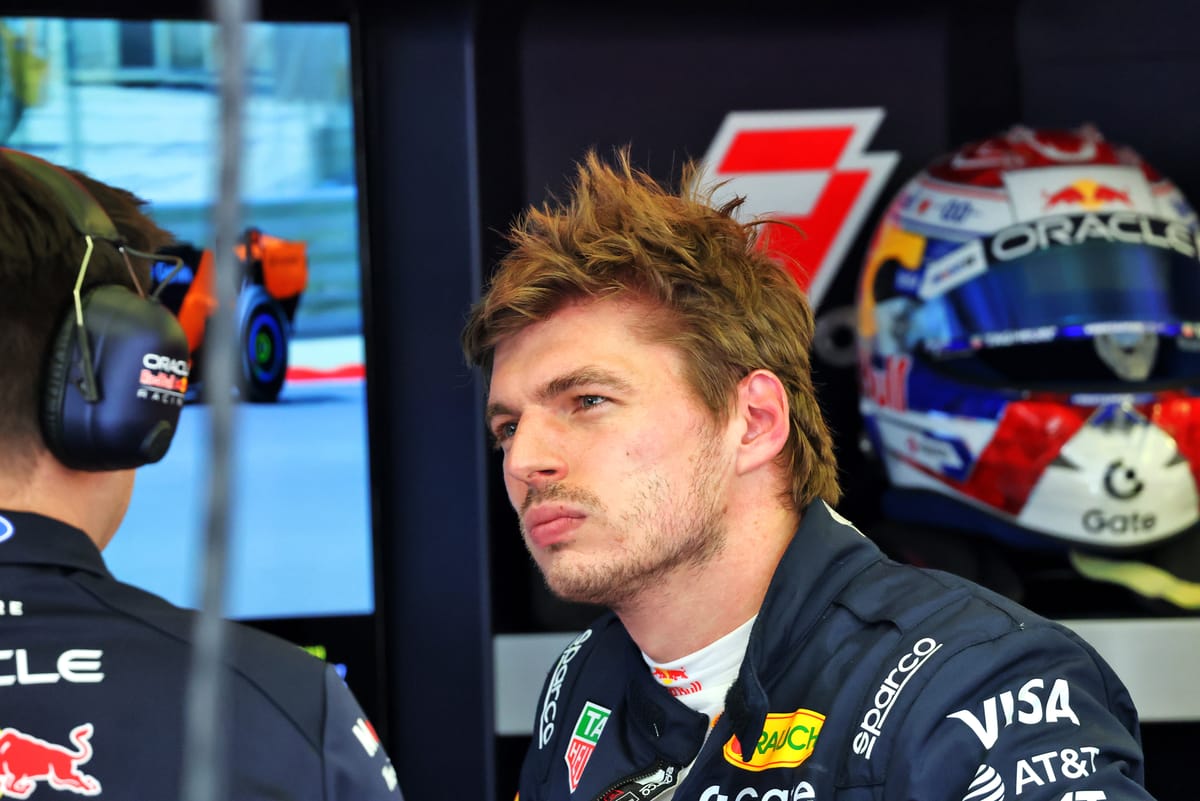
Max Verstappen's disparaging comments on Thursday in Bahrain testing regarding how the energy management demands of this generation of car have made for a style of competition which is "anti-racing" left no room for doubt about his disapproval. Coming on top of the similar comments from Lewis Hamilton, it's not the sort of messaging the commercial masters of F1 would have chosen from their two highest-profile stars.
In one sense, that's refreshing; the drivers haven't been tamed by the marketing demands of the vast commercial entity. But how we got here is everything to do with commerce.
The awkward energy usage - trading off corner approaches and entries for energy deployments on the straights - which Verstappen and Hamilton are railing against is just another corollary of the original big decision to configure a near-50/50 electrical/combustion split and deleting the previous ERS-H technology.
That decision was all about trying to attract new automotive companies into F1 and to retain the existing ones. Electrification was the direction the industry was moving and the sophisticated, highly F1-specific hybrid technology of the 2014-25 generation was deemed too complex and non-relevant for new automotives.
Massive batteries and no ERS-H has given us an ICE which needs to be used as a generator for the battery and therefore placed a huge complexity of demands upon the driver and a move away from the traditional craft of being faster than the next guy by taking more speed into the corners. Now it's about being smarter with how you retain battery charge to be deployed down the straight. The traditional demand is in direct opposition to the new one.
Although this is only now being experienced by the drivers, it's something which has been known about since the very formation of these regulations years ago. But that was the direction F1 had chosen to go. Given the severe challenges of getting a raceable car from such severe energy starvation (huge batteries and not much recovery capacity with which to charge them), the regulators and F1 engineers together have done an amazing job to produce the cars we have. An amazing job in navigating through the obstacle course set by the decision to do what the automotive sector was asking for.
So yes, we now have a generically flawed car in terms of what skillset it demands of a driver and of how appealing that might be to the fanbase. But it could have been so much worse.
Which begs the question of should F1 be following the wishes of automotive manufacturers? If we think of the automotive future, it's towards full electric, driverless and domestic appliances rather than sporting charisma.
How this new era is received by fans and how much that reception might be influenced by the opinions of its highest-profile drivers will be crucial in determining the direction of F1 after the end of these regulations.
A return to smaller batteries (or none at all)? Back to traditional driver demands? Or will the fanbase have been weaned off such values by then? And will F1 have lost Verstappen to another category in the meantime?