The F1 2026 version of the Brawn GP strategy
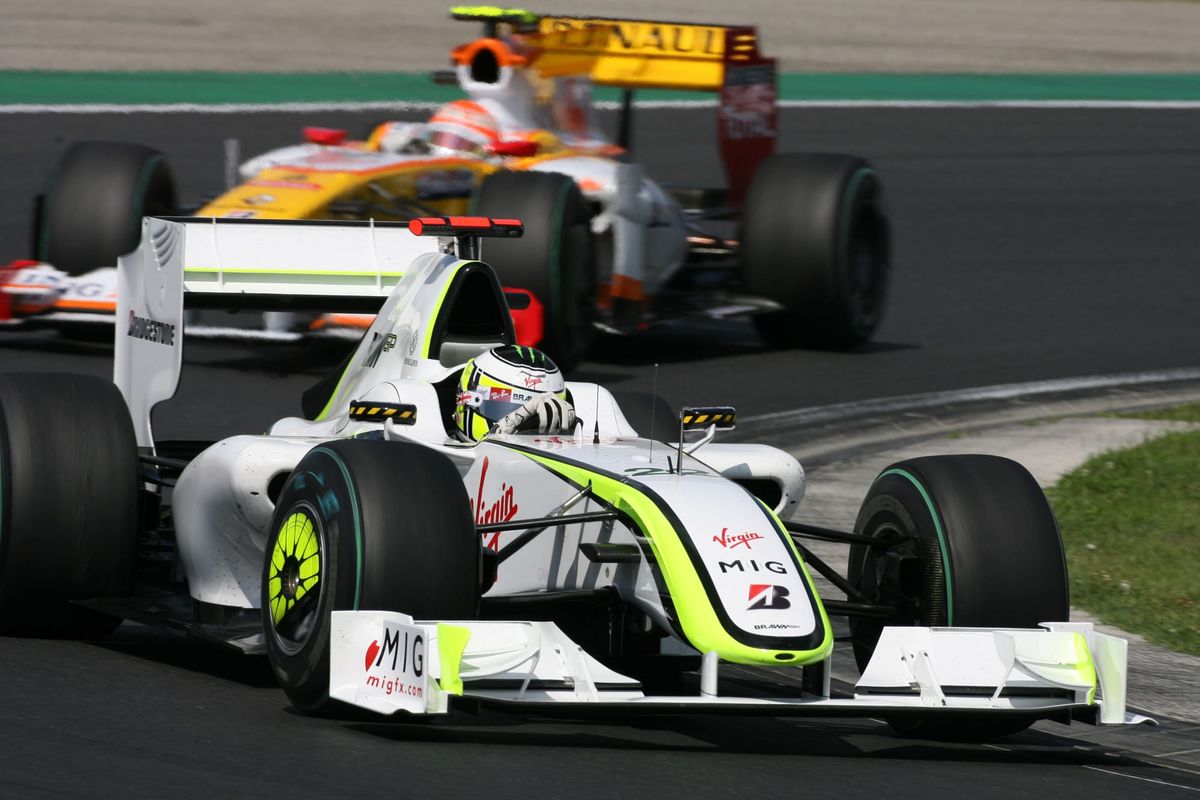
There are notable parallels between the Brawn GP Formula 1 title fairytale in 2009 and Alpine’s tactics for 2026.
The story of both involves full-on works teams that ended up going in a different direction and switching to Mercedes customer units for the start of an all-new rules era.
The two squads also elected to write off the final years of the old regulations era to throw everything into their future car – hoping that the head start gave them an advantage over rivals that could not switch their focus over so early.
But while Alpine is optimistic that its tactics will deliver a decent step forward, it does not see potential for pulling off a Brawn-style story.
In particular, as managing director Steve Nielsen has explained, Brawn GP’s tactic that helped earn in at advantage – going all-in for the following campaign – was something unusual then but now is much more common.
“I think when Brawn did that in 2009, it was relatively- not 'unknown', but it was unusual for people to do it,” explained Nielsen.
“Brawn took the hit for a whole year, and put a car on the track that was one year ahead of everyone else.
"Most people were switching over in those days at the end of the summer, so they [Brawn] genuinely had six months [edge]. That was so visibly the thing to do at that time.
“But we all know the trick now. It's all been thrust in our face. So although we've swapped over very early, others have also done similar. I think probably after us - but nonetheless early.
“I don't think anybody's developed their car right up to [the end of the season], unless they're fighting for the championship.
“So is that [repeating Brawn] possible? I suppose it is. But the trick that gets you there is well-known.”
The real targets
While Alpine still managed the occasional strong results through 2025, Nielsen says the ambition for next season is firmly on being up there consistently.
“I want to be racing every week and hopefully for points,” he said.
“[In 2025] we've done the odd weekend when we've been racing for points and achieved points, but all too often we've been distant at the back.
"That's not where this team belongs. It's not where Enstone traditionally is. It's not what Alpine want, and it's not what any of us want it to be, so we need to race at the top end of the midfield for points every weekend.”
While Alpine paid the price in 2025 for the early cut-off in development, as others were able to pull clear of it, Nielsen says that there was actually a silver lining to this dark cloud.
And it is that while 2025 developments elsewhere were bad news for this squad's ambitions at the time, they equally served as an indicator that rivals had not switched over their 2026 work as early – therefore putting Alpine further ahead.
“When I saw Haas, who have done a great job this year, putting a new upgrade on the car in Austin, I had two things [in my head],” explained Nielsen.
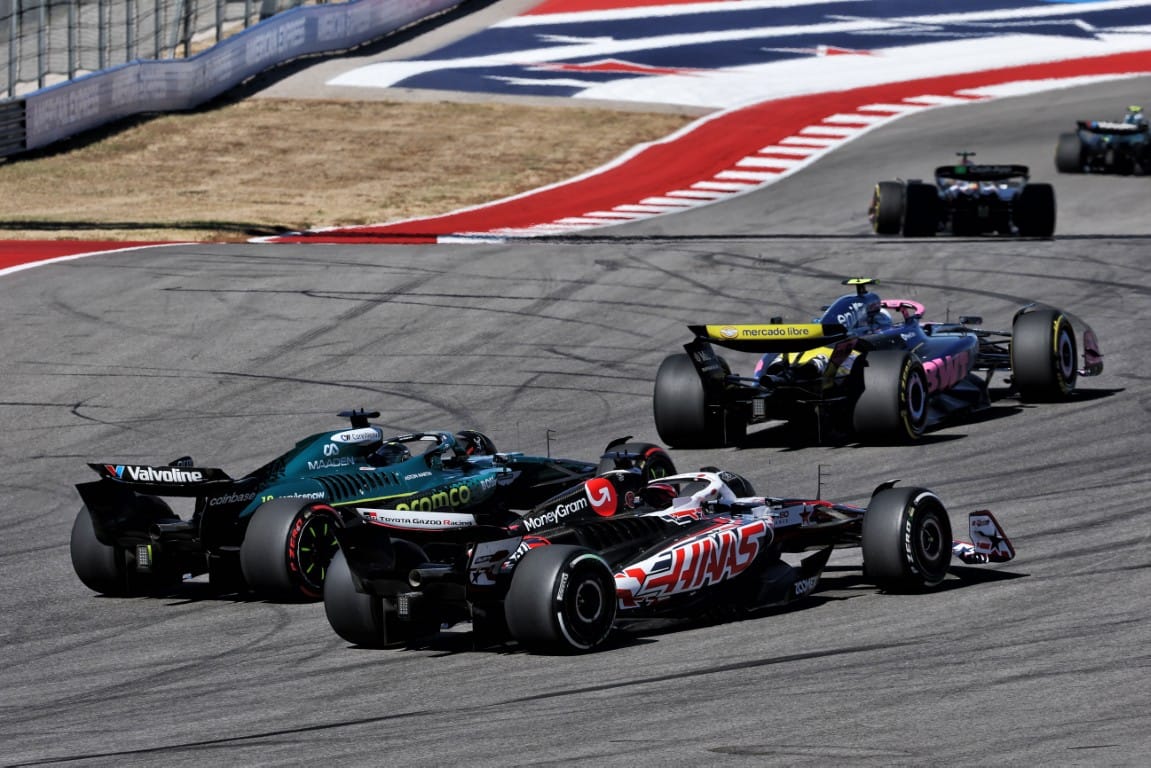
“I think, 'wow, that's going to move them up'. But then the warm feeling is that it means they haven't had the ‘26 car in the tunnel, and that does give me kind of confidence that we should be competitive with them next year, hopefully ahead of them, because we've swapped over.
“Teams’ windtunnels are largely [identical]. They operate the same systems, they go through the same processes. It's a slow iteration, with thousands of different trials, iterating towards the right solutions.
“So the earlier you start on that [development] line, the quicker you make progress. Getting on that late, because we've all got very similar resources, is - I hope - a penalty for them.”
Nielsen will not be drawn on specific targets for Alpine in 2026; but primarily because he thinks it is nonsense for F1 teams to declare such things.
“I'm not a person that believes in a 100-race plan or a three-year plan or a five-year plan,” he said.
“I believe you put the best people you can get in the right positions, you give a clear mission, get the army marching all in the same direction, and you just work as hard as you can and do the best job you can. You mill away at it.
“It's a slow grinding process, and you hope eventually you do a better job than everybody else. But I can't tell you where we will be.
"I can tell you we're building a better car next year than we have this year. I can't tell you whether that will line up on the grid in first or 10th or 20th. I don't know.
“I'm confident we've made a step, but the other nine are also doing the same as we're doing, and so you don't know how much progress they've made."
Nielsen certainly feels that the team has plotted the right path towards 2026, even if it meant enduring some pain during last season as it ended the year bottom of the constructors’ championship.
“Honestly, at the end of the day, it’s the stop watch that will tell us.
“I think we've done all the right things. The chassis has passed its crash tests. It's lighter, it's stronger, it looks good - but every team that builds a new car will tell you it's good.”
The other Brawn factor
There was one other important aspect to the Brawn story too – and it is that it exploited a loophole in the regulations thanks to its double diffuser design.
New rule sets often throw up potential for some teams to find clever solutions that give them a big advantage.
Nobody can be sure yet whether or not the 2026 regulations offer such an opportunity for a double diffuser-style pursuit, but Nielsen says it is something that cannot be totally ruled out.
“There's always the unknown unknowns,” he said. “Maybe we find something that we're not sure about, maybe someone's come up with some solution we don't know about.
“But we're optimistic, eager to get on with it. I just want to get that better car and start racing and make that jump that we all know and expect is going to come.
“Then we can bank it and think, ‘Okay, now we're in a better place. Now we're in development war.’ ”