Every British F1 world champion ranked
No other country even comes close to matching the level of success the UK has enjoyed in the Formula 1 world championship, with Lando Norris becoming the 11th different driver from a cold, wet island in the North Sea to claim motorsport’s biggest prize.
It was only a blown tyre that prevented a Brit from being crowned champ during every decade of the world championship era, and with yet another highly-rated Brit - Arvid Lindblad - joining the grid next season, there’s every chance of that record extending well into the 2030s and beyond.
And of course, where there’s a tally, there’s a list. So here, in reverse order, is Andrew van de Burgt’s ranking of the British F1 champions. It’s just his opinion, so feel free to argue about it in the comments.
11 Mike Hawthorn (1958)
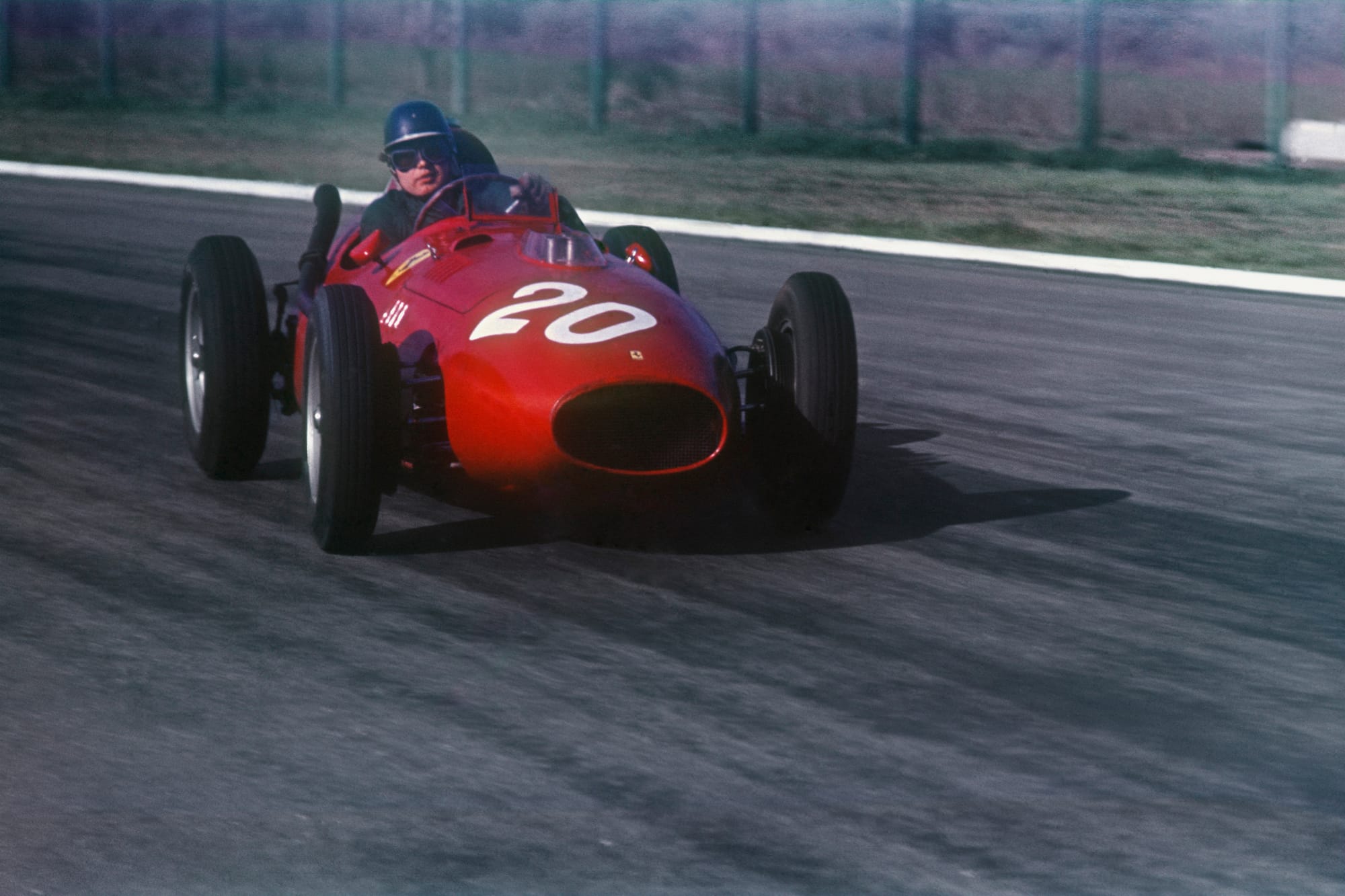
There’s no shame in being last on a list of greats. Someone has to be, and it doesn’t mean Hawthorn wasn’t any good, it’s just a reflection of a combination of the era within which he raced and the fact that his body of work is considerably smaller than the others.
Hawthorn was a driver of his time. That post-war era when life was for living and races were for racing. His modest tally of three wins includes the 1953 French Grand Prix win that was regarded by those who saw it as one for the ages. Not as fast as Stirling Moss, but his luck held in 1958 when Stirling’s didn’t.
10 Lando Norris (2025)
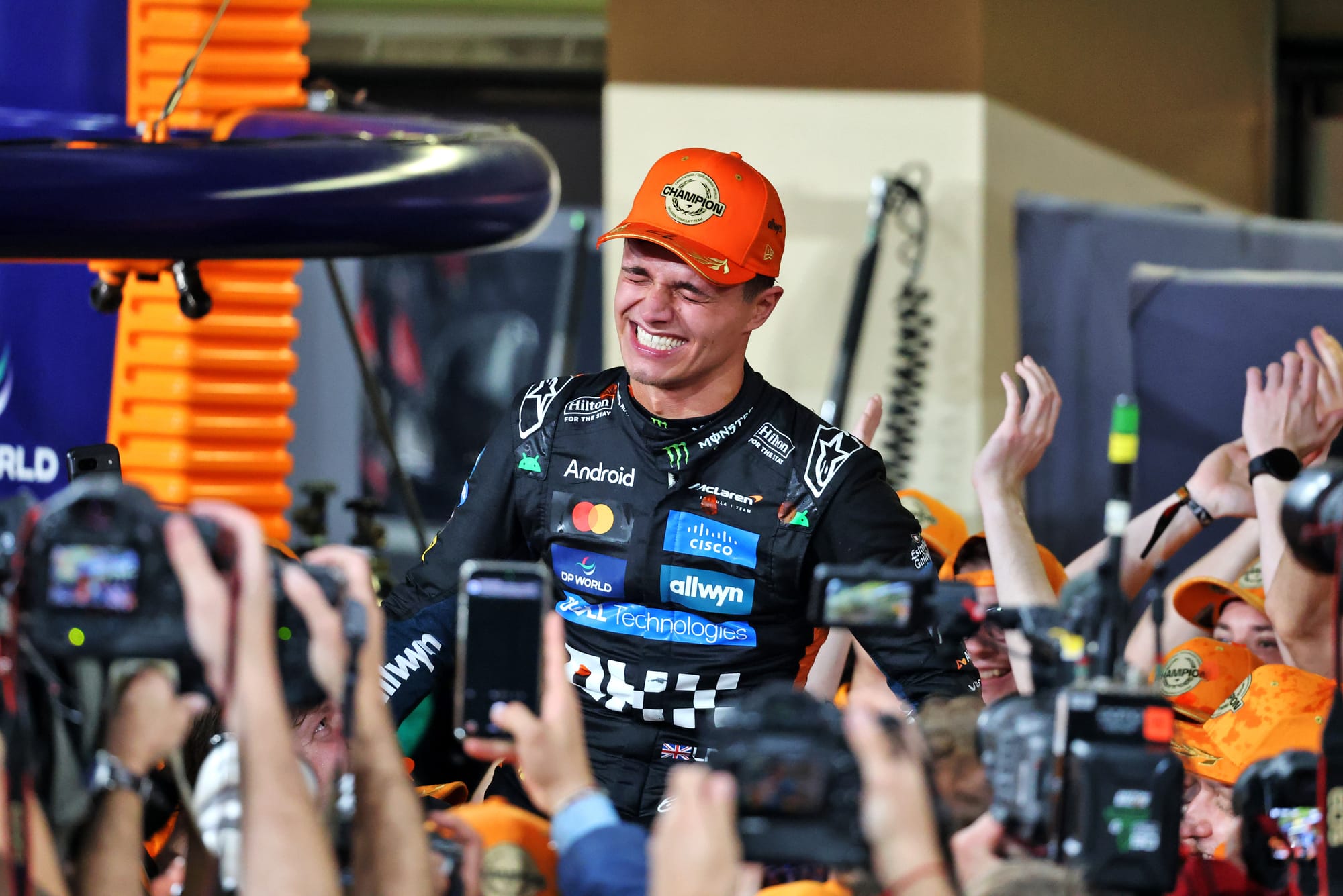
The latest addition to the list has the potential to rise well above his lowly positioning, which reflects his career to date, rather than the potential that lies in store.
While his pace has never been in doubt, his consistency means that he arguably made harder work than was necessary in claiming his maiden title, but he’s not the first - and certainly won’t be the last - driver to do that.
His openness about his personal struggles are at odds with the conventional expectations of F1 heroes, but the way in which he overcame them was laudable and points to an inner strength that will serve him well in title battles to come.
9 Jenson Button (2009)
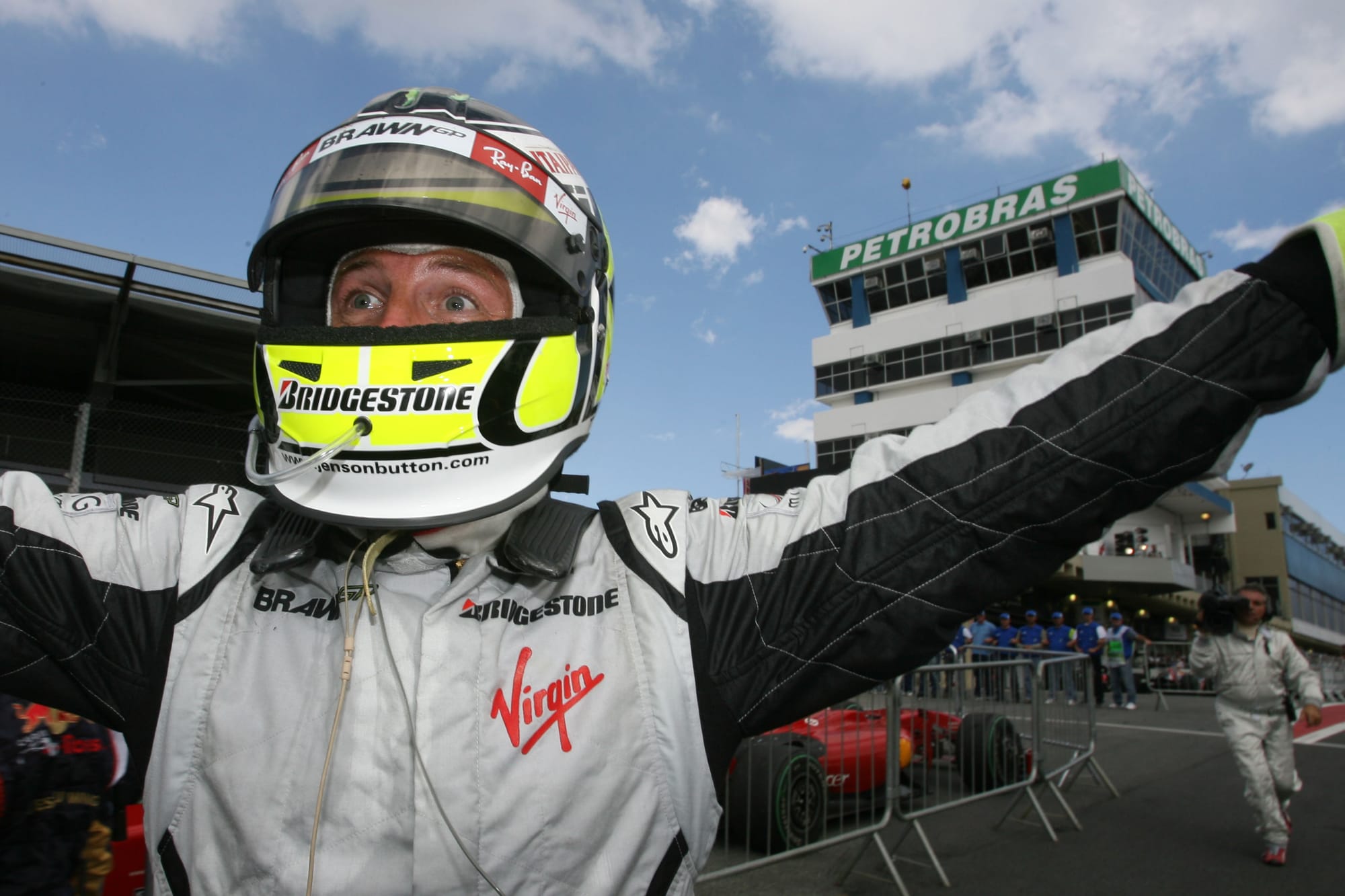
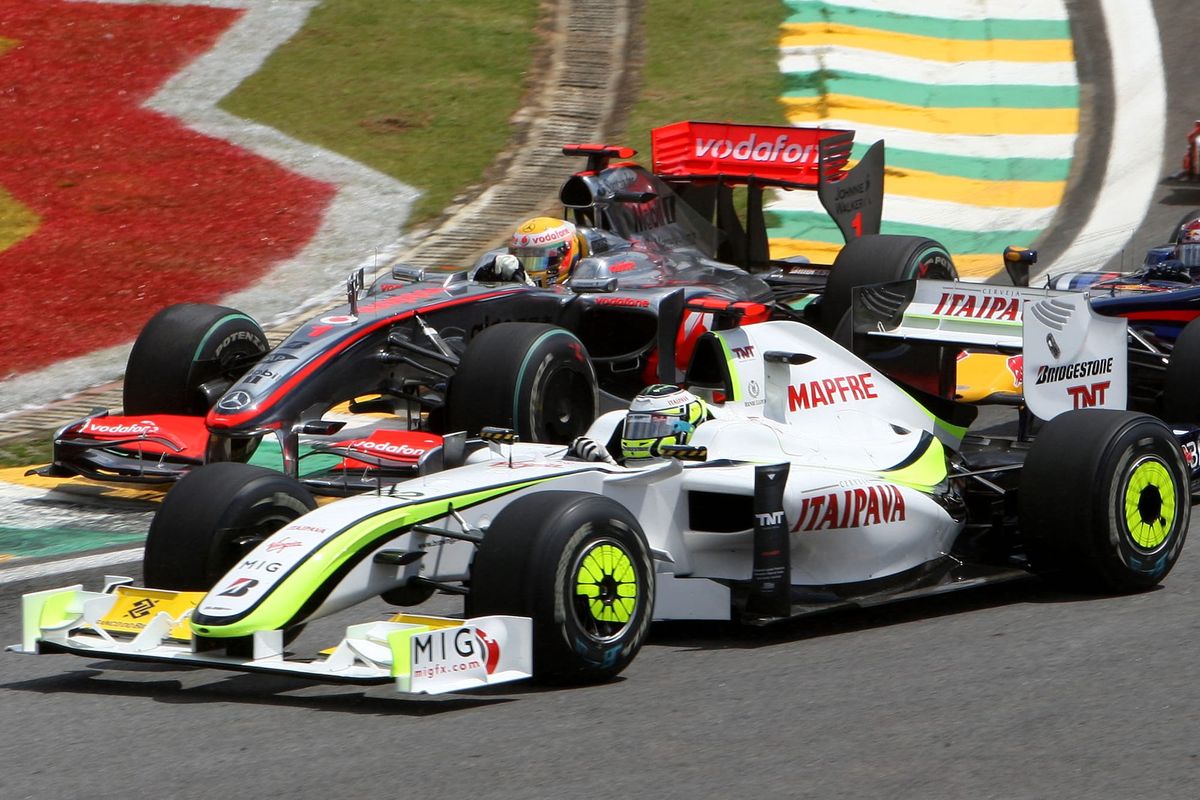
After years of waiting for a car worthy of his talents, Button made the very best of his opportunity in 2009, taking full advantage of Brawn’s twin-diffuser headstart to build up an almost insurmountable lead.
As smooth as a freshly-laid path, his feel in changeable wet/dry conditions was sensational, and led to his finest hours in Hungary 2006 and Canada 2010, drives from the highest of the top drawers.
8 Damon Hill (1996)
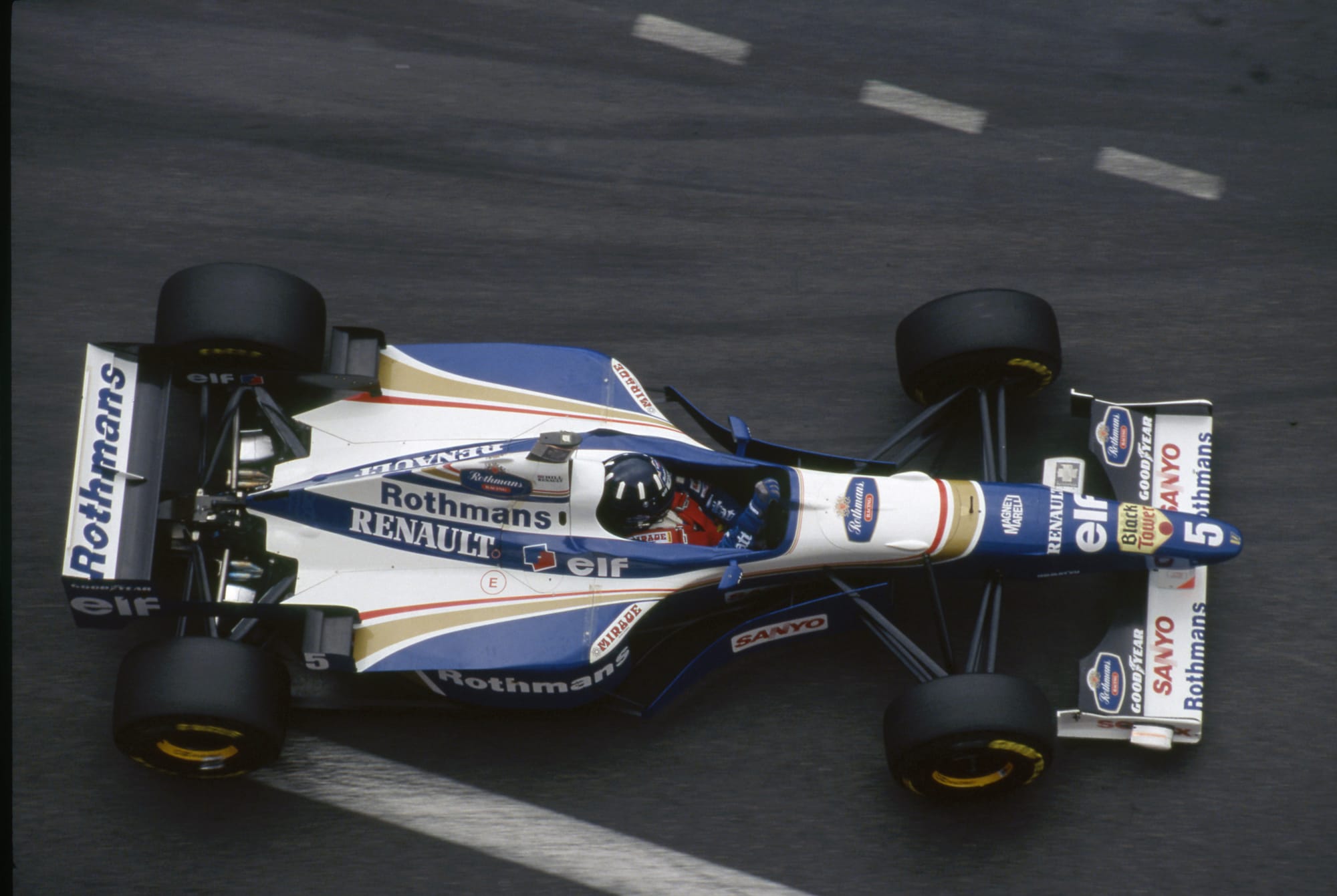
Unfairly maligned in certain quarters, Hill was underappreciated in his time, and underrated in his legacy. As a rookie he kept a demotivated team-mate Alain Prost on his toes, and he stepped up manfully to lead Williams in the aftermath of Ayrton Senna’s death.
While he often came off second-best in his battles with Michael Schumacher, there were days - Suzuka 1994 - where he was simply world class. He out-drove Jacques Villeneuve for his world title, for which he was unjustly rewarded with the sack, and he came agonisingly close to pulling off one of F1’s greatest fairy tales in Hungary 1997.
7 John Surtees (1964)
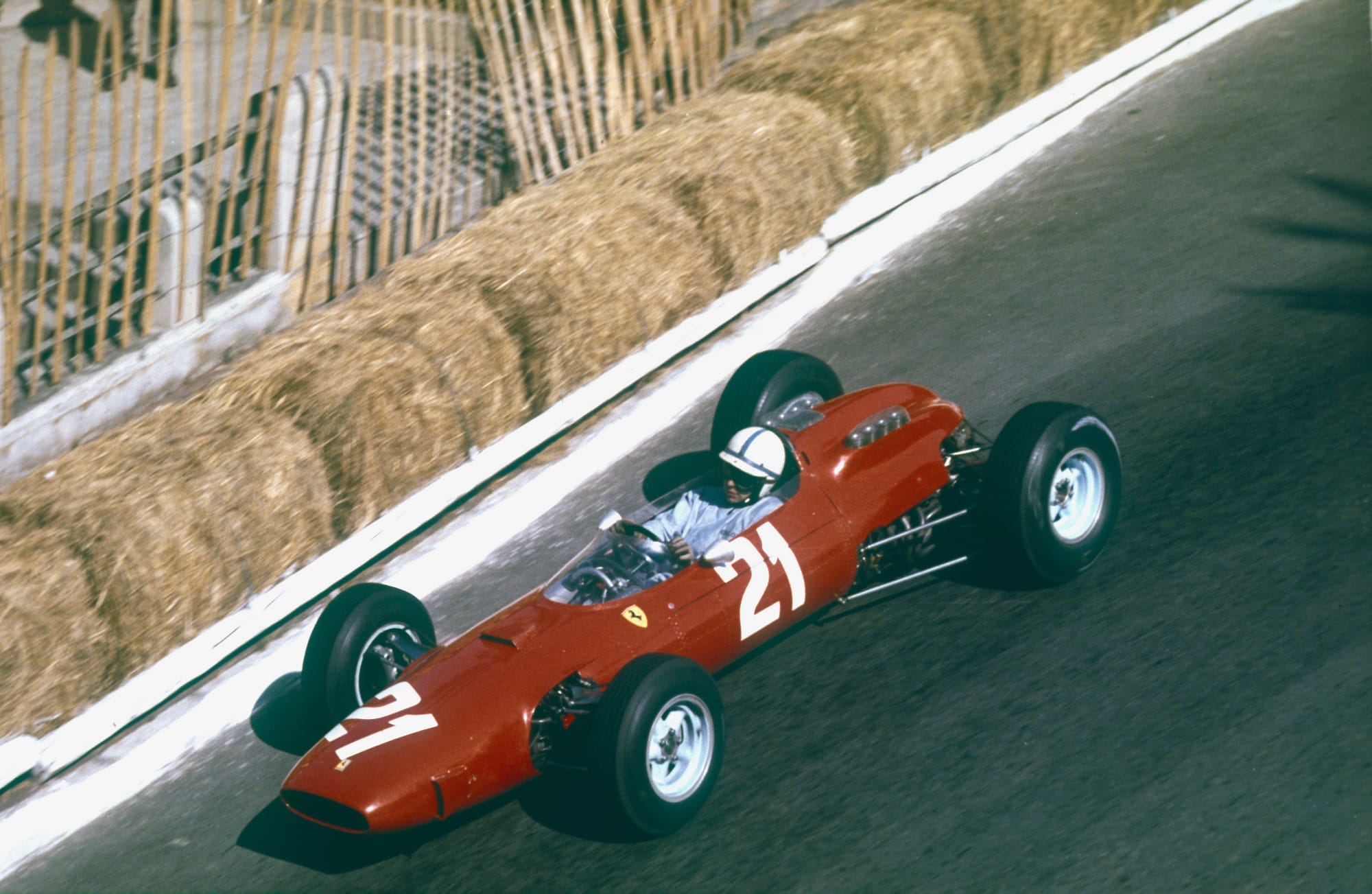
Rating Surtees as an F1 driver is a tough ask as his time at the very top was so fleeting. But on his day, he was a match for Jim Clark. The fact that under every other points system used in F1, Surtees misses out on the 1964 crown shouldn’t downplay his achievement. But his intense and driven nature meant he was always destined to fall out with Ferrari (and his subsequent teams).
The uniqueness of his achievements on two wheels and four cannot be discounted when assessing his status, but the ultimately condensed nature of his time at the top certainly does.
6 James Hunt (1976)
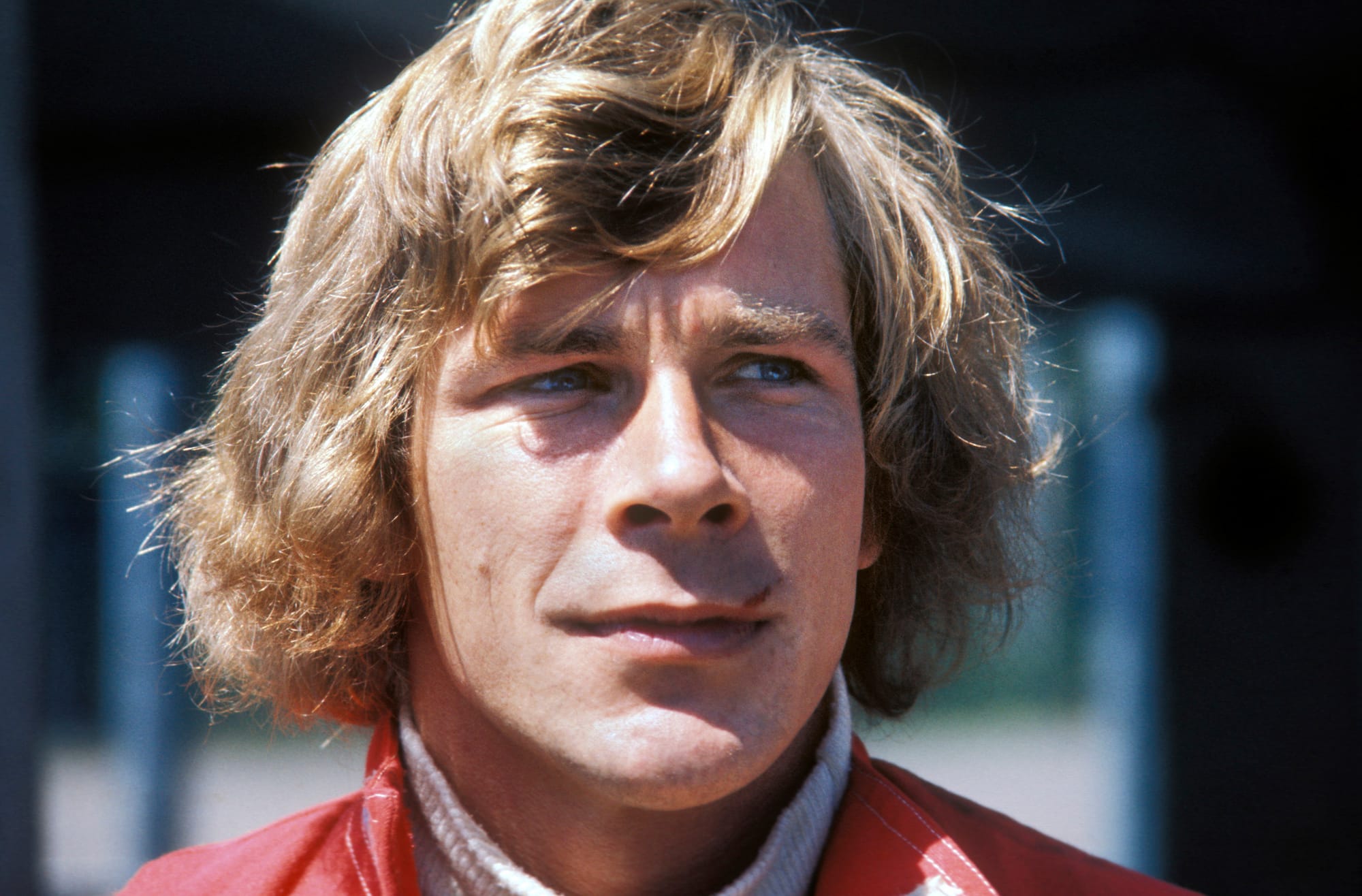
While Hunt’s title owed no little debt to Niki Lauda’s horrendous injuries, it is also true to say that during the period from 1975-77, Hunt was the driver who posed the biggest threat to the Austrian’s status as the best in the world.
Hunt was fast and aggressive and passionately driven, so it was probably inevitable that his time at the top of his powers would be short, especially considering his off-track activities. To many he set the standard of what is expected from a F1 co-commentator, and no doubt a small amount of that bias is at play here.
5 Graham Hill (1962, 1968)
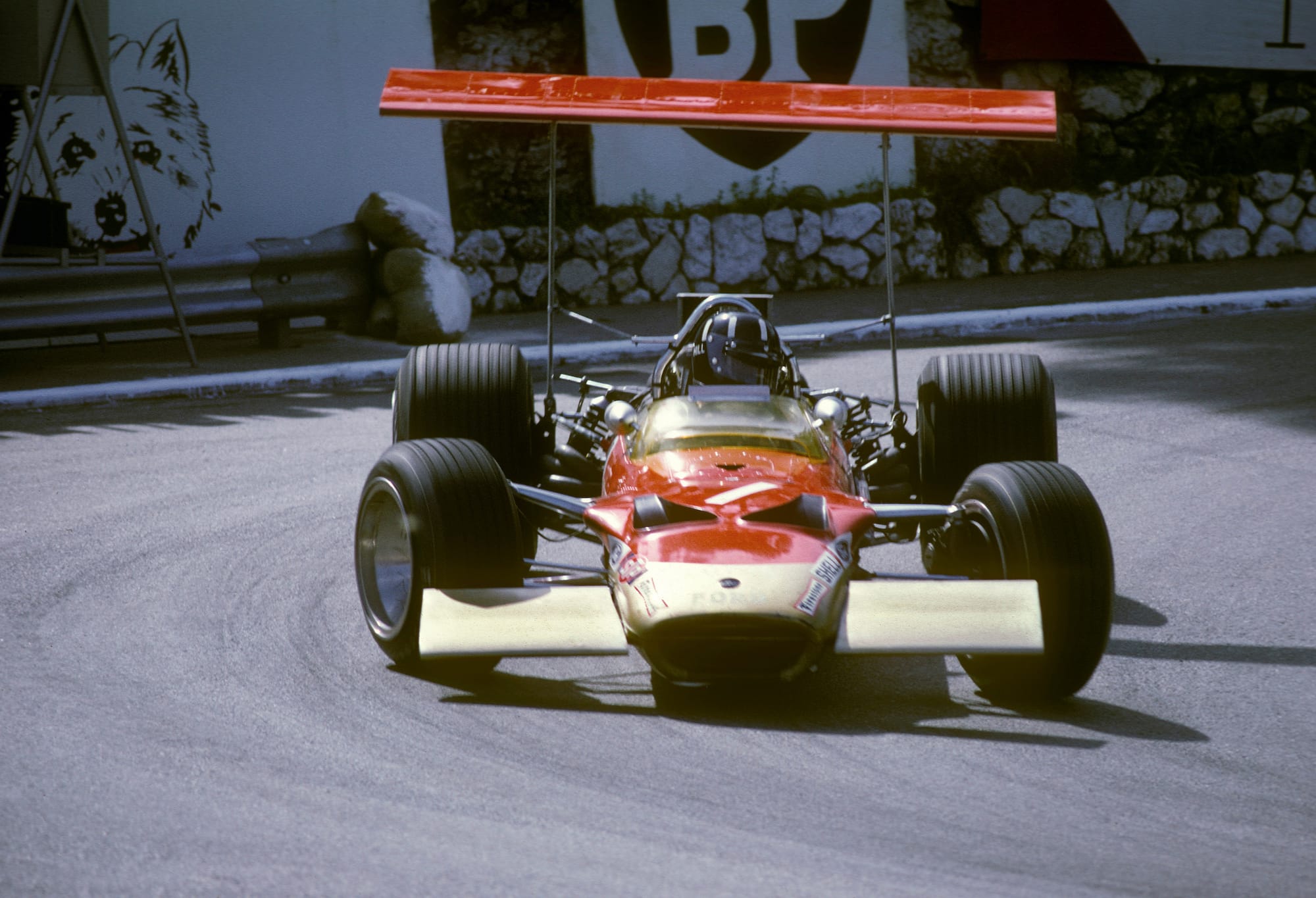
In the excellent recent episode of Colossally, where Hill’s triple-crown exploits are discussed, his skills and limitations as a racing driver are covered in expert and lengthy terms. So I’d recommend listening to that pod for the full answer, but to paraphrase: Hill was a good but not a great driver, who used his determination to augment his skill.
His Monaco record speaks for itself, and while there’s no doubt that he drove on way past his best years, that ought not to detract from what he was able to do in his pomp.
4 Nigel Mansell (1992)
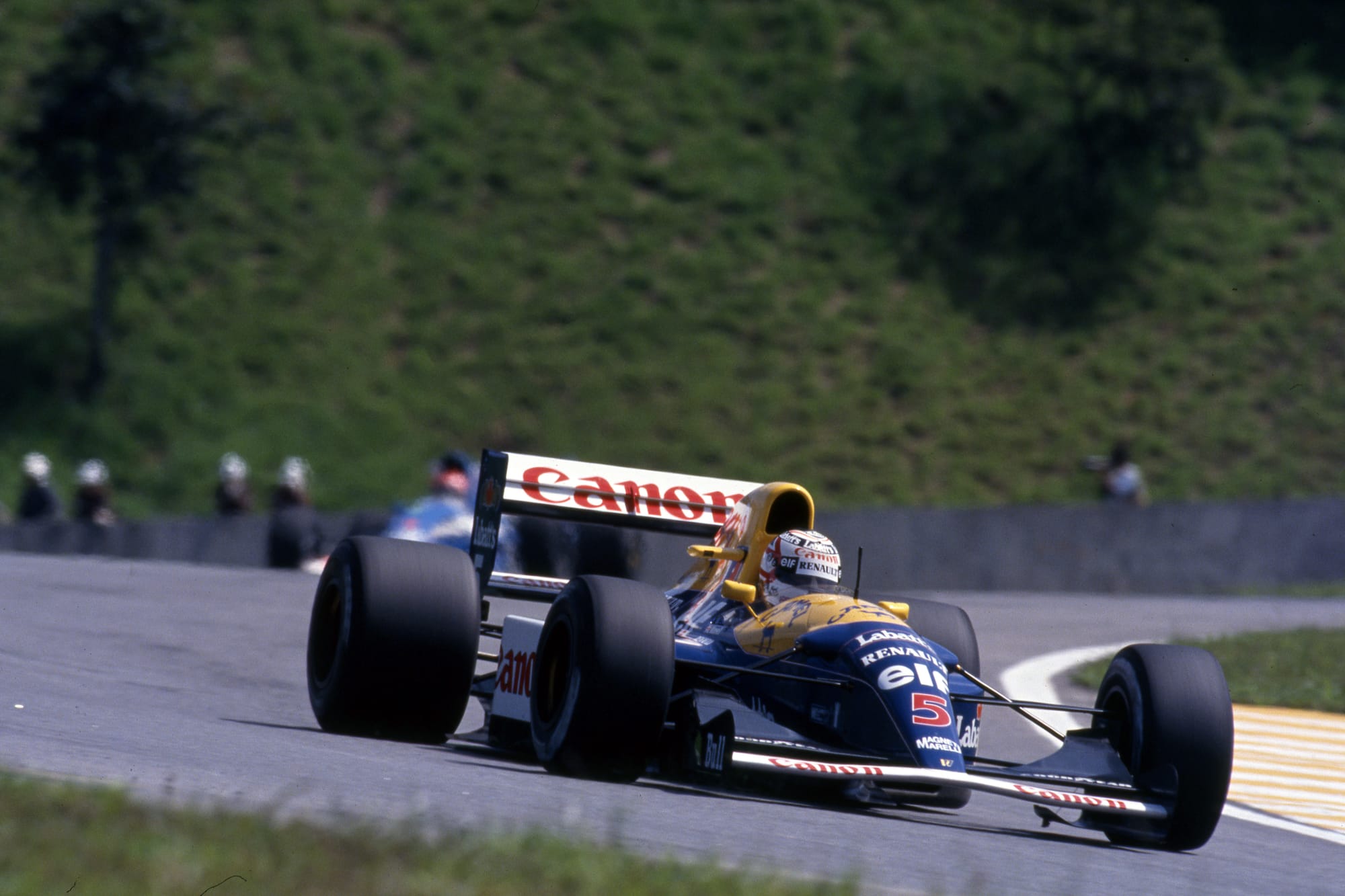
Not everyone’s cup of tea, but also a national hero who could easily have been a three-time champion if luck (and mechanical sympathy) had gone his way. Insanely brave, it’s hard to imagine a better car and machine combo than Mansell in the FW14B. Watching him fling that car around trackside was an incredible experience, visually faster than anyone else around Silverstone, especially through the quick stuff.
The moaning and histrionics weren’t for everyone, me especially, but there was simply no denying the raw pace, and the instinctive flair for wheel-to-wheel battle. Mansell was box-office, whether he liked it or not (he did) and F1 was by far the poorer for his decision not to stay on in 1993 and defend his title, because I’m pretty sure he’d have put one over Prost that season.
3 Jackie Stewart (1969, 1971, 1973)
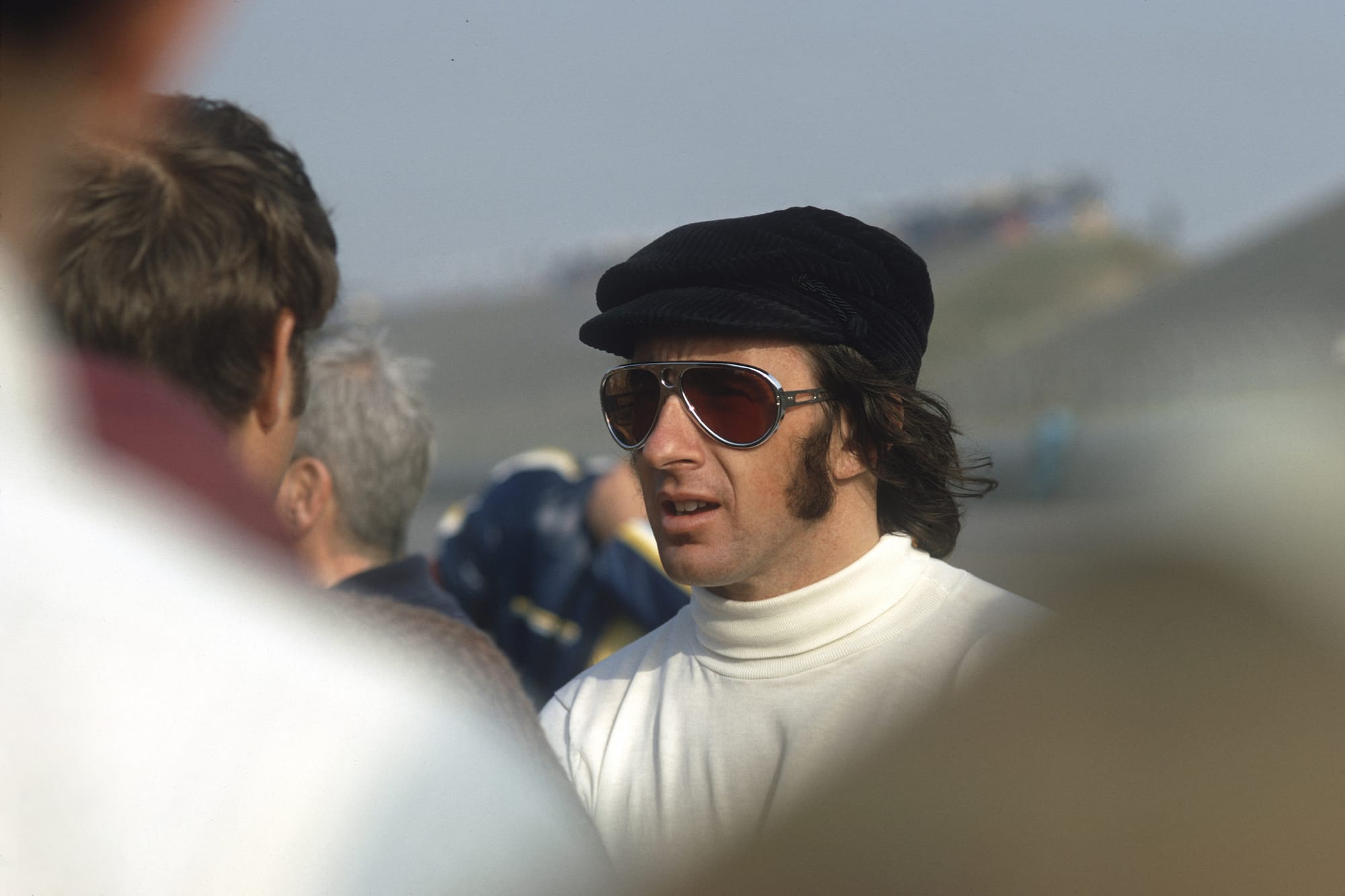
Stewart had the defining look of a 1960/70s F1 driver: big sunglasses, even bigger sideburns, and he had the racing chops to go with it. He really had it all: outright pace, mechanical understanding, racecraft, and he put that all to devastating effect.
At the time, many people were critical of his very outspoken stance on F1 safety, but in the end he was proved right hundreds of times over. He also quit at the top and never looked back, which in my book is the mark of real class.
2 Lewis Hamilton (2008, 2014, 2015, 2017, 2018, 2019, 2020)
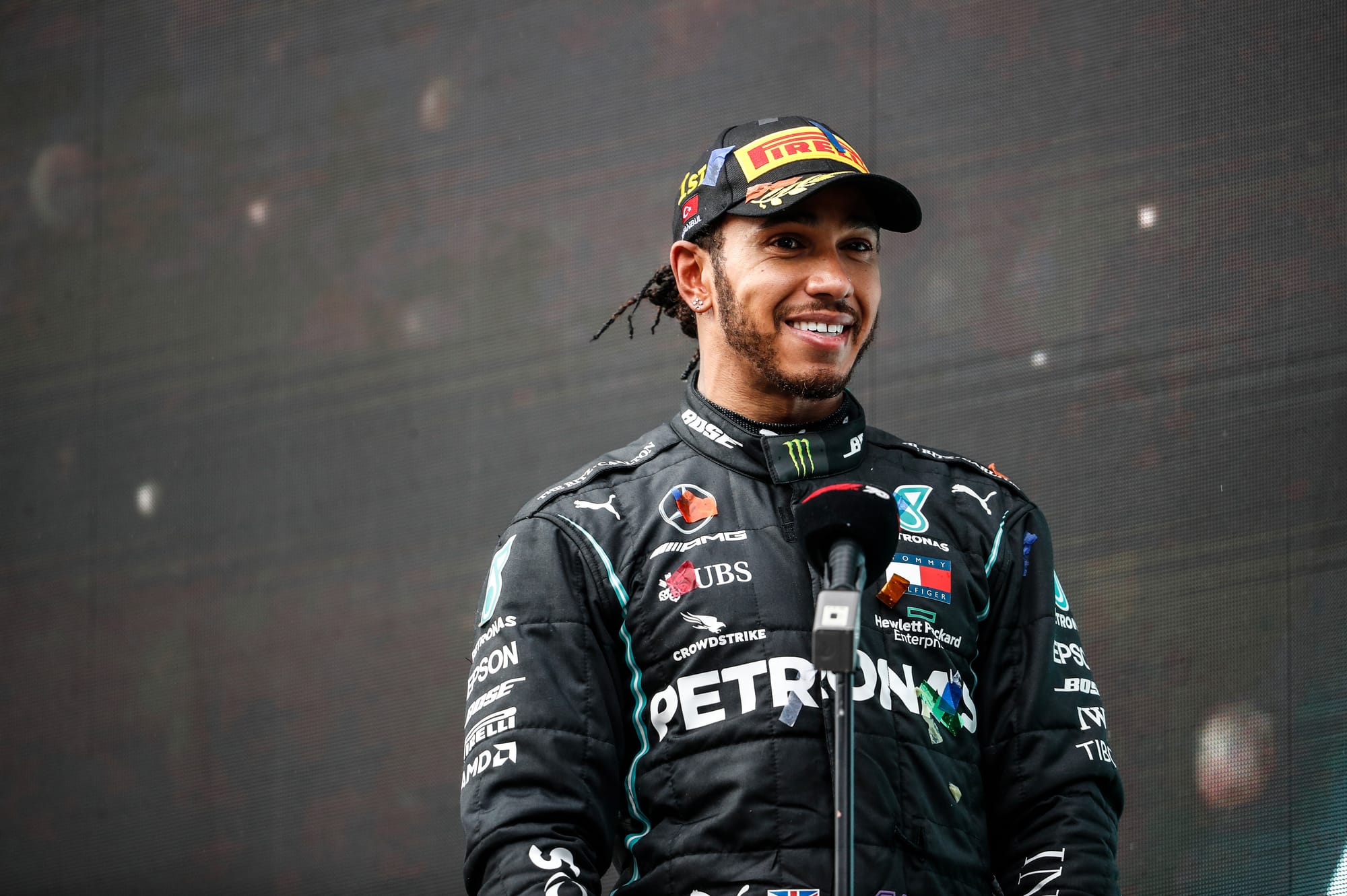
It may make for uncomfortable reading, but since the start of 2022 Hamilton has bit by bit started to erode his legacy, with the second half of his Ferrari season probably costing him his place at the head of this list, which for almost a decade he could lay claim to.
Recent F1 converts might find it hard to reconcile Hamilton’s phenomenal record with the driver who’s struggled to match George Russell and Charles Leclerc, who between them have barely a tenth of his successes. But this overlooks the previous body of work, where he matched tremendous speed with sublime racecraft and superb wet-weather skills. He really was the complete driver.
1 Jim Clark (1963, 1965)
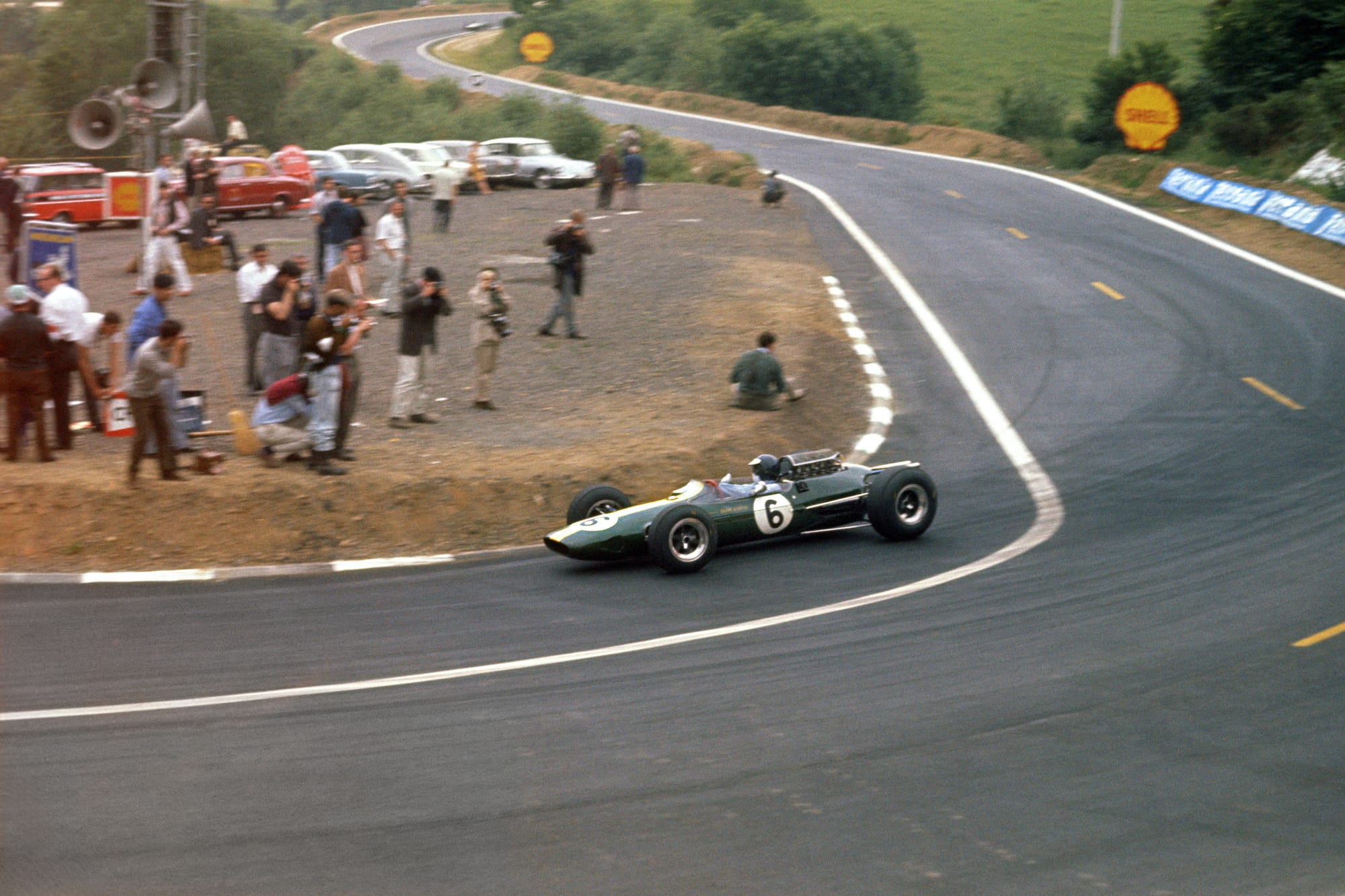
There are some (many) motorsport aficionados who claim that Clark is not just the best British world champion, but also the greatest driver of all time. He was certainly one of the most versatile, and his combination with Colin Chapman is one of the most celebrated in all sports.
Incredibly fast, smooth, and light on his equipment, he set the standard in his era, and the fact that he is still so revered almost 60 years since his tragic early death speaks volumes about the impact he made on the sport and all who witnessed him in action.